

The Tano River
  • Home
  • 🌊The River
    • The Tano River
    • Cultural Significance
    • Spiritual and Historical Importance
    • Taakora — The Deity of the Tano River
    • Comprehensive Analysis of the Tano River and Its Basin
  • 🌿Environment
    • Flora and Fauna
    • Environmental Challenges
    • Conservation Efforts
    • The Tano River Basin
    • The Galamsey Crisis
    • Animals of the Tano
    • Trees and Plants of the Tano
    • Parks and Forest
    • Lagoons
    • Tributaries of the Tano River
  • History
    • Stories and Oral Traditions
    • Historical Events
    • Ancient Trade and Conflicts
    • The Legend of Tano and Bia
    • Deities and Spirits
    • God Tano, Afua Krankra, and Asase Ya/Afua in Akan Mythology
  • 🎉Culture
    • Ethnic Groups Along the Tano River
    • Fishing, Agriculture, and Rituals
    • Festivals and River Ceremonies
    • The Natural Border Between Ghana and Ivory Coast
  • 🛶 Tourism
    • Natural Sites to Visit
    • Cultural Experiences
    • Local Guides & Eco-Tourism
    • Creating a Touristic Ecosystem
  • 🌍News
  • Global Initiative
  • 🌍About
    • 📖The Project / Get Involved
    • 🧾 About me
    • ✉️ Contact us
    • 🤝 Partnerships / Collaborate
    • 💛 Donate
    • 🌿 A Tribute to My Father and Grandfather
    • 🧾All Our articles
    • 🧾Search Our Articles
    • 📖Glossary of the Tano River Ecosystem
Donate
Font ResizerAa
The Tano RiverThe Tano River
Search

Popular Posts

The Rivers, Lakes & Lagoons Collective

The rivers in Ghana

About the River

🪷 Cultural Significance of the Tano River

About the River

✨ Spiritual and Historical Importance of the Tano River

Welcome to Tanoriver.com

Join the Tano River Collective Project and be part of a growing movement dedicated to preserving the life, culture, and ecosystems of the Tano River. Together, we can make a lasting impact.
Join Us
Follow US
TanoRiver.com
The Tano River > All our Articles > Environment & Biodiversity > Lagoons > 🌊 Aby Lagoon: Where River Meets Sea, and Cultures Intertwine
Lagoons

🌊 Aby Lagoon: Where River Meets Sea, and Cultures Intertwine

By
Alexandre Tano Kan Koffi
Last updated: April 19, 2026
4 Min Read
Share

A transboundary water body shaped by the Tano River, human history, and ecological complexity

Contents
📍 Location and Physical Features🐟 A Biodiversity Reservoir🧑🏿‍🤝‍🧑🏿 Human Life and Cultural Importance⚠️ Environmental Challenges🌍 Opportunities for Conservation and Cooperation🧭 Why It Matters for TanoRiver.com

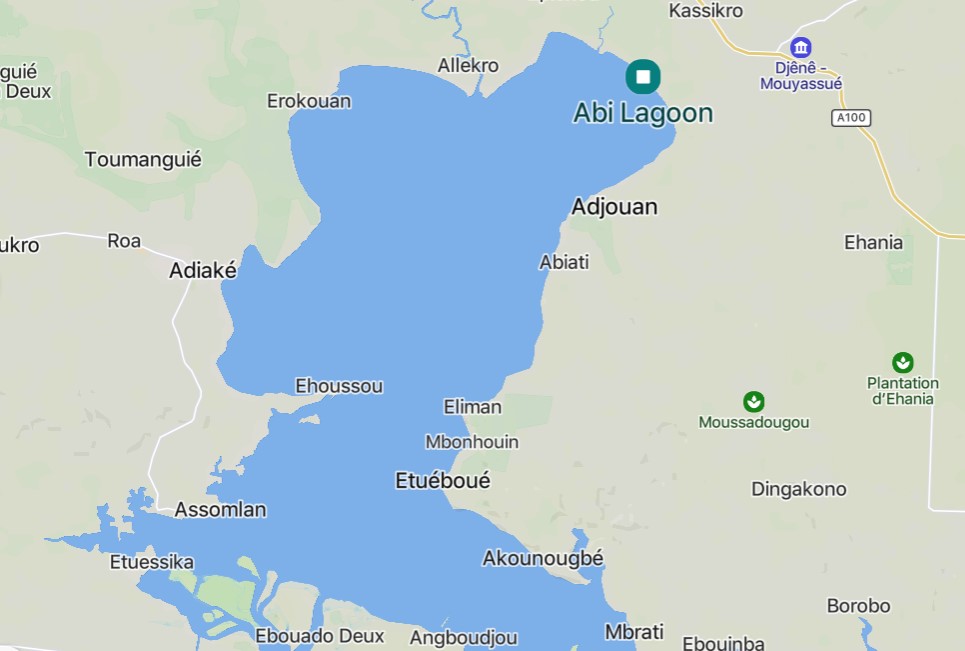
Situated along the southeastern coast of Côte d’Ivoire, Aby Lagoon is one of the largest and most significant lagoons in West Africa. Known for its biological richness, cultural heritage, and economic importance, it forms part of a larger coastal-lagoon system that interacts with both the Tano River and the Atlantic Ocean.

Although not directly fed by the main channel of the Tano River, the Aby Lagoon is hydrologically and ecologically linked to the Tano River delta, particularly through seasonal overflows, mangrove corridors, and underground water flows in the broader Tanoé-Ehy wetland network.


📍 Location and Physical Features

Aby Lagoon lies across two Ivorian regions: Sud-Comoé and Indénié-Djuablin. It spans over 400 km², with a depth ranging from 1 to 6 meters depending on tides and rainfall.

It includes three major sub-lagoons:

  • Aby Lagoon (main body)
  • Tendo Lagoon (closer to the Tano River)
  • Ehy Lagoon (within the forested wetland system)

It is connected to the Atlantic Ocean via the Assinie canal, and seasonal rivers and creeks from Ghana and eastern Côte d’Ivoire bring in freshwater, nutrients, and sediment — including flows from the lower Tano basin.


🐟 A Biodiversity Reservoir

The lagoon supports:

  • Over 70 fish species including tilapia, catfish, croakers, mullets, and African bonga shad
  • Manatees (occasionally spotted), crocodiles, wetland birds, and sea turtles
  • Rich mangrove belts, seagrasses, and swamp forests that host crustaceans, mollusks, and juvenile fish

It is recognized as a critical nursery and breeding area for both freshwater and marine species, with important feeding grounds for migratory birds.


🧑🏿‍🤝‍🧑🏿 Human Life and Cultural Importance

Aby Lagoon is surrounded by fishing villages and towns, including:

  • Assinie, a coastal resort town
  • Adiaké, the main urban center on the lagoon’s shore
  • Dozens of smaller communities that depend on it for fishing, salt production, and agriculture

The lagoon plays a central role in the culture of the N’zima and other Akan groups. Local traditions speak of water spirits, sacred crocodiles, and ancestral ceremonies held on the lagoon’s shores.

Traditional paddle fishing techniques and wooden canoe building are still practiced, and the lagoon is used for festivals, rituals, and livelihoods — making it a living cultural landscape.


⚠️ Environmental Challenges

Despite its size and richness, Aby Lagoon faces growing threats:

  • Overfishing and destructive fishing practices
  • Mangrove destruction for firewood and urban development
  • Pollution from upstream agriculture, mining, and household waste
  • Saltwater intrusion due to sea-level rise and loss of natural barriers

These issues are compounded by weak enforcement of environmental regulations, especially in remote areas and cross-border zones.


🌍 Opportunities for Conservation and Cooperation

As a transboundary coastal system, Aby Lagoon would benefit from coordinated conservation involving:

  • Côte d’Ivoire and Ghana (especially regarding Tano River management)
  • Community-based sustainable fishing programs
  • Mangrove restoration initiatives
  • Ecotourism based on its cultural and ecological appeal

It could serve as a model for wetland governance in West Africa — blending indigenous knowledge, cross-border policy, and scientific research.


🧭 Why It Matters for TanoRiver.com

Though not always visible on maps of the Tano River, Aby Lagoon represents the extended mouth of the river’s ecosystem. Its health is tied to what happens upstream in Ghana and the Ivorian forest wetlands.

Protecting the Tano River means protecting the vast coastal zone that absorbs and reflects its legacy.


🔗 Follow our series on Tano-Connected Lagoons to explore how rivers and wetlands shape culture, nature, and the future of West Africa.


Sign Up For Daily Newsletter

Be keep up! Get the latest breaking news delivered straight to your inbox.
By signing up, you agree to our Terms of Use and acknowledge the data practices in our Privacy Policy. You may unsubscribe at any time.
Share This Article
Facebook Email Copy Link Print
ByAlexandre Tano Kan Koffi
Follow:

✍️ About the Author

Alexandre Tano Kan Koffi is the founder of TanoRiver.com and a passionate advocate for Africa’s environmental and cultural heritage. Named after the Tano River, he honors his legacy through storytelling and conservation.
📧 Contact: alex [@] alexandrekoffi.com

Leave a Comment Leave a Comment

Leave a Reply Cancel reply

Your email address will not be published. Required fields are marked *

Receive latest news from all areas of Wildlife Animals

Our selection of the week's biggest research news and features sent directly to your inbox. Enter your email address, confirm you're happy to receive our emails.

HOT NEWS

The Rivers, Lakes & Lagoons Collective

The rivers in Ghana

April 10, 2026

🪷 Cultural Significance of the Tano River

May 5, 2026

✨ Spiritual and Historical Importance of the Tano River

February 13, 2026

📖 Indigenous Stories and Oral Traditions of the Tano River

May 9, 2026

Follow US: 

About us

  • 🌍 The Project / Get Involved
  • ✉️ Contact us
  • 💛 Donate
  • 🤝 Partnerships / Collaborate

TanoRiver.com

  • Terms and Conditions
  • Privacy Policy
  • Cookie Policy

Cookies Notice

We use our own and third-party cookies to improve our services, personalise your advertising and remember your preferences.
Welcome Back!

Sign in to your account

Username or Email Address
Password

Lost your password?
