

The Tano River
  • Home
  • 🌊The River
    • The Tano River
    • Cultural Significance
    • Spiritual and Historical Importance
    • Taakora — The Deity of the Tano River
    • Comprehensive Analysis of the Tano River and Its Basin
  • 🌿Environment
    • Flora and Fauna
    • Environmental Challenges
    • Conservation Efforts
    • The Tano River Basin
    • The Galamsey Crisis
    • Animals of the Tano
    • Trees and Plants of the Tano
    • Parks and Forest
    • Lagoons
    • Tributaries of the Tano River
  • History
    • Stories and Oral Traditions
    • Historical Events
    • Ancient Trade and Conflicts
    • The Legend of Tano and Bia
    • Deities and Spirits
    • God Tano, Afua Krankra, and Asase Ya/Afua in Akan Mythology
  • 🎉Culture
    • Ethnic Groups Along the Tano River
    • Fishing, Agriculture, and Rituals
    • Festivals and River Ceremonies
    • The Natural Border Between Ghana and Ivory Coast
  • 🛶 Tourism
    • Natural Sites to Visit
    • Cultural Experiences
    • Local Guides & Eco-Tourism
    • Creating a Touristic Ecosystem
  • 🌍News
  • Global Initiative
  • 🌍About
    • 📖The Project / Get Involved
    • 🧾 About me
    • ✉️ Contact us
    • 🤝 Partnerships / Collaborate
    • 💛 Donate
    • 🌿 A Tribute to My Father and Grandfather
    • 🧾All Our articles
    • 🧾Search Our Articles
    • 📖Glossary of the Tano River Ecosystem
Donate
Font ResizerAa
The Tano RiverThe Tano River
Search

Popular Posts

The Rivers, Lakes & Lagoons Collective

The rivers in Ghana

About the River

🪷 Cultural Significance of the Tano River

About the River

✨ Spiritual and Historical Importance of the Tano River

Welcome to Tanoriver.com

Join the Tano River Collective Project and be part of a growing movement dedicated to preserving the life, culture, and ecosystems of the Tano River. Together, we can make a lasting impact.
Join Us
Follow US
TanoRiver.com
The Tano River > All our Articles > Environment & Biodiversity > Species of the Tano River > Mammals > 🦊 Ichneumia albicauda – White-tailed Mongoose
Mammals

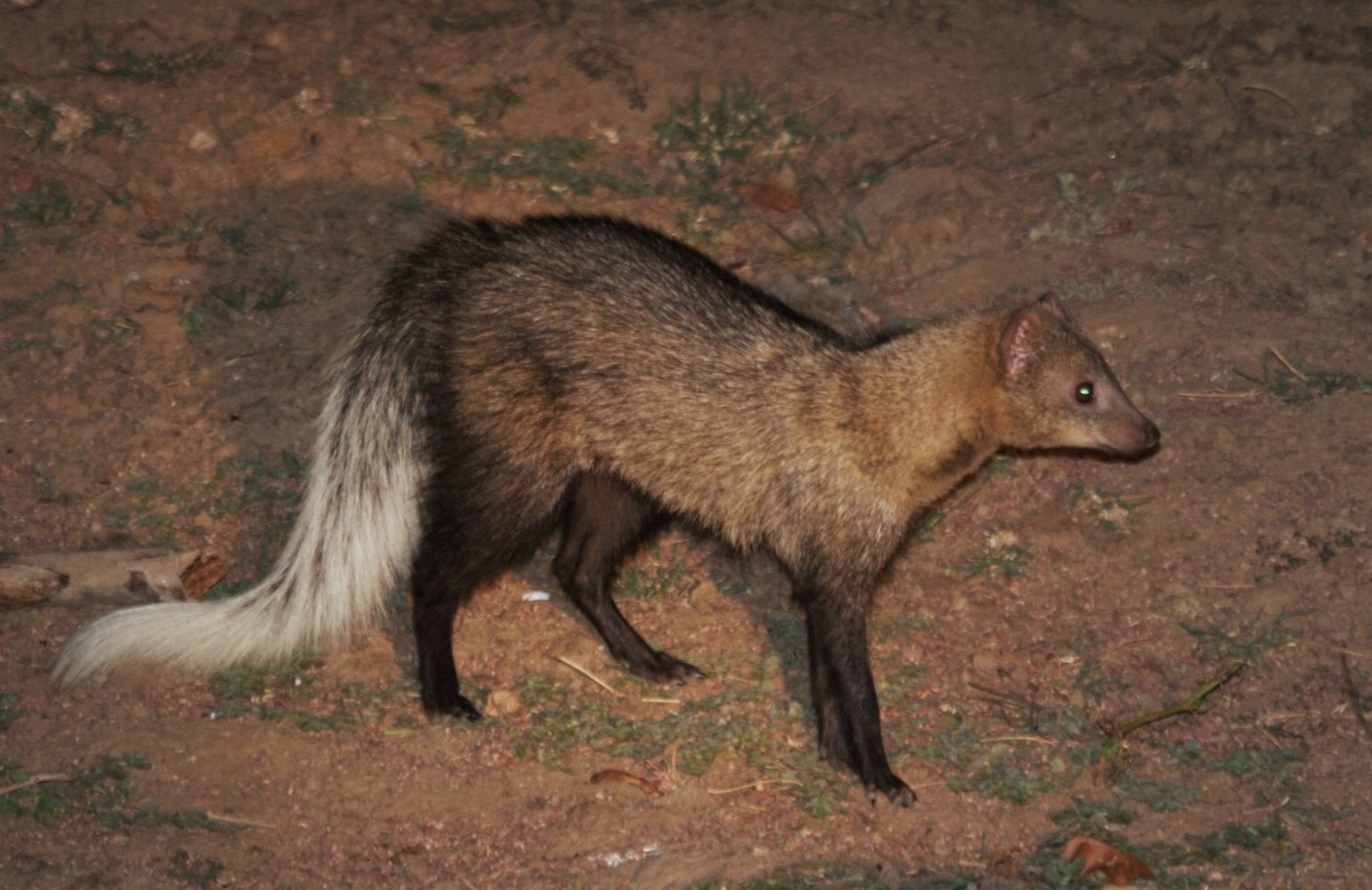
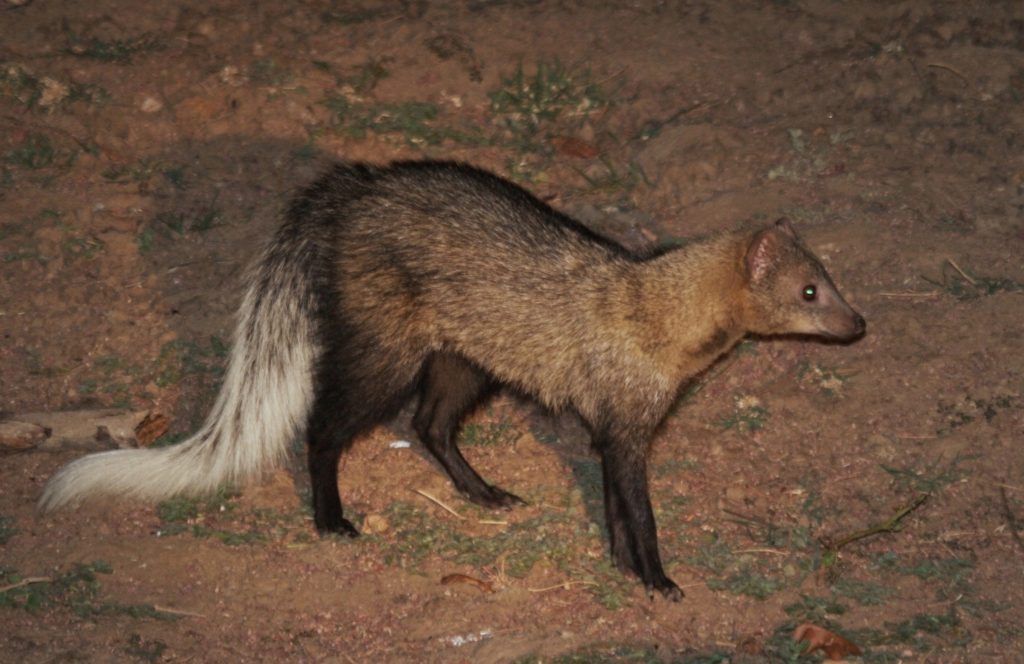
🦊 Ichneumia albicauda – White-tailed Mongoose

By
Alexandre Tano Kan Koffi
Last updated: September 13, 2026
4 Min Read
Share

A stealthy night prowler of the Tano’s forest edges, marked by its striking tail and solitary habits

Contents
🔍 Quick Facts🌍 Distribution and HabitatIn the Tano River Basin, it likely roams:🦊 Appearance🌿 Behavior and Diet🐣 Reproduction🧭 Ecological Importance⚠️ Threats🌊 Why It Matters for the Tano River

🔍 Quick Facts

  • Common Name: White-tailed Mongoose
  • Scientific Name: Ichneumia albicauda
  • Family: Herpestidae (mongoose family)
  • IUCN Status: Least Concern
  • Size: Body length ~60–70 cm; tail ~40 cm
  • Weight: 2.5–4.2 kg
  • Activity: Nocturnal
  • Habitat: Forest edges, savannas, riverine woodland, and farmlands

🌍 Distribution and Habitat

The White-tailed Mongoose is one of the most widespread mongoose species in Africa, including:

  • Côte d’Ivoire, Ghana, Nigeria, and across sub-Saharan Africa

In the Tano River Basin, it likely roams:

  • Along forest margins of the Tanoé-Ehy Swamp Forest
  • Near village edges and abandoned farms
  • Riverbanks and paths through dense undergrowth, hunting at night

It is elusive and rarely seen, but leaves distinctive tracks and white tail flashes at night.


🦊 Appearance

  • Fur: Grey to dark brown, coarse and thick
  • Tail: Long and bushy with a conspicuous white tip
  • Body: Slender and elongated with a pointed snout
  • Ears: Rounded; eyes shine orange-red in torchlight

The white tail is visible even in moonlight, used for signaling and confusion of predators.


🌿 Behavior and Diet

  • Solitary and territorial
  • Mostly active from dusk to dawn
  • Diet:
    • Insects (beetles, termites), rodents, frogs, reptiles, bird eggs
    • Also scavenges carrion and raids poultry in rural areas
  • Uses sharp claws and teeth to break into nests and burrows

Often follows forest trails or dry streambeds, silently foraging with nose to ground.


🐣 Reproduction

  • Breeds year-round in some regions
  • Gestation: ~60–70 days
  • Litter size: 2–3 pups
  • Young raised in burrows or hollow logs, remaining hidden for several weeks

Very little is known about its parenting behavior, due to its secretive nature.


🧭 Ecological Importance

The White-tailed Mongoose helps maintain balance by:

  • Controlling rodent and insect populations
  • Scavenging carcasses, keeping forest areas cleaner
  • Acting as prey for large owls, leopards, and pythons

Its movements help disperse nutrients and affect small prey dynamics.


⚠️ Threats

While adaptable, it faces pressures near the Tano River such as:

  • 🧱 Persecution, especially where it is blamed for poultry losses
  • 🏞 Habitat fragmentation from farming and mining
  • 🔥 Loss of cover, reducing hunting success and hiding places
  • 🚧 Road mortality in areas where forest tracks intersect villages

Still, it remains resilient in mixed landscapes.


🌊 Why It Matters for the Tano River

The White-tailed Mongoose is:

  • A symbol of ecological balance, living quietly on the edges of wild and human spaces
  • An important predator and scavenger, contributing to ecosystem cleanup
  • A sign of coexistence, surviving in both forest and farmland environments

Its glowing eyes and bright tail remind us that not all forest life sleeps when the sun goes down.


🔗 Have you seen glowing eyes near the river at night or found mysterious pawprints along trails? Share your stories at [TanoRiver.com/submit]


Sign Up For Daily Newsletter

Be keep up! Get the latest breaking news delivered straight to your inbox.
By signing up, you agree to our Terms of Use and acknowledge the data practices in our Privacy Policy. You may unsubscribe at any time.
Share This Article
Facebook Email Copy Link Print
ByAlexandre Tano Kan Koffi
Follow:

✍️ About the Author

Alexandre Tano Kan Koffi is the founder of TanoRiver.com and a passionate advocate for Africa’s environmental and cultural heritage. Named after the Tano River, he honors his legacy through storytelling and conservation.
📧 Contact: alex [@] alexandrekoffi.com

Leave a Comment Leave a Comment

Leave a Reply Cancel reply

Your email address will not be published. Required fields are marked *

Receive latest news from all areas of Wildlife Animals

Our selection of the week's biggest research news and features sent directly to your inbox. Enter your email address, confirm you're happy to receive our emails.

HOT NEWS

The Rivers, Lakes & Lagoons Collective

The rivers in Ghana

April 10, 2026

🪷 Cultural Significance of the Tano River

May 5, 2026

✨ Spiritual and Historical Importance of the Tano River

February 13, 2026

📖 Indigenous Stories and Oral Traditions of the Tano River

May 9, 2026

Follow US: 

About us

  • 🌍 The Project / Get Involved
  • ✉️ Contact us
  • 💛 Donate
  • 🤝 Partnerships / Collaborate

TanoRiver.com

  • Terms and Conditions
  • Privacy Policy
  • Cookie Policy

Cookies Notice

We use our own and third-party cookies to improve our services, personalise your advertising and remember your preferences.
Welcome Back!

Sign in to your account

Username or Email Address
Password

Lost your password?
