

The Tano River
  • Home
  • ๐ŸŒŠThe River
    • The Tano River
    • Cultural Significance
    • Spiritual and Historical Importance
    • Taakora โ€” The Deity of the Tano River
    • Comprehensive Analysis of the Tano River and Its Basin
  • ๐ŸŒฟEnvironment
    • Flora and Fauna
    • Environmental Challenges
    • Conservation Efforts
    • The Tano River Basin
    • The Galamsey Crisis
    • Animals of the Tano
    • Trees and Plants of the Tano
    • Parks and Forest
    • Lagoons
    • Tributaries of the Tano River
  • History
    • Stories and Oral Traditions
    • Historical Events
    • Ancient Trade and Conflicts
    • The Legend of Tano and Bia
    • Deities and Spirits
    • God Tano, Afua Krankra, and Asase Ya/Afua in Akan Mythology
  • ๐ŸŽ‰Culture
    • Ethnic Groups Along the Tano River
    • Fishing, Agriculture, and Rituals
    • Festivals and River Ceremonies
    • The Natural Border Between Ghana and Ivory Coast
  • ๐Ÿ›ถ Tourism
    • Natural Sites to Visit
    • Cultural Experiences
    • Local Guides & Eco-Tourism
    • Creating a Touristic Ecosystem
  • ๐ŸŒNews
  • Global Initiative
  • ๐ŸŒAbout
    • ๐Ÿ“–The Project / Get Involved
    • ๐Ÿงพ About me
    • โœ‰๏ธ Contact us
    • ๐Ÿค Partnerships / Collaborate
    • ๐Ÿ’› Donate
    • ๐ŸŒฟ A Tribute to My Father and Grandfather
    • ๐ŸงพAll Our articles
    • ๐ŸงพSearch Our Articles
    • ๐Ÿ“–Glossary of the Tano River Ecosystem
Donate
Font ResizerAa
The Tano RiverThe Tano River
Search

Popular Posts

The Rivers, Lakes & Lagoons Collective

The rivers in Ghana

About the River

๐Ÿชท Cultural Significance of the Tano River

About the River

โœจ Spiritual and Historical Importance of the Tano River

Welcome to Tanoriver.com

Join the Tano River Collective Project and be part of a growing movement dedicated to preserving the life, culture, and ecosystems of the Tano River. Together, we can make a lasting impact.
Join Us
Follow US
TanoRiver.com
The Tano River > All our Articles > Environment & Biodiversity > Species of the Tano River > Mammals > ๐Ÿพ Crossarchus obscurus โ€“ Common Kusimanse
Mammals

๐Ÿพ Crossarchus obscurus โ€“ Common Kusimanse

By
Alexandre Tano Kan Koffi
Last updated: July 31, 2026
3 Min Read
Share

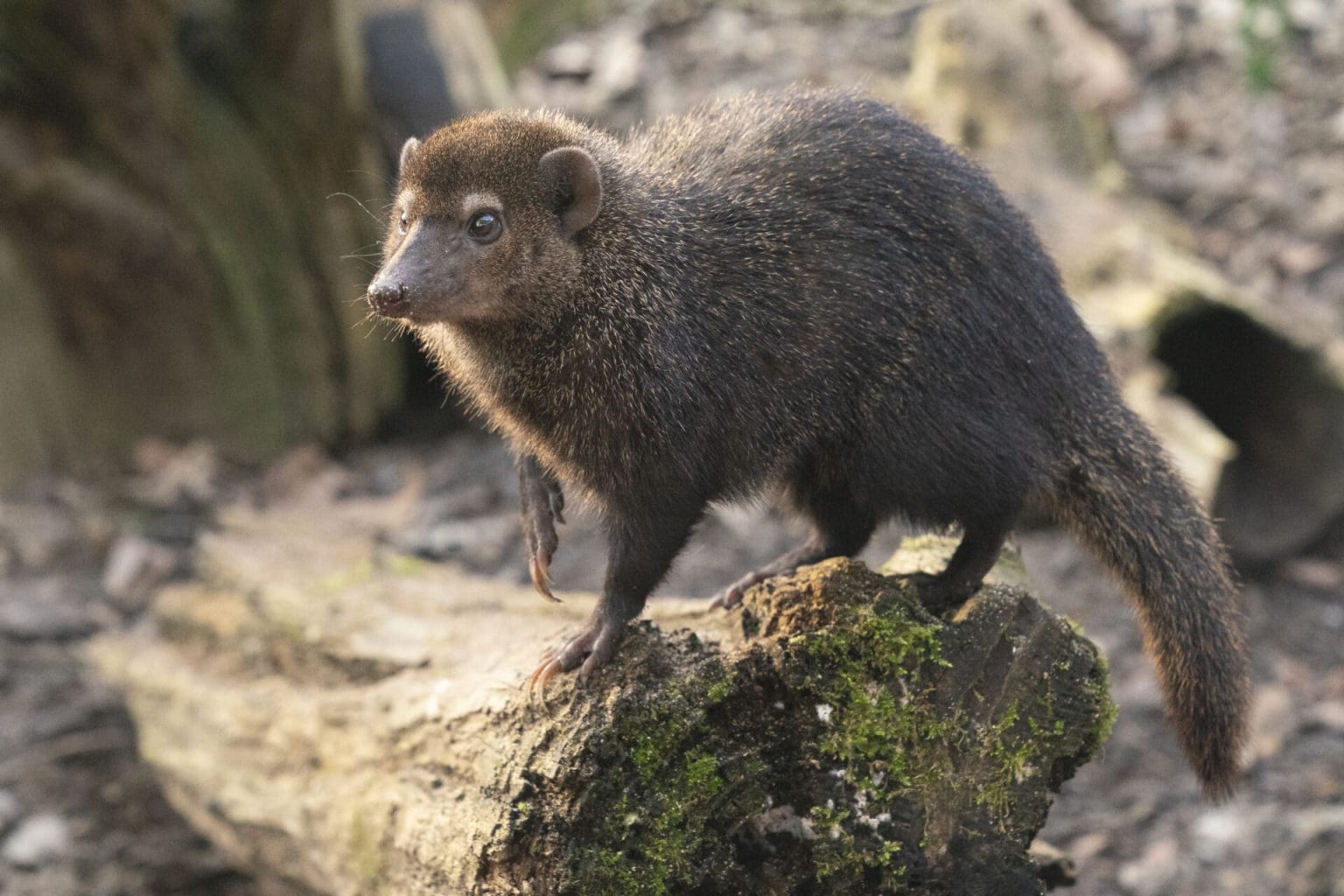
A bold and curious forager, darting through the leaf litter of the Tano forests in restless search of life

Contents
๐Ÿ” Quick Facts๐ŸŒ Distribution and HabitatIn the Tano River basin, it is:๐Ÿพ Appearance๐ŸŒฟ Behavior and Diet๐Ÿฃ Reproduction๐Ÿงญ Ecological Importanceโš ๏ธ Conservation Concerns๐ŸŒŠ Why It Matters for the Tano River

๐Ÿ” Quick Facts

  • Common Name: Common Kusimanse
  • Scientific Name: Crossarchus obscurus
  • Family: Herpestidae (mongoose family)
  • IUCN Status: Least Concern
  • Size: 33โ€“45 cm (body); 0.5โ€“1.4 kg
  • Tail: Short and bushy (~15โ€“25 cm)
  • Activity: Diurnal (day-active)
  • Habitat: Dense forests, swamps, riverbanks, and farmlands

๐ŸŒ Distribution and Habitat

The Common Kusimanse is native to West Africa, specifically:

  • Cรดte dโ€™Ivoire, Ghana, Sierra Leone, Liberia, and Guinea

In the Tano River basin, it is:

  • Frequently seen in the Tanoรฉ-Ehy Forest, near riverbanks, dense undergrowth, and even farm edges
  • Often leaves tunnel-like foraging paths through leaf litter
  • Very adaptable to secondary forests and even disturbed habitats

๐Ÿพ Appearance

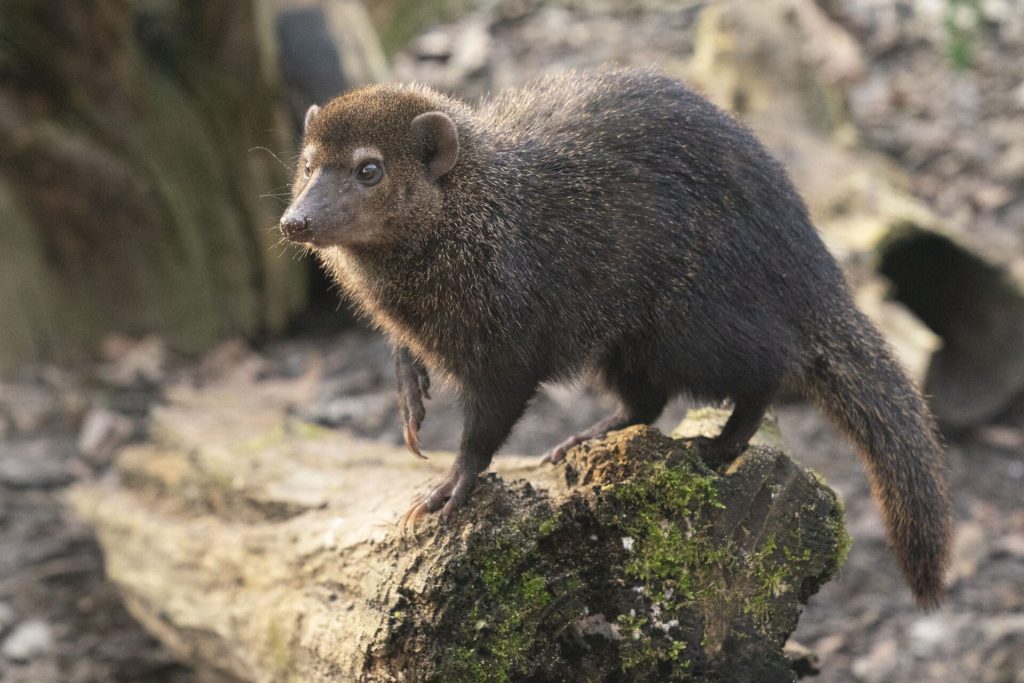
  • Fur: Coarse, dark brown to black
  • Face: Short, pointed snout with small round ears and bright eyes
  • Tail: Thick at base, tapering toward the end
  • Build: Compact and muscular, with short legs and long claws for digging

Often mistaken for rodents, kusimanses are true mongooses, known for intelligence and energy.


๐ŸŒฟ Behavior and Diet

  • Lives in social groups (up to 20 individuals)
  • Forages constantly, digging and sniffing for hidden food
  • Diet: Insectivorous and opportunistic
    • Insects, snails, worms
    • Small rodents, lizards, fruit, and carrion
  • Uses vocal calls, tail postures, and scent to communicate

They rarely sit still, and are often seen darting across trails or rooting through forest debris.


๐Ÿฃ Reproduction

  • Year-round breeders, especially during wet seasons
  • Litters of 2โ€“4 young
  • All group members help raise and protect the pups
  • Young begin foraging with the group within weeks

This cooperative behavior makes them highly resilient in the wild.


๐Ÿงญ Ecological Importance

The Common Kusimanse plays a vital ecological role:

  • Controls populations of invertebrates and small vertebrates
  • Recycles carrion, cleaning the forest floor
  • Loosens soil and promotes nutrient cycling through digging

As omnivorous generalists, they help balance the small-animal ecosystem.


โš ๏ธ Conservation Concerns

Though still common, kusimanses face threats from:

  • ๐Ÿงฑ Habitat fragmentation due to agriculture and illegal mining
  • ๐Ÿšท Human persecution, especially when raiding chicken coops or gardens
  • ๐Ÿงฌ Pet trade, where their tameness sometimes leads to capture
  • ๐Ÿž Loss of forest corridors, which limits group movement

๐ŸŒŠ Why It Matters for the Tano River

The Common Kusimanse is:

  • A forest sentinel, always present where cover and food are rich
  • A sign of healthy ground-layer biodiversity
  • A reminder that intelligence and curiosity live not just in apes โ€” but in the low, fast-moving shadows of the forest floor

Its footprints and snuffles mark a path of discovery and renewal, step by step.


๐Ÿ”— Have you seen small mammals dart across trails, or found holes dug in soft forest soil? Share your observations of kusimanses or similar species at [TanoRiver.com/submit]


Sign Up For Daily Newsletter

Be keep up! Get the latest breaking news delivered straight to your inbox.
By signing up, you agree to our Terms of Use and acknowledge the data practices in our Privacy Policy. You may unsubscribe at any time.
Share This Article
Facebook Email Copy Link Print
ByAlexandre Tano Kan Koffi
Follow:

โœ๏ธ About the Author

Alexandre Tano Kan Koffi is the founder of TanoRiver.com and a passionate advocate for Africaโ€™s environmental and cultural heritage. Named after the Tano River, he honors his legacy through storytelling and conservation.
๐Ÿ“ง Contact: alex [@] alexandrekoffi.com

Leave a Comment Leave a Comment

Leave a Reply Cancel reply

Your email address will not be published. Required fields are marked *

Receive latest news from all areas of Wildlife Animals

Our selection of the week's biggest research news and features sent directly to your inbox. Enter your email address, confirm you're happy to receive our emails.

HOT NEWS

The Rivers, Lakes & Lagoons Collective

The rivers in Ghana

April 10, 2026

๐Ÿชท Cultural Significance of the Tano River

May 5, 2026

โœจ Spiritual and Historical Importance of the Tano River

February 13, 2026

๐Ÿ“– Indigenous Stories and Oral Traditions of the Tano River

May 9, 2026

Follow US:ย 

About us

  • ๐ŸŒ The Project / Get Involved
  • โœ‰๏ธ Contact us
  • ๐Ÿ’› Donate
  • ๐Ÿค Partnerships / Collaborate

TanoRiver.com

  • Terms and Conditions
  • Privacy Policy
  • Cookie Policy

Cookies Notice

We use our own and third-party cookies to improve our services, personalise your advertising and remember your preferences.
Welcome Back!

Sign in to your account

Username or Email Address
Password

Lost your password?
