



I. Executive Summary
The Tano River Basin, a transboundary ecological system shared by Ghana and Côte d’Ivoire, represents a region of profound ecological and economic importance. Its diverse terrestrial and aquatic ecosystems, encompassing semi-deciduous and dry dense forests, extensive farmlands, and a complex network of rivers and lagoons, provide critical services such as water supply, food resources, and climate regulation, sustaining millions of people.
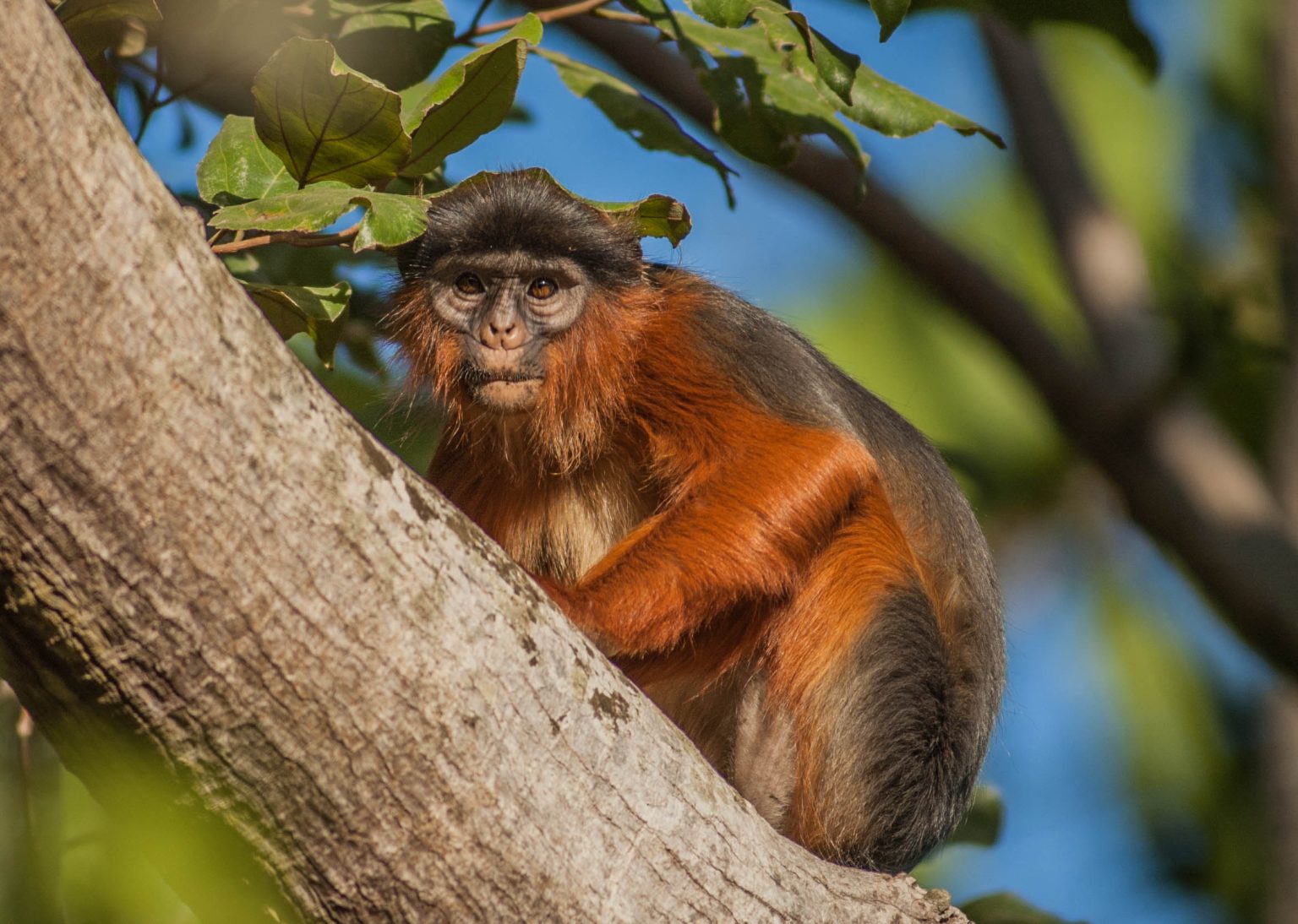
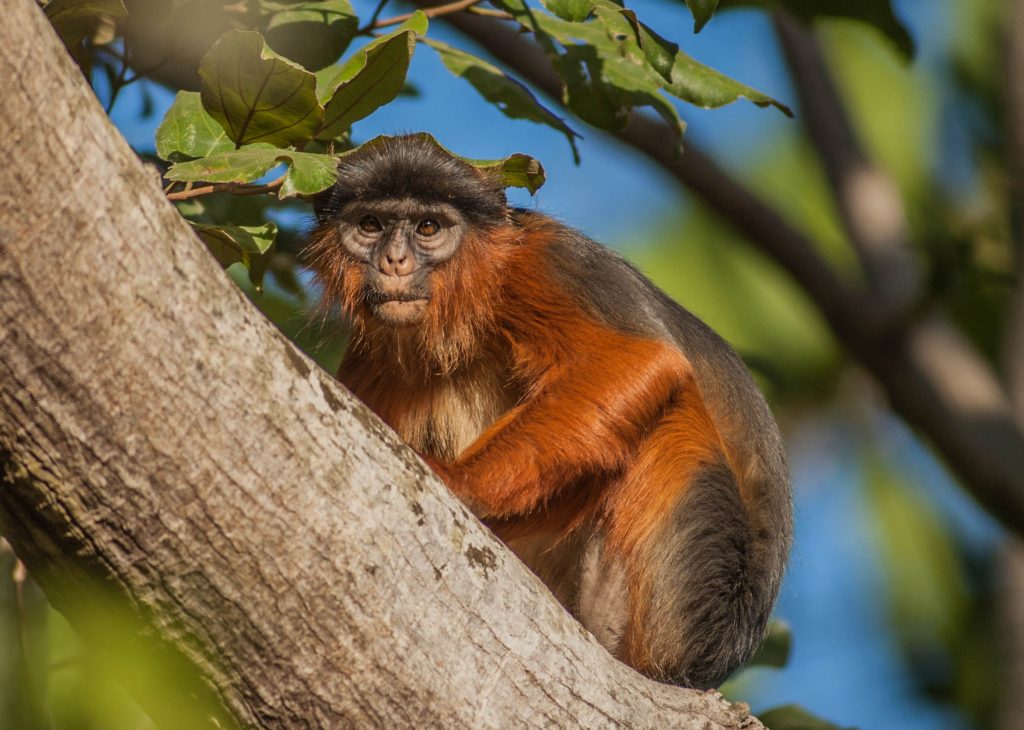
This assessment reveals a rich and varied animal biodiversity within the basin, characterized by a significant presence of mammals, birds, reptiles, amphibians, fish, and invertebrates. Notable faunal elements include a substantial population of African forest elephants. Critically endangered species, such as Miss Waldron’s Red Colobus and the West African slender-snouted crocodile, underscore the basin’s unique but imperiled biological heritage. Numerous other species are categorized as Endangered, Vulnerable, or Near Threatened across various taxonomic groups. The presence of endemic fish species further highlights the distinctive ecological value of the basin’s freshwater systems.
Despite its ecological richness, the Tano River Basin’s biodiversity faces escalating threats primarily driven by anthropogenic activities. Extensive logging, widespread cocoa farming (including within protected forest reserves), and pervasive illegal gold mining operations contribute significantly to deforestation, habitat degradation, and fragmentation. These activities also result in severe water pollution from plastic waste and heavy metal contamination, impacting aquatic life and posing health risks to human communities. The proliferation of invasive alien species, such as water hyacinth, further exacerbates ecological pressures on aquatic environments. Recognizing these challenges, conservation initiatives, particularly for species like the West African slender-snouted crocodile, involve crucial community engagement and habitat rehabilitation efforts. The findings herein emphasize the urgent need for integrated conservation strategies that address both ecological and socio-economic dimensions to safeguard the basin’s irreplaceable natural capital.
II. Introduction
Geographical and Ecological Profile of the Tano River Basin
The Tano River Basin, a vital component of West Africa’s natural landscape, is a transboundary hydrological system primarily situated within Ghana and extending into Côte d’Ivoire. It forms one of Ghana’s four principal southwestern river systems, alongside the Ankobra, Bia, and Pra basins. Geographically, the basin spans approximately 16,060 square kilometers, with the majority of its area lying within Ghana and a smaller portion (around 7.4% or 1,185 km²) extending into Côte d’Ivoire.
The basin’s topography is diverse, ranging from highlands in its upstream areas, with elevations reaching approximately 540 meters above sea level, to flatter southern regions that average between 0 and 15 meters above sea level. This varied elevation contributes to the basin’s rich array of ecosystems. The Tano River, the basin’s main watercourse, flows for approximately 400 kilometers, originating from the Boyem Mountain Ranges near Techiman in Ghana and ultimately discharging into the Ehy/Tano/Aby Lagoon complex, which straddles the international border. This extensive drainage network is further enhanced by nine major tributaries, creating an interconnected system crucial for local ecosystems, agriculture, and community livelihoods.
Terrestrial ecosystems within the Tano Basin are characterized by semi-deciduous dense forests, dry dense forests, clear forests, farmlands, and degraded lands. Several forest reserves, including Boin Tano, Tano Suraw, Tano Suhien, and Disue, have been established to protect critical river headwaters, underscoring the importance of these forested areas for water resource management. The region experiences a bi-modal rainfall pattern, with an average annual rainfall of about 1390 mm, and maintains a mean temperature of approximately 25.9°C and relative humidity between 75% and 85% throughout the year.
The health and integrity of the Tano River Basin’s terrestrial forest ecosystems are fundamental to maintaining the quality and biodiversity of its aquatic systems. Forests play a crucial role in regulating freshwater supply by supporting natural flow, filtration, and water quality. Consequently, human activities such as logging, extensive cocoa farming, and illegal gold mining, which lead to deforestation and land degradation, directly translate into compromised water quality and habitat loss in the aquatic environments. This direct causal relationship underscores that land-use practices upstream have profound implications for aquatic life downstream, necessitating an integrated approach to land and water management to ensure the basin’s ecological sustainability.
Importance of the Basin’s Ecosystems for Regional Biodiversity
The Tano River Basin is recognized as an ecologically and economically vital region, providing essential services such as water supply, biodiversity conservation, and climate regulation that support millions of people. Its rich biodiversity includes a significant population of African forest elephants, an iconic species whose presence highlights the basin’s importance for large mammal conservation.
Within the basin, specific protected areas serve as critical strongholds for wildlife. For instance, the Boin Tano Forest Reserve has been designated an Important Bird Area (IBA) by BirdLife International, signifying its role in supporting substantial populations of numerous bird species. The broader region, particularly the Upper Guinea zone where the Tano Basin is located, is known for its high concentration of endemic species, especially within its coastal drainages and the river basins of western Ghana and eastern Côte d’Ivoire. This concentration of unique species further emphasizes the Tano Basin’s irreplaceable value in regional and global biodiversity conservation.
Purpose and Scope of the Report
This report aims to provide a comprehensive and detailed inventory of animal species residing within the Tano River Basin. The primary objective is to compile an enriched and extensive list of animals, systematically categorized by their conservation status (critically endangered, endangered, vulnerable, near threatened), endemicity, and commonality. The report will cover major taxonomic classes including mammals, birds, reptiles, amphibians, fish, and invertebrates, drawing from available scientific literature and reports. By presenting this categorized data, the report seeks to inform conservation strategies, guide policy development, and establish a robust baseline for future ecological studies within this critical West African ecosystem.
III. Mammalian Fauna
Overview of Mammal Diversity in the Tano River Basin
The Tano River Basin supports a diverse mammalian fauna, ranging from large, charismatic species to a multitude of smaller bats, rodents, and primates. The presence of a significant population of African forest elephants attests to the basin’s capacity to sustain large terrestrial mammals. Detailed surveys, particularly within protected areas like the Boin Tano Forest Reserve, have documented a substantial number of mammalian species, providing valuable insights into the region’s biodiversity. These areas often function as critical biodiversity strongholds, serving as refugia for threatened species and providing essential baseline data for conservation management.
Table 1: Mammal Species List (Class: Mammalia)
This table provides a comprehensive list of mammalian species identified within or strongly associated with the Tano River Basin and its broader ecological context in Ghana and Côte d’Ivoire, categorized by their IUCN conservation status.
| Species (Common Name) | Class | Order | Family | Genus | IUCN Status | Notes | |
| Miss Waldron’s Red Colobus | Mammalia | Primates | Cercopithecidae | Piliocolobus | Critically Endangered (CR) | Possible remaining members in forest by Tano River and Ehy Lagoon. One of the world’s most threatened primates. | |
| Chimpanzee | Mammalia | Primates | Hominidae | Pan | Endangered (EN) | West African chimpanzee found in Ankasa Resource Reserve. | |
| Baer’s Hylomyscus | Mammalia | Rodentia | Muridae | Hylomyscus | Endangered (EN) | Found in Boin Tano Forest Reserve. | |
| Diana monkey | Mammalia | Primates | Cercopithecidae | Cercopithecus | Endangered (EN) | Endemic to Ankasa Resource Reserve. | |
| Red colobus | Mammalia | Primates | Cercopithecus | Procolobus | Endangered (EN) | Listed as Procolobus badius. | |
| African bush elephant | Mammalia | Proboscidea | Elephantidae | Loxodonta | Vulnerable (VU) | Significant population in Tano Basin. African forest elephants have seen population plummet. | |
| Ursine colobus | Mammalia | Primates | Colobinae | Colobus | Vulnerable (VU) | Found in Boin Tano Forest Reserve. | |
| Pied bat | Mammalia | Chiroptera | Vespertilionidae | Glauconycteris | Vulnerable (VU) | Listed as Glauconycteris superba. | |
| Yellow-backed duiker | Mammalia | Artiodactyla | Bovidae | Cephalophus | Vulnerable (VU) | Found in Boin Tano Forest Reserve and Kakum National Park. | |
| African golden cat | Mammalia | Carnivora | Felidae | Profelis | Near Threatened (NT) | Found in Boin Tano Forest Reserve. | |
| African white-bellied pangolin | Mammalia | Pholidota | Manidae | Manis | Near Threatened (NT) | Found in Boin Tano Forest Reserve. Pangolins also mentioned in Taï National Park, Côte d’Ivoire. | |
| Bongo | Mammalia | Artiodactyla | Bovidae | Tragelaphus | Near Threatened (NT) | Found in Boin Tano Forest Reserve. Also in Comoé National Park, Côte d’Ivoire and Ankasa Resource Reserve. | |
| Sooty mangabey | Mammalia | Primates | Cercocebus | Cercocebus | Near Threatened (NT) | Listed as Cercocebus atys. White-naped Sooty Mangabey mentioned in Ankasa Resource Reserve. | |
| Olive colobus | Mammalia | Primates | Procolobus | Procolobus | Near Threatened (NT) | Listed as Procolobus verus. Found in Comoé National Park, Côte d’Ivoire and Ankasa Resource Reserve. | |
| Schreber’s yellow bat | Mammalia | Chiroptera | Vespertilionidae | Scotophilus | Near Threatened (NT) | Listed as Scotophilus nigrita. | |
| African buffalo | Mammalia | Artiodactyla | Bovidae | Syncerus | Least Concern (LC) | Found in Boin Tano Forest Reserve. Also in Mole National Park and Comoé National Park, Côte d’Ivoire. | |
| African civet | Mammalia | Carnivora | Viverridae | Civettictis | Least Concern (LC) | Found in Boin Tano Forest Reserve. | |
| African clawless otter | Mammalia | Carnivora | Mustelidae | Aonyx | Least Concern (LC) | Found in Boin Tano Forest Reserve. | |
| African brush-tailed porcupine | Mammalia | Rodentia | Hystricidae | Atherurus | Least Concern (LC) | Listed as Atherurus africanus. Found in Boin Tano Forest Reserve. | |
| African giant squirrel | Mammalia | Rodentia | Sciuridae | Protoxerus | Least Concern (LC) | Found in Boin Tano Forest Reserve. Listed as | Protoxerus stangeri. |
| African palm civet | Mammalia | Carnivora | Nandiniidae | Nandinia | Least Concern (LC) | Found in Boin Tano Forest Reserve. | |
| African yellow bat | Mammalia | Chiroptera | Vespertilionidae | Scotophilus | Least Concern (LC) | Found in Boin Tano Forest Reserve. Listed as | Scotophilus dinganii and Scotophilus viridis. |
| Allen’s wood mouse | Mammalia | Rodentia | Muridae | Hylomyscus | Least Concern (LC) | Found in Boin Tano Forest Reserve. Listed as | Hylomyscus alleni. |
| Banana pipistrelle | Mammalia | Chiroptera | Vespertilionidae | Neoromicia | Least Concern (LC) | Found in Boin Tano Forest Reserve. | |
| Bate’s slit-faced bat | Mammalia | Chiroptera | Nycteridae | Nycteris | Least Concern (LC) | Found in Boin Tano Forest Reserve. | |
| Bay duiker | Mammalia | Artiodactyla | Bovidae | Cephalophus | Least Concern (LC) | Found in Boin Tano Forest Reserve. | |
| Beatrix’s bat | Mammalia | Chiroptera | Vespertilionidae | Glauconycteris | Least Concern (LC) | Found in Boin Tano Forest Reserve. Listed as | Glauconycteris beatrix (NT) and Glauconycteris variegata (LC). |
| Beecroft’s flying squirrel | Mammalia | Rodentia | Anomaluridae | Anomalurus | Least Concern (LC) | Found in Boin Tano Forest Reserve. | |
| Benito roundleaf bat | Mammalia | Chiroptera | Hipposideridae | Hipposideros | Least Concern (LC) | Found in Boin Tano Forest Reserve. | |
| Black duiker | Mammalia | Artiodactyla | Bovidae | Cephalophus | Least Concern (LC) | Found in Boin Tano Forest Reserve. | |
| Buettikofer’s epauletted fruit bat | Mammalia | Chiroptera | Pteropodidae | Epomops | Least Concern (LC) | Found in Boin Tano Forest Reserve. | |
| Bushbuck | Mammalia | Artiodactyla | Bovidae | Tragelaphus | Least Concern (LC) | Found in Boin Tano Forest Reserve. Also in Comoé National Park, Côte d’Ivoire. | |
| Campbell’s monkey | Mammalia | Primates | Cercopithecidae | Cercopithecus | Least Concern (LC) | Listed as Cercopithecus campbelli. Found in Boin Tano Forest Reserve. | |
| Cansdale’s swamp rat | Mammalia | Rodentia | Muridae | Malacomys | Least Concern (LC) | Found in Boin Tano Forest Reserve. Listed as | Malacomys cansdalei. |
| Climbing shrew | Mammalia | Soricomorpha | Soricidae | Suncus | Least Concern (LC) | Found in Boin Tano Forest Reserve. | |
| Common kusimanse | Mammalia | Carnivora | Herpestidae | Crossarchus | Least Concern (LC) | Found in Boin Tano Forest Reserve. | |
| Crab-eating mongoose | Mammalia | Carnivora | Herpestidae | Herpestes | Least Concern (LC) | Found in Boin Tano Forest Reserve. | |
| Crested porcupine | Mammalia | Rodentia | Hystricidae | Hystrix | Least Concern (LC) | Listed as Hystrix cristata. Found in Boin Tano Forest Reserve. | |
| Crosse’s shrew | Mammalia | Soricomorpha | Soricidae | Crocidura | Least Concern (LC) | Found in Boin Tano Forest Reserve. | |
| Cyclops roundleaf bat | Mammalia | Chiroptera | Hipposideridae | Hipposideros | Least Concern (LC) | Found in Boin Tano Forest Reserve. | |
| Defua rat | Mammalia | Rodentia | Muridae | Dephomys | Least Concern (LC) | Listed as Dephomys defua. Found in Boin Tano Forest Reserve. | |
| Demidoff’s Dwarf Galago | Mammalia | Primates | Galagidae | Galagoides | Least Concern (LC) | Found in Boin Tano Forest Reserve. | |
| Dwarf free-tailed bat | Mammalia | Chiroptera | Molossidae | Mops | Least Concern (LC) | Found in Boin Tano Forest Reserve. | |
| Dwarf slit-faced bat | Mammalia | Chiroptera | Nycteridae | Nycteris | Least Concern (LC) | Found in Boin Tano Forest Reserve. | |
| Edward’s swamp rat | Mammalia | Rodentia | Muridae | Malacomys | Least Concern (LC) | Listed as Malacomys edwardsi. Found in Boin Tano Forest Reserve. | |
| Egyptian mongoose | Mammalia | Carnivora | Herpestidae | Herpestes | Least Concern (LC) | Found in Boin Tano Forest Reserve. | |
| Fire-footed rope squirrel | Mammalia | Rodentia | Sciuridae | Funisciurus | Least Concern (LC) | Listed as Funisciurus pyrropus. Found in Boin Tano Forest Reserve. | |
| Forest hog | Mammalia | Artiodactyla | Suidae | Hylochoerus | Least Concern (LC) | Found in Boin Tano Forest Reserve. | |
| Franquet’s epauletted fruit bat | Mammalia | Chiroptera | Pteropodidae | Epomops | Least Concern (LC) | Found in Boin Tano Forest Reserve. | |
| Fraser’s musk shrew | Mammalia | Soricomorpha | Soricidae | Crocidura | Least Concern (LC) | Found in Boin Tano Forest Reserve. | |
| Gambian epauletted fruit bat | Mammalia | Chiroptera | Pteropodidae | Epomophorus | Least Concern (LC) | Found in Boin Tano Forest Reserve. | |
| Gambian mongoose | Mammalia | Carnivora | Herpestidae | Mungos | Least Concern (LC) | Found in Boin Tano Forest Reserve. | |
| Gambian slit-faced bat | Mammalia | Chiroptera | Nycteridae | Nycteris | Least Concern (LC) | Found in Boin Tano Forest Reserve. | |
| Ghana mole-rat | Mammalia | Rodentia | Bathyergidae | Fukomys | Least Concern (LC) | Listed as Fukomys zechi. | |
| Greater cane rat | Mammalia | Rodentia | Thryonomyidae | Thryonomys | Least Concern (LC) | Listed as Thryonomys swinderianus. | |
| Green bush squirrel | Mammalia | Rodentia | Paraxerus | Paraxerus | Least Concern (LC) | Listed as Paraxerus poensis. | |
| Green monkey | Mammalia | Primates | Cercopithecidae | Chlorocebus | Least Concern (LC) | Listed as Chlorocebus sabaeus. Also found in Comoé National Park, Côte d’Ivoire. | |
| Guinean gerbil | Mammalia | Rodentia | Gerbilliscus | Gerbilliscus | Least Concern (LC) | Listed as Gerbilliscus guineae. | |
| Guinean grass rat | Mammalia | Rodentia | Muridae | Arvicanthis | Least Concern (LC) | Listed as Arvicanthis rufinus. | |
| Hippopotamus | Mammalia | Artiodactyla | Hippopotamidae | Hippopotamus | Least Concern (LC) | Prominent inhabitants of waterways. Pygmy hippopotamus found in Ébrié Lagoon and Taï National Park, Côte d’Ivoire. | |
| Johan’s spiny mouse | Mammalia | Rodentia | Muridae | Acomys | Least Concern (LC) | Listed as Acomys johannis. | |
| Kemp’s gerbil | Mammalia | Rodentia | Gerbilliscus | Gerbilliscus | Least Concern (LC) | Listed as Gerbilliscus kempi. | |
| Lesser spot-nosed monkey | Mammalia | Primates | Cercopithecidae | Cercopithecus | Least Concern (LC) | Listed as Cercopithecus petaurista. Also found in Comoé National Park, Côte d’Ivoire. | |
| Mona monkey | Mammalia | Primates | Cercopithecidae | Cercopithecus | Least Concern (LC) | Listed as Cercopithecus mona. Also found in Comoé National Park, Côte d’Ivoire. | |
| Moloney’s mimic bat | Mammalia | Chiroptera | Vespertilionidae | Mimetillus | Least Concern (LC) | Listed as Mimetillus moloneyi. | |
| Natal multimammate mouse | Mammalia | Rodentia | Muridae | Mastomys | Least Concern (LC) | Listed as Mastomys natalensis. | |
| Nut-colored yellow bat | Mammalia | Chiroptera | Vespertilionidae | Scotophilus | Least Concern (LC) | Listed as Scotophilus nux. | |
| Olive baboon | Mammalia | Primates | Cercopithecidae | Papio | Least Concern (LC) | Listed as Papio anubis. Also found in Comoé National Park, Côte d’Ivoire. | |
| Patas monkey | Mammalia | Primates | Cercopithecidae | Erythrocebus | Least Concern (LC) | Listed as Erythrocebus patas. | |
| Peters’s mouse | Mammalia | Rodentia | Muridae | Mus | Least Concern (LC) | Listed as Mus setulosus. | |
| Red-legged sun squirrel | Mammalia | Rodentia | Sciuridae | Heliosciurus | Least Concern (LC) | Listed as Heliosciurus rufobrachium. | |
| Rusty-bellied brush-furred rat | Mammalia | Rodentia | Muridae | Lophuromys | Least Concern (LC) | Listed as Lophuromys sikapusi. | |
| Schlieffen’s bat | Mammalia | Chiroptera | Vespertilionidae | Nycticeinops | Least Concern (LC) | Listed as Nycticeinops schlieffeni. | |
| Slender-tailed squirrel | Mammalia | Rodentia | Sciuridae | Protoxerus | Least Concern (LC) | Listed as Protoxerus aubinnii. | |
| Tantalus monkey | Mammalia | Primates | Cercopithecidae | Chlorocebus | Least Concern (LC) | Listed as Chlorocebus tantalus. | |
| Typical striped grass mouse | Mammalia | Rodentia | Muridae | Lemniscomys | Least Concern (LC) | Listed as Lemniscomys striatus. | |
| West African shaggy rat | Mammalia | Rodentia | Muridae | Dasymys | Least Concern (LC) | Listed as Dasymys rufulus. | |
| Western palm squirrel | Mammalia | Rodentia | Sciuridae | Epixerus | Data Deficient (DD) | Listed as Epixerus ebii. | |
| Ghana rufous-nosed rat | Mammalia | Rodentia | Muridae | Oenomys | Data Deficient (DD) | Listed as Oenomys ornatus. | |
| Red-cheeked rope squirrel | Mammalia | Rodentia | Sciuridae | Funisciurus | Data Deficient (DD) | Listed as Funisciurus leucogenys. | |
| Kintampo rope squirrel | Mammalia | Rodentia | Sciuridae | Funisciurus | Data Deficient (DD) | Listed as Funisciurus substriatus. | |
| Small sun squirrel | Mammalia | Rodentia | Sciuridae | Heliosciurus | Data Deficient (DD) | Listed as Heliosciurus punctatus. | |
| Mouselike pipistrelle | Mammalia | Chiroptera | Vespertilionidae | Hypsugo | Data Deficient (DD) | Listed as Hypsugo musciculus. | |
| Killer whale | Mammalia | Cetacea | Delphinidae | Orcinus | Data Deficient (DD) | Marine species, likely not Tano River Basin specific. | |
| Pygmy killer whale | Mammalia | Cetacea | Delphinidae | Feresa | Data Deficient (DD) | Marine species, likely not Tano River Basin specific. | |
| False killer whale | Mammalia | Cetacea | Delphinidae | Pseudorca | Data Deficient (DD) | Marine species, likely not Tano River Basin specific. | |
| Short-beaked common dolphin | Mammalia | Cetacea | Delphinidae | Delphinus | Data Deficient (DD) | Marine species, likely not Tano River Basin specific. | |
| Long-beaked common dolphin | Mammalia | Cetacea | Delphinidae | Delphinus | Data Deficient (DD) | Marine species, likely not Tano River Basin specific. | |
| Atlantic humpback dolphin | Mammalia | Cetacea | Delphinidae | Sousa | Data Deficient (DD) | Marine species, likely not Tano River Basin specific. | |
| Fraser’s dolphin | Mammalia | Cetacea | Delphinidae | Lagenodelphis | Data Deficient (DD) | Marine species, likely not Tano River Basin specific. | |
| Pantropical spotted dolphin | Mammalia | Cetacea | Delphinidae | Stenella | Data Deficient (DD) | Marine species, likely not Tano River Basin specific. | |
| Clymene dolphin | Mammalia | Cetacea | Delphinidae | Stenella | Data Deficient (DD) | Marine species, likely not Tano River Basin specific. | |
| Striped dolphin | Mammalia | Cetacea | Delphinidae | Stenella | Data Deficient (DD) | Marine species, likely not Tano River Basin specific. | |
| Atlantic spotted dolphin | Mammalia | Cetacea | Delphinidae | Stenella | Data Deficient (DD) | Marine species, likely not Tano River Basin specific. | |
| Spinner dolphin | Mammalia | Cetacea | Delphinidae | Stenella | Data Deficient (DD) | Marine species, likely not Tano River Basin specific. | |
| Rough-toothed dolphin | Mammalia | Cetacea | Delphinidae | Steno | Data Deficient (DD) | Marine species, likely not Tano River Basin specific. | |
| Common bottlenose dolphin | Mammalia | Cetacea | Delphinidae | Tursiops | Least Concern (LC) | Marine species, likely not Tano River Basin specific. | |
| Short-finned pilot whale | Mammalia | Cetacea | Delphinidae | Globicephala | Data Deficient (DD) | Marine species, likely not Tano River Basin specific. | |
| Risso’s dolphin | Mammalia | Cetacea | Delphinidae | Grampus | Data Deficient (DD) | Marine species, likely not Tano River Basin specific. | |
| Melon-headed whale | Mammalia | Cetacea | Delphinidae | Peponocephala | Data Deficient (DD) | Marine species, likely not Tano River Basin specific. |
IV. Avian Fauna (Birds)
Overview of Bird Diversity in the Tano River Basin
The Tano River Basin and its surrounding forest ecosystems in Ghana represent a significant habitat for a rich diversity of avian species. Ghana as a whole is home to 666 bird species. Within the basin’s immediate vicinity, areas such as the Boin Tano Forest Reserve have been designated as Important Bird Areas, highlighting their importance for avian conservation. The Ankasa Resource Reserve, which is part of the broader Tano Basin ecological zone, records over 263 bird species, including rare and migratory birds, further emphasizing the region’s avian richness. The riverbanks themselves provide a haven for many diverse bird species, attracting birdwatchers and wildlife enthusiasts.
Table 2: Bird Species List (Class: Aves)
This table presents a comprehensive list of bird species found within or associated with the Tano River Basin and its broader ecological context in Ghana, categorized by their IUCN conservation status.
| Species (Common Name) | Order | Family | IUCN Status | Notes | |
| Grey Parrot | Psittaciformes | Psittacidae | Endangered (EN) | Listed as Psittacus erithacus. Found in Sui Forest and Kakum National Park. | |
| White-breasted Guineafowl | Galliformes | Numididae | Vulnerable (VU) | Listed as Agelastes meleagrides. Found in Boin Tano Forest Reserve and Ankasa Resource Reserve. | |
| Common Pochard | Anseriformes | Anatidae | Vulnerable (VU) | Listed as Aythya ferina. | |
| European Turtle-Dove | Columbiformes | Columbidae | Vulnerable (VU) | Listed as Streptopelia turtur. | |
| Yellow Weaver Bird | Passeriformes | Ploceidae | Vulnerable (VU) | Listed as Ploceous megarhrynchus. Only vulnerable species in a study of Tano-Offin Forest Reserve. | |
| Ferruginous Duck | Anseriformes | Anatidae | Near Threatened (NT) | Listed as Aythya nyroca. | |
| Denham’s Bustard | Otidiformes | Otididae | Near Threatened (NT) | Listed as Neotis denhami. | |
| Red-necked Nightjar | Caprimulgiformes | Caprimulgidae | Near Threatened (NT) | Listed as Caprimulgus ruficollis. | |
| Rufous-winged Illadopsis | Passeriformes | Pellorneidae | Near Threatened (NT) | Listed as Illadopsis rufescens. Upper Guinea endemic. | |
| Copper-tailed Starling | Passeriformes | Sturnidae | Near Threatened (NT) | Listed as Hylopsar cupreocauda. Upper Guinea endemic. | |
| Crowned Eagle | Accipitriformes | Accipitridae | Near Threatened (NT) | Listed as Stephanoaetus coronatus. | |
| African Fish Eagle | Accipitriformes | Accipitridae | Least Concern (LC) | Precision predators over Tsavo’s waters. | |
| African Pygmy-Goose | Anseriformes | Anatidae | Least Concern (LC) | Listed as Nettapus auritus. | |
| African Green-Pigeon | Columbiformes | Columbidae | Least Concern (LC) | Listed as Treron calvus. | |
| African Emerald Cuckoo | Cuculiformes | Cuculidae | Least Concern (LC) | Listed as Chrysococcyx cupreus. | |
| African Cuckoo | Cuculiformes | Cuculidae | Least Concern (LC) | Listed as Cuculus gularis. | |
| African Dwarf Kingfisher | Coraciiformes | Alcedinidae | Least Concern (LC) | Listed as Ispidina lecontei. | |
| African Paradise Flycatcher | Passeriformes | Monarchidae | Least Concern (LC) | . | |
| African Pied Hornbill | Bucerotiformes | Bucerotidae | Least Concern (LC) | Listed as Lophoceros fasciatus. | |
| African Reed Warbler | Passeriformes | Acrocephalidae | Least Concern (LC) | . | |
| Ahanta Spurfowl | Galliformes | Phasianidae | Least Concern (LC) | Listed as Pternistis ahantensis. | |
| Akun Eagle-Owl | Strigiformes | Strigidae | Least Concern (LC) | . | |
| Afep Pigeon | Columbiformes | Columbidae | Least Concern (LC) | Listed as Columba unicincta. | |
| Bates’s Swift | Apodiformes | Apodidae | Least Concern (LC) | Listed as Apus batesi. | |
| Black Bee-eater | Coraciiformes | Meropidae | Least Concern (LC) | Listed as Merops gularis. | |
| Black Coucal | Cuculiformes | Cuculidae | Least Concern (LC) | Listed as Centropus grillii. | |
| Black Spinetail | Apodiformes | Apodidae | Least Concern (LC) | . | |
| Black-bellied Bustard | Otidiformes | Otididae | Least Concern (LC) | Listed as Lissotis melanogaster. | |
| Black-bellied Seedcracker | Passeriformes | Estrildidae | Least Concern (LC) | . | |
| Black-billed Wood-Dove | Columbiformes | Columbidae | Least Concern (LC) | Listed as Turtur abyssinicus. | |
| Black-capped Apalis | Passeriformes | Cisticolidae | Least Concern (LC) | Listed as Apalis pulchra. | |
| Black-casqued Hornbill | Bucerotiformes | Bucerotidae | Least Concern (LC) | . | |
| Black-collared Lovebird | Psittaciformes | Psittaculidae | Least Concern (LC) | . | |
| Black-crowned Capuchin Babbler | Passeriformes | Leiothrichidae | Least Concern (LC) | . | |
| Black-headed Bee-eater | Coraciiformes | Meropidae | Least Concern (LC) | . | |
| Black-headed Rufous Warbler | Passeriformes | Cisticolidae | Least Concern (LC) | Upper Guinea endemic. | |
| Black-throated Coucal | Cuculiformes | Cuculidae | Least Concern (LC) | Listed as Centropus leucogaster. | |
| Black-winged Oriole | Passeriformes | Oriolidae | Least Concern (LC) | Listed as Oriolus nigripennis. | |
| Blue Cuckooshrike | Passeriformes | Campephagidae | Least Concern (LC) | . | |
| Blue Malkoha | Cuculiformes | Cuculidae | Least Concern (LC) | Listed as Ceuthmochares aereus. | |
| Blue Quail | Galliformes | Phasianidae | Least Concern (LC) | Listed as Synoicus adansonii. | |
| Blue-headed Crested Flycatcher | Passeriformes | Monarchidae | Least Concern (LC) | Listed as Trochocercus nitens. | |
| Blue-headed Wood Dove | Columbiformes | Columbidae | Least Concern (LC) | Listed as Turtur brehmeri. | |
| Blue-moustached Bee-eater | Coraciiformes | Meropidae | Least Concern (LC) | . | |
| Bronze-naped Pigeon | Columbiformes | Columbidae | Least Concern (LC) | Listed as Columba iriditorques. | |
| Brown Nightjar | Caprimulgiformes | Caprimulgidae | Least Concern (LC) | Listed as Veles binotatus. | |
| Brown-cheeked Hornbill | Bucerotiformes | Bucerotidae | Least Concern (LC) | Upper Guinea endemic. | |
| Brown-necked Parrot | Psittaciformes | Psittacidae | Least Concern (LC) | . | |
| Buff-spotted Flufftail | Gruiformes | Sarothruridae | Least Concern (LC) | Listed as Sarothrura elegans. | |
| Buff-throated Sunbird | Passeriformes | Nectariniidae | Least Concern (LC) | Listed as Chalcomitra adelberti. | |
| Cassin’s Flycatcher | Passeriformes | Muscicapidae | Least Concern (LC) | Listed as Muscicapa cassini. | |
| Cassin’s Honeybird | Piciformes | Indicatoridae | Least Concern (LC) | . | |
| Cattle Egret | Pelecaniformes | Ardeidae | Least Concern (LC) | Most abundant in a bird survey of Tano-Offin Forest Reserve. | |
| Chestnut-and-black Weaver | Passeriformes | Ploceidae | Least Concern (LC) | . | |
| Chestnut-bellied Sandgrouse | Pterocliformes | Pteroclidae | Least Concern (LC) | Listed as Pterocles exustus. | |
| Chestnut-capped Flycatcher | Passeriformes | Stenostiridae | Least Concern (LC) | Listed as Erythrocercus mccallii. | |
| Chestnut-winged Starling | Passeriformes | Sturnidae | Least Concern (LC) | . | |
| Chocolate-backed Kingfisher | Coraciiformes | Alcedinidae | Least Concern (LC) | Listed as Halcyon badia. | |
| Coqui Francolin | Galliformes | Phasianidae | Least Concern (LC) | Listed as Campocolinus coqui. | |
| Collared Sunbird | Passeriformes | Nectariniidae | Least Concern (LC) | . | |
| Collared Pratincole | Charadriiformes | Glareolidae | Least Concern (LC) | Listed as Glareola pratincola. | |
| Common Cuckoo | Cuculiformes | Cuculidae | Least Concern (LC) | Listed as Cuculus canorus. | |
| Common Quail | Galliformes | Phasianidae | Least Concern (LC) | Listed as Coturnix coturnix. | |
| Congo Serpent Eagle | Accipitriformes | Accipitridae | Least Concern (LC) | . | |
| Crested Guineafowl | Galliformes | Numididae | Least Concern (LC) | Listed as Guttera pucherani. Western Crested Guineafowl ( | Guttera verreauxi). |
| Crested Malimbe | Passeriformes | Ploceidae | Least Concern (LC) | Listed as Malimbus malimbicus. | |
| Cuckoo-finch | Passeriformes | Viduidae | Least Concern (LC) | . | |
| Dideric Cuckoo | Cuculiformes | Cuculidae | Least Concern (LC) | Listed as Chrysococcyx caprius. | |
| Dusky Crested Flycatcher | Passeriformes | Monarchidae | Least Concern (LC) | . | |
| Dusky Long-tailed Cuckoo | Cuculiformes | Cuculidae | Least Concern (LC) | Listed as Cercococcyx mechowi. | |
| Dusky-blue Flycatcher | Passeriformes | Muscicapidae | Least Concern (LC) | Listed as Bradornis comitatus. | |
| Egyptian Goose | Anseriformes | Anatidae | Least Concern (LC) | Listed as Alopochen aegyptiacus. | |
| Egrets | Pelecaniformes | Ardeidae | Least Concern (LC) | General group. | |
| Eurasian Wigeon | Anseriformes | Anatidae | Least Concern (LC) | Listed as Mareca penelope. | |
| European Honey-buzzard | Accipitriformes | Accipitridae | Least Concern (LC) | Listed as Pernis apivorus. | |
| Fanti Drongo | Passeriformes | Dicruridae | Least Concern (LC) | . | |
| Fanti Saw-wing | Passeriformes | Hirundinidae | Least Concern (LC) | Listed as Psalidoprocne obscura. | |
| Fiery-breasted Bushshrike | Passeriformes | Malaconotidae | Least Concern (LC) | . | |
| Fiery-necked Nightjar | Caprimulgiformes | Caprimulgidae | Least Concern (LC) | Listed as Caprimulgus pectoralis. | |
| Finsch’s Rufous Thrush | Passeriformes | Turdidae | Least Concern (LC) | . | |
| Forest Robin | Passeriformes | Muscicapidae | Least Concern (LC) | . | |
| Forest Scrub-Robin | Passeriformes | Muscicapidae | Least Concern (LC) | Listed as Cercotrichas leucosticta. | |
| Forest Wood Hoopoe | Bucerotiformes | Phoeniculidae | Least Concern (LC) | Listed as Phoeniculus castaneiceps. | |
| Four-banded Sandgrouse | Pterocliformes | Pteroclidae | Least Concern (LC) | Listed as Pterocles quadricinctus. | |
| Fraser’s Sunbird | Passeriformes | Nectariniidae | Least Concern (LC) | Listed as Deleornis fraseri. | |
| Fraser’s Forest Flycatcher | Passeriformes | Muscicapidae | Least Concern (LC) | Listed as Fraseria ocreata. | |
| Fulvous Whistling-Duck | Anseriformes | Anatidae | Least Concern (LC) | Listed as Dendrocygna bicolor. | |
| Garganey | Anseriformes | Anatidae | Least Concern (LC) | Listed as Spatula querquedula. | |
| Golden Greenbul | Passeriformes | Pycnonotidae | Least Concern (LC) | . | |
| Great Blue Turaco | Musophagiformes | Musophagidae | Least Concern (LC) | Listed as Corythaeola cristata. | |
| Great Spotted Cuckoo | Cuculiformes | Cuculidae | Least Concern (LC) | Listed as Clamator glandarius. | |
| Green Hylia | Passeriformes | Hyliidae | Least Concern (LC) | Listed as Hylia prasina. Most abundant in Tano Offin Forest Reserve. | |
| Green-headed Sunbird | Passeriformes | Nectariniidae | Least Concern (LC) | . | |
| Green-crested Touraco | Musophagiformes | Musophagidae | Least Concern (LC) | Most abundant in Tano Offin Forest Reserve. | |
| Grey Hornbill | Bucerotiformes | Bucerotidae | Least Concern (LC) | . | |
| Grey-headed Bristlebill | Passeriformes | Pycnonotidae | Least Concern (LC) | . | |
| Grey-throated Rail | Gruiformes | Sarothruridae | Least Concern (LC) | Listed as Canirallus oculeus. | |
| Grey-throated Tit-Flycatcher | Passeriformes | Muscicapidae | Least Concern (LC) | Listed as Myioparus griseigularis. | |
| Guinea Turaco | Musophagiformes | Musophagidae | Least Concern (LC) | Listed as Tauraco persa. | |
| Hairy-breasted Barbet | Piciformes | Lybiidae | Least Concern (LC) | . | |
| Harlequin Quail | Galliformes | Phasianidae | Least Concern (LC) | Listed as Coturnix delegorguei. | |
| Hartlaub’s Duck | Anseriformes | Anatidae | Least Concern (LC) | Listed as Pteronetta hartlaubii. | |
| Helmeted Guineafowl | Galliformes | Numididae | Least Concern (LC) | Listed as Numida meleagris. | |
| Icterine Greenbul | Passeriformes | Pycnonotidae | Least Concern (LC) | Listed as Phyllastrephus icterinus. | |
| Jambandu Indigobird | Passeriformes | Viduidae | Least Concern (LC) | . | |
| Johanna’s Sunbird | Passeriformes | Nectariniidae | Least Concern (LC) | . | |
| Kemp’s Longbill | Passeriformes | Macrosphenidae | Least Concern (LC) | . | |
| Klaas’s Cuckoo | Cuculiformes | Cuculidae | Least Concern (LC) | Listed as Chrysococcyx klaas. | |
| Knob-billed Duck | Anseriformes | Anatidae | Least Concern (LC) | Listed as Sarkidiornis melanotos. | |
| Latham’s Francolin | Galliformes | Phasianidae | Least Concern (LC) | Listed as Peliperdix lathami. | |
| Laughing Dove | Columbiformes | Columbidae | Least Concern (LC) | Listed as Spilopelia senegalensis. | |
| Levaillant’s Cuckoo | Cuculiformes | Cuculidae | Least Concern (LC) | Listed as Clamator levaillantii. | |
| Little Green Woodpecker | Piciformes | Picidae | Least Concern (LC) | . | |
| Little Grey Flycatcher | Passeriformes | Muscicapidae | Least Concern (LC) | Listed as Muscicapa epulata. | |
| Little Grey Greenbul | Passeriformes | Pycnonotidae | Least Concern (LC) | Listed as Eurillas gracilis. | |
| Long-tailed Hawk | Accipitriformes | Accipitridae | Least Concern (LC) | Listed as Urotriorchis macrourus. | |
| Long-tailed Nightjar | Caprimulgiformes | Caprimulgidae | Least Concern (LC) | Listed as Caprimulgus climacurus. | |
| Maxwell’s Black Weaver | Passeriformes | Ploceidae | Least Concern (LC) | Listed as Ploceus albinucha. | |
| Melancholy Woodpecker | Piciformes | Picidae | Least Concern (LC) | . | |
| Mourning Collared-Dove | Columbiformes | Columbidae | Least Concern (LC) | Listed as Streptopelia decipiens. | |
| Namaqua Dove | Columbiformes | Columbidae | Least Concern (LC) | Listed as Oena capensis. | |
| Narrow-tailed Starling | Passeriformes | Sturnidae | Least Concern (LC) | . | |
| Nkulengu Rail | Gruiformes | Sarothruridae | Least Concern (LC) | Listed as Himantornis haematopus. | |
| Northern Pintail | Anseriformes | Anatidae | Least Concern (LC) | Listed as Anas acuta. | |
| Northern Shoveler | Anseriformes | Anatidae | Least Concern (LC) | Listed as Spatula clypeata. | |
| Olive Long-tailed Cuckoo | Cuculiformes | Cuculidae | Least Concern (LC) | Listed as Cercococcyx olivinus. | |
| Olive-bellied Sunbird | Passeriformes | Nectariniidae | Least Concern (LC) | . | |
| Olive-green Camaroptera | Passeriformes | Cisticolidae | Least Concern (LC) | Listed as Camaroptera chloronota. | |
| Olivaceous Flycatcher | Passeriformes | Muscicapidae | Least Concern (LC) | Listed as Muscicapa olivascens. | |
| Orange-breasted Waxbill | Passeriformes | Estrildidae | Least Concern (LC) | . | |
| Pale-breasted Illadopsis | Passeriformes | Pellorneidae | Least Concern (LC) | Listed as Illadopsis rufipennis. | |
| Pied Cuckoo | Cuculiformes | Cuculidae | Least Concern (LC) | Listed as Clamator jacobinus. | |
| Plain Greenbul | Passeriformes | Pycnonotidae | Least Concern (LC) | Listed as Eurillas curvirostris. | |
| Plain Nightjar | Caprimulgiformes | Caprimulgidae | Least Concern (LC) | Listed as Caprimulgus inornatus. | |
| Plain-backed Pipit | Passeriformes | Motacillidae | Least Concern (LC) | . | |
| Preuss’s Weaver | Passeriformes | Ploceidae | Least Concern (LC) | Listed as Ploceus preussi. | |
| Quailfinch Indigobird | Passeriformes | Viduidae | Least Concern (LC) | . | |
| Red-billed Helmetshrike | Passeriformes | Malaconotidae | Least Concern (LC) | Listed as Prionops caniceps. | |
| Red-chested Cuckoo | Cuculiformes | Cuculidae | Least Concern (LC) | Listed as Cuculus solitarius. | |
| Red-chested Owlet | Strigiformes | Strigidae | Least Concern (LC) | Listed as Glaucidium tephronotum. | |
| Red-eyed Dove | Columbiformes | Columbidae | Least Concern (LC) | Listed as Streptopelia semitorquata. | |
| Red-fronted Parrot | Psittaciformes | Psittacidae | Least Concern (LC) | Listed as Poicephalus gulielmi. | |
| Red-tailed Bristlebill | Passeriformes | Pycnonotidae | Least Concern (LC) | Listed as Criniger calurus. | |
| Red-thighed Sparrowhawk | Accipitriformes | Accipitridae | Least Concern (LC) | Listed as Accipiter erythropus. | |
| Red-vented Malimbe | Passeriformes | Ploceidae | Least Concern (LC) | Listed as Malimbus scutatus. | |
| Reichenbach’s Sunbird | Passeriformes | Nectariniidae | Least Concern (LC) | Listed as Anabathmis reichenbachii. | |
| Rock Pigeon | Columbiformes | Columbidae | Least Concern (LC) | Listed as Columba livia. | |
| Rock Pratincole | Charadriiformes | Glareolidae | Least Concern (LC) | Listed as Glareola nuchalis. | |
| Rufous-crowned Eremomela | Passeriformes | Cisticolidae | Least Concern (LC) | Listed as Eremomela badiceps. | |
| Sabine’s Puffback | Passeriformes | Malaconotidae | Least Concern (LC) | Listed as Dryoscopus sabini. | |
| Sabine’s Spinetail | Apodiformes | Apodidae | Least Concern (LC) | Listed as Rhaphidura sabini. | |
| Sandy Scops Owl | Strigiformes | Strigidae | Least Concern (LC) | . | |
| Senegal Coucal | Cuculiformes | Cuculidae | Least Concern (LC) | Listed as Centropus senegalensis. | |
| Sharpe’s Apalis | Passeriformes | Cisticolidae | Least Concern (LC) | Listed as Apalis sharpii. Upper Guinea endemic. | |
| Shining-blue Kingfisher | Coraciiformes | Alcedinidae | Least Concern (LC) | Listed as Alcedo quadribrachys. | |
| Singing Cisticola | Passeriformes | Cisticolidae | Least Concern (LC) | . | |
| Small Buttonquail | Galliformes | Turnicidae | Least Concern (LC) | Listed as Turnix sylvaticus. | |
| Speckled Pigeon | Columbiformes | Columbidae | Least Concern (LC) | Listed as Columba guinea. | |
| Spotted Greenbul | Passeriformes | Pycnonotidae | Least Concern (LC) | . | |
| Spur-winged Goose | Anseriformes | Anatidae | Least Concern (LC) | Listed as Plectropterus gambensis. | |
| Square-tailed Sawwing | Passeriformes | Hirundinidae | Least Concern (LC) | Listed as Psalidoprocne nitens. | |
| Standard-winged Nightjar | Caprimulgiformes | Caprimulgidae | Least Concern (LC) | Listed as Caprimulgus longipennis. | |
| Stone Partridge | Galliformes | Phasianidae | Least Concern (LC) | Listed as Ptilopachus petrosus. | |
| Striated Heron | Pelecaniformes | Ardeidae | Least Concern (LC) | Listed as Butorides striata. | |
| Superb Sunbird | Passeriformes | Nectariniidae | Least Concern (LC) | . | |
| Swamp Nightjar | Caprimulgiformes | Caprimulgidae | Least Concern (LC) | Listed as Caprimulgus natalensis. | |
| Swamp Palm Bulbul | Passeriformes | Pycnonotidae | Least Concern (LC) | Listed as Thescelocichla leucopleura. | |
| Temminck’s Courser | Charadriiformes | Glareolidae | Least Concern (LC) | Listed as Cursorius temminckii. | |
| Thick-billed Cuckoo | Cuculiformes | Cuculidae | Least Concern (LC) | Listed as Pachycoccyx audeberti. | |
| Thick-billed Weaver | Passeriformes | Ploceidae | Least Concern (LC) | . | |
| Tiny Sunbird | Passeriformes | Nectariniidae | Least Concern (LC) | . | |
| Ussher’s Flycatcher | Passeriformes | Muscicapidae | Least Concern (LC) | Listed as Muscicapa ussheri. | |
| Variable Sunbird | Passeriformes | Nectariniidae | Least Concern (LC) | . | |
| Violet Turaco | Musophagiformes | Musophagidae | Least Concern (LC) | Listed as Musophaga violacea. | |
| Western Bearded Greenbul | Passeriformes | Pycnonotidae | Least Concern (LC) | Listed as Criniger barbatus. | |
| Western Nicator | Passeriformes | Nicatoridae | Least Concern (LC) | Listed as Nicator chloris. | |
| Western Plantain-eater | Musophagiformes | Musophagidae | Least Concern (LC) | Listed as Crinifer piscator. | |
| Western Bronze-naped Pigeon | Columbiformes | Columbidae | Least Concern (LC) | Listed as Columba iriditorques. | |
| White-bellied Kingfisher | Coraciiformes | Alcedinidae | Least Concern (LC) | Listed as Corythornis leucogaster. | |
| White-faced Whistling-Duck | Anseriformes | Anatidae | Least Concern (LC) | Listed as Dendrocygna viduata. | |
| White-spotted Flufftail | Gruiformes | Sarothruridae | Least Concern (LC) | Listed as Sarothrura pulchra. | |
| White-tailed Alethe | Passeriformes | Muscicapidae | Least Concern (LC) | Listed as Neocossyphus poensis. | |
| White-throated Greenbul | Passeriformes | Pycnonotidae | Least Concern (LC) | . | |
| Yellow-billed Turaco | Musophagiformes | Musophagidae | Least Concern (LC) | Listed as Tauraco macrorhynchus. | |
| Yellow-browed Camaroptera | Passeriformes | Cisticolidae | Least Concern (LC) | Listed as Camaroptera superciliaris. | |
| Yellow-chinned Sunbird | Passeriformes | Nectariniidae | Least Concern (LC) | Listed as Anthreptes rectirostris. | |
| Yellow-throated Cuckoo | Cuculiformes | Cuculidae | Least Concern (LC) | . | |
| Yellow-throated Greenbul | Passeriformes | Pycnonotidae | Least Concern (LC) | Listed as Atimastillas flavicollis. | |
| Yellow-mantled Weaver | Passeriformes | Ploceidae | Least Concern (LC) | Listed as Ploceus tricolor. | |
| Yellow-bearded Greenbul | Passeriformes | Pycnonotidae | Least Concern (LC) | Listed as Criniger olivaceus. Upper Guinea endemic. Found in Boin Tano Forest Reserve. |
The prevalence of certain bird species, particularly those well-adapted to forest environments such as the Yellow-whiskered Greenbul, Green Hylia, Green Pigeon, and Olive Sunbird, can serve as vital indicators of forest habitat health. For example, the Green Hylia and Green-crested Touraco were observed as the most abundant species in the Tano Offin Forest Reserve. A decline in the populations of these common forest-dwelling birds could signal broader ecosystem degradation resulting from human activities like logging, agricultural expansion, and mining. Conversely, the presence of adaptable species, such as the Cattle Egret, which can thrive in altered landscapes, may not provide as strong an indicator of pristine forest conditions. Therefore, monitoring the population trends of these “common” species offers valuable insights into the ongoing impact of human pressures on the Tano Basin’s ecosystems, guiding targeted conservation interventions.
V. Reptilian Fauna
Overview of Reptile Diversity in the Tano River Basin
The Tano River Basin is home to a significant diversity of reptilian species, encompassing various crocodiles, lizards, and snakes. Among these, the West African slender-snouted crocodile stands out as a critically endangered inhabitant, highlighting the urgent conservation needs within the basin. Ghana, as a broader geographical context, has recorded 153 species of reptiles, indicating a rich herpetofaunal presence in the country’s ecosystems, including those within the Tano Basin.
Table 3: Reptile Species List (Class: Reptilia)
This table provides a comprehensive list of reptilian species identified within or strongly associated with the Tano River Basin and its broader ecological context in Ghana and Côte d’Ivoire, categorized by their IUCN conservation status.
| Species (Common Name) | Order | Family | Genus | IUCN Status | Notes |
| West African slender-snouted crocodile | Crocodylia | Crocodylidae | Mecistops | Critically Endangered (CR) | Conservation efforts focused on this species due to habitat loss and pollution. |
| West African dwarf crocodile | Crocodylia | Crocodylidae | Osteolaemus | Vulnerable (VU) | Listed as Osteolaemus tetraspis. |
| Home’s hinge-back tortoise | Testudines | Testudinidae | Kinixys | Vulnerable (VU) | Listed as Kinixys homeana. |
| Nubian soft-shelled turtle | Testudines | Trionychidae | Cyclanorbis | Near Threatened (NT) | Listed as Cyclanorbis elegans. |
| Senegal soft-shelled turtle | Testudines | Trionychidae | Cyclanorbis | Near Threatened (NT) | Listed as Cyclanorbis senegalensis. |
| Lined Centipede-eater | Squamata | Atractaspididae | Aparallactus | Near Threatened (NT) | Listed as Aparallactus lineatus. |
| West African crocodile | Crocodylia | Crocodylidae | Crocodylus | Least Concern (LC) | Listed as Crocodylus suchus. Also known as Nile Crocodile. |
| Nile monitor | Squamata | Varanidae | Varanus | Least Concern (LC) | Listed as Varanus niloticus. |
| Savanna monitor | Squamata | Varanidae | Varanus | Least Concern (LC) | Listed as Varanus exanthematicus. |
| Ball python | Squamata | Pythonidae | Python | Least Concern (LC) | Listed as Python regius. |
| African rock python | Squamata | Pythonidae | Python | Least Concern (LC) | Listed as Python sebae. |
| Puff adder | Squamata | Viperidae | Bitis | Least Concern (LC) | Listed as Bitis arietans. |
| Gaboon adder | Squamata | Viperidae | Bitis | Least Concern (LC) | Listed as Bitis gabonica. |
| Rhinoceros viper | Squamata | Viperidae | Bitis | Least Concern (LC) | Listed as Bitis nasicornis. |
| Common agama | Squamata | Agamidae | Agama | Least Concern (LC) | Listed as Agama agama. |
| Tropical House gecko | Squamata | Gekkonidae | Hemidactylus | Least Concern (LC) | Listed as Hemidactylus mabouia. |
| Fire skink | Squamata | Scincidae | Lepidothyris | Least Concern (LC) | Listed as Lepidothyris fernandi. |
| Senegal skink | Squamata | Scincidae | Trachylepis | Least Concern (LC) | Listed as Trachylepis affinis. |
| Speckle-lipped skink | Squamata | Scincidae | Trachylepis | Least Concern (LC) | Listed as Trachylepis maculilabris. |
| Western Bush Viper | Squamata | Viperidae | Atheris | Least Concern (LC) | Listed as Atheris chlorechis. |
| Red-black Striped Snake | Squamata | Lamprophiidae | Bothrophthalmus | Least Concern (LC) | Listed as Bothrophthalmus lineatus. |
| Western Forest Skink | Squamata | Scincidae | Trachylepis | Least Concern (LC) | Listed as Trachylepis paucisquamis. |
| Cameroon Dwarf Gecko | Squamata | Gekkonidae | Lygodactylus | Least Concern (LC) | Listed as Lygodactylus conraui. |
| Western Sawtail Tree Lizards | Squamata | Lacertidae | Holaspis | Least Concern (LC) | Listed as Holaspis guentheri. |
| Gabon Bush Snake | Squamata | Colubridae | Philothamnus | Least Concern (LC) | Listed as Philothamnus heterodermus. |
| Forest Lesser File Snake | Squamata | Lamprophiidae | Gonionotophis | Least Concern (LC) | Listed as Gonionotophis klingi. |
| African Brown Water Snake | Squamata | Homalopsidae | Lycodonomorphus | Least Concern (LC) | . |
| Banded leaf-toed gecko | Squamata | Gekkonidae | Hemidactylus | Least Concern (LC) | Listed as Hemidactylus fasciatus. |
| Brook’s house gecko | Squamata | Gekkonidae | Hemidactylus | Least Concern (LC) | Listed as Hemidactylus angulatus. |
| Guinea leaf-toed gecko | Squamata | Gekkonidae | Hemidactylus | Least Concern (LC) | Listed as Hemidactylus muriceus. |
| Fat-tail gecko | Squamata | Eublepharidae | Hemitheconyx | Least Concern (LC) | Listed as Hemitheconyx caudicinctus. |
| Yellow fan-fingered gecko | Squamata | Phyllodactylidae | Ptyodactylus | Least Concern (LC) | Listed as Ptyodactylus hasselquistii. |
| Ragazzi’s fan-footed gecko | Squamata | Phyllodactylidae | Ptyodactylus | Least Concern (LC) | Listed as Ptyodactylus ragazzii. |
| Rough-scaled plated lizard | Squamata | Gerrhosauridae | Gerrhosaurus | Least Concern (LC) | Listed as Gerrhosaurus major. |
| Chabanaud’s fringe-fingered lizard | Squamata | Lacertidae | Acanthodactylus | Least Concern (LC) | Listed as Acanthodactylus boueti. |
| Guinea fringe-fingered lizard | Squamata | Lacertidae | Acanthodactylus | Least Concern (LC) | Listed as Acanthodactylus guineensis. |
| Cope’s spinytail lizard | Squamata | Lacertidae | Gastropholis | Least Concern (LC) | Listed as Gastropholis echinata. |
| Thierry’s cylindrical skink | Squamata | Scincidae | Chalcides | Least Concern (LC) | Listed as Chalcides thierryi. |
| Keeled water skink | Squamata | Scincidae | Cophoscincopus | Least Concern (LC) | Listed as Cophoscincopus durus. |
| Cophoscincopus greeri | Squamata | Scincidae | Cophoscincopus | Least Concern (LC) | . |
| Cophoscincopus simulans | Squamata | Scincidae | Cophoscincopus | Least Concern (LC) | . |
| Lygosoma guineensis | Squamata | Scincidae | Lygosoma | Least Concern (LC) | . |
| Mochlus brevicaudus | Squamata | Scincidae | Mochlus | Least Concern (LC) | . |
| Togo lidless skink | Squamata | Scincidae | Panaspis | Least Concern (LC) | Listed as Panaspis togoensis. |
| Guinea skink | Squamata | Scincidae | Trachylepis | Least Concern (LC) | Listed as Trachylepis albilabris. |
| Trachylepis buettneri | Squamata | Scincidae | Trachylepis | Least Concern (LC) | . |
| Teita skink | Squamata | Scincidae | Trachylepis | Least Concern (LC) | Listed as Trachylepis perrotetii. |
| Tropical skink | Squamata | Scincidae | Trachylepis | Least Concern (LC) | Listed as Trachylepis polytropis. |
| African five-lined skink | Squamata | Scincidae | Trachylepis | Least Concern (LC) | Listed as Trachylepis quinquetaeniata. |
| Rodenburg’s skink | Squamata | Scincidae | Trachylepis | Least Concern (LC) | Listed as Trachylepis rodenburgi. |
| Ghana worm lizard | Squamata | Amphisbaenidae | Cynisca | Least Concern (LC) | Listed as Cynisca kraussi. |
| Coast worm lizard | Squamata | Amphisbaenidae | Cynisca | Least Concern (LC) | Listed as Cynisca leucura. |
| Cynisca muelleri | Squamata | Amphisbaenidae | Cynisca | Data Deficient (DD) | . |
| Cynisca williamsi | Squamata | Amphisbaenidae | Cynisca | Data Deficient (DD) | . |
| Calabar ground python | Squamata | Boidae | Calabaria | Least Concern (LC) | Listed as Calabaria reinhardtii. |
| Muller’s sand boa | Squamata | Boidae | Eryx | Least Concern (LC) | Listed as Eryx muelleri. |
| Crotaphopeltis hippocrepis | Squamata | Colubridae | Crotaphopeltis | Least Concern (LC) | . |
| White-lipped herald snake | Squamata | Colubridae | Crotaphopeltis | Least Concern (LC) | Listed as Crotaphopeltis hotamboeia. |
| Central African egg-eater | Squamata | Colubridae | Dasypeltis | Least Concern (LC) | Listed as Dasypeltis fasciata. |
| Common egg-eater | Squamata | Colubridae | Dasypeltis | Least Concern (LC) | Listed as Dasypeltis scabra. |
| Dipsadoboa duchesnii | Squamata | Colubridae | Dipsadoboa | Least Concern (LC) | . |
| Gunther’s green tree snake | Squamata | Colubridae | Dipsadoboa | Least Concern (LC) | Listed as Dipsadoboa unicolor. |
| Black-lined green snake | Squamata | Colubridae | Hapsidophrys | Least Concern (LC) | Listed as Hapsidophrys lineatus. |
| Emerald snake | Squamata | Colubridae | Hapsidophrys | Least Concern (LC) | Listed as Hapsidophrys smaragdina. |
| Collared marsh snake | Squamata | Colubridae | Natriciteres | Least Concern (LC) | Listed as Natriciteres fuliginoides. |
| Olive marsh snake | Squamata | Colubridae | Natriciteres | Least Concern (LC) | Listed as Natriciteres olivacea. |
| Variable marsh snake | Squamata | Colubridae | Natriciteres | Least Concern (LC) | Listed as Natriciteres variegata. |
| Slender green snake | Squamata | Colubridae | Philothamnus | Least Concern (LC) | Listed as Philothamnus heterolepidotus. |
| Northern green bush snake | Squamata | Colubridae | Philothamnus | Least Concern (LC) | Listed as Philothamnus irregularis. |
| Spotted bush snake | Squamata | Colubridae | Philothamnus | Least Concern (LC) | Listed as Philothamnus semivariegatus. |
| Yellow-throated bold-eyed tree snake | Squamata | Colubridae | Thrasops | Least Concern (LC) | Listed as Thrasops flavigularis. |
| Western black tree snake | Squamata | Colubridae | Thrasops | Least Concern (LC) | Listed as Thrasops occidentalis. |
| Blanding’s tree snake | Squamata | Colubridae | Toxicodryas | Least Concern (LC) | Listed as Toxicodryas blandingii. |
| Fischer’s cat snake | Squamata | Colubridae | Toxicodryas | Least Concern (LC) | Listed as Toxicodryas pulverulenta. |
| Reticulated centipede-eater | Squamata | Atractaspididae | Aparallactus | Least Concern (LC) | Listed as Aparallactus lunulatus. |
| Western forest centipede-eater | Squamata | Atractaspididae | Aparallactus | Least Concern (LC) | Listed as Aparallactus modestus. |
| Slender burrowing asp | Squamata | Atractaspididae | Atractaspis | Least Concern (LC) | Listed as Atractaspis aterrima. |
| Fat burrowing asp | Squamata | Atractaspididae | Atractaspis | Least Concern (LC) | Listed as Atractaspis corpulenta. |
| Dahomey burrowing asp | Squamata | Atractaspididae | Atractaspis | Least Concern (LC) | Listed as Atractaspis dahomeyensis. |
| Variable burrowing asp | Squamata | Atractaspididae | Atractaspis | Least Concern (LC) | Listed as Atractaspis irregularis. |
| Leach’s wolf snake | Squamata | Lamprophiidae | Lycophidion | Least Concern (LC) | Listed as Lycophidion irroratum. |
| Flat wolf snake | Squamata | Lamprophiidae | Lycophidion | Least Concern (LC) | Listed as Lycophidion laterale. |
| Lycophidion nigromaculatum | Squamata | Lamprophiidae | Lycophidion | Least Concern (LC) | . |
| Lycophidion semicinctum | Squamata | Lamprophiidae | Lycophidion | Least Concern (LC) | . |
| Reinhardt’s snake-eater | Squamata | Lamprophiidae | Polemon | Least Concern (LC) | Listed as Polemon acanthias. |
| Ivory Coast snake-eater | Squamata | Lamprophiidae | Polemon | Least Concern (LC) | Listed as Polemon neuwiedi. |
| Prosymna greigerti | Squamata | Lamprophiidae | Prosymna | Least Concern (LC) | . |
| Ghana shovel-snout | Squamata | Lamprophiidae | Prosymna | Least Concern (LC) | Listed as Prosymna meleagris. |
| Mali cobra | Squamata | Elapidae | Naja | Least Concern (LC) | Listed as Naja katiensis. |
| Forest cobra | Squamata | Elapidae | Naja | Least Concern (LC) | Listed as Naja melanoleuca. |
| Black-necked spitting cobra | Squamata | Elapidae | Naja | Least Concern (LC) | Listed as Naja nigricollis. |
| Senegalese cobra | Squamata | Elapidae | Naja | Least Concern (LC) | Listed as Naja senegalensis. |
| Forest night adder | Squamata | Viperidae | Causus | Least Concern (LC) | Listed as Causus lichtensteinii. |
| Spotted night adder | Squamata | Viperidae | Causus | Least Concern (LC) | Listed as Causus maculatus. |
| Common night adder | Squamata | Viperidae | Causus | Least Concern (LC) | Listed as Causus rhombeatus. |
| Common lined worm snake | Squamata | Typhlopidae | Afrotyphlops | Least Concern (LC) | Listed as Afrotyphlops lineolatus. |
| Spotted blind snake | Squamata | Typhlopidae | Afrotyphlops | Least Concern (LC) | Listed as Afrotyphlops punctatus. |
| Two-coloured blind snake | Squamata | Typhlopidae | Guinea | Least Concern (LC) | Listed as Guinea bicolor. |
| Sundevall’s worm snake | Squamata | Typhlopidae | Guinea | Least Concern (LC) | Listed as Guinea sundewalli. |
| Leatherback sea turtle | Testudines | Dermochelyidae | Dermochelys | Critically Endangered (CR) | Marine species, likely not Tano River Basin specific. |
The conservation of the critically endangered West African slender-snouted crocodile in the Tano River Basin is significantly bolstered by the cultural beliefs of local communities. These communities hold a spiritual connection to the Tano River and its aquatic creatures, including crocodiles, which are revered as sacred and believed to be linked to their ancestors. This traditional belief system has historically provided a protective framework for these species, preventing their harvesting. This demonstrates that successful conservation initiatives in the Tano Basin can benefit immensely from a holistic approach that respects and integrates local cultural values, potentially rendering community-based conservation more sustainable and impactful than purely top-down, scientifically driven interventions.
VI. Amphibian Fauna
Overview of Amphibian Diversity in the Tano River Basin
The Tano River Basin supports a diverse amphibian population, with species exhibiting adaptations to both aquatic and terrestrial environments, including arboreal (tree-dwelling) forms. The high humidity characteristic of the rainforest environment within the basin provides favorable conditions for amphibians, as their moist, semi-permeable skin is crucial for respiration. Ghana, in its entirety, has recorded 80 species of amphibians, indicating a substantial national amphibian diversity. Specific surveys, such as those conducted in the Boin Tano Forest Reserve, further detail the variety of amphibian species present within the Tano Basin’s ecological zones.
Table 4: Amphibian Species List (Class: Amphibia)
This table provides a comprehensive list of amphibian species identified within or strongly associated with the Tano River Basin and its broader ecological context in Ghana, categorized by their IUCN conservation status.
| Species (Common Name) | Order | Family | Genus | IUCN Status | Notes | |
| Bobiri reed frog | Anura | Hyperoliidae | Hyperolius | Endangered (EN) | Found in Boin Tano Forest Reserve. | |
| Ghana river frog | Anura | Petropedetidae | Phrynobatrachus | Endangered (EN) | . | |
| Ivory Coast frog | Anura | Phrynobatrachidae | Phrynobatrachus | Endangered (EN) | . | |
| Ivory Coast running frog | Anura | Ptychadenidae | Ptychadena | Endangered (EN) | . | |
| Liberia River frog | Anura | Petropedetidae | Phrynobatrachus | Endangered (EN) | . | |
| Big-eyed forest tree frog | Anura | Hyperoliidae | Leptopelis | Vulnerable (VU) | Characterized by light brown skin, bulging brown eyes, found close to streams. | |
| African common toad | Anura | Bufonidae | Amietophrynus | Least Concern (LC) | Found in Boin Tano Forest Reserve. Also known as | Sclerophrys regularis. |
| African foam-nest tree frog | Anura | Rhacophoridae | Chiromantis | Least Concern (LC) | Found in Boin Tano Forest Reserve. Listed as | Chiromantis rufescens. |
| Ahl’s River frog | Anura | Petropedetidae | Phrynobatrachus | Least Concern (LC) | Found in Boin Tano Forest Reserve. | |
| Amietophrynus maculatus | Anura | Bufonidae | Amietophrynus | Least Concern (LC) | Found in Boin Tano Forest Reserve. | |
| Arthroleptis variabilis | Anura | Arthroleptidae | Arthroleptis | Least Concern (LC) | Found in Boin Tano Forest Reserve. | |
| Aubria subsigillata | Anura | Pyxicephalidae | Aubria | Least Concern (LC) | Found in Boin Tano Forest Reserve. | |
| Boutry River frog | Anura | Petropedetidae | Phrynobatrachus | Least Concern (LC) | Found in Boin Tano Forest Reserve. | |
| Broad-banded Grass Frog | Anura | Ptychadenidae | Ptychadena | Least Concern (LC) | Found in Boin Tano Forest Reserve. | |
| Brown Banana Frog | Anura | Hyperoliidae | Afrixalus | Least Concern (LC) | Found in Boin Tano Forest Reserve. | |
| Cardioglossa leucomystax | Anura | Arthroleptidae | Cardioglossa | Least Concern (LC) | Found in Boin Tano Forest Reserve. | |
| Chabanaud’s River frog | Anura | Petropedetidae | Phrynobatrachus | Least Concern (LC) | Found in Boin Tano Forest Reserve. | |
| Coast River Frog | Anura | Petropedetidae | Phrynobatrachus | Least Concern (LC) | Found in Boin Tano Forest Reserve. | |
| Crowned bullfrog | Anura | Dicroglossidae | Hoplobatrachus | Least Concern (LC) | Found in Boin Tano Forest Reserve. Also African Tiger Frog ( | Hoplobatrachus occipitalis). |
| Dotted reed frog | Anura | Hyperoliidae | Hyperolius | Least Concern (LC) | Found in Boin Tano Forest Reserve. | |
| Geotrypetes seraphini | Gymnophiona | Dermophiidae | Geotrypetes | Least Concern (LC) | Found in Boin Tano Forest Reserve. | |
| Tropical Clawed Frog | Anura | Pipidae | Xenopus | Least Concern (LC) | Listed as Xenopus tropicalis. | |
| Wide-headed Night Frog | Anura | Arthroleptidae | Astylosternus | Least Concern (LC) | Listed as Astylosternus laticephalus. | |
| Western White-lipped Frog | Anura | Ptychadenidae | Amnirana | Least Concern (LC) | Listed as Amnirana occidentalis and Amnirana albolabris. | |
| Guttural Puddle Frog | Anura | Phrynobatrachidae | Phrynobatrachus | Least Concern (LC) | Listed as Phrynobatrachus gutturosus. | |
| Spotted Reed Frogs | Anura | Hyperoliidae | Hyperolius | Least Concern (LC) | Listed as Hyperolius guttulatus. | |
| Bibron’s Grass Frogs | Anura | Ptychadenidae | Ptychadena | Least Concern (LC) | Listed as Ptychadena bibroni. | |
| Striped Spiny Reed Frogs | Anura | Hyperoliidae | Afrixalus | Least Concern (LC) | Listed as Afrixalus dorsalis. | |
| Phrynobatrachus plicatus | Anura | Phrynobatrachidae | Phrynobatrachus | Least Concern (LC) | . | |
| Hyperolius sylvaticus | Anura | Hyperoliidae | Hyperolius | Least Concern (LC) | . | |
| Phlyctimantis boulengeri | Anura | Hyperoliidae | Phlyctimantis | Least Concern (LC) | . | |
| Savanna Puddle Frogs | Anura | Phrynobatrachidae | Phrynobatrachus | Least Concern (LC) | Listed as Phrynobatrachus accraensis. | |
| Guttural Toad | Anura | Bufonidae | Amietophrynus | Least Concern (LC) | Listed as Amietophrynus gutturalis. | |
| Bocage’s Burrowing Tree Frog | Anura | Hyperoliidae | Leptopelis | Least Concern (LC) | Listed as Leptopelis bocagi. | |
| Striped Leaf-Folding Frog | Anura | Hyperoliidae | Afrixalus | Least Concern (LC) | Listed as Afrixalus quadrivittatus. | |
| Sharp Nosed Reed Frog | Anura | Hyperoliidae | Hyperolius | Least Concern (LC) | Listed as Hyperolius nausutus. | |
| Common Reed Frog | Anura | Hyperoliidae | Hyperolius | Least Concern (LC) | Listed as Hyperolius glandicolor ferniquei. | |
| Golden-backed Frog | Anura | Ptychadenidae | Amnirana | Least Concern (LC) | Listed as Amnirana galamensis. | |
| Senegal Kassina | Anura | Hyperoliidae | Kassina | Least Concern (LC) | Listed as Kassina senegalensis. | |
| Northern Foam-Nest Frog | Anura | Rhacophoridae | Chiromantis | Least Concern (LC) | Listed as Chiromantis petersi. | |
| Eastern Groove-Crowned Bullfrog | Anura | Dicroglossidae | Hoplobatrachus | Least Concern (LC) | Listed as Hoplobatrachus occipitalis. | |
| Natal Puddle Frog | Anura | Petropedetidae | Phrynobatrachus | Least Concern (LC) | Listed as Phrynobatrachus natalensis. | |
| Anchieta’s Ridged Frog | Anura | Ptychadenidae | Ptychadena | Least Concern (LC) | Listed as Ptychadena anchietae. | |
| Boettger’s Dainty Frog | Anura | Phrynobatrachidae | Cacosternum | Least Concern (LC) | Listed as Cacosternum boettgeri. | |
| Mascarene Rocket Frog | Anura | Ptychadenidae | Ptychdena | Least Concern (LC) | Listed as Ptychdena mascareniensis. | |
| Marbled Snout Burrower | Anura | Hemisotidae | Hemisus | Least Concern (LC) | Listed as Hemisus marmoratus. | |
| Red Banded Rubber Frog | Anura | Phrynomantidae | Phrynomantis | Least Concern (LC) | Listed as Phrynomantis bifasciatus. | |
| Lake Victoria Clawed Frog | Anura | Pipidae | Xenopus | Least Concern (LC) | Listed as Xenopus victorianus. | |
| Phrynobatrachus latifrons | Anura | Phrynobatrachidae | Phrynobatrachus | Least Concern (LC) | . | |
| Arthroleptis spp. | Anura | Arthroleptidae | Arthroleptis | Least Concern (LC) | . |
Amphibian populations in the Tano Basin can serve as crucial bioindicators of water quality and overall ecosystem integrity. Amphibians are particularly sensitive to environmental changes due to their biphasic life cycle, which exposes them to both aquatic and terrestrial stressors, and their moist, semi-permeable skin facilitates the uptake of chemicals. They are also highly susceptible to acidification and metal contaminants. Given the significant pollution from illegal gold mining and pesticide residues reported in the Tano Basin , monitoring amphibian health and diversity becomes an essential tool. Declines or abnormalities within amphibian communities, especially among sensitive species, can provide early warnings of increased pollution levels from industrial and agricultural runoff, thereby guiding timely environmental interventions.
VII. Ichthyofauna (Fish)
Overview of Fish Diversity in the Tano River Basin
The Tano River Basin is a key component of Ghana’s freshwater fish diversity. Ghana’s freshwater fish fauna is considerable, comprising 28 families, 73 genera, and 157 species, with the Tano River Basin recognized as a major inland water system supporting this ichthyofauna. Specific studies within the Tano River have identified six fish families and a total of six species, indicating a localized but significant aquatic community. The basin’s unique ecological characteristics contribute to the presence of several endemic fish species, further emphasizing its importance for aquatic biodiversity.
Table 5: Fish Species List (Class: Actinopterygii, Elasmobranchii)
This table provides a comprehensive list of fish species identified within or strongly associated with the Tano River Basin and its broader ecological context in Ghana, categorized by their endemicity, commonality, and IUCN conservation status.
| Species (Common Name) | Family | Endemic/Common/Status | Notes |
| Tilapia busumana | Cichlidae | Endemic (LC) | Native to Tano River Basin in Ghana and Côte d’Ivoire. |
| Barbus subinensis | Cyprinidae | Endemic | Endemic to freshwater systems of Ghana. |
| Irvinea voltae | Schilbeidae | Endemic | Endemic to freshwater systems of Ghana. |
| Chrysichthys walkeri | Claroteidae | Endemic | Endemic to freshwater systems of Ghana. |
| Synodontis arnoulti | Mochokidae | Endemic | Endemic to freshwater systems of Ghana. |
| Synodontis macrophthalmus | Mochokidae | Endemic | Endemic to freshwater systems of Ghana. |
| Synodontis velifer | Mochokidae | Endemic | Endemic to freshwater systems of Ghana. |
| Limbochromis robertsi | Cichlidae | Endemic | Endemic to freshwater systems of Ghana. |
| Steatocranus irvinea | Cichlidae | Endemic | Endemic to freshwater systems of Ghana. |
| Aethiomastacembelus praensis | Mastacembelidae | Endemic | Endemic to freshwater systems of Ghana. |
| Nile tilapia | Cichlidae | Common (LC) | Main farmed species in Ghana. Listed as Oreochromis niloticus. |
| African catfish | Clariidae | Common (LC) | Main farmed species in Ghana. Listed as Clarias gariepinus. |
| Reticulated knifefish | Notopteridae | Common (LC) | Listed as Papyrocranus afer. Occurs in the Tano River basin. |
| Ctenopoma kingsleyae | Anabantidae | Common | “Ekpoke”. |
| Sarotherodon galilaues | Cichlidae | Common | “Ekpoke”. |
| Sarotherodon melanotheron | Cichlidae | Common | “Ekpoke”. |
| Parachanna obscura | Channidae | Common | “Bile”. |
| Pomadasys jubelini | Haemulidae | Common | “Nzerma”. |
| Parapenaeus longirostris | Paenaediae | Common | “Senzeke”. |
| African long-finned tetra | Alestidae | Common (LC) | Listed as Bryconalestes longipinnis. |
| Spotted tilapia | Cichlidae | Common (LC) | Listed as Pelmatolapia mariae. |
| Polypterus endlicherii | Polypteridae | Common (LC) | . |
| Polypterus senegalus | Polypteridae | Common (LC) | . |
| Emerald green lampeye | Procatopodidae | Common (NE) | . |
| West African lungfish | Protopteridae | Common (LC) | Listed as Protopterus annectens. |
| Freshwater puffer fish | Tetraodontidae | Common (LC) | . |
| Rubricatochromis guttatus | Cichlidae | Common (NE) | . |
| Mormyrus rume | Mormyridae | Other Notable | Mentioned in a study on heavy metal concentrations in fish from Tano River. |
| Largemouth bass | Centrarchidae | Other Notable | Listed as Micropterus salmoides. |
| Bluegill | Centrarchidae | Other Notable | Listed as Lepomis macrochirus. |
| Common shiner | Cyprinidae | Other Notable | Listed as Luxilus cornutus. |
| Black crappie | Centrarchidae | Other Notable | Listed as Pomoxis nigromaculatus. |
| White crappie | Centrarchidae | Other Notable | Listed as Pomoxis annularis. |
| Channel catfish | Ictaluridae | Other Notable | Listed as Ictalurus punctatus. |
| Black Redhorse | Catostomidae | Other Notable | . |
| Hornyhead chub | Cyprinidae | Other Notable | Listed as Nocomis biguttatus. |
| Southern redbelly dace | Cyprinidae | Other Notable | Listed as Chrosomus erythrogaster. |
| Blacknose darter | Percidae | Other Notable | Listed as Etheostoma duryi. |
| Smallmouth bass | Centrarchidae | Other Notable | . |
| Heterotis niloticus | Osteoglossidae | Other Notable | . |
| Heterobranchus longifilis | Clariidae | Other Notable | . |
| Chrysichthys nigrodigitatus | Claroteidae | Other Notable | . |
| Lates niloticus | Centropomidae | Other Notable | . |
| Ctenopoma petherici | Anabantidae | Other Notable | . |
| Dalophis boulengeri | Ophichthidae | Other Notable | . |
| Caranx fischeri | Carangidae | Other Notable | . |
| Trachinotus teraia | Carangidae | Other Notable | . |
| Alestes baremoze | Alestidae | Other Notable | . |
| Alestes dentex | Alestidae | Other Notable | . |
| Brachyalestes imberi | Alestidae | Other Notable | . |
| Brachyalestes nurse | Alestidae | Other Notable | . |
| Brycinus brevis | Alestidae | Other Notable | . |
| Brycinus leuciscus | Alestidae | Other Notable | . |
| Brycinus macrolepidotus | Alestidae | Other Notable | . |
| Citharinus citharus | Citharinidae | Other Notable | . |
| Citharinus eburneensis | Citharinidae | Other Notable | . |
| Citharinus latus | Citharinidae | Other Notable | . |
| Distichodus brevipinnis | Distichodontidae | Other Notable | . |
| Distichodus engycephalus | Distichodontidae | Other Notable | . |
| Distichodus rostratus | Distichodontidae | Other Notable | . |
| African pike | Hepsetidae | Other Notable | Listed as Hepsetus odoe. |
| Tiger-fish | Alestidae | Other Notable | Listed as Hydrocynus brevis. |
| Elongate tigerfish | Alestidae | Other Notable | Listed as Hydrocynus forskahlii. |
| Tiger fish | Alestidae | Other Notable | Listed as Hydrocynus vittatus. |
| Micralestes elongatus | Alestidae | Other Notable | . |
| Paradistichodus dimidiatus | Distichodontidae | Other Notable | . |
| Rhabdalestes septentrionalis | Alestidae | Other Notable | . |
| Chromidotilapia guntheri | Cichlidae | Other Notable | . |
| Coptodon dageti | Cichlidae | Other Notable | . |
| Coptodon discolor | Cichlidae | Other Notable | . |
| Coptodon guineensis | Cichlidae | Other Notable | . |
| Redbelly tilapia | Cichlidae | Other Notable | Listed as Coptodon zillii. |
| Banded jewelfish | Cichlidae | Other Notable | Listed as Hemichromis fasciatus. |
| Longfin tilapia | Cichlidae | Other Notable | Listed as Oreochromis macrochir. |
| Paragobiocichla irvinei | Cichlidae | Other Notable | . |
| Mango tilapia | Cichlidae | Other Notable | Listed as Sarotherodon galilaeus. |
| Blackchin tilapia | Cichlidae | Other Notable | Listed as Sarotherodon melanotheron. |
| Thysochromis ansorgii | Cichlidae | Other Notable | . |
| Tilapia pra | Cichlidae | Other Notable | . |
| African carp | Cyprinidae | Other Notable | Listed as Labeo coubie. |
| African carp | Cyprinidae | Other Notable | Listed as Labeo parvus. |
| African carp | Cyprinidae | Other Notable | Listed as Labeo senegalensis. |
| Labeobarbus lagensis | Cyprinidae | Other Notable | . |
The presence of heavy metal contamination in fish species from the Tano River, including Mormyrus rume and Oreochromis niloticus, raises significant concerns regarding human health. Studies have shown that concentrations of cadmium (Cd), arsenic (As), chromium (Cr), and mercury (Hg) in these fish can exceed acceptable levels, posing carcinogenic risks to consumers. This contamination is directly linked to widespread illegal gold mining activities within the Tano Basin, which contribute substantially to water pollution. The fact that residents in areas like Tanoso are advised not to consume fish from the Tano River corroborates the local awareness of this contamination and highlights a direct public health crisis for communities reliant on the river for food. This situation necessitates urgent intervention to curb mining pollution and implement robust food safety monitoring programs to protect human populations.
VIII. Invertebrate Fauna
Overview of Invertebrate Diversity in the Tano River Basin
While comprehensive species lists for invertebrates in the Tano River Basin are less extensively documented compared to vertebrates, available information indicates the presence of various aquatic macroinvertebrates and highlights the impact of invasive species. For instance, the Ankasa Resource Reserve, ecologically connected to the Tano Basin, has recorded over 600 species of butterflies, suggesting a rich terrestrial invertebrate diversity. Aquatic macroinvertebrates, though often overlooked, play a critical role in the riverine food web and serve as important indicators of water quality.
Table 6: Notable Invertebrate Species/Groups
This table outlines notable invertebrate groups and specific species mentioned in relation to the Tano River Basin and broader Ghanaian aquatic ecosystems.
| Phylum | Class | Order | Family | Genus/Species (Common Name) | Notes | |
| Arthropoda | Insecta | Diptera | Athericidae | Atherix | True Flies. | |
| Arthropoda | Insecta | Diptera | Blephariceridae | Blepharicera | True Flies. | |
| Arthropoda | Insecta | Diptera | Ceratopogonidae | Probezzia | True Flies. | |
| Arthropoda | Insecta | Diptera | Chironomidae | Chironomidae (Midges) | Common in Ghanaian river studies; resistant/resilient taxa. | Polypedilum fuscipenne is a specific genus/species. |
| Arthropoda | Insecta | Coleoptera | Dryopidae | Helichus | Adult Beetles. | |
| Arthropoda | Insecta | Coleoptera | Dytiscidae | Agabus, Copelatus | Adult and Larval Beetles. | |
| Arthropoda | Insecta | Coleoptera | Elmidae | Ancyronyx variegatus, Dubiraphia, Macronychus glabratus, Microcylloepus, Optioservus, Stenelmis | Adult and Larval Beetles. | |
| Arthropoda | Insecta | Coleoptera | Gyrinidae | Dineutus, Gyrinus | Adult and Larval Beetles. | |
| Arthropoda | Insecta | Coleoptera | Haliplidae | Peltodytes | Adult and Larval Beetles. | |
| Arthropoda | Insecta | Coleoptera | Hydrophilidae | Berosus, Tropisternus | Adult and Larval Beetles. | |
| Arthropoda | Insecta | Coleoptera | Psephenidae | Psephenus | Larval Beetles. | |
| Arthropoda | Insecta | Coleoptera | Ptilodactylidae | Anchytarsus | Larval Beetles. | |
| Arthropoda | Insecta | Ephemeroptera | Baetidae | Centroptilum sp., Centroptiloides sp. | Mayflies; common in Ghanaian river studies; sensitive taxa. | |
| Arthropoda | Insecta | Ephemeroptera | Leptophlebiidae | Leptophlebiidae (Mayflies) | Sensitive taxa. | |
| Arthropoda | Insecta | Hemiptera | Mesoveliidae | Mesoveliidae (True Bugs) | Common in Ghanaian river studies. | |
| Arthropoda | Insecta | Hemiptera | Veliidae | Veliidae (True Bugs) | Common in Ghanaian river studies. | |
| Arthropoda | Insecta | Odonata | Libellulidae | Libellulidae (Dragonflies/Damselflies) | Common in Ghanaian river studies; sensitive taxa. | Phaon iridipennis is a specific species. |
| Arthropoda | Insecta | Plecoptera | Perlidae | Perlidae (Stoneflies) | Sensitive taxa. | |
| Arthropoda | Insecta | Trichoptera | Conoesucidae | Pycnocentrodes, Beraeoptera, Confluens, Olinga | Caddisflies. | |
| Arthropoda | Insecta | Trichoptera | Hydroptilidae | Oxyethira, Paroxythira | Caddisflies. | |
| Arthropoda | Insecta | Trichoptera | Philopotamidae | Philopotamidae (Caddisflies) | Common in Ghanaian river studies; sensitive taxa. | |
| Arthropoda | Collembola | Poduromorpha | Poduridae | Podura (Semi-aquatic Springtails) | . | |
| Mollusca | Gastropoda | Basommatophora | Lymnaeidae | Lymnaea glabra (Snail) | Dominant in polluted sites of Volta River, indicative of pollution. | |
| Mollusca | Gastropoda | Basommatophora | Physidae | Physa sp. (Snail) | Positively correlated with nitrate concentration and pH. | |
| Annelida | Hirudinea | Rhynchobdellida | Glossiphoniidae | Placobdella (Leeches) | . Resistant/resilient taxa. | |
| Invasive Species | Water Hyacinth (Eichhornia crassipes) | Absent until 2010 in Lower Volta, now occupies large areas of water surface in Tano River and Abby-Tano Lagoon. Inhibits transportation and creates mosquito breeding grounds. | ||||
| Invasive Species | Kariba weed (Salvinia molesta) | Invaded Tano River and Abby-Tano Lagoon. | ||||
| Invasive Species | Water lettuce (Pistia stratiotes) | Invaded Tano River and Abby-Tano Lagoon. | ||||
| Invasive Species | Hippo grass (Vossia cuspidata) | Invaded Tano River and Abby-Tano Lagoon. |
Aquatic macroinvertebrates serve as crucial bioindicators of water quality and overall aquatic ecosystem health. These bottom-dwelling organisms, including various insects, crustaceans, and worms, spend all or most of their lives in water and exhibit differing tolerances to pollution. The presence of diverse macroinvertebrate communities, particularly sensitive taxa like Ephemeroptera (mayflies), Plecoptera (stoneflies), and Trichoptera (caddisflies), indicates good water quality. Conversely, a dominance of pollution-tolerant species, such as certain Diptera (true flies) and snails like
Lymnaea glabra, can signal environmental degradation, including organic contamination.
The Tano River Basin faces a significant threat from invasive alien species, notably water hyacinth, which has rapidly spread and now occupies large areas of the Tano River and Abby-Tano Lagoon. This invasion reduces water velocity, creates suitable breeding grounds for mosquitoes (leading to increased malaria infestation in riparian communities), and obstructs transportation, impacting local livelihoods and children’s access to education. The presence of other invasive aquatic weeds like Kariba weed, water lettuce, and hippo grass further compounds these ecological and socio-economic challenges. The proliferation of these invasive species highlights a critical need for integrated management strategies to mitigate their adverse effects on the basin’s aquatic ecosystems and human well-being.
IX. Conservation Status and Threats to Tano River Basin Wildlife
Synthesis of Conservation Status Across Taxa
The Tano River Basin is a critical biodiversity hotspot, hosting a wide array of animal species across various taxonomic groups. However, a significant proportion of its fauna faces considerable conservation challenges. Critically Endangered species such as Miss Waldron’s Red Colobus and the West African slender-snouted crocodile highlight the immediate threat of extinction for some of the basin’s most unique inhabitants. Numerous other species are classified as Endangered (e.g., Chimpanzee, Baer’s Hylomyscus, Diana monkey, Red colobus, Grey Parrot, Bobiri reed frog), Vulnerable (e.g., African bush elephant, Ursine colobus, Yellow-backed duiker, Big-eyed forest tree frog, White-breasted Guineafowl), or Near Threatened (e.g., African golden cat, African white-bellied pangolin, Bongo, Sooty mangabey, Olive colobus, Ferruginous Duck, Rufous-winged Illadopsis, Copper-tailed Starling). While many species are currently listed as Least Concern, the rapid rate of habitat degradation suggests that their status could change without effective conservation interventions. The presence of several endemic fish species, such as
Barbus subinensis and Limbochromis robertsi, underscores the basin’s irreplaceable contribution to regional biodiversity and the urgency of protecting its unique aquatic ecosystems.
Analysis of Major Threats
The primary threats to the Tano River Basin’s rich biodiversity are predominantly anthropogenic, leading to significant and rapid ecological changes.
- Habitat Degradation and Fragmentation:
- Logging and Timber Harvesting: These activities have severely impacted the natural forest ecosystem, reaching a critical point. The conversion of dense and open forests to other land uses is a major historical land-use change.
- Extensive Agriculture: Widespread cocoa farming, often encroaching into forest reserves, directly endangers the basin’s vegetation. Farmers also clear riparian areas for irrigation, rapidly depleting crucial nesting habitats for species like the West African slender-snouted crocodile.
- Illegal Gold Mining (Galamsey): This is a pervasive activity across the basin, particularly in areas like Kenyase, Bibiani, and Sefwi-Surano. Mining operations contribute significantly to habitat degradation and fragmentation of forests along river edges.
- Reliance on Fuel Wood: Local populations’ dependence on fuel wood as a primary energy source further contributes to the loss of dense and open forests.
- Pollution:
- Heavy Metal Contamination: Illegal gold mining is a major source of water pollution, leading to elevated concentrations of heavy metals like mercury, arsenic, chromium, and cadmium in the Tano River. These contaminants accumulate in fish, posing significant carcinogenic risks to human consumers, as evidenced by studies showing levels exceeding acceptable limits. The local understanding of this threat is apparent, with residents in some areas avoiding fish consumption from the river. This direct link between mining pollution and public health necessitates urgent intervention to curb contamination and implement food safety measures.
- Plastic Waste: Carelessly disposed plastic waste is washed into the river during heavy rains, contributing to aquatic pollution and impacting wildlife.
- Pesticide Residues: Pollution due to pesticide residues from anthropogenic activities upstream has also been reported in the Tano Basin, further impacting aquatic ecosystems.
- Invasive Species: The spread of invasive alien species, particularly aquatic plants like water hyacinth, Kariba weed, water lettuce, and hippo grass, poses a significant threat to the basin’s ecological and economic well-being. Water hyacinth, for instance, reduces water flow, creates breeding grounds for mosquitoes (increasing malaria incidence), and obstructs transportation, severely impacting local communities.
Current Conservation Efforts and Community Engagement
Despite the extensive threats, conservation efforts are underway within the Tano River Basin, often emphasizing community involvement. The conservation of the critically endangered West African slender-snouted crocodile serves as a prime example. Organizations like the Threatened Species Conservation Alliance work directly with local communities along the Tano River to protect these crocodiles. This approach leverages the spiritual connection many communities have with the river and its aquatic creatures, which are considered sacred and linked to their ancestors. This traditional belief system, when combined with modern conservation education and awareness campaigns, has proven effective in gaining community support for protecting not only crocodiles but all aquatic life.
Initial conservation work has focused on identifying crocodile populations and addressing specific threats like habitat pollution and disturbance. Future plans include rehabilitating degraded nesting habitats through replanting cleared forest areas along the riverbanks, conducting awareness campaigns to improve sanitation, and training local volunteers to enhance on-the-ground conservation efforts. The long-term vision includes establishing community-based protected areas for wildlife and generating income through ecotourism, where visitors could pay to observe crocodiles, thereby boosting the local economy and providing sustainable livelihoods. This model underscores the potential for integrating local socio-economic development with biodiversity conservation.
X. Conclusion and Recommendations
The Tano River Basin stands as a testament to rich tropical biodiversity, supporting a complex web of life across its terrestrial and aquatic ecosystems. From iconic forest elephants to a multitude of endemic fish and critically endangered primates and reptiles, the basin’s faunal diversity is immense and globally significant. However, this natural heritage is under severe and escalating threat from human-induced pressures, primarily driven by unsustainable land use practices, pervasive pollution from illegal mining and waste, and the ecological disruption caused by invasive species. The observed links between deforestation and aquatic degradation, and between heavy metal contamination in fish and human health risks, highlight the profound and interconnected challenges facing the basin.
The existing conservation initiatives, particularly those rooted in community engagement and leveraging traditional ecological knowledge, offer a promising pathway forward. The success in protecting species like the West African slender-snouted crocodile demonstrates that integrating local cultural values with scientific conservation strategies can yield more sustainable and impactful outcomes.
To safeguard the Tano River Basin’s invaluable biodiversity and ensure the well-being of its human communities, the following recommendations are put forth:
- Strengthen and Expand Protected Area Management: Enhance the effectiveness of existing forest reserves (e.g., Boin Tano, Ankasa Resource Reserve) within the basin through increased enforcement against illegal logging, farming encroachment, and mining. Explore opportunities for establishing new community-based protected areas, particularly in critical riparian zones and forest fragments.
- Combat Illegal Mining and Pollution: Implement stringent measures to curtail illegal gold mining operations throughout the basin. This includes enhanced monitoring, law enforcement, and the promotion of alternative, sustainable livelihoods for affected communities. Develop and implement comprehensive waste management programs to reduce plastic pollution in the river system.
- Promote Sustainable Land Use Practices: Support and incentivize sustainable agricultural practices, particularly in cocoa farming, that minimize forest conversion and chemical runoff. Encourage agroforestry and riparian buffer zone restoration to protect riverbanks and water quality.
- Invest in Biodiversity Monitoring and Research: Conduct regular, comprehensive biodiversity surveys across all taxonomic groups, with a particular focus on amphibians and aquatic macroinvertebrates as bioindicators of ecosystem health. Systematically monitor the populations of threatened and endemic species to track conservation progress and adapt management strategies.
- Integrate Traditional Knowledge into Conservation: Foster collaborative conservation programs that actively involve local communities and incorporate their traditional ecological knowledge and spiritual connections to natural resources. This approach can build stronger local ownership and more effective, culturally appropriate conservation solutions.
- Manage Invasive Species: Develop and implement targeted management plans for invasive alien species, especially water hyacinth and other aquatic weeds, to restore ecological balance and mitigate their socio-economic impacts.
- Public Health and Food Safety Initiatives: Conduct regular monitoring of heavy metal concentrations in fish and water, and disseminate this information transparently to local communities. Implement public health campaigns to raise awareness about the risks of consuming contaminated fish and provide safe alternatives where necessary.
- Develop Ecotourism Opportunities: Explore and develop community-based ecotourism initiatives focused on wildlife viewing (e.g., crocodile watching, birdwatching) to generate sustainable income for local communities, providing economic incentives for conservation and reducing reliance on extractive activities.
By adopting a multi-faceted and integrated approach that addresses ecological threats, promotes sustainable development, and empowers local communities, the Tano River Basin can continue to thrive as a vital ecological asset for both Ghana and the global community.


