

The Tano River
  • Home
  • 🌊The River
    • The Tano River
    • Cultural Significance
    • Spiritual and Historical Importance
    • Taakora β€” The Deity of the Tano River
    • Comprehensive Analysis of the Tano River and Its Basin
  • 🌿Environment
    • Flora and Fauna
    • Environmental Challenges
    • Conservation Efforts
    • The Tano River Basin
    • The Galamsey Crisis
    • Animals of the Tano
    • Trees and Plants of the Tano
    • Parks and Forest
    • Lagoons
    • Tributaries of the Tano River
  • History
    • Stories and Oral Traditions
    • Historical Events
    • Ancient Trade and Conflicts
    • The Legend of Tano and Bia
    • Deities and Spirits
    • God Tano, Afua Krankra, and Asase Ya/Afua in Akan Mythology
  • πŸŽ‰Culture
    • Ethnic Groups Along the Tano River
    • Fishing, Agriculture, and Rituals
    • Festivals and River Ceremonies
    • The Natural Border Between Ghana and Ivory Coast
  • πŸ›Ά Tourism
    • Natural Sites to Visit
    • Cultural Experiences
    • Local Guides & Eco-Tourism
    • Creating a Touristic Ecosystem
  • 🌍News
  • Global Initiative
  • 🌍About
    • πŸ“–The Project / Get Involved
    • 🧾 About me
    • βœ‰οΈ Contact us
    • 🀝 Partnerships / Collaborate
    • πŸ’› Donate
    • 🌿 A Tribute to My Father and Grandfather
    • 🧾All Our articles
    • 🧾Search Our Articles
    • πŸ“–Glossary of the Tano River Ecosystem
Donate
Font ResizerAa
The Tano RiverThe Tano River
Search

Popular Posts

The Rivers, Lakes & Lagoons Collective

The rivers in Ghana

About the River

πŸͺ· Cultural Significance of the Tano River

About the River

✨ Spiritual and Historical Importance of the Tano River

Welcome to Tanoriver.com

Join the Tano River Collective Project and be part of a growing movement dedicated to preserving the life, culture, and ecosystems of the Tano River. Together, we can make a lasting impact.
Join Us
Follow US
TanoRiver.com
The Tano River > All our Articles > Environment & Biodiversity > Species of the Tano River > Mammals > πŸ¦‡ Pseudoromicia tenuipinnis – White-winged Serotine
Mammals

πŸ¦‡ Pseudoromicia tenuipinnis – White-winged Serotine

By
Alexandre Tano Kan Koffi
Last updated: July 7, 2026
3 Min Read
Share

A swift, silent hunter of the night sky over the Tano forests

Contents
πŸ” Quick Facts🌍 Distribution and HabitatIn the Tano River region, it likely inhabits:πŸ¦‡ Appearance🌿 Behavior and Ecology🧭 Ecological Role⚠️ Conservation Concerns🌊 Why It Matters for the Tano River

πŸ” Quick Facts

  • Common Name: White-winged Serotine
  • Scientific Name: Pseudoromicia tenuipinnis (formerly Neoromicia tenuipinnis)
  • Family: Vespertilionidae (Vesper bats)
  • IUCN Status: Least Concern, but rarely studied
  • Activity: Nocturnal
  • Habitat: Tropical rainforests, river edges, swamp forests
  • Diet: Insectivorous

🌍 Distribution and Habitat

The White-winged Serotine is found in forested parts of West and Central Africa, including:

  • CΓ΄te d’Ivoire, Ghana, Liberia, Nigeria, and the Congo Basin

In the Tano River region, it likely inhabits:

  • Riparian corridors along the river
  • Edge habitats near the TanoΓ©-Ehy Swamp Forest
  • Canopy gaps, wetlands, and marshy lowland forests

It is often recorded using mist nets set at low heights, showing its preference for cluttered forest interiors.


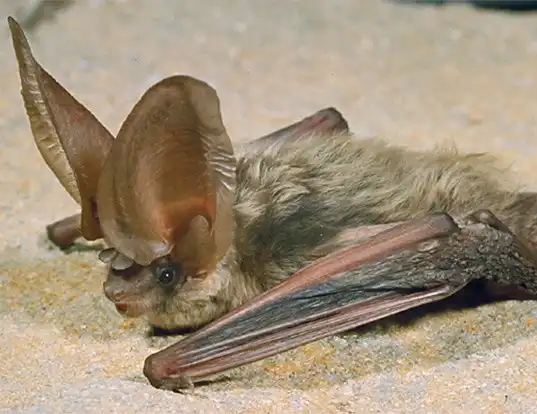
πŸ¦‡ Appearance

  • Fur: Dark brown to black body fur with contrasting pale or white wings
  • Wings: Thin, translucent, and slender β€” ideal for maneuverable flight
  • Size: Small-bodied; ~6–8 grams
  • Ears: Broad with a prominent tragus, helping with echolocation

Its white wings are distinctive and unusual among African bats.


🌿 Behavior and Ecology

  • Nocturnal aerial insectivore
  • Uses echolocation to navigate and hunt in complex forest environments
  • Diet: Moths, beetles, mosquitoes, and other flying insects
  • Flight is quick, erratic, and acrobatic β€” suited for chasing prey in closed habitats

Roosting behavior is poorly documented, but likely uses:

  • Tree holes, under bark, or dense foliage
  • Occasionally roosts in abandoned structures near forest edges

🧭 Ecological Role

The White-winged Serotine plays a crucial part in:

  • Controlling insect populations, especially mosquitoes and crop pests
  • Supporting pollination indirectly by reducing herbivorous insect pressure
  • Indicating the health of undisturbed forest microclimates

Like many small bats, its presence is critical yet often overlooked.


⚠️ Conservation Concerns

Although listed as Least Concern, this bat may be at risk in localized areas due to:

  • 🏭 Deforestation, especially in moist lowland forests
  • πŸ›’ Pollution from illegal mining (galamsey) affecting insect prey
  • πŸ”₯ Fires and habitat fragmentation reducing foraging and roosting areas
  • ❌ Lack of field data to assess trends

Its dependence on insect-rich, intact forest makes it vulnerable to ecological disruption.


🌊 Why It Matters for the Tano River

The White-winged Serotine is:

  • A symbol of invisible biodiversity, thriving quietly in the night
  • A natural mosquito control agent, benefiting forest-edge communities
  • A sign that healthy airspace and insect webs still exist above the Tano River

Each time it flies, it reminds us that the forest breathes and listens, even after dark.


πŸ”— Have you seen bats flitting near the river or around your farms at dusk? Have elders spoken of β€œwhite-winged night spirits”? Share your encounters at [TanoRiver.com/submit]

Sign Up For Daily Newsletter

Be keep up! Get the latest breaking news delivered straight to your inbox.
By signing up, you agree to our Terms of Use and acknowledge the data practices in our Privacy Policy. You may unsubscribe at any time.
Share This Article
Facebook Email Copy Link Print
ByAlexandre Tano Kan Koffi
Follow:

✍️ About the Author

Alexandre Tano Kan Koffi is the founder of TanoRiver.com and a passionate advocate for Africa’s environmental and cultural heritage. Named after the Tano River, he honors his legacy through storytelling and conservation.
πŸ“§ Contact: alex [@] alexandrekoffi.com

Leave a Comment Leave a Comment

Leave a Reply Cancel reply

Your email address will not be published. Required fields are marked *

Receive latest news from all areas of Wildlife Animals

Our selection of the week's biggest research news and features sent directly to your inbox. Enter your email address, confirm you're happy to receive our emails.

HOT NEWS

The Rivers, Lakes & Lagoons Collective

The rivers in Ghana

April 10, 2026

πŸͺ· Cultural Significance of the Tano River

May 5, 2026

✨ Spiritual and Historical Importance of the Tano River

February 13, 2026

πŸ“– Indigenous Stories and Oral Traditions of the Tano River

May 9, 2026

Follow US:Β 

About us

  • 🌍 The Project / Get Involved
  • βœ‰οΈ Contact us
  • πŸ’› Donate
  • 🀝 Partnerships / Collaborate

TanoRiver.com

  • Terms and Conditions
  • Privacy Policy
  • Cookie Policy

Cookies Notice

We use our own and third-party cookies to improve our services, personalise your advertising and remember your preferences.
Welcome Back!

Sign in to your account

Username or Email Address
Password

Lost your password?

