

The Tano River
  • Home
  • 🌊The River
    • The Tano River
    • Cultural Significance
    • Spiritual and Historical Importance
    • Taakora — The Deity of the Tano River
    • Comprehensive Analysis of the Tano River and Its Basin
  • 🌿Environment
    • Flora and Fauna
    • Environmental Challenges
    • Conservation Efforts
    • The Tano River Basin
    • The Galamsey Crisis
    • Animals of the Tano
    • Trees and Plants of the Tano
    • Parks and Forest
    • Lagoons
    • Tributaries of the Tano River
  • History
    • Stories and Oral Traditions
    • Historical Events
    • Ancient Trade and Conflicts
    • The Legend of Tano and Bia
    • Deities and Spirits
    • God Tano, Afua Krankra, and Asase Ya/Afua in Akan Mythology
  • 🎉Culture
    • Ethnic Groups Along the Tano River
    • Fishing, Agriculture, and Rituals
    • Festivals and River Ceremonies
    • The Natural Border Between Ghana and Ivory Coast
  • 🛶 Tourism
    • Natural Sites to Visit
    • Cultural Experiences
    • Local Guides & Eco-Tourism
    • Creating a Touristic Ecosystem
  • 🌍News
  • Global Initiative
  • 🌍About
    • 📖The Project / Get Involved
    • 🧾 About me
    • ✉️ Contact us
    • 🤝 Partnerships / Collaborate
    • 💛 Donate
    • 🌿 A Tribute to My Father and Grandfather
    • 🧾All Our articles
    • 🧾Search Our Articles
    • 📖Glossary of the Tano River Ecosystem
Donate
Font ResizerAa
The Tano RiverThe Tano River
Search

Popular Posts

The Rivers, Lakes & Lagoons Collective

The rivers in Ghana

About the River

🪷 Cultural Significance of the Tano River

About the River

✨ Spiritual and Historical Importance of the Tano River

Welcome to Tanoriver.com

Join the Tano River Collective Project and be part of a growing movement dedicated to preserving the life, culture, and ecosystems of the Tano River. Together, we can make a lasting impact.
Join Us
Follow US
TanoRiver.com
The Tano River > All our Articles > Environment & Biodiversity > Species of the Tano River > Amphibians > 🐸 Leptopelis occidentalis – Taï Forest Tree Frog
Amphibians

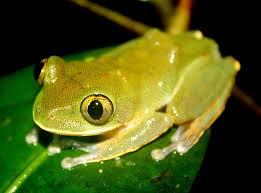
🐸 Leptopelis occidentalis – Taï Forest Tree Frog

By
Alexandre Tano Kan Koffi
Last updated: June 25, 2026
3 Min Read
Share

A rare voice of the rainforest canopy, echoing from the trees of the Tano basin

Contents
🔍 Quick Facts🌍 Distribution and HabitatIn the Tano River region, it may inhabit:🐸 Description🌿 Behavior and EcologyBreeding:⚠️ Conservation Concerns🌊 Why It Matters for the Tano River

🔍 Quick Facts

  • Common Name: Taï Forest Tree Frog
  • Scientific Name: Leptopelis occidentalis
  • Family: Arthroleptidae
  • IUCN Status: Vulnerable
  • Size: ~40–60 mm (adults)
  • Activity: Nocturnal, arboreal
  • Habitat: Lowland tropical rainforests and swamp forests

🌍 Distribution and Habitat

The Taï Forest Tree Frog is found in the Upper Guinean Forest zone of West Africa, including:

  • Côte d’Ivoire, Liberia, Guinea, and Sierra Leone

In the Tano River region, it may inhabit:

  • The Tanoé-Ehy Forest Reserve and surrounding swampy rainforest zones
  • Riparian forests and temporary pools near the river’s lower basin
  • Areas where dense canopy cover meets ephemeral wetlands

Its name honors the Taï National Park, but it may also occur near the Ghana-Côte d’Ivoire border, including parts of the Tano Basin.


🐸 Description

  • Color: Green to olive-brown, with variable dark markings
  • Body: Slender, with expanded toe pads for climbing
  • Eyes: Prominent and adapted for low-light activity
  • Sexual dimorphism: Males are slightly smaller and have a distinct call

Its coloration allows it to blend into leaves and branches, making it difficult to spot.


🌿 Behavior and Ecology

  • Nocturnal and arboreal
  • Comes down to lower vegetation or water edges during the rainy season
  • Diet: Feeds on insects, spiders, and small invertebrates
  • Known for its soft, whistling call, often heard at dusk or after rainfall

Breeding:

  • Males call from leaves overhanging shallow pools
  • Eggs are laid in moist ground, and tadpoles are washed into water bodies after hatching
  • Tadpoles develop in temporary ponds or forest puddles

⚠️ Conservation Concerns

The Taï Forest Tree Frog is listed as Vulnerable due to:

  • 🚫 Severe deforestation in lowland forests
  • 🛢️ Pollution and mining runoff, especially in riverine zones
  • 🐾 Habitat fragmentation, which isolates populations
  • ❌ Lack of research, meaning many local populations may be disappearing unnoticed

Its survival depends on the preservation of intact rainforest ecosystems with temporary freshwater breeding sites.


🌊 Why It Matters for the Tano River

This species is:

  • An indicator of forest and wetland health
  • A rare forest-edge amphibian that speaks to the importance of seasonal flooding and canopy shade
  • A reminder that conservation must include invisible, quiet lives, not just iconic megafauna

Its call is faint, but it echoes the state of the forest.


🔗 Do you recognize this frog’s call near your farm or village? Have you seen bright green frogs at night near the forest edge? Share your findings at [TanoRiver.com/submit]


Sign Up For Daily Newsletter

Be keep up! Get the latest breaking news delivered straight to your inbox.
By signing up, you agree to our Terms of Use and acknowledge the data practices in our Privacy Policy. You may unsubscribe at any time.
Share This Article
Facebook Email Copy Link Print
ByAlexandre Tano Kan Koffi
Follow:

✍️ About the Author

Alexandre Tano Kan Koffi is the founder of TanoRiver.com and a passionate advocate for Africa’s environmental and cultural heritage. Named after the Tano River, he honors his legacy through storytelling and conservation.
📧 Contact: alex [@] alexandrekoffi.com

Leave a Comment Leave a Comment

Leave a Reply Cancel reply

Your email address will not be published. Required fields are marked *

Receive latest news from all areas of Wildlife Animals

Our selection of the week's biggest research news and features sent directly to your inbox. Enter your email address, confirm you're happy to receive our emails.

HOT NEWS

The Rivers, Lakes & Lagoons Collective

The rivers in Ghana

April 10, 2026

🪷 Cultural Significance of the Tano River

May 5, 2026

✨ Spiritual and Historical Importance of the Tano River

February 13, 2026

📖 Indigenous Stories and Oral Traditions of the Tano River

May 9, 2026

Follow US: 

About us

  • 🌍 The Project / Get Involved
  • ✉️ Contact us
  • 💛 Donate
  • 🤝 Partnerships / Collaborate

TanoRiver.com

  • Terms and Conditions
  • Privacy Policy
  • Cookie Policy

Cookies Notice

We use our own and third-party cookies to improve our services, personalise your advertising and remember your preferences.
Welcome Back!

Sign in to your account

Username or Email Address
Password

Lost your password?
