

The Tano River
  • Home
  • 🌊The River
    • The Tano River
    • Cultural Significance
    • Spiritual and Historical Importance
    • Taakora — The Deity of the Tano River
    • Comprehensive Analysis of the Tano River and Its Basin
  • 🌿Environment
    • Flora and Fauna
    • Environmental Challenges
    • Conservation Efforts
    • The Tano River Basin
    • The Galamsey Crisis
    • Animals of the Tano
    • Trees and Plants of the Tano
    • Parks and Forest
    • Lagoons
    • Tributaries of the Tano River
  • History
    • Stories and Oral Traditions
    • Historical Events
    • Ancient Trade and Conflicts
    • The Legend of Tano and Bia
    • Deities and Spirits
    • God Tano, Afua Krankra, and Asase Ya/Afua in Akan Mythology
  • 🎉Culture
    • Ethnic Groups Along the Tano River
    • Fishing, Agriculture, and Rituals
    • Festivals and River Ceremonies
    • The Natural Border Between Ghana and Ivory Coast
  • 🛶 Tourism
    • Natural Sites to Visit
    • Cultural Experiences
    • Local Guides & Eco-Tourism
    • Creating a Touristic Ecosystem
  • 🌍News
  • Global Initiative
  • 🌍About
    • 📖The Project / Get Involved
    • 🧾 About me
    • ✉️ Contact us
    • 🤝 Partnerships / Collaborate
    • 💛 Donate
    • 🌿 A Tribute to My Father and Grandfather
    • 🧾All Our articles
    • 🧾Search Our Articles
    • 📖Glossary of the Tano River Ecosystem
Donate
Font ResizerAa
The Tano RiverThe Tano River
Search

Popular Posts

The Rivers, Lakes & Lagoons Collective

The rivers in Ghana

About the River

🪷 Cultural Significance of the Tano River

About the River

✨ Spiritual and Historical Importance of the Tano River

Welcome to Tanoriver.com

Join the Tano River Collective Project and be part of a growing movement dedicated to preserving the life, culture, and ecosystems of the Tano River. Together, we can make a lasting impact.
Join Us
Follow US
TanoRiver.com
The Tano River > All our Articles > Environment & Biodiversity > Species of the Tano River > Mammals > 🦇 Hipposideros abae – Aba Roundleaf Bat
Mammals

🦇 Hipposideros abae – Aba Roundleaf Bat

By
Alexandre Tano Kan Koffi
Last updated: June 14, 2026
4 Min Read
Share

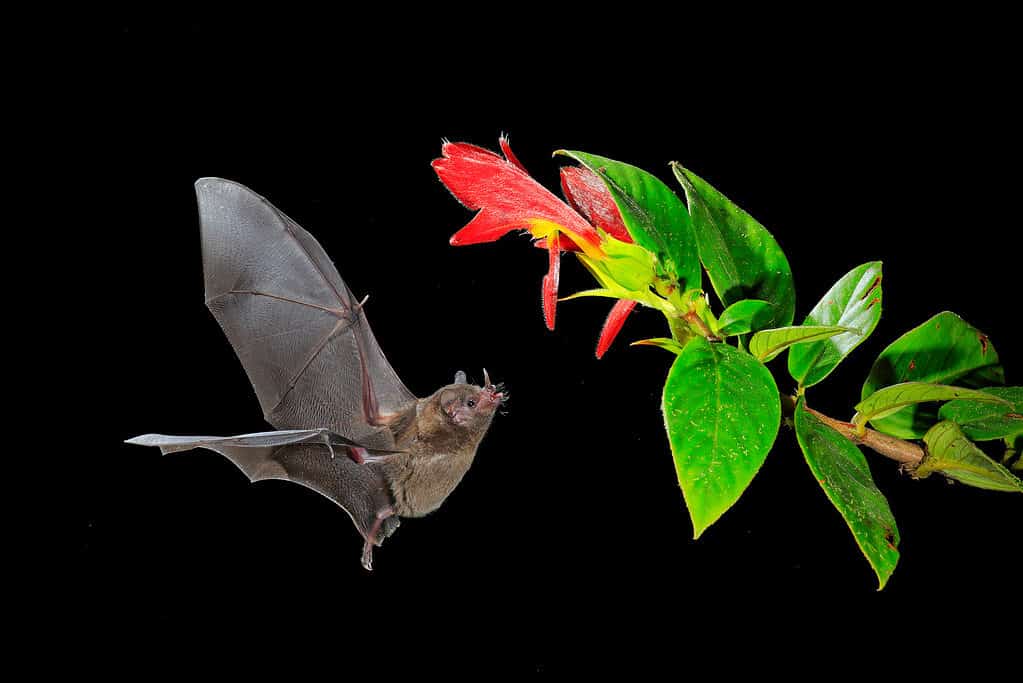
An unsung pollinator fluttering through the twilight forests of the Tano

Contents
🔎 Scientific Name: Hipposideros abae🌍 Distribution and HabitatIn the Tano River region, it is found:🦇 Physical Description🌿 Behavior and EcologyRoosting:🪺 Reproduction🧭 Ecological Importance⚠️ Threats🌊 Why It Matters for the Tano River

🔎 Scientific Name: Hipposideros abae

Common name: Aba Roundleaf Bat
Family: Hipposideridae
IUCN Status: Least Concern


🌍 Distribution and Habitat

The Aba Roundleaf Bat is a species native to West and Central Africa, known for its preference for forest-savanna mosaics and moist lowland environments.

In the Tano River region, it is found:

  • In and around the Tanoé-Ehy Forest Reserve
  • Roosting in tree cavities, abandoned buildings, and occasionally in caves
  • Foraging above the canopy, along riparian corridors, and over agricultural clearings

It plays an active role in forest edge ecosystems where wild fruit and insects are abundant.


🦇 Physical Description

  • Size: Small to medium-sized bat
  • Color: Dark brown to reddish-brown fur
  • Distinctive feature: A large, complex leaf-shaped structure on the nose used for echolocation
  • Wings: Broad and adapted for slow, maneuverable flight through forest understories

Its name “roundleaf” refers to the fleshy noseleaf that helps it emit focused echolocation calls.


🌿 Behavior and Ecology

  • Nocturnal and insectivorous
  • Feeds on moths, beetles, flies, and other small nocturnal insects
  • Uses high-frequency echolocation to detect prey in complete darkness

Roosting:

  • Roosts during the day in tree hollows, palm crowns, or abandoned buildings
  • May form small colonies, but usually not very social compared to fruit bats

🪺 Reproduction

  • Breeding patterns vary by region but often tied to the rainy season
  • Females typically give birth to a single pup per year
  • Young are weaned within weeks and learn to hunt shortly after

Parental care is crucial in the early stages, with the mother carrying the pup or leaving it in safe roosts.


🧭 Ecological Importance

  • Natural pest control: Helps regulate insect populations, reducing crop damage and disease vectors
  • Indicators of forest health: Bats are highly sensitive to changes in their environment
  • Support pollination and seed dispersal (though Aba roundleaf bats are primarily insectivorous, they still contribute to ecosystem balance)

They are a vital yet often overlooked part of the Tano River’s biodiversity.


⚠️ Threats

Although classified as Least Concern, local populations face pressure from:

  • Deforestation, especially for cocoa and palm plantations
  • Loss of roosting trees and destruction of old buildings
  • Pesticide use, which reduces their insect prey
  • Negative perceptions and fear of bats, sometimes leading to persecution

The Aba roundleaf bat is often misunderstood despite its harmlessness and ecological value.


🌊 Why It Matters for the Tano River

The Aba Roundleaf Bat is:

  • A guardian of the night sky, silently controlling insect populations
  • A species that thrives when forests and farms coexist in harmony
  • A reminder that even the smallest, quietest creatures help maintain the balance of the Tano Basin

It may never be seen, but its nightly flight is part of the river’s natural rhythm — a soft wingbeat in the dark.


🔗 Do you have bats roosting near your home or farm along the Tano? Share your stories or photos at [TanoRiver.com/submit]


Sign Up For Daily Newsletter

Be keep up! Get the latest breaking news delivered straight to your inbox.
By signing up, you agree to our Terms of Use and acknowledge the data practices in our Privacy Policy. You may unsubscribe at any time.
Share This Article
Facebook Email Copy Link Print
ByAlexandre Tano Kan Koffi
Follow:

✍️ About the Author

Alexandre Tano Kan Koffi is the founder of TanoRiver.com and a passionate advocate for Africa’s environmental and cultural heritage. Named after the Tano River, he honors his legacy through storytelling and conservation.
📧 Contact: alex [@] alexandrekoffi.com

Leave a Comment Leave a Comment

Leave a Reply Cancel reply

Your email address will not be published. Required fields are marked *

Receive latest news from all areas of Wildlife Animals

Our selection of the week's biggest research news and features sent directly to your inbox. Enter your email address, confirm you're happy to receive our emails.

HOT NEWS

The Rivers, Lakes & Lagoons Collective

The rivers in Ghana

April 10, 2026

🪷 Cultural Significance of the Tano River

May 5, 2026

✨ Spiritual and Historical Importance of the Tano River

February 13, 2026

📖 Indigenous Stories and Oral Traditions of the Tano River

May 9, 2026

Follow US: 

About us

  • 🌍 The Project / Get Involved
  • ✉️ Contact us
  • 💛 Donate
  • 🤝 Partnerships / Collaborate

TanoRiver.com

  • Terms and Conditions
  • Privacy Policy
  • Cookie Policy

Cookies Notice

We use our own and third-party cookies to improve our services, personalise your advertising and remember your preferences.
Welcome Back!

Sign in to your account

Username or Email Address
Password

Lost your password?
