

The Tano River
  • Home
  • 🌊The River
    • The Tano River
    • Cultural Significance
    • Spiritual and Historical Importance
    • Taakora — The Deity of the Tano River
    • Comprehensive Analysis of the Tano River and Its Basin
  • 🌿Environment
    • Flora and Fauna
    • Environmental Challenges
    • Conservation Efforts
    • The Tano River Basin
    • The Galamsey Crisis
    • Animals of the Tano
    • Trees and Plants of the Tano
    • Parks and Forest
    • Lagoons
    • Tributaries of the Tano River
  • History
    • Stories and Oral Traditions
    • Historical Events
    • Ancient Trade and Conflicts
    • The Legend of Tano and Bia
    • Deities and Spirits
    • God Tano, Afua Krankra, and Asase Ya/Afua in Akan Mythology
  • 🎉Culture
    • Ethnic Groups Along the Tano River
    • Fishing, Agriculture, and Rituals
    • Festivals and River Ceremonies
    • The Natural Border Between Ghana and Ivory Coast
  • 🛶 Tourism
    • Natural Sites to Visit
    • Cultural Experiences
    • Local Guides & Eco-Tourism
    • Creating a Touristic Ecosystem
  • 🌍News
  • Global Initiative
  • 🌍About
    • 📖The Project / Get Involved
    • 🧾 About me
    • ✉️ Contact us
    • 🤝 Partnerships / Collaborate
    • 💛 Donate
    • 🌿 A Tribute to My Father and Grandfather
    • 🧾All Our articles
    • 🧾Search Our Articles
    • 📖Glossary of the Tano River Ecosystem
Donate
Font ResizerAa
The Tano RiverThe Tano River
Search

Popular Posts

The Rivers, Lakes & Lagoons Collective

The rivers in Ghana

About the River

🪷 Cultural Significance of the Tano River

About the River

✨ Spiritual and Historical Importance of the Tano River

Welcome to Tanoriver.com

Join the Tano River Collective Project and be part of a growing movement dedicated to preserving the life, culture, and ecosystems of the Tano River. Together, we can make a lasting impact.
Join Us
Follow US
TanoRiver.com
The Tano River > All our Articles > Environment & Biodiversity > Species of the Tano River > Birds > 🐦 Turacos of the Tano River Forests
Birds

🐦 Turacos of the Tano River Forests

By
Alexandre Tano Kan Koffi
Last updated: November 24, 2025
4 Min Read
Share

Flash of green, crest of royalty — the secret singers of the canopy

Contents
🔎 OverviewCommon species in the Tano River region include:🌳 Habitat and Distribution🎨 Physical Description🌿 Diet and BehaviorBehavior:🪺 Reproduction🧭 Cultural Significance⚠️ Threats🌊 Why Turacos Matter for the Tano River

🔎 Overview

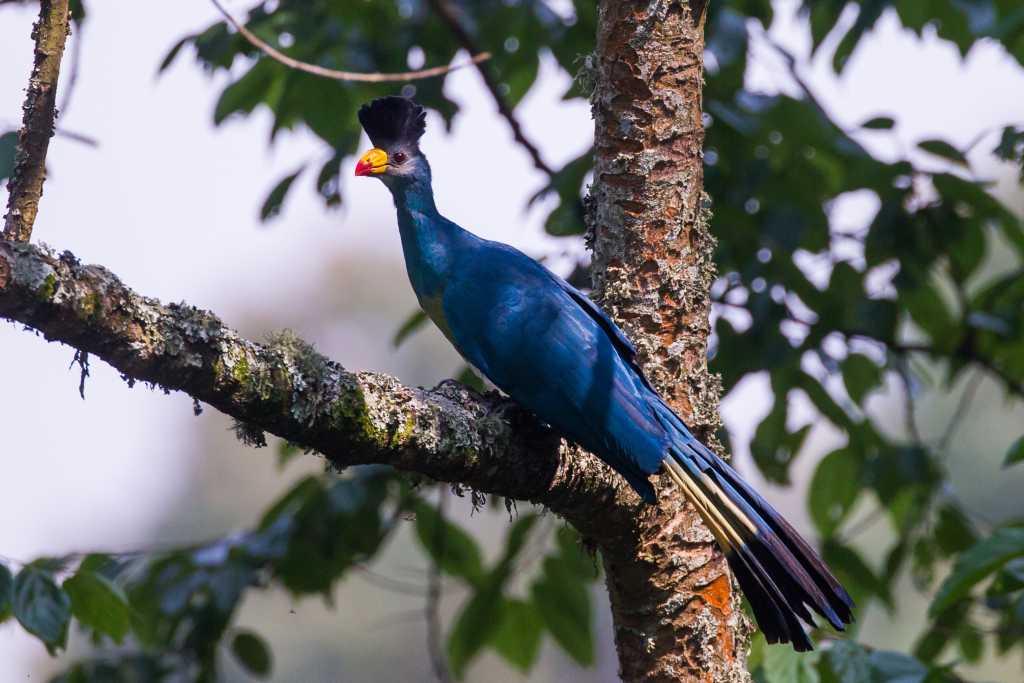
Turacos are a family of medium-sized, fruit-eating birds endemic to sub-Saharan Africa. Known for their vibrant plumage, elegant crests, and distinctive calls, they belong to the family Musophagidae, meaning “banana-eaters.”

Common species in the Tano River region include:

  1. Guinea Turaco (Tauraco persa) – also called Green Turaco
  2. Violet Turaco (Musophaga violacea)
  3. Yellow-billed Turaco (Tauraco macrorhynchus) (in deeper forests)

These species are found in Ghana and Côte d’Ivoire, particularly around the Tanoé-Ehy Forest, and in gallery forests and secondary woodland along the Tano River.


🌳 Habitat and Distribution

Turacos prefer:

  • Forest canopy, riparian woodlands, and mangrove edges
  • In the Tano Basin, they are spotted near:
    • Swamp forests near Aby Lagoon
    • Rainforest edges, cocoa farms, and sacred groves

They are rarely seen on the ground, using trees for feeding, calling, and nesting.


🎨 Physical Description

  • Coloration:
    • Guinea Turaco: brilliant emerald green, red flight feathers, white face
    • Violet Turaco: deep violet body, yellow forehead, crimson wings
    • Yellow-billed Turaco: lush green body, striking yellow beak
  • All turacos have:
    • Crests that rise when alarmed
    • Short, rounded wings and long tails
    • Unique pigments: turacins (red) and turacoverdins (green), found in no other birds

Their flight is clumsy but visually dramatic, especially when flushed from trees.


🌿 Diet and Behavior

  • Frugivorous:
    • Eat mainly figs, berries, bananas, mangos, and wild forest fruits
    • Occasionally consume flowers, leaves, and small invertebrates
  • Social: Often found in pairs or small family groups
  • Territorial: Loud, cackling calls to defend feeding areas

Behavior:

  • Move gracefully through treetops with semi-zygodactyl feet (two toes forward, two back)
  • Use tail for balance and often freeze when disturbed, making them hard to spot despite their color

🪺 Reproduction

  • Build shallow nests in trees using twigs
  • Lay 2–3 eggs, incubated by both parents
  • Chicks are born covered in down and climb before they can fly, using claws on their wings (a primitive trait)

Turacos rely on undisturbed canopy for successful breeding.


🧭 Cultural Significance

In West African cultures, especially among the Akan and Nzema:

  • Turacos are symbols of peace, fertility, and mystery
  • Their feathers, especially the red wing feathers, were once used by royalty and warriors
  • Featured in folktales and proverbs as messengers, bringers of rain, or keepers of forest secrets

Their eerie calls, especially at dawn, are sometimes seen as warnings or omens.


⚠️ Threats

Turacos face increasing pressure from:

  • Deforestation and illegal logging
  • Hunting for feathers or traditional medicine
  • Loss of fruit-bearing trees due to land conversion

While not currently endangered, habitat fragmentation may lead to local extinctions.


🌊 Why Turacos Matter for the Tano River

Turacos are:

  • Seed dispersers critical to forest regeneration
  • Symbols of forest vitality and biodiversity
  • A reminder that even the most colorful creatures can vanish silently

Their calls echo through the treetops — a chorus for conservation.


🔗 Have you seen a flash of red wings or heard the laughing call of the turaco in the forest? Share your story at [TanoRiver.com/submit]


Sign Up For Daily Newsletter

Be keep up! Get the latest breaking news delivered straight to your inbox.
By signing up, you agree to our Terms of Use and acknowledge the data practices in our Privacy Policy. You may unsubscribe at any time.
Share This Article
Facebook Email Copy Link Print
ByAlexandre Tano Kan Koffi
Follow:

✍️ About the Author

Alexandre Tano Kan Koffi is the founder of TanoRiver.com and a passionate advocate for Africa’s environmental and cultural heritage. Named after the Tano River, he honors his legacy through storytelling and conservation.
📧 Contact: alex [@] alexandrekoffi.com

Leave a Comment Leave a Comment

Leave a Reply Cancel reply

Your email address will not be published. Required fields are marked *

Receive latest news from all areas of Wildlife Animals

Our selection of the week's biggest research news and features sent directly to your inbox. Enter your email address, confirm you're happy to receive our emails.

HOT NEWS

The Rivers, Lakes & Lagoons Collective

The rivers in Ghana

April 10, 2026

🪷 Cultural Significance of the Tano River

May 5, 2026

✨ Spiritual and Historical Importance of the Tano River

February 13, 2026

📖 Indigenous Stories and Oral Traditions of the Tano River

May 9, 2026

Follow US: 

About us

  • 🌍 The Project / Get Involved
  • ✉️ Contact us
  • 💛 Donate
  • 🤝 Partnerships / Collaborate

TanoRiver.com

  • Terms and Conditions
  • Privacy Policy
  • Cookie Policy

Cookies Notice

We use our own and third-party cookies to improve our services, personalise your advertising and remember your preferences.
Welcome Back!

Sign in to your account

Username or Email Address
Password

Lost your password?
