

The Tano River
  • Home
  • 🌊The River
    • The Tano River
    • Cultural Significance
    • Spiritual and Historical Importance
    • Taakora — The Deity of the Tano River
    • Comprehensive Analysis of the Tano River and Its Basin
  • 🌿Environment
    • Flora and Fauna
    • Environmental Challenges
    • Conservation Efforts
    • The Tano River Basin
    • The Galamsey Crisis
    • Animals of the Tano
    • Trees and Plants of the Tano
    • Parks and Forest
    • Lagoons
    • Tributaries of the Tano River
  • History
    • Stories and Oral Traditions
    • Historical Events
    • Ancient Trade and Conflicts
    • The Legend of Tano and Bia
    • Deities and Spirits
    • God Tano, Afua Krankra, and Asase Ya/Afua in Akan Mythology
  • 🎉Culture
    • Ethnic Groups Along the Tano River
    • Fishing, Agriculture, and Rituals
    • Festivals and River Ceremonies
    • The Natural Border Between Ghana and Ivory Coast
  • 🛶 Tourism
    • Natural Sites to Visit
    • Cultural Experiences
    • Local Guides & Eco-Tourism
    • Creating a Touristic Ecosystem
  • 🌍News
  • Global Initiative
  • 🌍About
    • 📖The Project / Get Involved
    • 🧾 About me
    • ✉️ Contact us
    • 🤝 Partnerships / Collaborate
    • 💛 Donate
    • 🌿 A Tribute to My Father and Grandfather
    • 🧾All Our articles
    • 🧾Search Our Articles
    • 📖Glossary of the Tano River Ecosystem
Donate
Font ResizerAa
The Tano RiverThe Tano River
Search

Popular Posts

The Rivers, Lakes & Lagoons Collective

The rivers in Ghana

About the River

🪷 Cultural Significance of the Tano River

About the River

✨ Spiritual and Historical Importance of the Tano River

Welcome to Tanoriver.com

Join the Tano River Collective Project and be part of a growing movement dedicated to preserving the life, culture, and ecosystems of the Tano River. Together, we can make a lasting impact.
Join Us
Follow US
TanoRiver.com
The Tano River > All our Articles > Environment & Biodiversity > Species of the Tano River > Mammals > 🦌 Duikers of the Tano River Forests
Mammals

🦌 Duikers of the Tano River Forests

By
Alexandre Tano Kan Koffi
Last updated: March 3, 2026
4 Min Read
Share

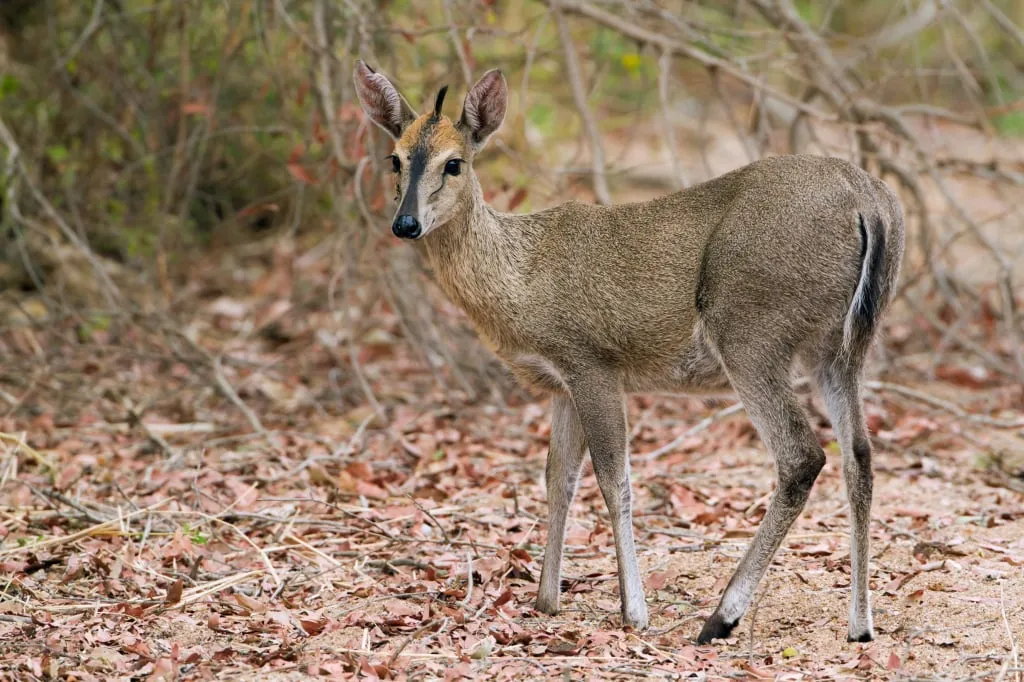
Shy forest dwellers, silent steps beneath the canopy

Contents
🔎 What Are Duikers?🌍 Duikers in the Tano River Region1. 🟤 Bay Duiker (Cephalophus dorsalis)2. ⚫ Black Duiker (Cephalophus niger)3. 🟡 Yellow-backed Duiker (Cephalophus silvicultor)🌿 Behavior and Ecology🧭 Cultural and Local Knowledge⚠️ Threats to Duikers in the Tano Region🛡️ Conservation Actions🌊 Why Duikers Matter for the Tano River

🔎 What Are Duikers?

Duikers are a group of small to medium-sized antelopes belonging to the subfamily Cephalophinae, native to sub-Saharan Africa. The name “duiker” comes from the Afrikaans word for “diver,” referring to their tendency to dive into dense vegetation when startled.


🌍 Duikers in the Tano River Region

In the forests and wetlands surrounding the Tano River, especially the Tanoé-Ehy Forest Reserve and adjoining protected zones in Ghana and Côte d’Ivoire, the following duiker species have been observed or reported:

1. 🟤 Bay Duiker (Cephalophus dorsalis)

  • Reddish-brown coat with darker dorsal stripe
  • Prefers dense, swampy rainforest
  • Active mainly at night
  • Eats fruits, leaves, fungi, and bark

2. ⚫ Black Duiker (Cephalophus niger)

  • Shiny black or very dark brown coat
  • Smaller and more secretive than the bay duiker
  • Found in lowland evergreen forest
  • Often solitary and difficult to observe

3. 🟡 Yellow-backed Duiker (Cephalophus silvicultor)

  • Largest duiker species
  • Characterized by a yellowish “saddle patch” on the back
  • Listed as Endangered
  • Roams in deep forest, but can travel far for food
  • Plays an important role in seed dispersal

These three represent the rich diversity of forest antelopes in the Tano Basin.


🌿 Behavior and Ecology

  • Diet: Omnivorous — eat a mix of fruit, seeds, leaves, shoots, fungi, and even small animals
  • Habitat: Prefer dense understory, often near streams or wetlands
  • Activity: Mostly nocturnal or crepuscular (active at dawn and dusk)
  • Social life: Solitary or in pairs; maintain territories using scent glands

Their cryptic coloration and cautious behavior make them hard to detect, even in protected forests.


🧭 Cultural and Local Knowledge

  • Known to local people by various names:
    • Baoulé: “Kpè” or “Gbla”
    • Akan (Twi): “Akyea” or “Akɔmfɛm” (sometimes used more broadly for forest antelopes)
  • Featured in folktales and hunting lore, where duikers symbolize:
    • Stealth, alertness, and the spirit of the underbrush

They are often hunted for bushmeat, but some communities observe taboos or seasonal hunting restrictions.


⚠️ Threats to Duikers in the Tano Region

  • ❌ Habitat loss from logging, gold mining, and agriculture
  • ❌ Hunting pressure for meat in both rural and urban markets
  • ❌ Forest fragmentation, cutting them off from safe corridors

Duikers are particularly vulnerable because they breed slowly and rely on continuous canopy cover.


🛡️ Conservation Actions

  • Presence confirmed in the Tanoé-Ehy Forest, one of the last coastal swamp forests in West Africa
  • Conservation efforts include:
    • Community-led forest protection
    • Eco-guard patrols and camera trapping
    • Public awareness about their ecological role

Protection of primary forest and buffer zones along the Tano is essential to prevent their extinction.


🌊 Why Duikers Matter for the Tano River

Duikers are:

  • Natural seed spreaders, helping regenerate trees and maintain biodiversity
  • Indicators of intact, undisturbed forests
  • Living symbols of quiet resilience and forest mystery

In the stillness of the Tano’s forest floor, duikers walk unseen — yet their presence tells us the forest still breathes.


🔗 Have you seen or heard duikers near the Tano River? Share your story or forest experience at [TanoRiver.com/submit]


Sign Up For Daily Newsletter

Be keep up! Get the latest breaking news delivered straight to your inbox.
By signing up, you agree to our Terms of Use and acknowledge the data practices in our Privacy Policy. You may unsubscribe at any time.
Share This Article
Facebook Email Copy Link Print
ByAlexandre Tano Kan Koffi
Follow:

✍️ About the Author

Alexandre Tano Kan Koffi is the founder of TanoRiver.com and a passionate advocate for Africa’s environmental and cultural heritage. Named after the Tano River, he honors his legacy through storytelling and conservation.
📧 Contact: alex [@] alexandrekoffi.com

Leave a Comment Leave a Comment

Leave a Reply Cancel reply

Your email address will not be published. Required fields are marked *

Receive latest news from all areas of Wildlife Animals

Our selection of the week's biggest research news and features sent directly to your inbox. Enter your email address, confirm you're happy to receive our emails.

HOT NEWS

The Rivers, Lakes & Lagoons Collective

The rivers in Ghana

April 10, 2026

🪷 Cultural Significance of the Tano River

May 5, 2026

✨ Spiritual and Historical Importance of the Tano River

February 13, 2026

📖 Indigenous Stories and Oral Traditions of the Tano River

May 9, 2026

Follow US: 

About us

  • 🌍 The Project / Get Involved
  • ✉️ Contact us
  • 💛 Donate
  • 🤝 Partnerships / Collaborate

TanoRiver.com

  • Terms and Conditions
  • Privacy Policy
  • Cookie Policy

Cookies Notice

We use our own and third-party cookies to improve our services, personalise your advertising and remember your preferences.
Welcome Back!

Sign in to your account

Username or Email Address
Password

Lost your password?
