

The Tano River
  • Home
  • ๐ŸŒŠThe River
    • The Tano River
    • Cultural Significance
    • Spiritual and Historical Importance
    • Taakora โ€” The Deity of the Tano River
    • Comprehensive Analysis of the Tano River and Its Basin
  • ๐ŸŒฟEnvironment
    • Flora and Fauna
    • Environmental Challenges
    • Conservation Efforts
    • The Tano River Basin
    • The Galamsey Crisis
    • Animals of the Tano
    • Trees and Plants of the Tano
    • Parks and Forest
    • Lagoons
    • Tributaries of the Tano River
  • History
    • Stories and Oral Traditions
    • Historical Events
    • Ancient Trade and Conflicts
    • The Legend of Tano and Bia
    • Deities and Spirits
    • God Tano, Afua Krankra, and Asase Ya/Afua in Akan Mythology
  • ๐ŸŽ‰Culture
    • Ethnic Groups Along the Tano River
    • Fishing, Agriculture, and Rituals
    • Festivals and River Ceremonies
    • The Natural Border Between Ghana and Ivory Coast
  • ๐Ÿ›ถ Tourism
    • Natural Sites to Visit
    • Cultural Experiences
    • Local Guides & Eco-Tourism
    • Creating a Touristic Ecosystem
  • ๐ŸŒNews
  • Global Initiative
  • ๐ŸŒAbout
    • ๐Ÿ“–The Project / Get Involved
    • ๐Ÿงพ About me
    • โœ‰๏ธ Contact us
    • ๐Ÿค Partnerships / Collaborate
    • ๐Ÿ’› Donate
    • ๐ŸŒฟ A Tribute to My Father and Grandfather
    • ๐ŸงพAll Our articles
    • ๐ŸงพSearch Our Articles
    • ๐Ÿ“–Glossary of the Tano River Ecosystem
Donate
Font ResizerAa
The Tano RiverThe Tano River
Search

Popular Posts

The Rivers, Lakes & Lagoons Collective

The rivers in Ghana

About the River

๐Ÿชท Cultural Significance of the Tano River

About the River

โœจ Spiritual and Historical Importance of the Tano River

Welcome to Tanoriver.com

Join the Tano River Collective Project and be part of a growing movement dedicated to preserving the life, culture, and ecosystems of the Tano River. Together, we can make a lasting impact.
Join Us
Follow US
TanoRiver.com
The Tano River > All our Articles > Environment & Biodiversity > Species of the Tano River > Fish > ๐ŸŸ Labeo parvus โ€“ The Small Labeo
FishSpecies of the Tano River

๐ŸŸ Labeo parvus โ€“ The Small Labeo

By
Alexandre Tano Kan Koffi
Last updated: December 19, 2025
3 Min Read
Share

A bottom grazer of Africaโ€™s rivers, quietly shaping the flow beneath the surface

Contents
๐Ÿ”Ž Scientific Name: Labeo parvus๐ŸŒ Distribution and Habitat๐ŸŒŠ In the Tano River system, it is found:๐ŸŸ Physical Description๐ŸŒฟ Behavior and Ecology๐Ÿงฌ Ecological Importanceโš ๏ธ Conservation Notes๐ŸŽฃ Local Knowledge and Human Use๐ŸŒŠ Why It Matters for the Tano River

๐Ÿ”Ž Scientific Name: Labeo parvus

Common name: Small labeo
Family: Cyprinidae (carps and minnows)


๐ŸŒ Distribution and Habitat

Labeo parvus is a benthic (bottom-dwelling) freshwater fish native to West Africa, including:

  • Ghana, Cรดte dโ€™Ivoire, Nigeria, Togo, and Benin

๐ŸŒŠ In the Tano River system, it is found:

  • In the middle and lower reaches of the river
  • In slow to moderately flowing areas with muddy or sandy substrates
  • Around boulders, submerged wood, and detritus-rich zones

It prefers clean, well-oxygenated waters but can tolerate some turbidity.


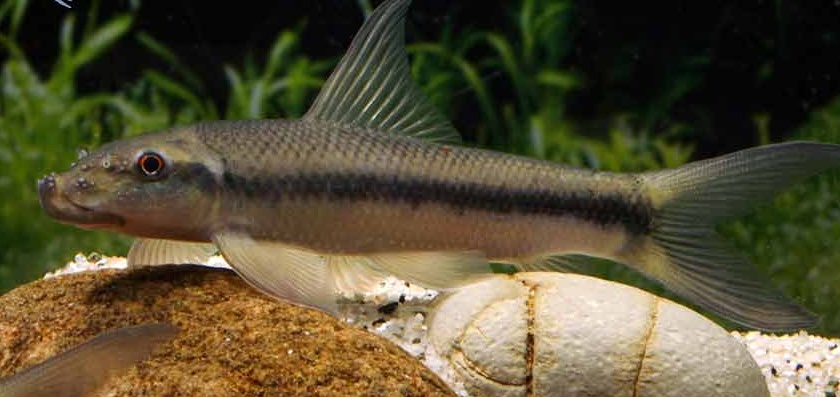
๐ŸŸ Physical Description

  • Size: Typically small, around 10โ€“12 cm, sometimes slightly more
  • Body: Streamlined and laterally compressed, adapted for benthic life
  • Coloration: Greyish to brown with a lighter underbelly
  • Mouth: Subterminal (downward-facing), with thick lips adapted for scraping algae and biofilm from surfaces

It is often overlooked due to its cryptic coloration and bottom-dwelling habits.


๐ŸŒฟ Behavior and Ecology

  • Feeding habits:
    • Omnivorous grazer that feeds on:
      • Algae, periphyton, biofilm, and fine detritus
      • Occasionally small invertebrates and insect larvae
    • Uses its suction-like mouth to scrape rocks and submerged surfaces
  • Activity:
    • Diurnal but often inactive during bright midday hours
    • Schools in small groups, especially near feeding grounds
  • Spawning:
    • Believed to breed during flood season, migrating into smaller tributaries
    • Lays adhesive eggs over gravel or aquatic vegetation

๐Ÿงฌ Ecological Importance

  • Plays a key role as a primary consumer in the aquatic food chain
  • Helps maintain clean surfaces on rocks and wood by consuming algae and detritus
  • Aerates sediment and recycles nutrients through benthic foraging

It is a natural cleaner of the riverbed, promoting healthy microhabitats for other species.


โš ๏ธ Conservation Notes

Labeo parvus is not currently listed as threatened, but like many bottom feeders, it is sensitive to:

  • Siltation from deforestation and mining
  • Pesticide and chemical runoff from agriculture
  • Habitat fragmentation due to water diversion and damming

Preserving natural sediment flow, riparian vegetation, and spawning corridors is essential for its long-term survival.


๐ŸŽฃ Local Knowledge and Human Use

  • Not a major target for fisheries due to its small size
  • Occasionally caught in subsistence nets or traps
  • Recognized by some riverine communities as a โ€œcleaner fishโ€ that keeps rocks free of slime

Its presence is a sign of natural bottom dynamics and minimal disturbance.


๐ŸŒŠ Why It Matters for the Tano River

Labeo parvus is:

  • A silent architect of the benthic world
  • A fish that cleans, cycles, and stabilizes the lower layers of the river
  • A symbol of how small species play outsized roles in ecosystem health

Beneath the visible ripples, this humble grazer is writing the story of sediment, algae, and balance.


๐Ÿ”— Have you noticed this small fish near rocks or shallow zones in the Tano? Share your stories at [TanoRiver.com/submit]


Sign Up For Daily Newsletter

Be keep up! Get the latest breaking news delivered straight to your inbox.
By signing up, you agree to our Terms of Use and acknowledge the data practices in our Privacy Policy. You may unsubscribe at any time.
Share This Article
Facebook Email Copy Link Print
ByAlexandre Tano Kan Koffi
Follow:

โœ๏ธ About the Author

Alexandre Tano Kan Koffi is the founder of TanoRiver.com and a passionate advocate for Africaโ€™s environmental and cultural heritage. Named after the Tano River, he honors his legacy through storytelling and conservation.
๐Ÿ“ง Contact: alex [@] alexandrekoffi.com

Leave a Comment Leave a Comment

Leave a Reply Cancel reply

Your email address will not be published. Required fields are marked *

Receive latest news from all areas of Wildlife Animals

Our selection of the week's biggest research news and features sent directly to your inbox. Enter your email address, confirm you're happy to receive our emails.

HOT NEWS

The Rivers, Lakes & Lagoons Collective

The rivers in Ghana

April 10, 2026

๐Ÿชท Cultural Significance of the Tano River

May 5, 2026

โœจ Spiritual and Historical Importance of the Tano River

February 13, 2026

๐Ÿ“– Indigenous Stories and Oral Traditions of the Tano River

May 9, 2026

Follow US:ย 

About us

  • ๐ŸŒ The Project / Get Involved
  • โœ‰๏ธ Contact us
  • ๐Ÿ’› Donate
  • ๐Ÿค Partnerships / Collaborate

TanoRiver.com

  • Terms and Conditions
  • Privacy Policy
  • Cookie Policy

Cookies Notice

We use our own and third-party cookies to improve our services, personalise your advertising and remember your preferences.
Welcome Back!

Sign in to your account

Username or Email Address
Password

Lost your password?
