



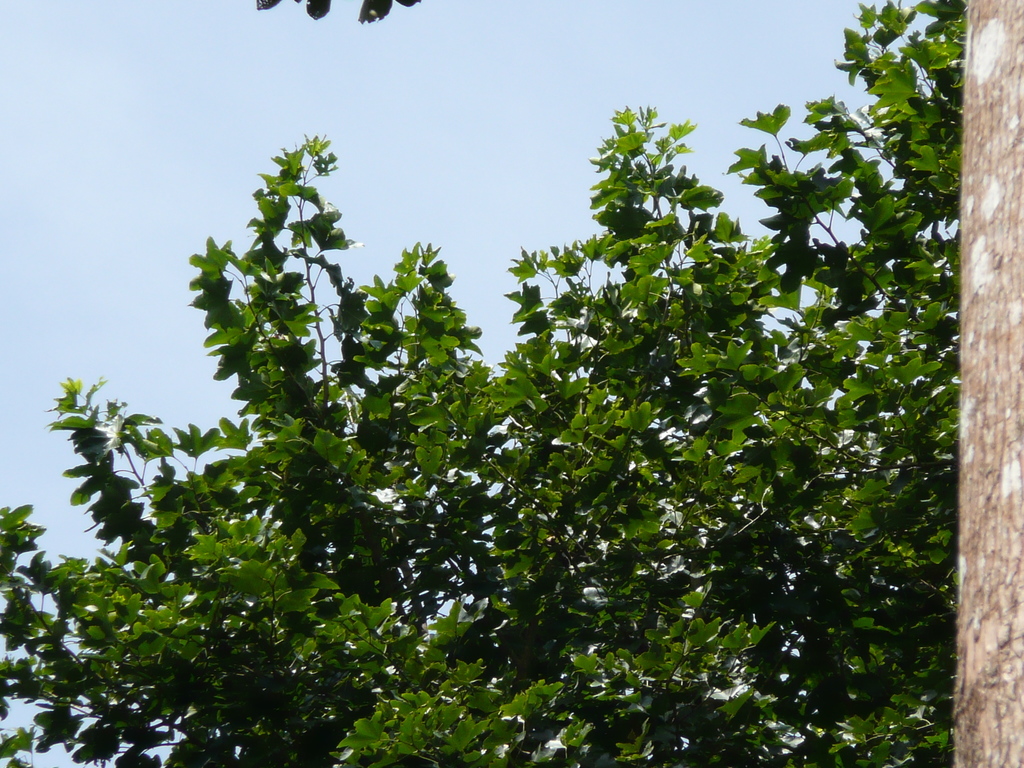
A towering tree of light and trade, rising from the forests of the Tano River Basin
🔎 Scientific Name: Triplochiton scleroxylon
Common names: Obeche, African whitewood, Samba, Ayous (Fr.), “Wawa” (Akan), “Béré” (Baoulé)
Family: Malvaceae (previously Sterculiaceae)
📍 Habitat and Distribution
Triplochiton scleroxylon is native to tropical West and Central Africa, found in:
- Moist semi-deciduous and evergreen forests, particularly in:
- Ghana, Côte d’Ivoire, Nigeria, Cameroon, and DR Congo
🌍 In the Tano River Basin, it grows:
- In lowland forest zones, especially:
- Near the Tanoé-Ehy forest complex
- Within community-managed reserves
- Along shaded riverbanks and degraded forests in recovery
Obeche thrives in deep, fertile soils and humid environments, making it ideal for the mid and lower Tano Basin.
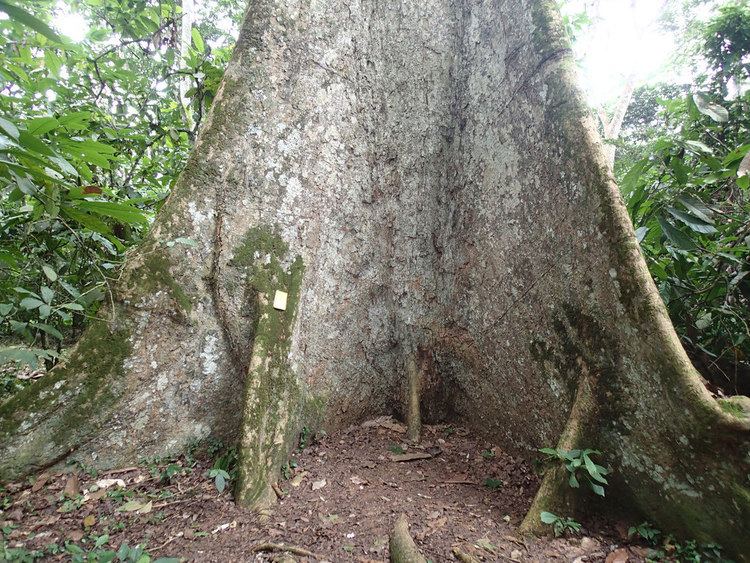
🌳 Botanical Description
- Height: Often reaches 40–50 meters, with a clear, straight bole
- Trunk: Cylindrical and tall, sometimes buttressed at the base
- Bark: Greyish and rough, with small vertical cracks
- Leaves: Large, star-shaped (palmate), similar to maple leaves — one of its most distinctive traits
- Flowers: Small and white, pollinated by insects
- Fruits: Capsule containing winged seeds
Its light-colored wood and enormous height make it a dominant tree in old-growth forests.
🌿 Ecological Role
- Acts as a canopy stabilizer in mature tropical forests
- Provides:
- Nesting and roosting space for birds and bats
- Leaf litter that enriches the forest floor
- A microclimate that protects understory plants and insects
Because of its fast growth in secondary forests, it’s often used in reforestation efforts.
🪵 Economic Importance
One of the most commercially valuable timbers in West and Central Africa:
🌲 Wood properties:
- Lightweight and pale-colored
- Easy to cut, shape, and polish
- Used for:
- Plywood and veneers
- Interior furniture and cabinets
- Musical instruments, molding, and lightweight boats
Highly exported, especially from Ghana and Côte d’Ivoire, to Europe and Asia.
🌿 Traditional and Cultural Uses
Though less ritualized than other sacred trees, Obeche has local uses:
- Light wood is used for carving stools, mortars, masks, and drums
- Its bark may be used in decoctions to treat skin conditions or internal ulcers
- Sometimes planted in village centers for shade due to its wide canopy
Its association with craftsmanship and building gives it symbolic ties to creation and legacy.
⚠️ Threats and Conservation
- Intensely logged due to its commercial value
- Regeneration in the wild is often poor without protection
- Threatened by:
- Illegal logging in protected forests
- Land conversion for agriculture or mining
Conservation measures:
- Community-based forest management
- Sustainable timber certification (e.g., FSC)
- Inclusion in agroforestry and restoration projects
🌱 Why It Matters for the Tano River
Triplochiton scleroxylon is:
- A quiet architectural giant of the river’s forests
- A source of livelihood, beauty, and environmental stability
- A reminder that even economic trees deserve ecological respect
Its wood builds homes, but its roots hold the riverbanks.
🔗 Have you carved with Obeche or planted one near your home? Tell us about it at [TanoRiver.com/submit]


