



A climbing giant with deep roots in traditional medicine, rising from the banks of the Tano River
🔎 Scientific Name: Entada africana
Common names: African climbing tree, Twisted giant liana, “Kpatro” (Akan), “Kpalakpalan” (Baoulé), “Togbéklan” (Ewé), “Entada d’Afrique” (Fr.)
Family: Fabaceae (legume family)
📍 Habitat and Distribution
Entada africana is native to:
- West and Central Africa, especially in savanna woodlands, riparian forests, and transitional zones
In the Tano River Basin, it is found:
- In moist forest margins, floodplain woodlands, and shaded secondary growth areas
- Especially present in sacred forests, rural herbal gardens, and grazing buffers
It thrives in well-drained soils and can climb trees or sprawl freely along river edges.
🌳 Botanical Description
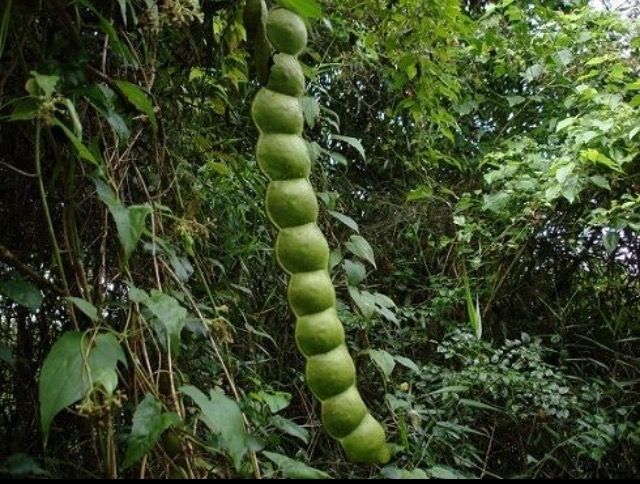
- Growth habit: Large woody climber (liana) or shrubby tree, often reaching over 10 meters in length
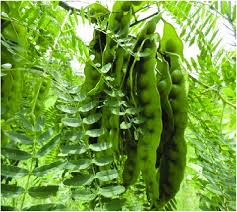
- Leaves: Bipinnate, light green and feathery
- Flowers: Small, creamy-white to yellowish, fragrant, blooming in spikes
- Fruits: Enormous flattened seed pods, sometimes over 1 meter long
- Seeds: Hard, brown or black, often used as amulets or beads
The imposing size of its pods and twining stems makes it easy to spot in the wild.
🌿 Ecological Role
- Fixes nitrogen in the soil, enhancing forest fertility
- Provides cover and support for wildlife
- Helps bind soils along river slopes, preventing erosion
- Offers nectar to bees, flies, and forest insects
Its presence often indicates a stable and mature forest edge near water sources.
🌍 Traditional Medicinal Uses
Entada africana is a staple in traditional herbal medicine across the Tano region:
🩺 Uses include:
- Bark decoctions for:
- Liver problems and jaundice
- Malaria, fever, and body pain
- Cough and bronchitis
- Leaves and roots:
- Crushed for treating wounds, burns, and skin diseases
- Boiled into bathwater for purification or postpartum care
- Seeds:
- Carried as spiritual charms against evil spirits
- Ground into powder for ritual protection or applied to snake bites
Some healers in Ghana and Côte d’Ivoire refer to it as the “tree that cleanses blood and spirits.”
🧙🏿♂️ Cultural and Spiritual Significance
In traditional belief systems:
- Its massive seed pods symbolize abundance and spiritual strength
- Planted near shrines and sacred groves to channel ancestral energy
- Used in protective rituals, especially during childbirth, illness, or burial rites
- Some call it the “Forest’s spinal cord” for its powerful vertical growth and rooting
It’s also believed to have dream-enhancing properties when kept near sleeping areas.
⚠️ Conservation Notes
- Entada africana is widespread but faces:
- Overharvesting for bark and roots
- Habitat loss from mining, bushfires, and forest clearing
- Neglect as communities move away from traditional medicine
Sustainable harvesting and education on replanting are key to preserving this valuable species.
🌱 Why It Matters for the Tano River
Entada africana embodies the Tano River’s spirit of:
- Resilience, elevation, and healing
- A climber that bridges earth and canopy, just as the river links past and future
- A source of protection, medicine, and cultural continuity
It is both a symbol and a servant of the river’s living heritage.
🔗 Have you harvested or seen this mighty climbing tree near the Tano? Share your photo or memory at [TanoRiver.com/submit]


