

The Tano River
  • Home
  • 🌊The River
    • The Tano River
    • Cultural Significance
    • Spiritual and Historical Importance
    • Taakora — The Deity of the Tano River
    • Comprehensive Analysis of the Tano River and Its Basin
  • 🌿Environment
    • Flora and Fauna
    • Environmental Challenges
    • Conservation Efforts
    • The Tano River Basin
    • The Galamsey Crisis
    • Animals of the Tano
    • Trees and Plants of the Tano
    • Parks and Forest
    • Lagoons
    • Tributaries of the Tano River
  • History
    • Stories and Oral Traditions
    • Historical Events
    • Ancient Trade and Conflicts
    • The Legend of Tano and Bia
    • Deities and Spirits
    • God Tano, Afua Krankra, and Asase Ya/Afua in Akan Mythology
  • 🎉Culture
    • Ethnic Groups Along the Tano River
    • Fishing, Agriculture, and Rituals
    • Festivals and River Ceremonies
    • The Natural Border Between Ghana and Ivory Coast
  • 🛶 Tourism
    • Natural Sites to Visit
    • Cultural Experiences
    • Local Guides & Eco-Tourism
    • Creating a Touristic Ecosystem
  • 🌍News
  • Global Initiative
  • 🌍About
    • 📖The Project / Get Involved
    • 🧾 About me
    • ✉️ Contact us
    • 🤝 Partnerships / Collaborate
    • 💛 Donate
    • 🌿 A Tribute to My Father and Grandfather
    • 🧾All Our articles
    • 🧾Search Our Articles
    • 📖Glossary of the Tano River Ecosystem
Donate
Font ResizerAa
The Tano RiverThe Tano River
Search

Popular Posts

The Rivers, Lakes & Lagoons Collective

The rivers in Ghana

About the River

🪷 Cultural Significance of the Tano River

About the River

✨ Spiritual and Historical Importance of the Tano River

Welcome to Tanoriver.com

Join the Tano River Collective Project and be part of a growing movement dedicated to preserving the life, culture, and ecosystems of the Tano River. Together, we can make a lasting impact.
Join Us
Follow US
TanoRiver.com
The Tano River > All our Articles > Environment & Biodiversity > Trees and Plants of the Tano > 🌿 Philodendron spp. – The Lush Climbers of the Tano
Trees and Plants of the Tano

🌿 Philodendron spp. – The Lush Climbers of the Tano

By
Alexandre Tano Kan Koffi
Last updated: June 12, 2026
4 Min Read
Share

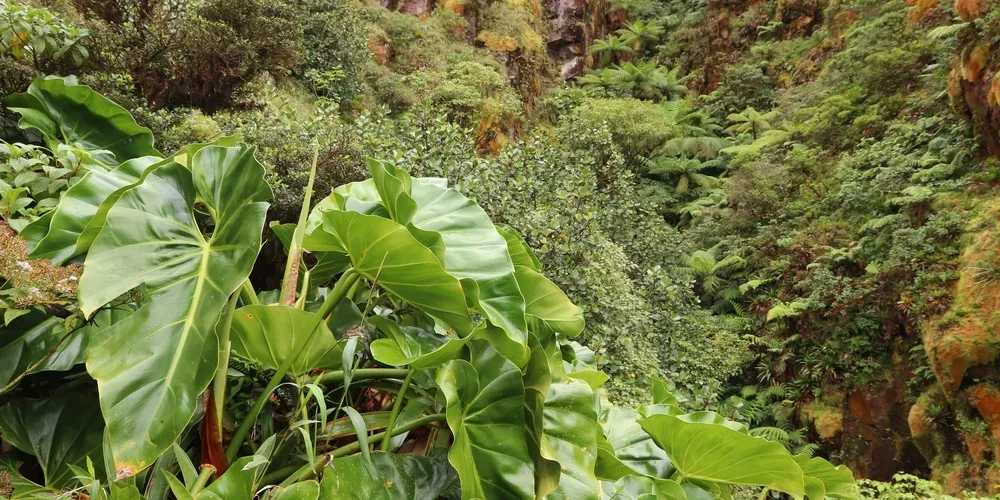
Forest spirits in leafy form, quietly climbing through the river’s green cathedral

Contents
🔎 Botanical Name: Philodendron (various species)📍 Habitat and Distribution🌿 Botanical Description🌱 Ecological Role🧙🏽‍♀️ Cultural and Symbolic Importance🧪 Traditional Uses⚠️ Conservation Notes🌊 Why It Matters for the Tano River

🔎 Botanical Name: Philodendron (various species)

Common names: Philodendron, “Heartleaf climber,” “Cœur de forêt” (Fr.), “Aboabo nsuo dua” (in Akan: river bush plant)
Family: Araceae (arum family)


📍 Habitat and Distribution

Philodendron species are native to Central and South America, but many have become established in tropical Africa, especially in:

  • Shaded rainforests, swamp forests, and riverine valleys
  • Garden shrines, sacred groves, and moist forest understories

In the Tano River Basin, they thrive in:

  • Wet forest zones near the Tanoé-Ehy wetlands
  • Along stream banks and seasonal tributaries
  • Occasionally cultivated in spiritual gardens or as ornamentals

Some native African aroids (such as Culcasia and Anchomanes) have similar climbing structures and are often grouped with Philodendrons in local knowledge.


🌿 Botanical Description

  • Leaves: Large, glossy, heart-shaped or deeply lobed
    • Some species have long aerial roots dangling from stems
  • Growth habit: Climbing or trailing vine, attaching to trees or rocks
  • Flowers: Hidden in a spathe-and-spadix structure, typical of arum plants
  • Size: Some vines stretch over 10 meters in height with imposing foliage

They create lush vertical green walls in forest interiors and moist garden spaces.


🌱 Ecological Role

  • Help retain moisture in the forest microclimate
  • Provide shelter for insects, tree frogs, and small lizards
  • Their aerial roots trap organic matter, feeding forest soils
  • Climb trees, but do not harm them—making them ideal non-destructive climbers

They contribute to the complex vertical structure of tropical river forests.


🧙🏽‍♀️ Cultural and Symbolic Importance

In spiritual traditions across Ghana and Côte d’Ivoire:

  • Philodendrons are linked to river deities and ancestral spirits
  • Found near shrines, fetish groves, and river altars
  • Some species are considered sacred guardians of forest paths

In folklore, their unfurling leaves symbolize:

  • New life
  • Healing
  • The silent intelligence of plants

They are sometimes used in rituals to attract blessings, or planted near homes for protection.


🧪 Traditional Uses

Though not widely used medicinally due to toxicity, local knowledge may include:

  • Using leaves for wrapping herbs or offerings
  • Incorporating in ritual baths or protection bundles
  • Using root fibers in small-scale weaving or crafting

Caution is advised: like many arum plants, Philodendron contains calcium oxalate, which can irritate skin or mouth if mishandled.


⚠️ Conservation Notes

  • Not endangered, and often cultivated
  • But wild forest populations may suffer from:
    • Deforestation for mining or agriculture
    • Fire clearing of sacred groves
    • Loss of traditional knowledge about plant guardianship

Preserving Philodendron in the wild supports forest resilience and sacred ecological balance.


🌊 Why It Matters for the Tano River

Philodendron species represent:

  • The quiet, green guardians of sacred water paths
  • The connection between tree, soil, and spirit
  • The kind of subtle flora often forgotten, but always felt

In the shaded sanctuaries along the Tano River, they grow unseen but never without meaning.


🔗 Do you have photos or stories of Philodendrons in sacred forests or riverside homes? Share them at [TanoRiver.com/submit]


Sign Up For Daily Newsletter

Be keep up! Get the latest breaking news delivered straight to your inbox.
By signing up, you agree to our Terms of Use and acknowledge the data practices in our Privacy Policy. You may unsubscribe at any time.
Share This Article
Facebook Email Copy Link Print
ByAlexandre Tano Kan Koffi
Follow:

✍️ About the Author

Alexandre Tano Kan Koffi is the founder of TanoRiver.com and a passionate advocate for Africa’s environmental and cultural heritage. Named after the Tano River, he honors his legacy through storytelling and conservation.
📧 Contact: alex [@] alexandrekoffi.com

Leave a Comment Leave a Comment

Leave a Reply Cancel reply

Your email address will not be published. Required fields are marked *

Receive latest news from all areas of Wildlife Animals

Our selection of the week's biggest research news and features sent directly to your inbox. Enter your email address, confirm you're happy to receive our emails.

HOT NEWS

The Rivers, Lakes & Lagoons Collective

The rivers in Ghana

April 10, 2026

🪷 Cultural Significance of the Tano River

May 5, 2026

✨ Spiritual and Historical Importance of the Tano River

February 13, 2026

📖 Indigenous Stories and Oral Traditions of the Tano River

May 9, 2026

Follow US: 

About us

  • 🌍 The Project / Get Involved
  • ✉️ Contact us
  • 💛 Donate
  • 🤝 Partnerships / Collaborate

TanoRiver.com

  • Terms and Conditions
  • Privacy Policy
  • Cookie Policy

Cookies Notice

We use our own and third-party cookies to improve our services, personalise your advertising and remember your preferences.
Welcome Back!

Sign in to your account

Username or Email Address
Password

Lost your password?
