

The Tano River
  • Home
  • 🌊The River
    • The Tano River
    • Cultural Significance
    • Spiritual and Historical Importance
    • Taakora — The Deity of the Tano River
    • Comprehensive Analysis of the Tano River and Its Basin
  • 🌿Environment
    • Flora and Fauna
    • Environmental Challenges
    • Conservation Efforts
    • The Tano River Basin
    • The Galamsey Crisis
    • Animals of the Tano
    • Trees and Plants of the Tano
    • Parks and Forest
    • Lagoons
    • Tributaries of the Tano River
  • History
    • Stories and Oral Traditions
    • Historical Events
    • Ancient Trade and Conflicts
    • The Legend of Tano and Bia
    • Deities and Spirits
    • God Tano, Afua Krankra, and Asase Ya/Afua in Akan Mythology
  • 🎉Culture
    • Ethnic Groups Along the Tano River
    • Fishing, Agriculture, and Rituals
    • Festivals and River Ceremonies
    • The Natural Border Between Ghana and Ivory Coast
  • 🛶 Tourism
    • Natural Sites to Visit
    • Cultural Experiences
    • Local Guides & Eco-Tourism
    • Creating a Touristic Ecosystem
  • 🌍News
  • Global Initiative
  • 🌍About
    • 📖The Project / Get Involved
    • 🧾 About me
    • ✉️ Contact us
    • 🤝 Partnerships / Collaborate
    • 💛 Donate
    • 🌿 A Tribute to My Father and Grandfather
    • 🧾All Our articles
    • 🧾Search Our Articles
    • 📖Glossary of the Tano River Ecosystem
Donate
Font ResizerAa
The Tano RiverThe Tano River
Search

Popular Posts

The Rivers, Lakes & Lagoons Collective

The rivers in Ghana

About the River

🪷 Cultural Significance of the Tano River

About the River

✨ Spiritual and Historical Importance of the Tano River

Welcome to Tanoriver.com

Join the Tano River Collective Project and be part of a growing movement dedicated to preserving the life, culture, and ecosystems of the Tano River. Together, we can make a lasting impact.
Join Us
Follow US
TanoRiver.com
The Tano River > All our Articles > Environment & Biodiversity > Trees and Plants of the Tano > 🦜 Impatiens niamniamensis – Congo Cockatoo
Trees and Plants of the Tano

🦜 Impatiens niamniamensis – Congo Cockatoo

By
Alexandre Tano Kan Koffi
Last updated: March 2, 2026
4 Min Read
Share

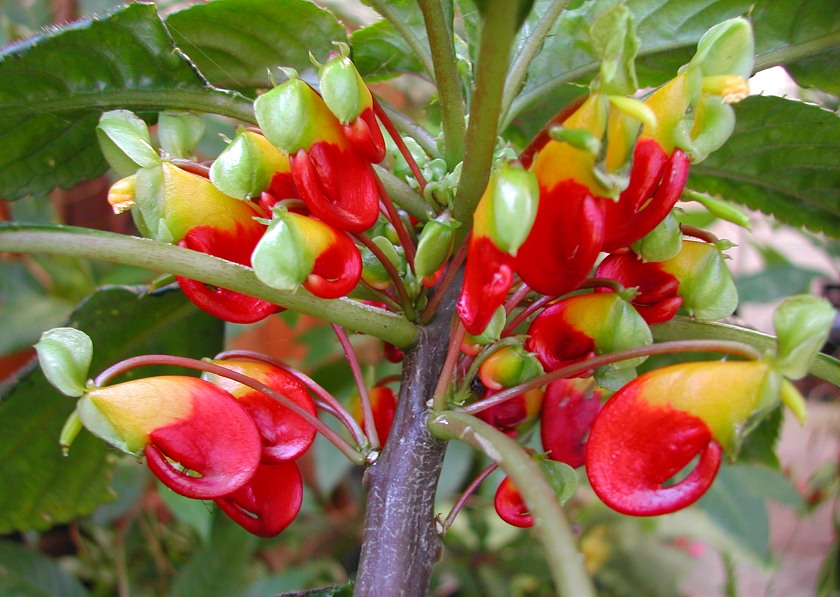
A tropical bloom as vibrant and curious as the birds it resembles

Contents
🔎 Scientific Name: Impatiens niamniamensis📍 Habitat and Distribution🌺 Botanical Description🌿 Ecological Role🧙🏾‍♀️ Cultural and Folk Associations🌿 Medicinal and Garden Uses⚠️ Threats and Rarity🌱 Why It Matters for the Tano River

🔎 Scientific Name: Impatiens niamniamensis

Common names: Congo cockatoo, Parrot plant, Parrot balsam, “Fleur perroquet” (Fr.)
Family: Balsaminaceae (balsam family)


📍 Habitat and Distribution

Though originally named after the Niam-Niam (Azande) region of Central Africa, Impatiens niamniamensis grows across humid tropical zones of Africa.

In the Tano River Basin, this flower:

  • Is found in moist forest understory, especially in shade and along streams
  • Occasionally cultivated in village gardens near Ghana’s Western and Ahafo Regions
  • Prefers damp, shaded environments with rich organic soil

It may be found near sacred groves or forest patches close to the river.


🌺 Botanical Description

  • Flowers: Curved, tubular, and brightly colored—red, yellow, orange, or bicolored
    • Resemble the beak of a cockatoo or parrot, hence the name
  • Leaves: Lance-shaped, dark green, with serrated edges
  • Growth habit: Shrubby or sprawling herb up to 1 meter tall
  • Bloom cycle: Extended — flowers repeatedly throughout the rainy season

This plant is strikingly ornamental and often surprises passersby with its bird-like blossoms.


🌿 Ecological Role

  • Attracts sunbirds, butterflies, and bees
  • Provides cover and moisture retention in forest understory
  • Part of the diverse herbaceous layer in riparian and upland forest habitats
  • May be visited by tiny hoverflies and pollinators active in shaded zones

🧙🏾‍♀️ Cultural and Folk Associations

Though not widely used in medicine or ritual, the appearance of the flower has made it a subject of oral stories and folk names, such as:

  • “Little bird of the forest”
  • “Laughing parrot” or “God’s brush”

In some Ghanaian rural schools, it is grown as a children’s science plant because of its vivid and curious form.

Its rarity in the wild gives it an aura of playfulness and mystery.


🌿 Medicinal and Garden Uses

While not prominent in traditional medicine, its family (Impatiens) includes:

  • Plants used for soothing skin conditions
  • Some believed to have anti-inflammatory properties
  • Occasionally, decoctions are made from related balsams for mild fevers

As an ornamental, it is planted in:

  • Community herbal gardens
  • Shaded school gardens and village borders

⚠️ Threats and Rarity

  • Not globally endangered, but:
    • Becoming rare in the wild due to habitat clearing
    • Sensitive to light and moisture changes, making it vulnerable to forest degradation

Its showy presence in the forest is an indicator of healthy, shaded, moist ecosystems.


🌱 Why It Matters for the Tano River

Impatiens niamniamensis is:

  • A botanical curiosity that sparks wonder
  • A pollinator magnet in quiet forest corners
  • A symbol of the artistry of nature along riverine forests

Though small, it adds a splash of color and playfulness to the sacred and wild green spaces of the Tano Basin.


🔗 Have you seen the “parrot flower” near the Tano River? Tell us about it or share a photo at [TanoRiver.com/submit]


Sign Up For Daily Newsletter

Be keep up! Get the latest breaking news delivered straight to your inbox.
By signing up, you agree to our Terms of Use and acknowledge the data practices in our Privacy Policy. You may unsubscribe at any time.
Share This Article
Facebook Email Copy Link Print
ByAlexandre Tano Kan Koffi
Follow:

✍️ About the Author

Alexandre Tano Kan Koffi is the founder of TanoRiver.com and a passionate advocate for Africa’s environmental and cultural heritage. Named after the Tano River, he honors his legacy through storytelling and conservation.
📧 Contact: alex [@] alexandrekoffi.com

Leave a Comment Leave a Comment

Leave a Reply Cancel reply

Your email address will not be published. Required fields are marked *

Receive latest news from all areas of Wildlife Animals

Our selection of the week's biggest research news and features sent directly to your inbox. Enter your email address, confirm you're happy to receive our emails.

HOT NEWS

The Rivers, Lakes & Lagoons Collective

The rivers in Ghana

April 10, 2026

🪷 Cultural Significance of the Tano River

May 5, 2026

✨ Spiritual and Historical Importance of the Tano River

February 13, 2026

📖 Indigenous Stories and Oral Traditions of the Tano River

May 9, 2026

Follow US: 

About us

  • 🌍 The Project / Get Involved
  • ✉️ Contact us
  • 💛 Donate
  • 🤝 Partnerships / Collaborate

TanoRiver.com

  • Terms and Conditions
  • Privacy Policy
  • Cookie Policy

Cookies Notice

We use our own and third-party cookies to improve our services, personalise your advertising and remember your preferences.
Welcome Back!

Sign in to your account

Username or Email Address
Password

Lost your password?
