



📍 Habitat
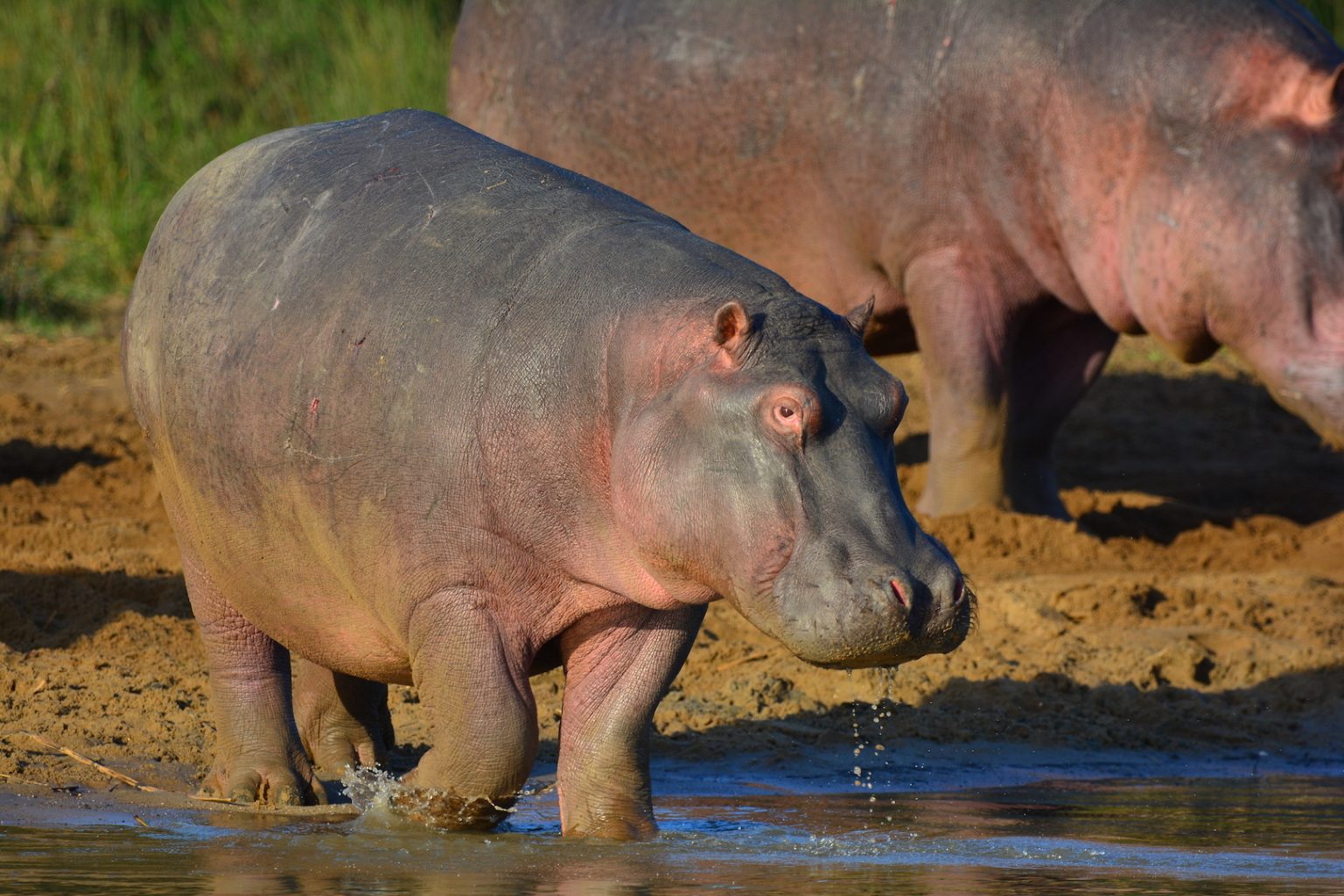
In the Tano River, a small and isolated sub-population of hippopotamuses has been recorded, particularly in less accessible river stretches near the Ghana–Côte d’Ivoire border. These hippos rely on deep, slow-moving river channels, oxbow lakes, and adjacent grasslands for grazing.
Contents
Due to human expansion, they are increasingly confined to remote forested or swampy zones.
⚠️ Conservation Status
- IUCN Red List: Vulnerable
- Threats specific to the Tano region:
- Habitat fragmentation from agriculture and gold mining (galamsey)
- Water pollution and sedimentation
- Poaching for meat and ivory (teeth)
- Human-hippo conflict in farming areas
🧬 Description
- Massive semi-aquatic mammal, weighing 1,300–1,800 kg
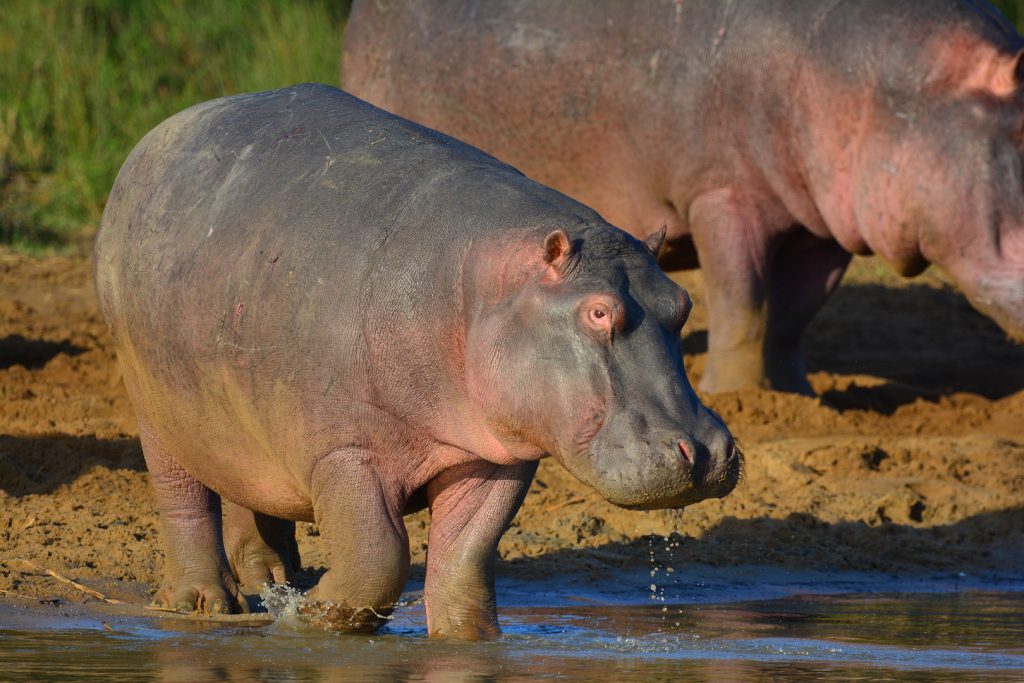
- Barrel-shaped body, nearly hairless skin
- Grey-brown with pinkish tones around the eyes and ears
- Can remain submerged for up to 5 minutes
- Territorial in water, but grazes peacefully on land at night
🧠 Behavior
- Nocturnal grazers, feeding mostly on grass
- Live in small groups (3–10 individuals)
- Use grunts, bellows, and wheezes to communicate
- Despite their bulk, they are strong swimmers and runners
🧘♂️ Cultural Role
In many West African oral traditions, the hippopotamus is a symbol of power, water, and unpredictability. Some myths describe it as a guardian of sacred waters, others as a spirit animal of transformation.
In the Tano region, hippos are rarely seen but deeply respected. Their occasional surfacing is considered a rare and powerful omen.
🌍 Ecological Role
- Helps maintain riverbank vegetation through grazing
- Creates aquatic channels and mud baths used by other species
- Their dung enriches aquatic ecosystems — a vital part of nutrient cycling
🔥 Conservation Challenges
- The Tano sub-population is highly vulnerable due to its isolation
- Protecting aquatic corridors is essential for their survival
- Requires cross-border conservation cooperation between Ghana and Côte d’Ivoire
- Need for better monitoring and public awareness


