



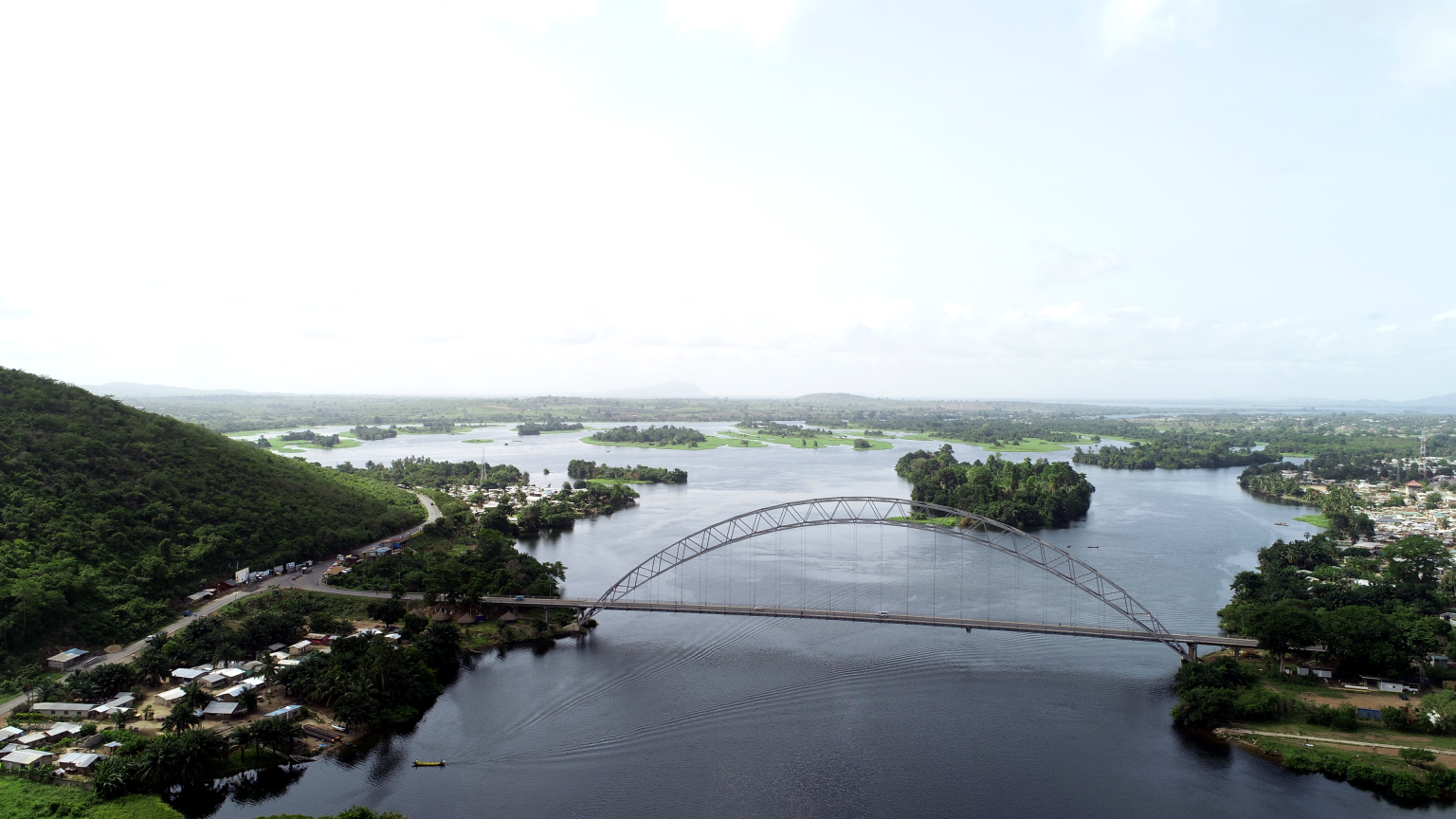
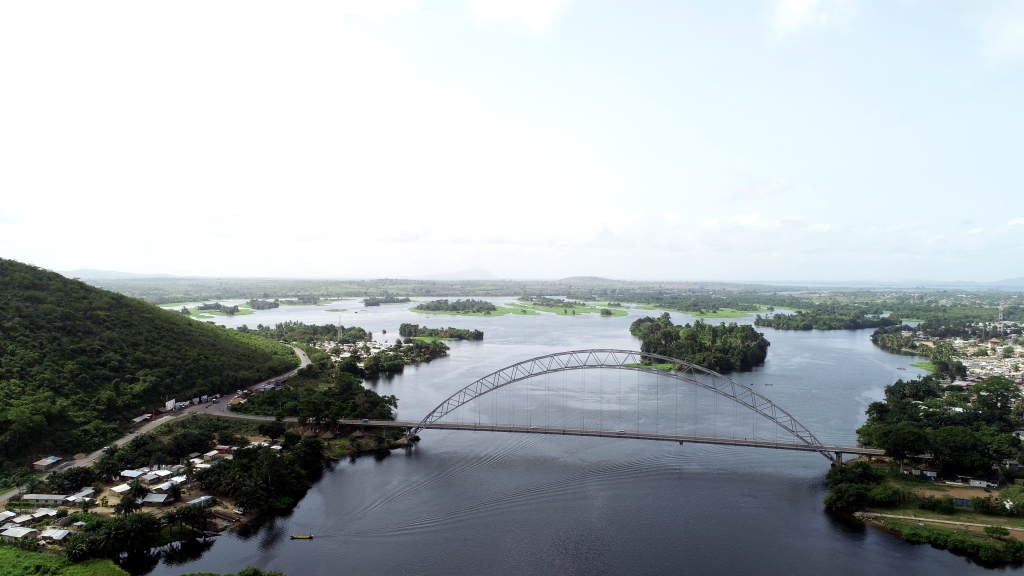
🔍 Quick Facts
Topic: the rivers of Ghana
Core idea: Ghana’s hydrology is dominated by the massive Volta River system, but the country is also sustained by several vital coastal rivers like the Pra, Tano, and Ankobra, which hold deep economic, ecological, and spiritual significance.
Ghana is located in West Africa, bordered by the Gulf of Guinea to the south. Its landscape is intricately carved by a network of rivers that serve as the lifeblood of the nation. These waterways are essential for drinking water, agriculture, hydroelectric power, and historical trade. The country’s drainage is roughly divided into the massive Volta Basin, which covers the majority of the nation’s landmass, and the southwestern coastal basin.
For Rivers.wiki, the rivers of Ghana matter because they perfectly illustrate the intersection of natural resources, modern development, and traditional reverence. From powering the entire nation via the Akosombo Dam to serving as the dwelling places of revered Akan river deities, Ghana’s waterways are deeply woven into the country’s past and future.
1. The Volta River System: Ghana’s geographical giant
The Volta River system is the most prominent hydrological feature in Ghana, draining nearly 70% of the country’s total land area. The system is formed by the convergence of three main tributaries—the Black Volta, the White Volta, and the Red Volta—which all originate in the neighboring Sahel region (primarily Burkina Faso) before flowing southward into Ghana.
Historically, the Volta was a wide, fast-flowing river that emptied into the Gulf of Guinea. Today, it remains the backbone of Ghana’s water resources, supporting massive agricultural zones, commercial fishing, and serving as a vital transport corridor between the northern and southern regions of the country.
| River | Primary Region | Outlet | Key Feature |
|---|---|---|---|
| Volta River | Eastern / Volta | Gulf of Guinea | Forms the largest river system in the country |
| Pra River | Ashanti / Central | Gulf of Guinea | Major site for historical gold mining |
| Tano River | Western / Bono | Aby Lagoon (Cote d’Ivoire) | Forms part of the Ghana-Cote d’Ivoire border |
| Ankobra River | Western | Gulf of Guinea | Navigable in its lower reaches, heavy mining region |
| Densu River | Eastern / Greater Accra | Weija Reservoir | Primary water source for the capital, Accra |
2. The 10 Longest Rivers in Ghana
When measuring the longest waterways in Ghana, the Volta system entirely dominates the top of the list. It is important to note that many of these rivers are transboundary, meaning their total lengths include stretches that flow through neighboring countries such as Burkina Faso, Togo, and Cote d’Ivoire before entering or exiting Ghanaian territory.
| Rank | River | Approximate Total Length | Primary Basin |
|---|---|---|---|
| 1 | Black Volta (Mouhoun) | 1,352 km (840 mi) | Volta Basin |
| 2 | White Volta (Nakambe) | 1,140 km (708 mi) | Volta Basin |
| 3 | Oti River (Pendjari) | 900 km (560 mi) | Volta Basin |
| 4 | Tano River | 400 km (250 mi) | Southwestern Coastal Basin |
| 5 | Red Volta (Nazinon) | 320 km (200 mi) | Volta Basin |
| 6 | Afram River | 320 km (200 mi) | Volta Basin |
| 7 | Pra River | 240 km (150 mi) | Southwestern Coastal Basin |
| 8 | Ankobra River | 190 km (118 mi) | Southwestern Coastal Basin |
| 9 | Birim River | 175 km (109 mi) | Pra Basin |
| 10 | Densu River | 116 km (72 mi) | Coastal Plain |
3. Lake Volta and the Akosombo Dam
You cannot discuss the rivers of Ghana without discussing Lake Volta. In 1965, the construction of the Akosombo Dam across the Volta River gorge created Lake Volta, which remains the largest man-made lake in the world by surface area.
The damming of the river fundamentally changed the geography and economy of Ghana. It provides the majority of the nation’s hydroelectric power, fueling industrialization and modern urban expansion. However, the creation of the lake also flooded hundreds of villages, displaced thousands of people, and permanently altered the downstream ecology of the lower Volta River.
4. The Southwestern Rivers: Pra, Ankobra, and Tano
While the Volta dominates the east and north, the southwestern corner of Ghana features heavily forested, rain-fed river basins. The most prominent of these are the Pra, the Ankobra, and the Tano.
The Pra River is one of the most important watercourses for the Ashanti and Central regions. Its main tributary, the Birim River, is famous for diamond deposits.
The Ankobra River flows through the high-rainfall western region and has historically been used to float timber and transport goods.
The Tano River is a deeply significant transboundary river. It flows southward, eventually forming part of the international border between Ghana and Cote d’Ivoire before emptying into the Aby Lagoon. It is a critical river for both biodiversity and regional agriculture.
5. Coastal Rivers and Urban Water Supply
Several smaller rivers flow directly into the sea along the central and eastern coastline. The most important of these for modern infrastructure is the Densu River.
The Densu basin is relatively small, but it is of paramount importance because it feeds the Weija Reservoir, which provides a significant portion of the drinking water for millions of residents in Accra, Ghana’s capital. Other coastal rivers, such as the Ayensu and the Oti (a major tributary of the Volta), support local farming communities and estuarine fisheries.
| Economic Sector | Primary Rivers Involved | Impact |
|---|---|---|
| Hydroelectric Power | Volta River | Supplies the national grid via Akosombo and Kpong dams |
| Mining (Gold & Diamonds) | Pra, Birim, Ankobra | Sustains extractive industries but causes heavy pollution |
| Urban Water Supply | Densu, Pra | Essential for drinking water in Accra and Cape Coast |
| Agriculture & Fishing | Volta, Tano | Supports irrigation, inland fisheries, and local food security |
6. The Environmental Crisis: Galamsey and Deforestation
Ghana’s rivers are currently facing a severe environmental crisis, primarily driven by illegal artisanal gold mining, locally known as galamsey. Miners use heavy machinery to dredge riverbeds and utilize toxic chemicals like mercury and cyanide to extract gold.
As a result, major rivers like the Pra, Ankobra, and parts of the Tano have become heavily polluted, turning thick with mud and toxic runoff. This has caused severe ecological damage, killing fish populations and threatening the drinking water supply for millions of Ghanaians. Combined with deforestation along the riverbanks, the health of Ghana’s southwestern rivers is one of the most pressing conservation issues in West Africa today.
7. Cultural and Spiritual Significance in Akan Tradition
Beyond their physical utility, rivers in Ghana—particularly among the Akan people—hold profound spiritual meaning. In Akan cosmology, rivers are not merely bodies of water; they are living entities and the domains of powerful spirits or deities (abosom).
The Tano River, for example, is revered as the dwelling place of Tano, one of the highest river gods in the Akan pantheon. The Pra River is also highly sacred; historically, the Asantehene (King of the Ashanti) and his forces were forbidden from crossing it to wage war. Even today, many traditional communities observe sacred days (often Tuesdays or Thursdays) where fishing, crossing, or washing in the river is forbidden out of respect for the river spirit.
| Theme | Significance in Ghana |
|---|---|
| Spiritual Personhood | Rivers like the Tano and Pra are worshipped as deities. |
| Sacred Taboos | Specific days are reserved for the river to “rest,” forbidding human use. |
| The Galamsey Threat | Illegal gold mining is the single greatest threat to aquatic health. |
| Hydropower Dependency | The entire nation’s energy infrastructure relies heavily on the Volta’s flow. |
🌊 Why It Matters
The rivers of Ghana matter because they tell the complete story of the nation. They are the ancient boundaries of kingdoms, the sites of sacred mythology, the engines of modern electrical grids, and the tragic victims of modern resource exploitation. For Rivers.wiki, studying the waterways of Ghana demonstrates how vital rivers are to the survival of a country. To protect these rivers—from the massive Volta to the sacred Tano—is to protect the health, culture, and future prosperity of West Africa.


