

The Tano River
  • Home
  • 🌊The River
    • The Tano River
    • Cultural Significance
    • Spiritual and Historical Importance
    • Taakora β€” The Deity of the Tano River
    • Comprehensive Analysis of the Tano River and Its Basin
  • 🌿Environment
    • Flora and Fauna
    • Environmental Challenges
    • Conservation Efforts
    • The Tano River Basin
    • The Galamsey Crisis
    • Animals of the Tano
    • Trees and Plants of the Tano
    • Parks and Forest
    • Lagoons
    • Tributaries of the Tano River
  • History
    • Stories and Oral Traditions
    • Historical Events
    • Ancient Trade and Conflicts
    • The Legend of Tano and Bia
    • Deities and Spirits
    • God Tano, Afua Krankra, and Asase Ya/Afua in Akan Mythology
  • πŸŽ‰Culture
    • Ethnic Groups Along the Tano River
    • Fishing, Agriculture, and Rituals
    • Festivals and River Ceremonies
    • The Natural Border Between Ghana and Ivory Coast
  • πŸ›Ά Tourism
    • Natural Sites to Visit
    • Cultural Experiences
    • Local Guides & Eco-Tourism
    • Creating a Touristic Ecosystem
  • 🌍News
  • Global Initiative
  • 🌍About
    • πŸ“–The Project / Get Involved
    • 🧾 About me
    • βœ‰οΈ Contact us
    • 🀝 Partnerships / Collaborate
    • πŸ’› Donate
    • 🌿 A Tribute to My Father and Grandfather
    • 🧾All Our articles
    • 🧾Search Our Articles
    • πŸ“–Glossary of the Tano River Ecosystem
Donate
Font ResizerAa
The Tano RiverThe Tano River
Search

Popular Posts

The Rivers, Lakes & Lagoons Collective

The rivers in Ghana

About the River

πŸͺ· Cultural Significance of the Tano River

About the River

✨ Spiritual and Historical Importance of the Tano River

Welcome to Tanoriver.com

Join the Tano River Collective Project and be part of a growing movement dedicated to preserving the life, culture, and ecosystems of the Tano River. Together, we can make a lasting impact.
Join Us
Follow US
TanoRiver.com
The Tano River > All our Articles > Environment & Biodiversity > Species of the Tano River > Amphibians > 🐸 Hyperolius viridigulosus – Green-Throated Reed Frog
Amphibians

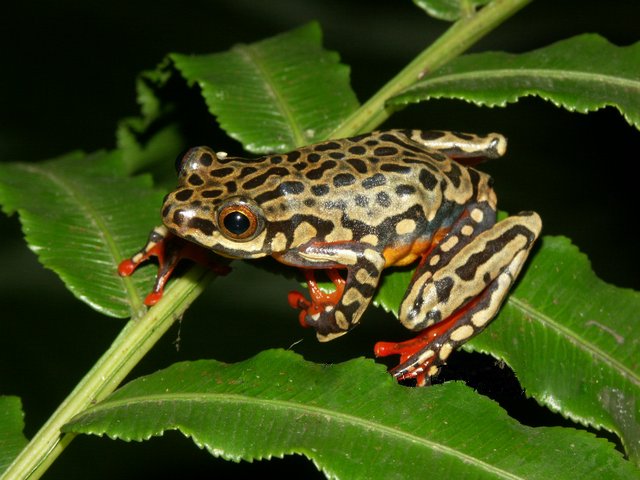
🐸 Hyperolius viridigulosus – Green-Throated Reed Frog

By
Alexandre Tano Kan Koffi
Last updated: January 23, 2026
3 Min Read
Share

A vibrant, forest-dwelling amphibian whose emerald throat echoes through the twilight wetlands of West Africa

Contents
πŸ” Quick Facts🌍 Distribution and HabitatIn the Tano River Basin, it may occur:🐸 Appearance🌿 Behavior and Diet🐣 Reproduction⚠️ Conservation Concerns🌊 Why It Matters for the Tano River

πŸ” Quick Facts

  • Common Name: Green-Throated Reed Frog
  • Scientific Name: Hyperolius viridigulosus
  • Family: Hyperoliidae (Reed Frogs)
  • IUCN Status: Endangered
  • Size: ~2.5–3.5 cm
  • Activity: Nocturnal
  • Habitat: Moist lowland tropical forests and swamps

🌍 Distribution and Habitat

Hyperolius viridigulosus is endemic to West Africa, with known populations in:

  • CΓ΄te d’Ivoire and Ghana

In the Tano River Basin, it may occur:

  • In swampy patches of the TanoΓ©-Ehy Forest
  • Around temporary forest pools, marshes, and slow-moving streams
  • In dense understory vegetation, especially during and after rainfall

Its presence is tightly linked to pristine humid forests and wetland microhabitats.


🐸 Appearance

  • Color: Generally greenish to brown, with males often showing a bright green throat during calling
  • Throat sac: Inflates vividly during vocalization
  • Skin: Smooth and semi-translucent
  • Body: Slender, with long limbs and toe discs adapted for climbing

Its delicate form and color make it a master of camouflage among leaves and reeds.


🌿 Behavior and Diet

  • Nocturnal: Emerges at dusk, often perched on low vegetation near water
  • Diet:
    • Small insects like mosquitoes, midges, and gnats
  • Males produce soft, repeated clicks or whistles to attract mates
  • Tends to cling to stems and broad leaves, silently waiting for prey

Highly sensitive to changes in humidity and water availability.


🐣 Reproduction

  • Breeds in temporary rain-fed pools
  • Males call from low vegetation above water
  • Females lay eggs on leaves just above the surface, allowing tadpoles to drop into the water upon hatching
  • Tadpoles develop in small pools, which must remain moist for weeks

This specialized breeding strategy makes them vulnerable to pool drying and pollution.


⚠️ Conservation Concerns

Hyperolius viridigulosus is classified as Endangered due to:

  • 🌳 Deforestation, particularly of coastal and swamp forests
  • πŸ›€ Habitat fragmentation, isolating breeding populations
  • πŸ§ͺ Pollution of forest pools from agriculture and mining runoff
  • 🌾 Loss of temporary wetlands, essential for reproduction

It survives only in remnant pockets of intact forest with minimal disturbance.


🌊 Why It Matters for the Tano River

The Green-Throated Reed Frog is:

  • A symbol of amphibian fragility and beauty
  • A critical indicator of the health of forest-edge wetlands
  • A contributor to insect control and a key part of the food web

Protecting this frog helps preserve the micro-wetlands that sustain biodiversity in the Tano basin.


πŸ”— Have you seen or heard tree frogs calling at night near forest pools? Help us track populations at [TanoRiver.com/submit]


Sign Up For Daily Newsletter

Be keep up! Get the latest breaking news delivered straight to your inbox.
By signing up, you agree to our Terms of Use and acknowledge the data practices in our Privacy Policy. You may unsubscribe at any time.
Share This Article
Facebook Email Copy Link Print
ByAlexandre Tano Kan Koffi
Follow:

✍️ About the Author

Alexandre Tano Kan Koffi is the founder of TanoRiver.com and a passionate advocate for Africa’s environmental and cultural heritage. Named after the Tano River, he honors his legacy through storytelling and conservation.
πŸ“§ Contact: alex [@] alexandrekoffi.com

Leave a Comment Leave a Comment

Leave a Reply Cancel reply

Your email address will not be published. Required fields are marked *

Receive latest news from all areas of Wildlife Animals

Our selection of the week's biggest research news and features sent directly to your inbox. Enter your email address, confirm you're happy to receive our emails.

HOT NEWS

The Rivers, Lakes & Lagoons Collective

The rivers in Ghana

April 10, 2026

πŸͺ· Cultural Significance of the Tano River

May 5, 2026

✨ Spiritual and Historical Importance of the Tano River

February 13, 2026

πŸ“– Indigenous Stories and Oral Traditions of the Tano River

May 9, 2026

Follow US:Β 

About us

  • 🌍 The Project / Get Involved
  • βœ‰οΈ Contact us
  • πŸ’› Donate
  • 🀝 Partnerships / Collaborate

TanoRiver.com

  • Terms and Conditions
  • Privacy Policy
  • Cookie Policy

Cookies Notice

We use our own and third-party cookies to improve our services, personalise your advertising and remember your preferences.
Welcome Back!

Sign in to your account

Username or Email Address
Password

Lost your password?
