



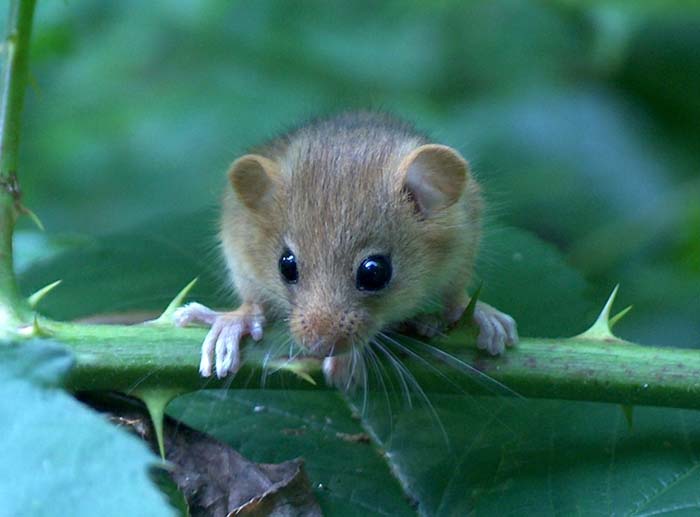
A shy and soft-footed night forager of the forest floor, essential to the rhythms of the Tano’s undergrowth
🔍 Quick Facts
- Common Name: Forest Soft-furred Mouse
- Scientific Name: Praomys tullbergi
- Family: Muridae (true mice and rats)
- IUCN Status: Least Concern, but locally impacted by habitat loss
- Size: Head-body ~10–12 cm; tail slightly longer
- Weight: 20–40 grams
- Activity: Nocturnal
- Habitat: Moist lowland tropical forests, especially with thick leaf litter
🌍 Distribution and Habitat
This rodent is native to the Upper Guinean forests of West Africa, found in:
- Côte d’Ivoire, Ghana, Liberia, Sierra Leone, and Nigeria
In the Tano River Basin, it is:
- Widespread in undisturbed forest floor zones
- Particularly common in Tanoé-Ehy Forest Reserve
- Preferring dense undergrowth, fallen logs, and leaf litter near swamp margins
It avoids open areas and remains mostly hidden and silent.
🐭 Appearance
- Fur: Soft and silky, grayish-brown to reddish-brown above, lighter underneath
- Tail: Slender and long, slightly scaly, often used for balance
- Ears and eyes: Large and sensitive, adapted for low-light navigation
- Build: Small, light, and agile
It has a gentle appearance and moves with quiet speed through the forest debris.
🌿 Behavior and Diet
- Strictly nocturnal, emerging after dark to feed
- Diet:
- Seeds, fruits, fungi
- Insects, snails, and other small invertebrates
- Excellent climber but mostly terrestrial
- Builds small nests in tree roots, rotting logs, or burrows
Plays a critical role in seed dispersal and soil mixing.
🐣 Reproduction
- Breeds multiple times a year in moist, stable climates
- Gestation: ~3 weeks
- Litter size: 3–7 young
- Nests are hidden and lined with plant fiber or moss
The young grow quickly and are often weaned within 2–3 weeks.
🧭 Ecological Importance
The Forest Soft-furred Mouse:
- Disperses seeds and fungal spores, contributing to forest regeneration
- Regulates invertebrate populations
- Is a key prey species for owls, snakes, genets, and civets
- Contributes to soil health through digging and tunneling
It is a foundation species in many West African forests.
⚠️ Conservation Concerns
Though listed as Least Concern, local populations are vulnerable due to:
- 🌳 Deforestation and forest fragmentation
- 🧱 Agricultural encroachment
- 🔥 Slash-and-burn clearing affecting microhabitats
- 🧬 Data gaps, as small mammals are under-studied
It thrives only in continuous forest with rich understory.
🌊 Why It Matters for the Tano River
The Forest Soft-furred Mouse is:
- A symbol of the hidden workers of the ecosystem
- A bridge between plant and animal life, ensuring forest renewal
- A measure of how well the Tano’s forest floor is functioning
To protect this humble rodent is to protect the foundation of biodiversity in the Tano River basin.
🔗 Have you spotted small rustlings in the underbrush or seen tiny footprints near forest pools? Share your sightings at [TanoRiver.com/submit]


