



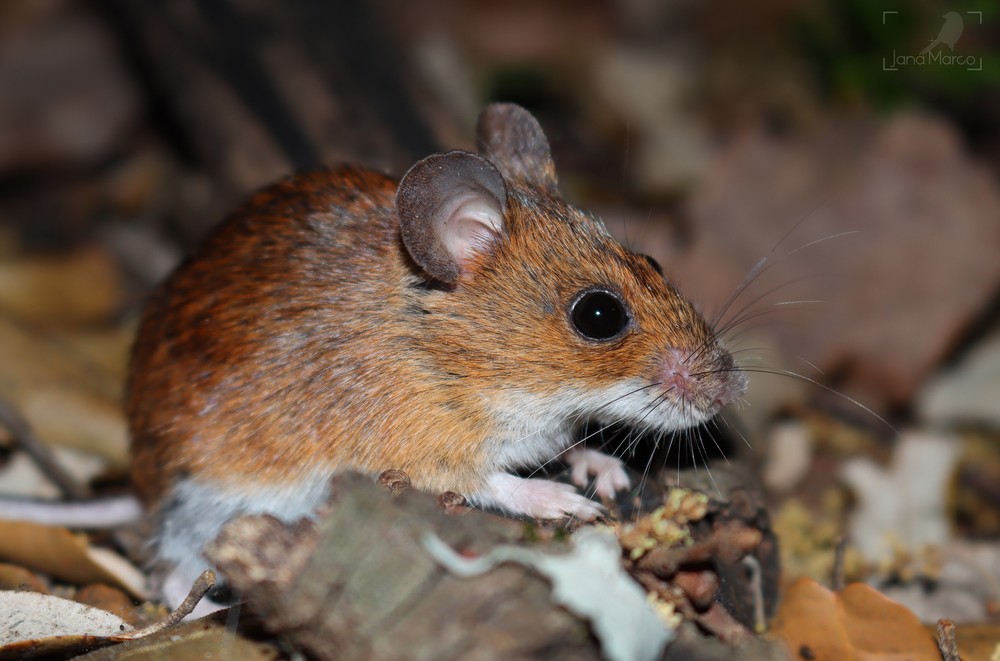
A secretive forager of the wet forest floor, hidden in the marshy undergrowth of the Tano Basin
🔍 Quick Facts
- Common Name: Cansdale’s Swamp Rat
- Scientific Name: Malacomys cansdalei
- Family: Muridae
- IUCN Status: Data Deficient (due to limited studies)
- Size: ~20–30 cm total length (including tail)
- Activity: Nocturnal
- Habitat: Wet lowland forests, swamps, and riverine thickets
🌍 Distribution and Habitat
Cansdale’s Swamp Rat is a poorly known rodent species found only in a limited part of West Africa, specifically:
- Southeastern Côte d’Ivoire
- Southwestern Ghana
Within the Tano River ecosystem, it likely occurs:
- In the Tanoé-Ehy Swamp Forest and marshy lowland areas
- Among dense vegetation along riverbanks, ponds, and forested wetlands
- In leaf litter and fallen logs, especially where human activity is minimal
🐀 Appearance
- Fur: Dark brown to greyish, soft and dense
- Tail: Long, sparsely haired, usually shorter than the head-body length
- Ears: Small and rounded
- Feet: Broad hind feet with some semi-aquatic adaptations
Its overall appearance resembles that of other Malacomys species, adapted to moist environments.
🌿 Behavior and Ecology
- Nocturnal and elusive, active mostly at night
- Likely nests in burrows or under dense root mats
- Diet: Presumed to feed on insects, seeds, roots, and aquatic vegetation
- May swim or wade through marshy terrain in search of food
Very little is known due to the species’ rarity and secretive habits.
🪺 Reproduction
- Specific breeding patterns are not documented
- Related species show low reproductive output, with 1–3 young per litter
- Likely to nest in dry chambers above water level in swampy zones
🧭 Ecological Significance
Although under-researched, Malacomys cansdalei likely plays a role in:
- Soil aeration through its digging and burrowing
- Invertebrate control, feeding on insects and larvae
- Acting as prey for owls, snakes, mongooses, and civets
Its health reflects the integrity of wet forest ecosystems along rivers like the Tano.
⚠️ Conservation Concerns
Cansdale’s Swamp Rat is listed as Data Deficient, but may be locally threatened due to:
- 🌳 Swamp forest clearance for agriculture and palm oil
- 🛢 Water pollution from gold mining and chemical runoff
- 🧱 Habitat fragmentation, especially in the Tanoé-Ehy Reserve
- 🧬 Taxonomic uncertainty, making conservation planning difficult
The Tano River basin may be a stronghold for this little-known species.
🌊 Why It Matters for the Tano River
Cansdale’s Swamp Rat is:
- A forest mystery, surviving quietly in leaf litter and swampy roots
- A reminder that scientific gaps exist in West Africa’s biodiversity
- A species that could vanish without us ever truly knowing it
Studying and protecting it helps us understand the richness and vulnerability of Tano’s wet ecosystems.
🔗 Have you seen small rodents near swamps or forest streams? Heard rustling near roots or waterholes at night? Share your observations at [TanoRiver.com/submit]


