

The Tano River
  • Home
  • 🌊The River
    • The Tano River
    • Cultural Significance
    • Spiritual and Historical Importance
    • Taakora β€” The Deity of the Tano River
    • Comprehensive Analysis of the Tano River and Its Basin
  • 🌿Environment
    • Flora and Fauna
    • Environmental Challenges
    • Conservation Efforts
    • The Tano River Basin
    • The Galamsey Crisis
    • Animals of the Tano
    • Trees and Plants of the Tano
    • Parks and Forest
    • Lagoons
    • Tributaries of the Tano River
  • History
    • Stories and Oral Traditions
    • Historical Events
    • Ancient Trade and Conflicts
    • The Legend of Tano and Bia
    • Deities and Spirits
    • God Tano, Afua Krankra, and Asase Ya/Afua in Akan Mythology
  • πŸŽ‰Culture
    • Ethnic Groups Along the Tano River
    • Fishing, Agriculture, and Rituals
    • Festivals and River Ceremonies
    • The Natural Border Between Ghana and Ivory Coast
  • πŸ›Ά Tourism
    • Natural Sites to Visit
    • Cultural Experiences
    • Local Guides & Eco-Tourism
    • Creating a Touristic Ecosystem
  • 🌍News
  • Global Initiative
  • 🌍About
    • πŸ“–The Project / Get Involved
    • 🧾 About me
    • βœ‰οΈ Contact us
    • 🀝 Partnerships / Collaborate
    • πŸ’› Donate
    • 🌿 A Tribute to My Father and Grandfather
    • 🧾All Our articles
    • 🧾Search Our Articles
    • πŸ“–Glossary of the Tano River Ecosystem
Donate
Font ResizerAa
The Tano RiverThe Tano River
Search

Popular Posts

The Rivers, Lakes & Lagoons Collective

The rivers in Ghana

About the River

πŸͺ· Cultural Significance of the Tano River

About the River

✨ Spiritual and Historical Importance of the Tano River

Welcome to Tanoriver.com

Join the Tano River Collective Project and be part of a growing movement dedicated to preserving the life, culture, and ecosystems of the Tano River. Together, we can make a lasting impact.
Join Us
Follow US
TanoRiver.com
The Tano River > All our Articles > Environment & Biodiversity > Species of the Tano River > Mammals > πŸƒ Syncerus caffer – African Buffalo
Mammals

πŸƒ Syncerus caffer – African Buffalo

By
Alexandre Tano Kan Koffi
Last updated: July 3, 2026
4 Min Read
Share

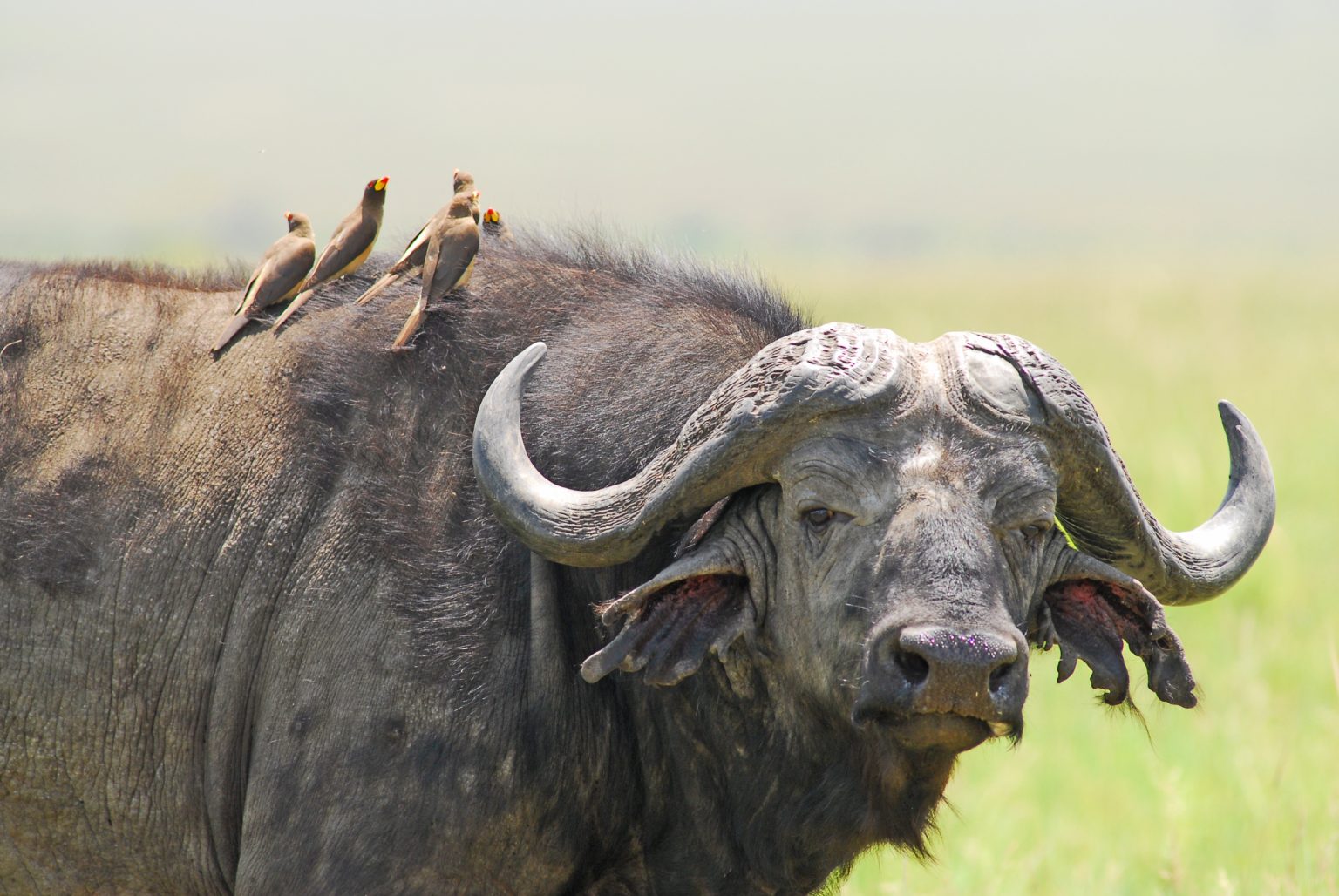
A symbol of strength, survival, and silent migration through the Tano’s wild corridors

Contents
πŸ” Quick Facts🌍 Distribution and HabitatIn the Tano River region, it may occur:πŸƒ Appearance🌿 Behavior and Ecology🐣 Reproduction🧭 Ecological and Cultural Role⚠️ Conservation Concerns🌊 Why It Matters for the Tano River

πŸ” Quick Facts

  • Common Name: African Buffalo
  • Scientific Name: Syncerus caffer
  • Family: Bovidae
  • IUCN Status: Near Threatened
  • Size: 1.0–1.7 meters at the shoulder; 300–800 kg
  • Activity: Diurnal and crepuscular (daytime and twilight)
  • Habitat: Savanna, forest edge, swampy forests, and river valleys

🌍 Distribution and Habitat

The African Buffalo is found across sub-Saharan Africa, including forest and savanna subspecies.

In the Tano River region, it may occur:

  • In swamp forests and riparian grasslands near the TanoΓ©-Ehy Forest Reserve
  • In transitional zones between dense forest and open terrain
  • Within protected corridors that connect Ivory Coast and Ghana

The subspecies most likely present is the Forest Buffalo (Syncerus caffer nanus), smaller and redder than its savanna relatives.


πŸƒ Appearance

  • Color: Reddish-brown (forest buffalo) to dark black (savanna buffalo)
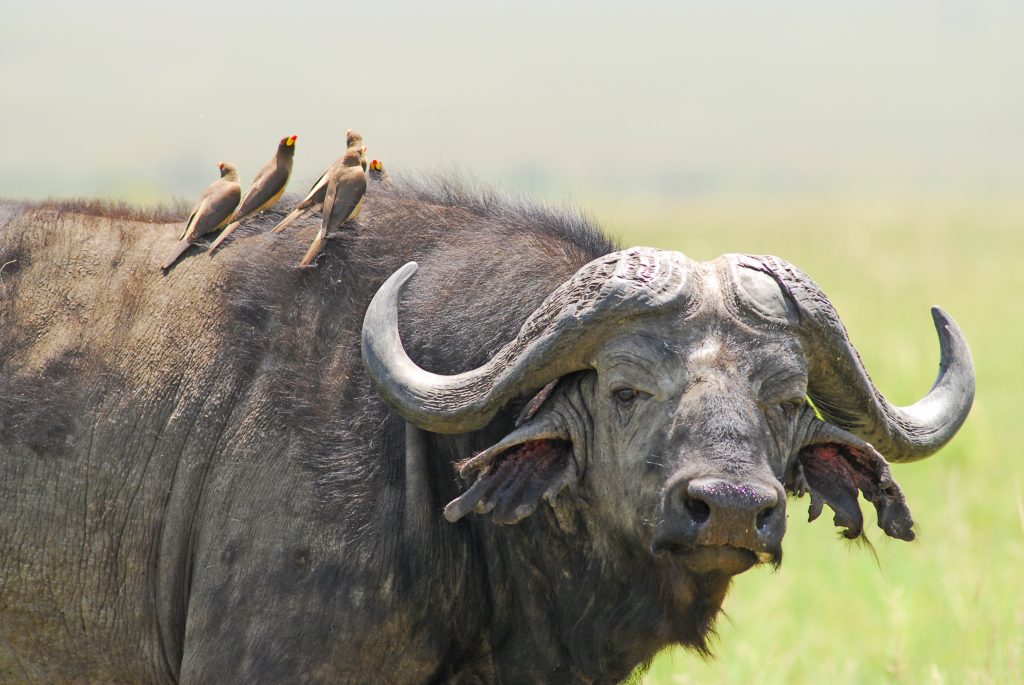
  • Horns: Wide, curved horns forming a boss in mature males
  • Build: Stocky, muscular, with powerful neck and shoulders
  • Tail: Tipped with a tuft of coarse hair

The forest buffalo has a smaller frame and shorter legs, adapted to life in dense vegetation.


🌿 Behavior and Ecology

  • Highly social, living in herds of up to 20–40 individuals in forest zones
  • Grazes and browses, eating:
    • Grasses, shrubs, aquatic plants, and leaves
  • Moves between grazing sites and watering holes, often along forest paths and riverbanks
  • Wary and highly alert to predators

In areas with low disturbance, they maintain seasonal movement patterns, tied to rainfall and vegetation growth.


🐣 Reproduction

  • Breeds year-round, peaking in wet seasons
  • Females give birth to a single calf after an 11-month gestation
  • Calves are kept within the group and protected by adults

Calves are highly vulnerable to predators in their first months.


🧭 Ecological and Cultural Role

The African Buffalo is:

  • A keystone grazer, helping maintain grassy clearings and control forest encroachment
  • A prey species for lions, leopards, and large crocodiles (though few remain in the Tano Basin)
  • A symbol of strength, endurance, and communal defense in many African cultures

Among Akan and neighboring peoples, buffaloes may feature in proverbs, clan totems, and traditional hunting stories.


⚠️ Conservation Concerns

Although not yet endangered, buffalo populations are declining in many regions due to:

  • 🏞 Habitat loss from agriculture and logging
  • 🧱 Fragmentation preventing natural herd movement
  • 🦠 Disease transmission from domestic livestock
  • πŸ”« Poaching, both for meat and conflict with farmers

The forest buffalo is especially vulnerable due to its limited range and dependence on intact rainforest corridors.


🌊 Why It Matters for the Tano River

The African Buffalo is:

  • A reminder that large mammals still roam the green heart of the Tano
  • A vital part of ecological balance, clearing paths and fertilizing soil
  • A symbol of what still survives when forests are allowed to breathe

Though rarely seen, their footprints and dung signal a living ecosystem beneath the canopy.


πŸ”— Have you or elders in your village heard buffalo calls, seen signs like trampled paths, or come across old herding grounds near the Tano? Share your story at [TanoRiver.com/submit]


Sign Up For Daily Newsletter

Be keep up! Get the latest breaking news delivered straight to your inbox.
By signing up, you agree to our Terms of Use and acknowledge the data practices in our Privacy Policy. You may unsubscribe at any time.
Share This Article
Facebook Email Copy Link Print
ByAlexandre Tano Kan Koffi
Follow:

✍️ About the Author

Alexandre Tano Kan Koffi is the founder of TanoRiver.com and a passionate advocate for Africa’s environmental and cultural heritage. Named after the Tano River, he honors his legacy through storytelling and conservation.
πŸ“§ Contact: alex [@] alexandrekoffi.com

Leave a Comment Leave a Comment

Leave a Reply Cancel reply

Your email address will not be published. Required fields are marked *

Receive latest news from all areas of Wildlife Animals

Our selection of the week's biggest research news and features sent directly to your inbox. Enter your email address, confirm you're happy to receive our emails.

HOT NEWS

The Rivers, Lakes & Lagoons Collective

The rivers in Ghana

April 10, 2026

πŸͺ· Cultural Significance of the Tano River

May 5, 2026

✨ Spiritual and Historical Importance of the Tano River

February 13, 2026

πŸ“– Indigenous Stories and Oral Traditions of the Tano River

May 9, 2026

Follow US:Β 

About us

  • 🌍 The Project / Get Involved
  • βœ‰οΈ Contact us
  • πŸ’› Donate
  • 🀝 Partnerships / Collaborate

TanoRiver.com

  • Terms and Conditions
  • Privacy Policy
  • Cookie Policy

Cookies Notice

We use our own and third-party cookies to improve our services, personalise your advertising and remember your preferences.
Welcome Back!

Sign in to your account

Username or Email Address
Password

Lost your password?
