




Executive Summary
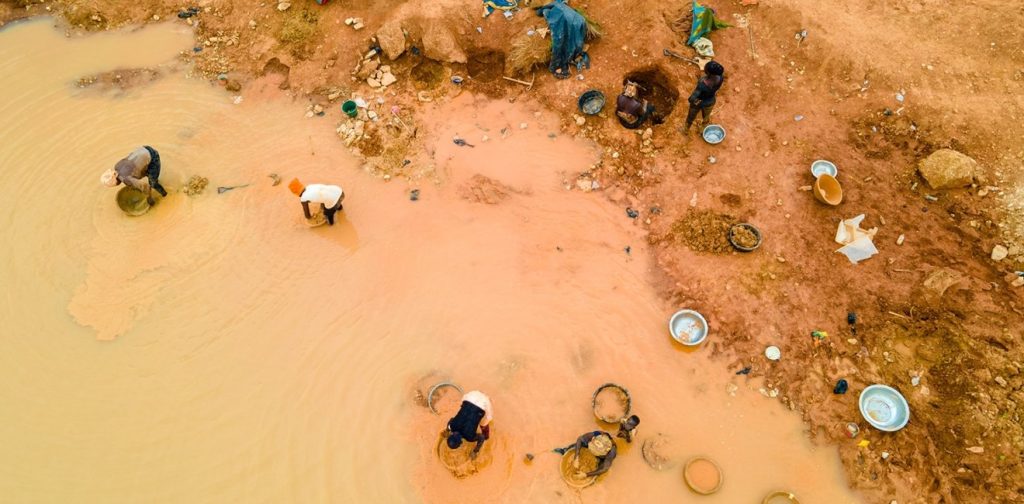
Illegal small-scale gold mining, locally known as “galamsey,” represents a pervasive and escalating crisis in Ghana, with particularly devastating consequences for the Tano River. This report provides a comprehensive analysis of how these unregulated activities severely degrade water quality, alter sediment dynamics, and inflict cascading ecological, public health, and socio-economic damage upon the Tano River basin and its riparian communities.
Galamsey, though historically rooted in traditional artisanal practices, has evolved into a highly destructive enterprise. It involves rudimentary hand-digging alongside heavy machinery like excavators and suction dredges, often operating directly within or adjacent to water bodies. Crucially, these operations rely on the widespread and unregulated use of highly toxic chemicals, primarily mercury and cyanide, for gold extraction. The scale of this activity is immense, with an estimated 20,000 to 50,000 individuals involved, including a significant presence of foreign miners.
The Tano River’s water quality has suffered severe degradation. Studies reveal the pervasive presence of key heavy metal contaminants, including mercury, arsenic, and lead, at levels significantly exceeding World Health Organization (WHO) guidelines. For instance, mercury concentrations in Tano River fish have been found at 2.72 ± 1.36 mg/kg, and arsenic at 3.36 ± 1.52 mg/kg, both well above safe limits for freshwater habitats. Beyond chemical pollution, the river has undergone drastic physicochemical alterations, characterized by extremely high turbidity, reaching up to 4,645 Nephelometric Turbidity Units (NTU) and total suspended solids (TSS) up to 3,615 mg/l, far surpassing acceptable limits. These physical changes are directly linked to critically low dissolved oxygen (DO) levels, as low as 1.43 mg/L, rendering the water unsafe and ecologically compromised.
The physical landscape of the Tano River has been profoundly altered. Galamsey operations generate massive increases in sedimentation and siltation, visibly transforming the river into a “milky-brown” or “muddy” state. This siltation clogs the riverbed, disrupts natural flow patterns, and can lead to a reduction in water volumes, contributing to the “drying up of streams and rivers”. Direct physical degradation through riverbed excavation and channel alterations further compounds these issues, impacting the river’s overall morphology and hydrological processes.
The consequences of galamsey extend far beyond the immediate environmental damage, creating a complex crisis. The degradation of the Tano River is not merely an environmental problem but a profound socio-ecological challenge. The pervasive youth unemployment and lack of job security drive individuals into illegal mining, which, in turn, destroys the very natural resources—clean water, fertile land, and fish stocks—essential for traditional, sustainable livelihoods like farming and fishing. This destruction exacerbates poverty and food insecurity, potentially pushing more people into galamsey, thereby creating a reinforcing feedback loop of environmental degradation and socio-economic vulnerability. Addressing this necessitates holistic solutions that integrate robust environmental enforcement with sustainable socio-economic development and alternative livelihood programs to break this cycle.
Furthermore, the full costs of galamsey are often underestimated, extending beyond direct pollution to encompass significant hidden and cascading societal burdens. These include increased financial strain on public utilities for water treatment, as high turbidity renders water difficult and costly to purify. There is also an immense burden on already inadequate local healthcare facilities due to rising disease prevalence, including chronic diseases and birth defects linked to long-term exposure to contaminants. The loss of critical ecosystem services, such as natural water purification and carbon sequestration, due to widespread deforestation associated with mining further adds to these costs. A comprehensive assessment of galamsey’s impact must quantify these broader costs to demonstrate that the perceived short-term economic benefits are vastly outweighed by the true societal and environmental burdens.
While recent government and stakeholder interventions, such as “Operation Halt,” have shown some positive short-term results in river clarity in areas like the Tano River , the deep-seated drivers and long-term impacts of galamsey necessitate comprehensive, sustained, and multi-faceted strategies. These must address not only the immediate environmental damage but also the underlying socio-economic factors and governance failures that perpetuate this menace.
1. Introduction: The Galamsey Phenomenon in Ghana
1.1 Defining Galamsey: Practices, Scale, and Underlying Drivers
Galamsey is the colloquial term for illegal small-scale gold mining in Ghana, derived from the English phrase “gather them and sell”. Historically, this term referred to traditional, rudimentary artisanal mining practices where local communities would gather and search for gold in rivers and streams. However, in recent decades, the practice has undergone a significant transformation, evolving to encompass both legal and artisanal small-scale mining (ASM) and, more critically, large-scale illegal operations that utilize advanced equipment.
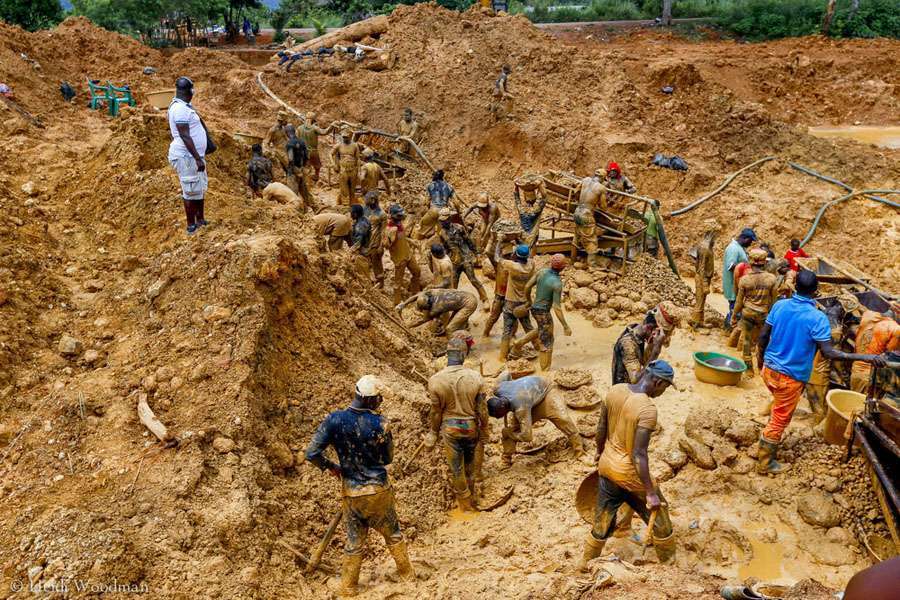
The methods employed by galamseyers vary but are consistently destructive. They range from hand-digging small working pits, tunnels, and sluices to the use of heavy machinery such as excavators and suction dredges for extensive river and stream dredging. These operations are highly water-intensive, often conducted directly within or immediately adjacent to water bodies, requiring a high volume of clean water for gold extraction. A critical and highly problematic aspect of these practices is the widespread and unregulated use of toxic chemicals, primarily mercury and cyanide, for gold processing. Mercury is used to bind gold particles, while cyanide is employed in leaching, both of which are then often discharged directly into the environment.
The scale of galamsey activities in Ghana is substantial and difficult to precisely quantify, with estimates ranging between 20,000 and 50,000 individuals involved, including thousands of foreign miners, particularly from China. These operations are concentrated in Ghana’s mineral-rich southern regions, frequently encroaching upon land granted to larger, licensed mining companies. Globally, artisanal and small-scale gold mining (ASGM) contributes approximately 15% of the total gold output, supporting the livelihoods of up to 15 million people directly and an additional 80 to 100 million indirectly.
The problem’s severity is not just due to the existence of galamsey but its intensification and mechanization. The advent of earth-moving equipment and the proliferation of large excavators among galamsey operators signifies a shift from traditional, low-impact artisanal mining to a more industrialized, high-impact form. This technological advancement, coupled with the influx of foreign miners, directly correlates with the dramatic rise in environmental degradation observed across Ghana’s natural resources in recent years. The scale of destruction that can now be achieved is alarming, with large tracts of land and water bodies being destroyed within hours or a single day. This industrialization of “artisanal” mining necessitates a re-evaluation of mitigation strategies, as traditional approaches designed for truly rudimentary operations are insufficient against such destructive, capital-intensive illegal mining.
The primary motivations for individuals engaging in galamsey are deeply rooted in socio-economic factors, notably pervasive youth unemployment, lack of job security, and limited alternative formal employment opportunities, especially in rural regions where traditional livelihoods like farming are often insufficient. Many young university graduates struggle to find sustainable work, pushing them towards illegal mining as a means to earn a living for themselves and their families. However, these socio-economic drivers are enabled and exacerbated by systemic governance failures. These include bureaucratic and cumbersome licensing regimes, weak legal frameworks, failures in political and traditional leadership, and widespread corruption among officials. The lack of effective regulation and enforcement allows destructive practices to flourish, which in turn degrades the natural resource base, trapping communities in a vicious cycle of poverty and environmental decline. Effective solutions must therefore address this complex interplay, recognizing that environmental protection cannot be achieved without simultaneously addressing socio-economic root causes and strengthening governance structures to prevent illicit activities and ensure accountability.
1.2 The Tano River Basin: Geographic Context and Importance
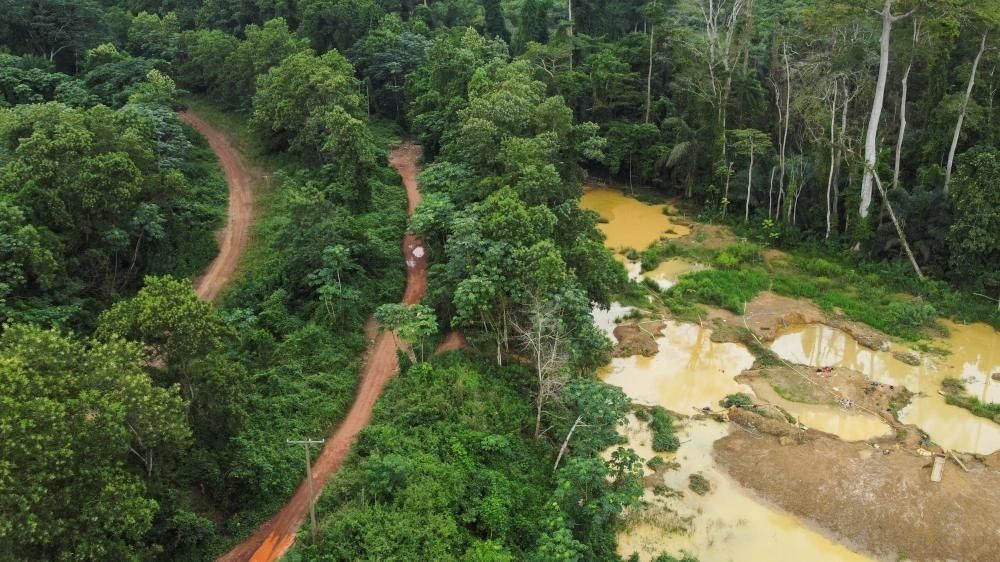
The Tano River, also known as Tanoé River, is a significant and vital water body in West Africa, spanning approximately 400 kilometers (250 miles). Its source is near Techiman in Ghana’s Bono East Region, from where it flows southward, eventually emptying into the Atlantic Ocean via the Ehy, Tendo, and Aby Lagoons in Ivory Coast. A notable geographical feature is that its lower course forms part of the international land boundary between Ghana and Ivory Coast. The Tano River is an integral component of the larger Ankobra-Tano Basin, a region of considerable economic importance for activities such as gold and bauxite mining, timber extraction, and agricultural production.
Beyond its geographical and economic significance, the Tano River holds profound ecological and socio-cultural importance. It serves as a critical freshwater reserve, providing essential water for drinking, agriculture, and sustaining diverse aquatic ecosystems. Culturally, the river is revered, with indigenous Bono beliefs associating its source with Taakora, considered the highest of the Bono gods on Earth. Ecologically, the forest ecosystem situated between the Tano River and Ehy Lagoon is a crucial habitat for endangered species, including the last known individuals of Miss Waldron’s Red Colobus, one of the world’s most threatened primates.
The Tano River has been explicitly identified as one of Ghana’s major river systems most severely impacted by illegal mining activities. Reports consistently indicate that its once-clear waters have been drastically transformed into “milky-brown” and “muddy” conditions due to heavy pollution from galamsey, particularly in the Western Region. This widespread degradation underscores its extreme vulnerability to the unregulated and destructive practices of illegal mining.
The Tano River’s degradation is not merely a localized issue but serves as a critical indicator of Ghana’s broader national environmental health and presents a complex transboundary challenge. While numerous Ghanaian rivers, including the Pra, Ankobra, Birim, Offin, Oti, Bia, and Oda, are affected by galamsey , the Tano River is repeatedly highlighted as “heavily polluted” , “poisoned” , and exhibiting extreme turbidity. This makes it a particularly salient case study for understanding the full spectrum of galamsey impacts on river systems. Its transboundary nature, forming part of the international boundary with Ivory Coast, further complicates governance and mitigation efforts, as pollution originating in Ghana directly affects downstream communities and ecosystems in a neighboring country. Therefore, findings and successful interventions in the Tano Basin can serve as a critical model for broader national and transboundary water resource management strategies.
Moreover, the Tano River basin faces cumulative stressors that significantly reduce its ecosystem resilience. The region is characterized by multiple competing land uses, including extensive mining and agriculture. Evidence suggests that “inappropriate use of agrochemicals” and “unsustainable approach of farming” also exacerbate surface water pollution. This indicates that galamsey is not the sole stressor on the river but rather a major compounding factor within a landscape already facing multiple anthropogenic pressures. The river’s ecological importance, supporting endangered species, means these cumulative stressors significantly reduce its overall capacity to absorb environmental shocks and recover naturally. A truly effective management and restoration plan for the Tano River basin must therefore adopt a holistic, integrated approach that considers and mitigates the cumulative impacts of all human activities within the watershed, not just illegal mining in isolation. This necessitates multi-sectoral planning and coordination to ensure long-term sustainability.
2. Impact on Water Quality of the Tano River
2.1 Chemical Contamination: Heavy Metals and Toxic Substances
Galamsey operations are a significant and pervasive source of hazardous substances released into the Tano River. The primary contaminants include a range of heavy metals such as mercury (Hg), arsenic (As), lead (Pb), cadmium (Cd), iron (Fe), manganese (Mn), and zinc (Zn), alongside highly toxic chemicals like cyanide (CN) and other pollutants such as hydrocarbons, soot, and nitrates. These substances are either directly utilized in the crude gold extraction process, such as mercury for amalgamation and cyanide for leaching, or are released as byproducts from ore processing, acid mine drainage, and the erosion of waste residues (tailings). The unregulated and crude nature of these mining processes ensures that these toxic materials are directly discharged into the river system.
Studies focusing on the Tano River and other galamsey-affected areas in Ghana reveal alarming concentration levels of these pollutants.
Table 1: Concentrations of Key Heavy Metals in Tano River Water, Sediment, and Fish (compared to WHO/EPA guidelines)
| Contaminant | Medium | Tano River Reported Concentration (Mean ± SD) | WHO/EPA/Ghanaian Guideline Limit (for drinking water/freshwater habitats) | Exceedance Factor/Comment |
| Mercury (Hg) | Water | 0.01 ± 0.01 mg/L | WHO Drinking Water: 0.006 mg/L | Exceeds WHO drinking water limit. |
| Sediment | 1.09 ± 0.73 mg/kg | WHO Freshwater Habitat: 0.001 mg/L (water equivalent) | High levels, indicating significant accumulation. | |
| Fish (overall) | 2.72 ± 1.36 mg/kg | FAO/WHO Fish Muscle: 0.5 mg/kg | Significantly exceeds safe consumption limits. | |
| Arsenic (As) | Water | 0.07 mg/L | WHO Drinking Water: 0.01 mg/L | Significantly exceeds WHO drinking water limit. |
| Sediment | 0.47 ± 0.29 mg/kg | No specific WHO sediment guideline provided | High levels, indicating significant accumulation. | |
| Fish (overall) | 3.36 ± 1.52 mg/kg | FAO/WHO Fish Muscle: 1.0 mg/kg | Significantly exceeds safe consumption limits. | |
| Lead (Pb) | Water | 0.11 ± 0.07 mg/L | WHO Drinking Water: 0.01 mg/L | Exceeds WHO drinking water limit. |
| Sediment | 2.75 ± 6.68 mg/kg | EPA Sediment: 46.7 mg/kg (ERL) | Below ERL, but still present. | |
| Fish (overall) | 0.12 ± 0.10 mg/kg | FAO/WHO Fish Muscle: 0.3 mg/kg | Within limits, but still a concern. | |
| Iron (Fe) | Water | Not specified for Tano, but generally >WHO limits | WHO Drinking Water: 0.3 mg/L | Frequently above WHO limits in affected areas. |
- Mercury (Hg): Studies consistently show elevated mercury levels in the Tano River. Overall, mercury was found in the highest amounts in fish (average 2.09 ± 1.29 mg/kg), followed by sediment (1.40 ± 1.78 mg/kg), and then water (0.09 ± 0.36 mg/L). Specifically for the Tano River, water samples showed concentrations of 0.01 ± 0.01 mg/L, sediment 1.09 ± 0.73 mg/kg, and fish (overall for sampled species) 2.72 ± 1.36 mg/kg. These levels significantly exceed WHO safe limits for freshwater habitats , with some reports indicating water concentrations around 500 times more than WHO guidelines for safe drinking water.
- Arsenic (As): Arsenic concentrations in the Tano River also pose a significant concern. Similar to mercury, arsenic was found in highest amounts in fish (average 2.80 ± 1.52 mg/kg), then sediment (0.61 ± 0.40 mg/kg), and water (0.06 ± 0.05 mg/L). For the Tano River specifically, water levels were 0.07 mg/L, sediment 0.47 ± 0.29 mg/kg, and fish 3.36 ± 1.52 mg/kg. These concentrations are consistently higher than those considered safe by the WHO for use in freshwater habitats.
- Lead (Pb): Lead concentrations in the Tano River were also notable, with higher levels generally found in sediment (average 1.46 ± 4.26 mg/kg) compared to water (0.14 ± 0.10 mg/L) and fish (0.11 ± 0.11 mg/kg). Tano River specific data showed Pb in water at 0.11 ± 0.07 mg/L, sediment at 2.75 ± 6.68 mg/kg, and fish at 0.12 ± 0.10 mg/kg. Lead levels exceeded permissible values for irrigation at 30% of sampled sites in Ghana.
- Other Metals: Iron (Fe) and Phosphorus (P) levels were found to be above WHO recommended values at over 80% of sampled sites in Ghana , with significant levels of Fe exceeding guidelines in galamsey-affected rivers.
The distribution of heavy metals consistently shows that they are found in highest amounts in fish, followed by sediment, and then water. This pattern is not arbitrary; it signifies that river sediments act as a long-term reservoir for these pollutants. Heavy metals, due to their inert nature, persist indefinitely in the aquatic environment, meaning that even if active mining ceases or water column concentrations decrease, the contaminated sediments will continue to leach metals and facilitate their entry into the food web. This implies that merely stopping active galamsey or improving water clarity will not eliminate the long-term environmental and health risks. Comprehensive remediation strategies must consider the removal or stabilization of contaminated sediments to truly restore the Tano River’s ecological health and ensure the safety of its biota and human consumers.
The problem of heavy metal contamination extends beyond immediate acute health effects to an insidious, long-term public health crisis with intergenerational consequences. Heavy metals remain in the aquatic environment indefinitely. Mercury, in particular, undergoes transformation into methylmercury, an extremely toxic form that readily accumulates in fish. The consumption of contaminated fish can lead to mercury poisoning in humans, resulting in neurological disorders, developmental defects in children, kidney damage, various cancers, and reproductive issues, including infertility and birth defects. These are often delayed-onset conditions, making the link to galamsey less immediate but profoundly impactful across generations. Fish serve as important biomonitors for assessing the extent of heavy metal contamination and bioaccumulation in aquatic systems.
The Tano River is not merely generally polluted; it represents a particularly severe case of heavy metal contamination. Studies explicitly state that “Tano and Ankobra have As and Hg concentrations higher than those considered safe by the World Health Organization (WHO) for use in freshwater habitats” and, critically, that “Tano appears to be more polluted than the Ankobra River, as evidenced by the greater levels of As and Hg in Tano fish than in Ankobra fish”. This comparative analysis indicates that the Tano River is a severe hotspot requiring prioritized intervention. Its highly contaminated status underscores the urgency for immediate and intensive intervention, serving as a critical location for piloting and evaluating the effectiveness of advanced remediation technologies and integrated management strategies.
2.2 Physicochemical Alterations: Turbidity, pH, and Dissolved Oxygen
Galamsey activities are directly responsible for the dramatic physical degradation of the Tano River’s water quality, causing its once-clear waters to turn “milky-brown” and “muddy”. This visible alteration is a direct result of the “uncontrolled excavation of soil and/or water bodies” and the washing of alluvial gold, which introduces vast amounts of suspended particulate matter into the river.
- Turbidity and Total Suspended Solids (TSS): Reported turbidity levels in galamsey-affected rivers, including the Tano, have reached extreme values of up to 4,645 Nephelometric Turbidity Units (NTU), with an average of 488 NTU. These values significantly exceed the Water Resources Commission (WRC) upper limit of 5 NTU and the Ghana Water Company’s normal turbidity level for water treatment, which should not exceed 500 NTU. Similarly, Total Suspended Solids (TSS) levels ranged from 4 to 3,615 mg/l, with an average of 382 mg/l, far surpassing the WRC limit of 100 mg/l. The high turbidity is particularly pronounced in communities with active small-scale mining, indicating a strong influence of these activities on surface water chemistry.
Table 2: Reported Turbidity and Dissolved Oxygen Levels in Galamsey-Affected Rivers (including Tano where specific data is available), compared to acceptable limits
| Parameter | Reported Range/Average in Galamsey-Affected Rivers (e.g., Tano) | Relevant WHO/EPA/Ghanaian Guideline Limit | Exceedance Factor/Comment |
| Turbidity (NTU) | 12-4645 NTU (Avg. 488 NTU) | WRC: 5 NTU ; Ghana Water Co. Normal: <500 NTU | Significantly exceeds WRC limit; can exceed Ghana Water Co. normal. |
| Total Suspended Solids (TSS, mg/L) | 4-3615 mg/l (Avg. 382 mg/l) | WRC: 100 mg/l | Significantly exceeds WRC limit. |
| Dissolved Oxygen (DO, mg/L) | 1.43-2.40 mg/L | EPA Ghana: >5 mg/L for healthy aquatic life | Critically low for aquatic life. |
The consistent description of the Tano River turning “milky-brown” and “muddy” due to “extremely high” turbidity highlights turbidity as the most immediate and visually striking symptom of galamsey. The fact that turbidity levels are drastically above acceptable limits and are prevalent near mining communities indicates that turbidity monitoring can serve as a highly effective, rapid assessment tool for identifying active galamsey sites and gauging the intensity of their physical impact. This means that turbidity monitoring can be a cost-effective and immediate indicator for environmental agencies, aiding in real-time enforcement, early warning systems for communities, and rapid assessment of initial restoration efforts.
- Dissolved Oxygen (DO): The extremely high turbidity and increased organic load in galamsey-affected waters are directly correlated with critically low levels of Dissolved Oxygen (DO). An inverse relationship exists, where high turbidity leads to decreased DO due to heightened microbial activity during the degradation of organic matter. Reported DO levels in affected water bodies were alarmingly low, ranging from 1.43 mg/L to 2.40 mg/L. This direct link between high turbidity and critically low dissolved oxygen reveals a crucial ecological cascade. High turbidity reduces light penetration, affecting aquatic photosynthesis, while the increased organic load from mining waste fuels microbial decomposition, consuming oxygen. This severe reduction in DO directly threatens the survival of fish and other aquatic organisms, leading to a decline in biodiversity and disruption of the entire food web. This implies that the physical impact of sedimentation (turbidity) has profound and immediate chemical and biological consequences, fundamentally altering the river’s capacity to sustain life and perform vital ecosystem services.
- pH: While some studies on galamsey-affected areas in Ghana indicate that pH levels may remain within EPA Ghana standards , other data suggests that pH can be above WHO recommended values. Research also indicates that pH may influence sediment metal dynamics, potentially affecting the solubility and bioavailability of heavy metals. In the Tano Basin, a positive correlation has been observed between pH and other parameters like total dissolved solids, alkalinity, and electrical conductivity. The observation that pH may influence sediment metal dynamics points to a subtle but critical interaction. Changes in pH can significantly alter the solubility, speciation, and bioavailability of heavy metals, potentially mobilizing them from sediments into the water column or increasing their uptake by aquatic organisms, even if overall metal concentrations appear stable. This means pH could act as a hidden trigger for increased toxicity. Therefore, a deeper, more consistent monitoring of pH fluctuations directly linked to galamsey activities in the Tano River is essential for predicting heavy metal behavior, assessing long-term risks, and designing more effective and targeted remediation strategies that consider the complex chemistry of the river system.
3. Impact on Sediment Dynamics and River Morphology
3.1 Increased Sedimentation and Siltation
Galamsey activities are a primary driver of increased sedimentation and siltation in the Tano River. The mining methods, particularly “washing plant,” “washing board,” “pit dredging,” and “stream/river dredging,” involve the “uncontrolled excavation of soil and/or water bodies”. This process, especially the “washing of alluvial gold” and the digging of pits and excavations along or within water bodies , generates vast quantities of fine sediment. Furthermore, the extensive deforestation associated with galamsey contributes significantly to increased soil erosion, washing even more sediment into the river system.
The massive influx of sediment leads to “severe siltation of the topsoil in the water bodies”. This siltation visibly transforms rivers, turning them “milky-brown” and “muddy”. The Tano River, in particular, has been described as “clogged with sediment” and exhibiting “high turbidity”. This sedimentation is not merely an aesthetic problem; it directly impacts the river’s hydrological function by “depleting water volumes” and “disrupting the feeding of rivers”. This can lead to a significant reduction in water levels and even cause rivers to “gradually drying out”.
While in-stream mining directly generates sediment, the problem of sedimentation is also a symptom of broader landscape degradation. The research indicates that galamsey leads to widespread “deforestation” and “soil degradation”. The removal of protective vegetative cover due to deforestation results in increased surface runoff and severe soil erosion, which then transports vast amounts of sediment into the river system. This clearly demonstrates that the river’s sedimentation problem is not isolated to the river channel but is a direct consequence of widespread land disturbance across the entire watershed. Therefore, effective river restoration strategies must extend beyond the riverbanks to include comprehensive land management, reforestation, and soil stabilization efforts throughout the Tano River basin to reduce sediment input from terrestrial sources.
The accumulation of silt creates a self-aggravating cycle of siltation and hydrological stress. Siltation “depleting water volumes” and “disrupted the feeding of rivers” , which in turn leads to rivers “gradually drying out”. This represents a critical positive feedback loop: as sediment accumulates, it reduces the river’s channel capacity, making it shallower and more prone to evaporation and reduced flow, especially during dry seasons. This exacerbates water scarcity and further concentrates pollutants, creating a less hospitable environment for aquatic life and human use. This hydrological stress impacts water availability for communities and agriculture, compounding socio-economic challenges beyond just pollution. It also impairs the river’s natural self-purification capacity and its ability to flush out pollutants, making restoration more challenging.
3.2 Riverbed Degradation and Channel Alterations
Galamsey operations directly involve significant physical alteration of riverbeds and banks, leading to profound morphological changes. Miners “dig small working pits, tunnels, and sluices by hand” and extensively utilize “suction dredges” for “stream/river dredging”. They explicitly “excavate riverbeds for alluvium” , engaging in “uncontrolled excavation of soil and/or water bodies”. These activities result in the creation of numerous “large pits” within and along the river, fundamentally reshaping its natural contours.
The cumulative effect of these direct excavations and the massive sediment loads leads to profound changes in the river’s morphology. The “destruction of water bodies” and “degradation of riverbanks” strongly imply significant alterations to the river’s channel shape, depth, and stability. The Tano River has been broadly described as “degraded”. This physical damage extends beyond the immediate excavation sites; the massive sediment load generated by these activities, even without direct digging, indirectly alters channel shape, depth, and stability by filling in deeper sections and raising the riverbed. The degradation of riverbanks further suggests instability caused by altered flow dynamics or direct disturbance. Therefore, restoration efforts must consider both the direct physical reshaping of the riverbed through excavation and the broader hydrological and ecological consequences of altered sediment transport and deposition. A holistic approach to river restoration requires geomorphological engineering alongside pollution control.
Encouragingly, recent government interventions, such as “Operation Halt,” have led to reports of the Tano and Bia rivers “clearing up” and “regaining their natural state”. This suggests that some physical changes, particularly high turbidity, can be reversed with sustained efforts to curb illegal mining. However, it is crucial to recognize the distinction between superficial and structural recovery. The “clearing up” primarily refers to a reduction in turbidity, which is a visible and relatively rapid change. However, the physical digging of “large pits” and the long-term “destruction of water bodies” imply more permanent, structural morphological changes to the riverbed and banks. While water clarity may improve, the underlying physical integrity of the river channel and its associated habitats may remain severely compromised. This means that policymakers and the public should be aware that “restoration” of clarity does not equate to full ecological recovery. The deeper, structural damage to the river’s morphology and ecosystem may require more intensive, long-term, and costly restoration efforts, potentially including physical reshaping and habitat reconstruction.
3.3 Consequences for River Flow Regimes and Hydrological Processes
The extensive sedimentation and physical alterations caused by galamsey significantly disrupt the natural flow regimes of rivers, leading to far-reaching hydrological consequences. Siltation “disrupted the feeding of rivers” , impacting the natural hydrological cycle and altering the seasonal quantity and quality of river flow. This disruption can lead to a “gradual shift of the land use along this water body for illegal mining activities upstream drastically affect the socio-economic activities developed along the Bia River downstream” , implying altered flow patterns that affect downstream communities and their reliance on the river.
Paradoxically, while causing rivers to dry up, siltation can also exacerbate flooding. The accumulation of sediment reduces the river’s channel capacity, meaning that during periods of heavy rainfall, the river overflows its banks more easily, leading to increased and more severe flooding. This highlights a dangerous dual impact on water management.
The altered flow regimes and increased siltation have broader implications for national infrastructure and energy security. Siltation affects “hydro facilities such as Akosombo and Bui generate less power” , indicating a direct impact on Ghana’s energy production and overall economic stability. This systemic reach of hydrological impacts extends beyond localized mining sites, affecting critical national infrastructure and regional water management. Addressing these impacts requires a basin-wide management approach, involving inter-ministerial coordination (e.g., environment, energy, agriculture) and potentially transboundary cooperation for shared rivers.
A critical consequence is the reduction in water availability. Reports indicate the “drying up of streams and rivers due to galamsey” and that major rivers like the Tano are “gradually drying out”. This directly impacts water accessibility for drinking, domestic use, and agricultural irrigation, further stressing communities already grappling with pollution. This disruption also makes the Tano River basin, and Ghana’s water resources generally, far more vulnerable to the effects of climate change. A river system already stressed by reduced capacity, altered flow, and increased siltation will have significantly less resilience to extreme weather events such as prolonged droughts or intense rainfall, which are projected to increase with climate change. This means galamsey activities are not just an environmental problem but actively undermine Ghana’s adaptive capacity to climate change, creating a dangerous “double burden” on water resources, food security, and human populations. This highlights the urgent need to integrate galamsey mitigation into national climate adaptation strategies.
4. Broader Ecological and Socio-Economic Consequences
4.1 Degradation of Aquatic Ecosystems and Biodiversity Loss
Galamsey activities directly cause extensive “habitat destruction” , particularly devastating “riverine habitats”. The clearing of forests along riverbanks and the widespread digging of pits and trenches lead to a significant “loss of habitat for wildlife” both within and adjacent to the river. This physical alteration of the landscape fundamentally disrupts the ecological balance.
The influx of toxic chemicals, including heavy metals and cyanide, directly poisons fish and other aquatic wildlife. The “sediments deposited into water bodies… are toxic to aquatic life”. Furthermore, the critically low dissolved oxygen levels, a direct consequence of high turbidity and organic load, create an anoxic environment unsuitable for most aquatic species. This combination of chemical toxicity and physical stress leads to a severe decline in aquatic life.
The combined effects of habitat destruction and severe water pollution have led to a drastic “decline in fish populations and other aquatic organisms”. Local accounts from affected rivers, serving as proxies for the Tano, lament the disappearance of fish, with one woman stating, “I hardly think there are any fish in it now”. Fishermen have reported a “significant decline in fish catch,” directly impacting their livelihoods and the local food supply.
This decline in fish populations and destruction of habitats are not merely isolated incidents of species loss. The critically low dissolved oxygen levels indicate a fundamental physiological stressor that impacts the entire aquatic food web and ecosystem function. This suggests a broader “ecological imbalance” and a significant reduction in the river’s capacity to provide essential “ecosystem services” , such as natural water purification, nutrient cycling, and flood regulation. The Tano River is not just polluted; its entire ecological integrity is compromised, moving towards a state of ecosystem collapse. This has long-term implications for the river’s ability to recover naturally and sustain any form of biological productivity, requiring extensive and potentially costly ecological restoration efforts.
The cumulative impact of galamsey contributes to widespread “biodiversity loss” and a severe “ecological imbalance”. The Tano River basin is home to ecologically significant and endangered species, such as Miss Waldron’s Red Colobus , whose terrestrial habitats are threatened by the associated land degradation and deforestation. The research repeatedly mentions deforestation and soil erosion as direct consequences of galamsey on land. These terrestrial impacts directly contribute to the sedimentation and pollution of rivers. This highlights that the health and biodiversity of the Tano River are inextricably linked to the health of its surrounding watershed and forest cover. Therefore, effective river restoration and biodiversity conservation cannot occur in isolation within the river channel. They necessitate integrated land management practices across the entire Tano River basin, including aggressive reforestation, sustainable agriculture, and strict controls on land use to prevent further erosion and pollutant runoff.
4.2 Public Health Implications for Local Communities
Local populations, including miners and riparian communities, face severe and multifaceted health risks due to multiple exposure pathways from galamsey activities. They are directly exposed to hazardous compounds like mercury, cyanide, arsenic, lead, cadmium, and hydrocarbons. Exposure primarily occurs through the consumption of contaminated water for drinking, cooking, bathing, and agriculture. Additionally, ingestion of contaminated fish and crops, which absorb heavy metals from the polluted environment, poses a significant dietary exposure route. Inhalation of toxic fumes and dust released during mining operations, particularly from blasting rocks and burning mercury-gold amalgam, also contributes to health risks.
The range of health conditions linked to galamsey-related pollution is extensive and alarming:
- Heavy Metal Poisoning: Mercury poisoning is a significant and well-documented risk, leading to neurological disorders, developmental defects in children, kidney damage, and various cancers. Mercury disrupts the endocrine system, impairing sex hormone production and contributing to infertility. Lead exposure has been linked to reduced sperm count and motility in men, and increased risk of miscarriages and preterm births in women. Cadmium can cause testicular damage and reduce sperm quality. Arsenic and other heavy metals accumulate in the body over time, leading to heavy metal poisoning symptoms like memory loss, tremors, headaches, and in severe cases, organ failure.
- Respiratory Conditions: The blasting of rocks and burning of chemicals release toxic fumes, dust, and harmful particulate matter into the atmosphere, contributing to respiratory diseases such as asthma, chronic bronchitis, lung infections, and silica-induced pneumoconiosis.
- Waterborne Diseases: The consumption of contaminated river water, often the primary source for 70% of homes in affected communities, leads to an increase in waterborne diseases such as cholera, diarrhea, and dysentery.
- Other Conditions: Galamsey is also linked to various cancers, cardiovascular issues (including hypertension), metabolic diseases, and congenital defects (birth defects). Pregnant women exposed to contaminated waters risk giving birth to children with cognitive impairments. Abandoned mining pits serve as breeding grounds for mosquitoes, leading to surges in malaria cases, and attract other disease-carrying insects, increasing the risk of dengue fever and schistosomiasis.
The health impacts are cumulative and chronic, often manifesting as long-term conditions rather than immediate acute illnesses. This makes the link to galamsey less immediately obvious but profoundly impactful across generations. Children are particularly vulnerable, as their bodies absorb toxins more readily than adults, and exposure can lead to developmental defects and stunted growth. This creates a significant burden on public health infrastructure. Many mining communities lack proper medical facilities, leaving victims of galamsey-related illnesses without adequate treatment. The long-term health consequences, including chronic diseases and birth defects, represent an immense, accumulating societal cost that will burden Ghana’s healthcare system and future generations for decades. This necessitates sustained health surveillance, long-term epidemiological studies, and robust public health interventions alongside environmental remediation.
4.3 Socio-Economic Impacts and Livelihood Disruption
The environmental devastation caused by galamsey has profound and far-reaching socio-economic consequences for communities in the Tano River basin and across Ghana.
- Loss of Traditional Livelihoods: The severe pollution of river bodies, decline in fish populations, and contamination of agricultural lands directly undermine traditional livelihoods. Rivers that once supported fishing are now barren, forcing fishermen to abandon their trade. Similarly, toxic chemicals seep into the soil, affecting crop yields and contaminating food sources, rendering fertile farmlands barren and unproductive. Farmers struggle to produce enough food, leading to a significant decrease in agricultural productivity. This loss of primary means of subsistence pushes communities further into economic hardship.
- Food Insecurity and Economic Hardship: The decline in agricultural output and fish stocks directly leads to food insecurity and drives up food prices in mining communities, exacerbating poverty. Communities are forced to import food items that were previously produced locally, increasing the cost of living.
- Increased Poverty and Social Instability: The economic instability is further exacerbated by the loss of traditional livelihoods and the displacement of communities as mining activities encroach on residential areas. This can lead to increased poverty and potential social unrest due to resource scarcity and competition. The perceived short-term economic benefits of galamsey, such as providing employment and income to thousands, particularly in areas with limited formal opportunities, are often highlighted. However, this comes at the cost of long-term environmental devastation and extreme poverty for those who remain after easily exploitable gold reserves are depleted. The economic paradox is that while galamsey offers immediate financial gains for some, it systematically erodes the natural capital and long-term economic resilience of communities. The true societal and environmental burdens far outweigh the perceived benefits, leading to a net negative impact on well-being and sustainable development.
- Impact on Education and Social Fabric: The promise of quick money from galamsey lures children as young as 10 years old into dangerous labor, leading to increased school dropout rates and rising illiteracy levels. This perpetuates a cycle of poverty by limiting future opportunities. Additionally, galamsey sites are often associated with social ills such as drug abuse, prostitution, gambling, and increased crime, further degrading the social fabric of affected communities.
The erosion of community resilience and increased dependency are critical consequences. Communities that once relied on diverse, sustainable livelihoods become dependent on a volatile, destructive activity. This dependency is often facilitated by opaque market practices and unethical gold dealers, leaving miners vulnerable due to their lack of bargaining power and financial literacy. This situation significantly reduces the capacity of communities to adapt to environmental changes or economic shocks, making them more vulnerable to future crises.
5. Mitigation Efforts and Outlook
5.1 Current Interventions and Challenges
The government of Ghana, in response to widespread public outcry and the severe impacts of galamsey, has undertaken various interventions to curb illegal mining activities. A significant measure was the ban on illegal small-scale mining activities in March 2017, which temporarily halted both legal and illegal artisanal miners. Subsequent efforts have included the deployment of military teams, such as the “Operation Halt” team, specifically tasked with weeding out galamsey operators from water bodies. These operations have yielded some positive developments, with reports indicating that rivers like the Tano and Bia have started “clearing up” and regaining their natural color and state following these interventions. This suggests that with sustained pressure, the visible degradation of water bodies can be reversed.
Furthermore, the government has announced initiatives like the “Blue Water Initiative,” which aims to clear all water bodies from illegal mining activities through the use of river guards. There are also ongoing efforts to review the mining sector and licensing regimes, with a working group of experts tasked to recommend radical reforms to sanitize illegal mining within forest reserves and water bodies. Collaboration with the Ministry of Environment, Science and Technology is also underway to establish a responsive legal framework for small-scale mining in ecologically sensitive areas. In the medium to long term, initiatives like the “Tree for Life Reforestation Initiative” aim to restore degraded landscapes and promote sustainable forest management to combat biodiversity loss and water pollution. Alternative livelihood programs are also being explored to reduce dependence on galamsey by providing sustainable employment opportunities for young people.
Despite these efforts, persistent challenges hinder the complete eradication of galamsey and the full restoration of affected areas. The problem of weak enforcement, political complicity, and corruption among officials remains a significant impediment, allowing illegal mining to persist. Illegal miners are often heavily armed with sophisticated weapons, making it difficult for forest guards and rapid response teams to control them. The lack of sustainable alternative livelihoods continues to drive many individuals back to galamsey, as evident from the fact that despite bans, illegal mining activities have increased in recent years. The scale of environmental damage is immense, with over 60% of Ghana’s water bodies polluted due to galamsey as of September 2024. The degradation of 9 out of 44 forest reserves, with some completely taken over by illegal mining, further illustrates the magnitude of the challenge.
5.2 Recommendations for Sustainable Management
Addressing the complex and pervasive issue of galamsey requires a multi-faceted, integrated, and sustained approach that transcends short-term interventions.
- Holistic Regulatory and Enforcement Frameworks:
- Strengthen and rigorously enforce existing mining regulations, particularly those pertaining to environmental protection and the use of hazardous chemicals.
- Combat corruption and political interference at all levels to ensure accountability and prevent illicit activities.
- Enhance the capacity and equipment of law enforcement agencies, including river guards and anti-galamsey task forces, to effectively counter armed illegal miners.
- Implement remote sensing and geospatial technologies for real-time monitoring and detection of galamsey activities, improving oversight and rapid response capabilities.
- Comprehensive Environmental Remediation:
- Develop and implement long-term, basin-wide remediation plans for the Tano River and other affected water bodies, focusing not only on water quality but also on contaminated sediments. This may involve advanced technologies such as electrokinetic processes for heavy metal removal.
- Initiate aggressive reforestation and ecological restoration efforts along riverbanks and degraded lands within the Tano Basin to prevent soil erosion and restore natural ecosystem services.
- Promote and incentivize the adoption of clean mining technologies that eliminate or significantly reduce the use and discharge of mercury and cyanide.
- Sustainable Livelihood Alternatives:
- Invest in and scale up alternative livelihood programs for communities dependent on galamsey, focusing on sustainable agriculture, aquaculture, vocational training, and other income-generating activities.
- Ensure that these programs are robust, economically viable, and culturally appropriate, providing genuine long-term economic security to reduce the incentive for illegal mining.
- Address the root causes of youth unemployment and lack of job security through broader economic development strategies in rural areas.
- Public Health Surveillance and Intervention:
- Establish regular and comprehensive health screening programs in mining communities to detect early signs of heavy metal poisoning and other galamsey-related illnesses.
- Improve access to adequate medical infrastructure and specialized treatment for affected individuals, including long-term care for chronic conditions and birth defects.
- Implement public health awareness campaigns on the dangers of contaminated water and food, and safe hygiene practices.
- Community Engagement and Awareness:
- Foster strong collaboration between the government, traditional leaders, and local communities in the fight against galamsey.
- Increase public awareness about the devastating effects of galamsey on water resources, health, and livelihoods.
- Empower local communities to participate in monitoring and reporting illegal activities, and ensure their voices are heard in water management decisions.
- International Cooperation:
- Given the transboundary nature of the Tano River, foster international cooperation with neighboring countries like Ivory Coast to address shared water pollution challenges and coordinate enforcement efforts.
Conclusion
The impact of illegal mining (galamsey) on the Tano River is a severe and multi-dimensional crisis, profoundly affecting water quality, sediment dynamics, and the broader ecological and socio-economic fabric of Ghana. The river, once a pristine lifeline, has been transformed into a highly contaminated and physically degraded system, characterized by alarming levels of heavy metals, extreme turbidity, and critically low dissolved oxygen. These environmental changes are not isolated; they trigger a cascade of adverse consequences, from the collapse of aquatic ecosystems and biodiversity loss to a grave public health crisis and widespread socio-economic hardship for riparian communities.
The problem is exacerbated by the industrialization of “artisanal” mining, the complex interplay of poverty and governance failures, and the insidious, long-term nature of heavy metal contamination that poses intergenerational health risks. While recent government efforts have shown some promise in improving river clarity, these visible improvements do not signify full ecological recovery. The deeper, structural damage to the river’s morphology and the persistent reservoir of pollutants in sediments demand more comprehensive and sustained remediation.
Ultimately, addressing the galamsey menace in the Tano River basin, and by extension across Ghana, requires a paradigm shift from reactive enforcement to a proactive, integrated, and holistic approach. This necessitates strong political will, robust regulatory frameworks, aggressive environmental restoration, sustainable alternative livelihoods, enhanced public health interventions, and genuine community engagement. The future of the Tano River, and the well-being of the communities that depend on it, hinges on the collective commitment to implement these comprehensive measures, securing this vital resource for generations to come.


