

The Tano River
  • Home
  • 🌊The River
    • The Tano River
    • Cultural Significance
    • Spiritual and Historical Importance
    • Taakora — The Deity of the Tano River
    • Comprehensive Analysis of the Tano River and Its Basin
  • 🌿Environment
    • Flora and Fauna
    • Environmental Challenges
    • Conservation Efforts
    • The Tano River Basin
    • The Galamsey Crisis
    • Animals of the Tano
    • Trees and Plants of the Tano
    • Parks and Forest
    • Lagoons
    • Tributaries of the Tano River
  • History
    • Stories and Oral Traditions
    • Historical Events
    • Ancient Trade and Conflicts
    • The Legend of Tano and Bia
    • Deities and Spirits
    • God Tano, Afua Krankra, and Asase Ya/Afua in Akan Mythology
  • 🎉Culture
    • Ethnic Groups Along the Tano River
    • Fishing, Agriculture, and Rituals
    • Festivals and River Ceremonies
    • The Natural Border Between Ghana and Ivory Coast
  • 🛶 Tourism
    • Natural Sites to Visit
    • Cultural Experiences
    • Local Guides & Eco-Tourism
    • Creating a Touristic Ecosystem
  • 🌍News
  • Global Initiative
  • 🌍About
    • 📖The Project / Get Involved
    • 🧾 About me
    • ✉️ Contact us
    • 🤝 Partnerships / Collaborate
    • 💛 Donate
    • 🌿 A Tribute to My Father and Grandfather
    • 🧾All Our articles
    • 🧾Search Our Articles
    • 📖Glossary of the Tano River Ecosystem
Donate
Font ResizerAa
The Tano RiverThe Tano River
Search

Popular Posts

The Rivers, Lakes & Lagoons Collective

The rivers in Ghana

About the River

🪷 Cultural Significance of the Tano River

About the River

✨ Spiritual and Historical Importance of the Tano River

Welcome to Tanoriver.com

Join the Tano River Collective Project and be part of a growing movement dedicated to preserving the life, culture, and ecosystems of the Tano River. Together, we can make a lasting impact.
Join Us
Follow US
TanoRiver.com
The Tano River > All our Articles > Environment & Biodiversity > Species of the Tano River > Birds > 🐦 Scopus umbretta – The Hammerkop
Birds

🐦 Scopus umbretta – The Hammerkop

By
Alexandre Tano Kan Koffi
Last updated: September 10, 2026
4 Min Read
Share

A bird of mystery and architecture, where the Tano’s waters touch the sky

Contents
🔎 Scientific Name: Scopus umbretta🌍 Habitat and Distribution🏞️ In the Tano River system, it inhabits:🐦 Physical Description🪹 The World’s Most Remarkable Nester🧬 Behavior and EcologySocial behavior:📣 Vocalizations🌱 Cultural and Spiritual ImportanceSome beliefs:⚠️ Threats and Conservation🌊 Why It Matters for the Tano River

🔎 Scientific Name: Scopus umbretta

Common names: Hammerkop, Hammerhead stork, Umbrella bird
Family: Scopidae (only species in its family)
IUCN Status: Least Concern


🌍 Habitat and Distribution

The Hammerkop is widely distributed across sub-Saharan Africa, found near almost any permanent freshwater source.

🏞️ In the Tano River system, it inhabits:

  • Swampy edges, lagoon margins, and riverbanks
  • Especially common around:
    • Aby Lagoon and Tendo Lagoon
    • Shallow pools, mudflats, and flooded rice fields

It prefers quiet wetlands with abundant frogs and open nesting trees.


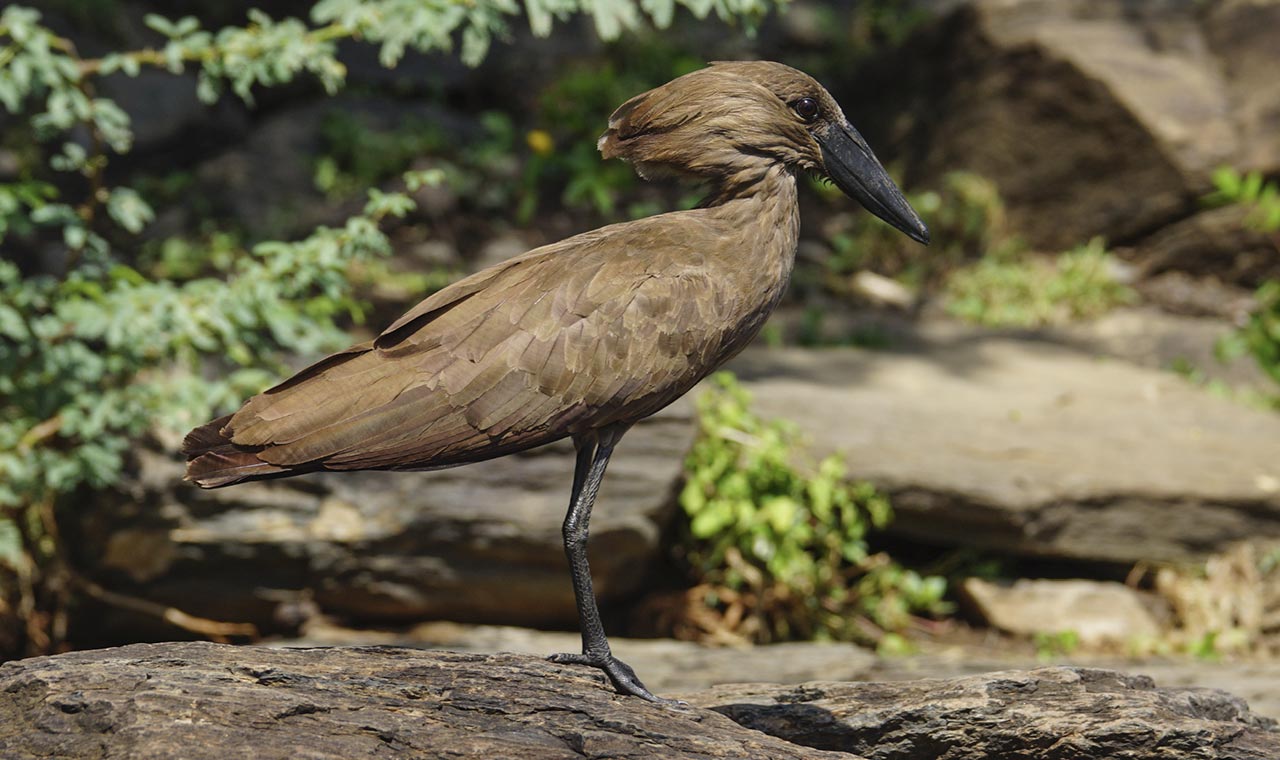
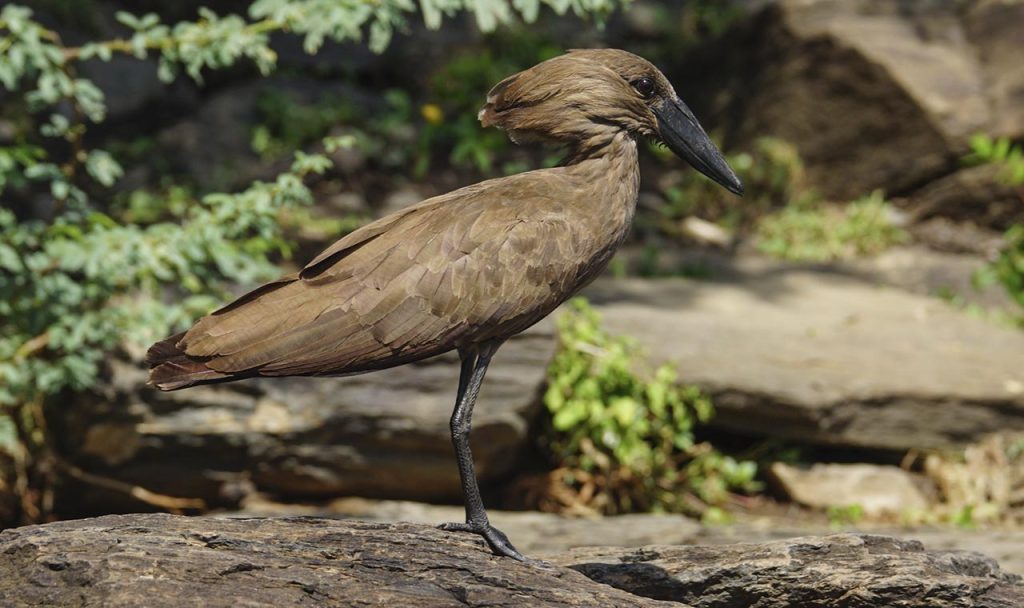
🐦 Physical Description

  • Size: About 50 cm (20 inches) tall
  • Coloration: Rich brown with a slight purple sheen
  • Head: Distinctive hammer-shaped crest, from which it gets its name
  • Bill: Long, slightly hooked
  • Legs: Long and dark, adapted for wading

Its silhouette is unmistakable — like a mix of heron, eagle, and dinosaur.


🪹 The World’s Most Remarkable Nester

The Hammerkop’s nest is legendary:

  • Built in large trees near water, or on rock ledges
  • Constructed with over 10,000 sticks, mud, and debris
  • Dome-shaped, massive and waterproof, with a small side tunnel
  • Big enough for a human child to sit inside!

Nests are often reused, renovated, or used by other species (owls, genets, snakes).


🧬 Behavior and Ecology

  • Feeds primarily on:
    • Frogs, fish, tadpoles, insects, and small aquatic prey
    • Uses a quick stabbing motion with its bill in shallow water
  • Often seen walking slowly in wetlands, pausing to strike

Social behavior:

  • Often solitary or in pairs
  • Known for ritualistic “ceremonial dancing” — wing flapping, calling, and head bobbing
  • Considered monogamous, with lifelong pair bonds

📣 Vocalizations

  • Emits a cackling or croaking call, often during flight or nesting
  • Not especially loud, but distinct — part of the wetland’s soundscape

🌱 Cultural and Spiritual Importance

The Hammerkop is deeply woven into African folklore:

  • In many West African traditions, including Akan and Nzema culture, it is:
    • Regarded as sacred or taboo to harm
    • Linked to rain and water spirits
    • Believed to bring misfortune if its nest is disturbed

Some beliefs:

  • Destroying a Hammerkop’s nest may cause storms or sickness
  • Others believe it is the messenger of gods or a soul guide

Its elaborate nests and solitary ways make it a symbol of mystery and respect.


⚠️ Threats and Conservation

  • Not currently endangered, but faces local threats:
    • Wetland drainage
    • Pollution and pesticide use
    • Loss of nesting trees due to logging and farming

Its survival is tied to clean water, tall trees, and intact floodplains — all endangered by human activity around the Tano River.


🌊 Why It Matters for the Tano River

The Hammerkop is:

  • A guardian of freshwater ecosystems
  • A builder that shapes the landscape for many other species
  • A living link between folklore and biodiversity

To see a Hammerkop is to be reminded that even the strangest creatures serve the balance of the wetlands.


🔗 Have you spotted a Hammerkop or its enormous nest along the Tano? Share your experience at [TanoRiver.com/submit]


Sign Up For Daily Newsletter

Be keep up! Get the latest breaking news delivered straight to your inbox.
By signing up, you agree to our Terms of Use and acknowledge the data practices in our Privacy Policy. You may unsubscribe at any time.
Share This Article
Facebook Email Copy Link Print
ByAlexandre Tano Kan Koffi
Follow:

✍️ About the Author

Alexandre Tano Kan Koffi is the founder of TanoRiver.com and a passionate advocate for Africa’s environmental and cultural heritage. Named after the Tano River, he honors his legacy through storytelling and conservation.
📧 Contact: alex [@] alexandrekoffi.com

Leave a Comment Leave a Comment

Leave a Reply Cancel reply

Your email address will not be published. Required fields are marked *

Receive latest news from all areas of Wildlife Animals

Our selection of the week's biggest research news and features sent directly to your inbox. Enter your email address, confirm you're happy to receive our emails.

HOT NEWS

The Rivers, Lakes & Lagoons Collective

The rivers in Ghana

April 10, 2026

🪷 Cultural Significance of the Tano River

May 5, 2026

✨ Spiritual and Historical Importance of the Tano River

February 13, 2026

📖 Indigenous Stories and Oral Traditions of the Tano River

May 9, 2026

Follow US: 

About us

  • 🌍 The Project / Get Involved
  • ✉️ Contact us
  • 💛 Donate
  • 🤝 Partnerships / Collaborate

TanoRiver.com

  • Terms and Conditions
  • Privacy Policy
  • Cookie Policy

Cookies Notice

We use our own and third-party cookies to improve our services, personalise your advertising and remember your preferences.
Welcome Back!

Sign in to your account

Username or Email Address
Password

Lost your password?
