

The Tano River
  • Home
  • ๐ŸŒŠThe River
    • The Tano River
    • Cultural Significance
    • Spiritual and Historical Importance
    • Taakora โ€” The Deity of the Tano River
    • Comprehensive Analysis of the Tano River and Its Basin
  • ๐ŸŒฟEnvironment
    • Flora and Fauna
    • Environmental Challenges
    • Conservation Efforts
    • The Tano River Basin
    • The Galamsey Crisis
    • Animals of the Tano
    • Trees and Plants of the Tano
    • Parks and Forest
    • Lagoons
    • Tributaries of the Tano River
  • History
    • Stories and Oral Traditions
    • Historical Events
    • Ancient Trade and Conflicts
    • The Legend of Tano and Bia
    • Deities and Spirits
    • God Tano, Afua Krankra, and Asase Ya/Afua in Akan Mythology
  • ๐ŸŽ‰Culture
    • Ethnic Groups Along the Tano River
    • Fishing, Agriculture, and Rituals
    • Festivals and River Ceremonies
    • The Natural Border Between Ghana and Ivory Coast
  • ๐Ÿ›ถ Tourism
    • Natural Sites to Visit
    • Cultural Experiences
    • Local Guides & Eco-Tourism
    • Creating a Touristic Ecosystem
  • ๐ŸŒNews
  • Global Initiative
  • ๐ŸŒAbout
    • ๐Ÿ“–The Project / Get Involved
    • ๐Ÿงพ About me
    • โœ‰๏ธ Contact us
    • ๐Ÿค Partnerships / Collaborate
    • ๐Ÿ’› Donate
    • ๐ŸŒฟ A Tribute to My Father and Grandfather
    • ๐ŸงพAll Our articles
    • ๐ŸงพSearch Our Articles
    • ๐Ÿ“–Glossary of the Tano River Ecosystem
Donate
Font ResizerAa
The Tano RiverThe Tano River
Search

Popular Posts

The Rivers, Lakes & Lagoons Collective

The rivers in Ghana

About the River

๐Ÿชท Cultural Significance of the Tano River

About the River

โœจ Spiritual and Historical Importance of the Tano River

Welcome to Tanoriver.com

Join the Tano River Collective Project and be part of a growing movement dedicated to preserving the life, culture, and ecosystems of the Tano River. Together, we can make a lasting impact.
Join Us
Follow US
TanoRiver.com
The Tano River > All our Articles > Environment & Biodiversity > Species of the Tano River > Mammals > ๐ŸŒ™ Nandinia binotata โ€“ African Palm Civet
Mammals

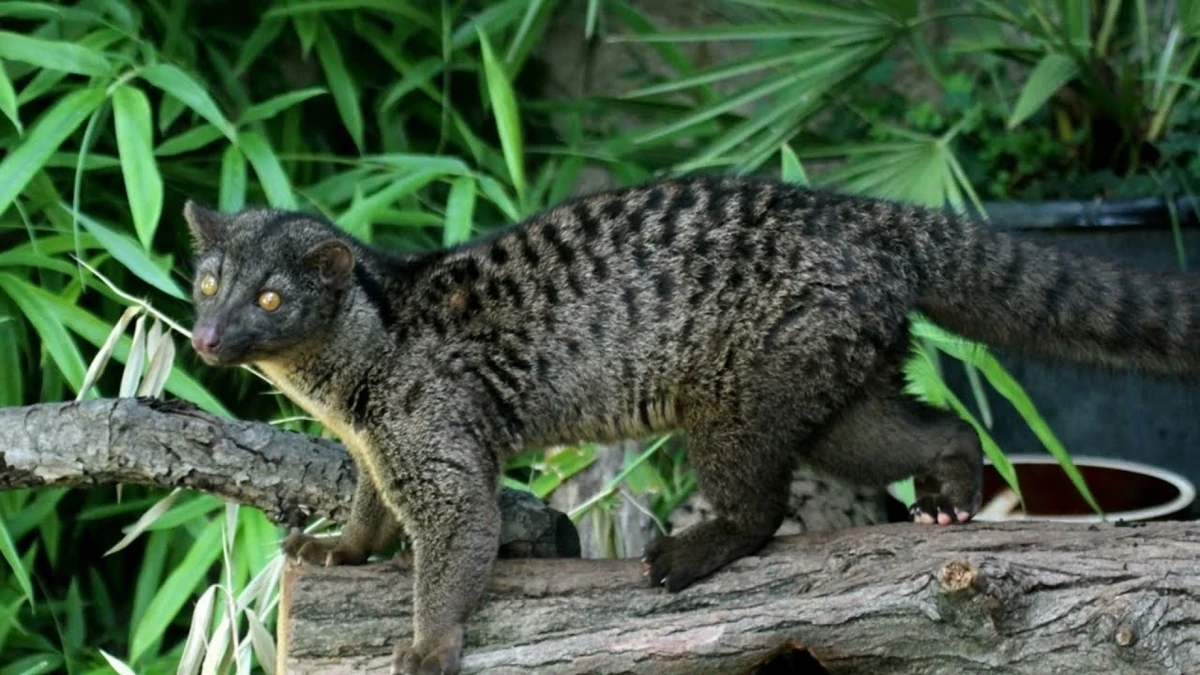
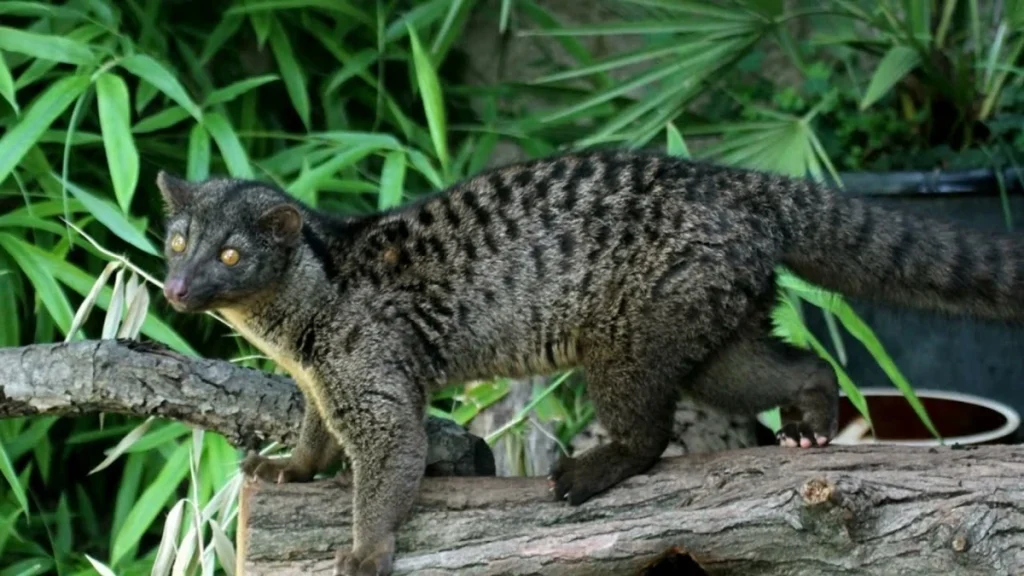
๐ŸŒ™ Nandinia binotata โ€“ African Palm Civet

By
Alexandre Tano Kan Koffi
Last updated: October 3, 2026
4 Min Read
Share

A tree-climbing shadow of the night, whispering through the forests of the Tano Basin

Contents
๐Ÿ”Ž Scientific Name: Nandinia binotata๐ŸŒ Habitat and Distribution๐ŸŒณ In the Tano River region, it thrives in:๐Ÿพ Physical Description๐ŸŒฟ Behavior and Ecology๐Ÿผ Reproduction๐ŸŒ Cultural and Local Perspectivesโš ๏ธ Threats and Conservation๐Ÿ›ก๏ธ Ecological Role๐ŸŒŠ Why It Matters for the Tano River

๐Ÿ”Ž Scientific Name: Nandinia binotata

Common names: African palm civet, Two-spotted palm civet
Family: Nandiniidae (the only species in this family)
IUCN Status: Least Concern


๐ŸŒ Habitat and Distribution

The African palm civet is found across tropical forest regions of sub-Saharan Africa, including:

  • Ghana, Cรดte dโ€™Ivoire, Liberia, Nigeria, Cameroon, and the Congo Basin

๐ŸŒณ In the Tano River region, it thrives in:

  • Rainforest canopies, swamp forests, and riparian forest edges
  • Especially active in:
    • The Tanoรฉ-Ehy Forest
    • Fruit groves, palm thickets, and cocoa plantations

It prefers undisturbed forested habitats but is also seen near human settlements where fruit is abundant.


๐Ÿพ Physical Description

  • Size: 40โ€“65 cm (body); tail 35โ€“60 cm
  • Weight: 1.5 to 3.5 kg
  • Coat: Coarse brown to gray fur with two faint spots on each shoulder
  • Face: Long snout, large round eyes, and short rounded ears
  • Tail: Long and prehensile, used for balancing in trees

It resembles other civets but is genetically distinct, belonging to its own unique family (Nandiniidae).


๐ŸŒฟ Behavior and Ecology

  • Nocturnal and arboreal: active at night and spends most time in trees
  • Solitary: each civet roams alone, marking its territory with scent glands
  • Diet: Omnivorous
    • Fruits, especially oil palm fruit, bananas, and figs
    • Also eats insects, rodents, small reptiles, birdsโ€™ eggs, and occasionally carrion
  • Locomotion: Excellent climber and jumper; known to glide silently through the treetops

Their role as fruit-eaters and seed dispersers makes them important for forest ecology.


๐Ÿผ Reproduction

  • Breeds throughout the year
  • Females give birth to 1โ€“3 young, typically hidden in tree hollows or dense foliage
  • Young are born well-developed and begin climbing within weeks

The mother nurses and protects the pups alone until they become independent.


๐ŸŒ Cultural and Local Perspectives

  • Often called โ€œwild catsโ€ in local languages, though they are not true felines
  • May be viewed as sacred, curious, or mischievous depending on folklore
  • Known for their stealth and elusiveness โ€” sometimes linked to forest spirits or omens
  • In rural areas, they may be hunted for bushmeat or captured accidentally in traps

Despite being elusive, they are part of the cultural landscape of forest communities.


โš ๏ธ Threats and Conservation

  • While not globally endangered, African palm civets are:
    • Affected by deforestation, especially logging and mining in the Tano region
    • Killed in bushmeat hunting and retaliatory killing near farms
    • Threatened by palm habitat loss due to agriculture and industrial plantations

They are rarely seen but easily lost if forest canopies are broken.


๐Ÿ›ก๏ธ Ecological Role

  • Seed dispersers: by feeding on fruit and dropping seeds throughout the forest
  • Pest controllers: keep rodent and insect populations in check
  • A quiet indicator of forest health and canopy connectivity

They need intact trees, quiet corridors, and nighttime peace to thrive.


๐ŸŒŠ Why It Matters for the Tano River

The African palm civet is:

  • A guardian of the night canopy
  • A keystone species in forest regeneration
  • A reminder that the health of the river is rooted in the forest above it

In the moonlight above the Tanoโ€™s waters, this silent climber weaves through branches โ€” unseen but essential.


๐Ÿ”— Have you heard the sounds of the civet at night or seen its prints in your village? Share your story at [TanoRiver.com/submit]


Sign Up For Daily Newsletter

Be keep up! Get the latest breaking news delivered straight to your inbox.
By signing up, you agree to our Terms of Use and acknowledge the data practices in our Privacy Policy. You may unsubscribe at any time.
Share This Article
Facebook Email Copy Link Print
ByAlexandre Tano Kan Koffi
Follow:

โœ๏ธ About the Author

Alexandre Tano Kan Koffi is the founder of TanoRiver.com and a passionate advocate for Africaโ€™s environmental and cultural heritage. Named after the Tano River, he honors his legacy through storytelling and conservation.
๐Ÿ“ง Contact: alex [@] alexandrekoffi.com

Leave a Comment Leave a Comment

Leave a Reply Cancel reply

Your email address will not be published. Required fields are marked *

Receive latest news from all areas of Wildlife Animals

Our selection of the week's biggest research news and features sent directly to your inbox. Enter your email address, confirm you're happy to receive our emails.

HOT NEWS

The Rivers, Lakes & Lagoons Collective

The rivers in Ghana

April 10, 2026

๐Ÿชท Cultural Significance of the Tano River

May 5, 2026

โœจ Spiritual and Historical Importance of the Tano River

February 13, 2026

๐Ÿ“– Indigenous Stories and Oral Traditions of the Tano River

May 9, 2026

Follow US:ย 

About us

  • ๐ŸŒ The Project / Get Involved
  • โœ‰๏ธ Contact us
  • ๐Ÿ’› Donate
  • ๐Ÿค Partnerships / Collaborate

TanoRiver.com

  • Terms and Conditions
  • Privacy Policy
  • Cookie Policy

Cookies Notice

We use our own and third-party cookies to improve our services, personalise your advertising and remember your preferences.
Welcome Back!

Sign in to your account

Username or Email Address
Password

Lost your password?
