



The Living Volcano Lake Between Worlds
📍 Introduction
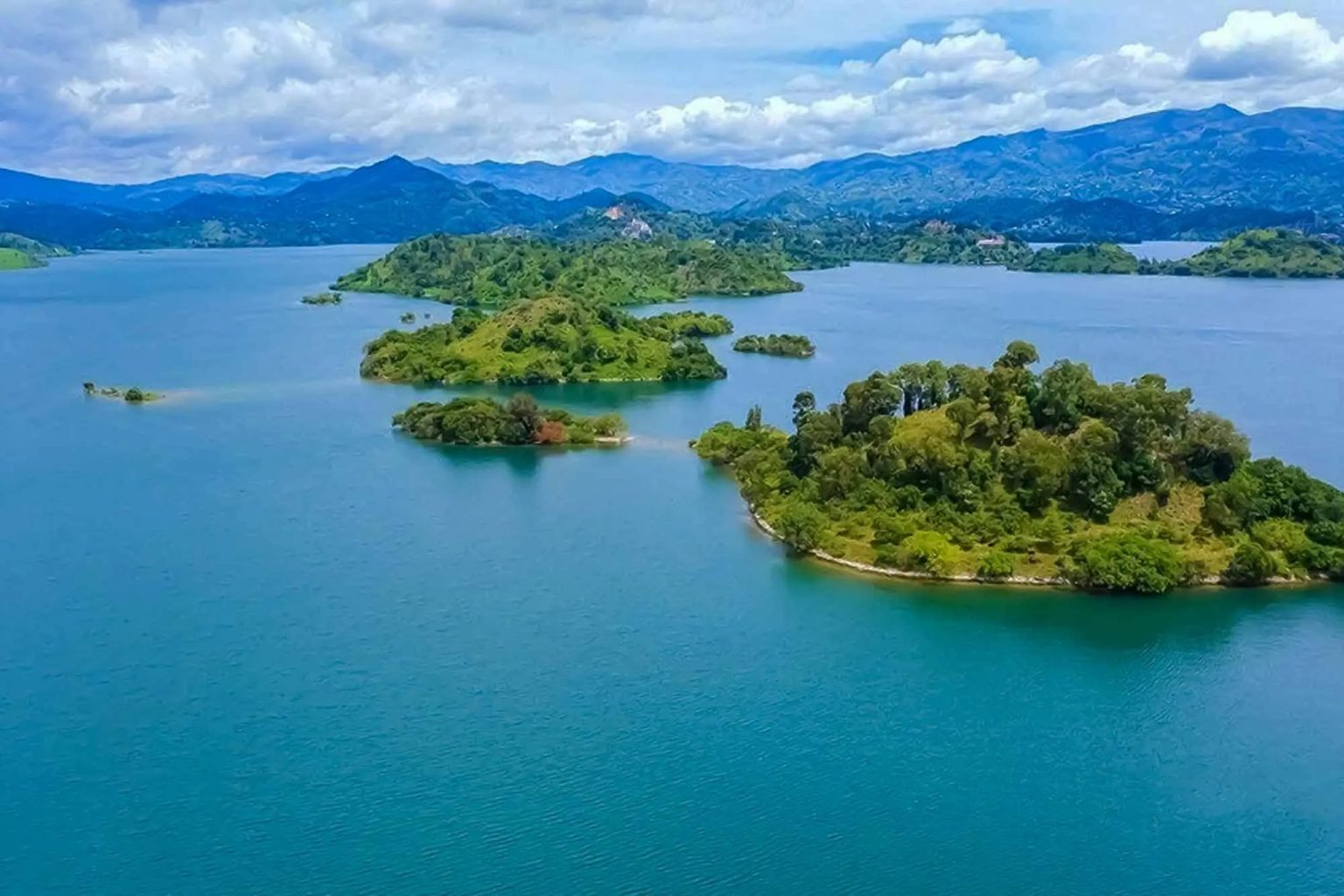
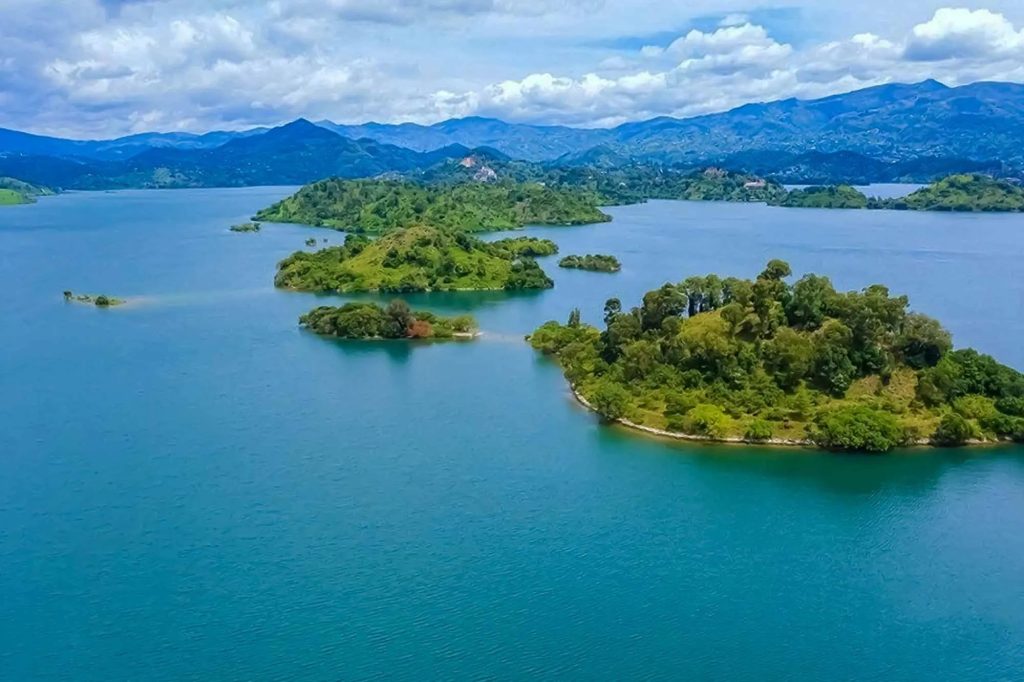
Straddling the border between Rwanda and the Democratic Republic of the Congo, Lake Kivu is one of Africa’s Great Lakes—and perhaps the most enigmatic. Framed by misty mountains and steep volcanic slopes, Kivu is a lake of contrast: stunning beauty above, and lethal power below.
To the Rwandan and Congolese communities who live along its shores, Lake Kivu is not just a body of water—it is a spiritual being, a provider, and at times, a warning. In the lakeside cultures of Gisenyi, Bukavu, and Idjwi Island, stories of Kivu’s sacred origin, healing power, and latent fury are passed down from generation to generation.
But today, Lake Kivu—like many sacred African lakes—is threatened by modern pressures: urban growth, overfishing, mining, and climate instability. It is also home to a rare geological threat known nowhere else at this scale: a deadly gas beneath the surface.
🌍 Geography and Geology
- Countries: Rwanda and the Democratic Republic of the Congo (DRC)
- Region: Albertine Rift, part of the western branch of the East African Rift System
- Area: Approx. 2,700 km²
- Length: ~90 km; Depth: up to 485 meters
- Elevation: 1,460 meters above sea level
- Volcanic Proximity: Near active Mount Nyiragongo and Mount Nyamuragira
Lake Kivu is one of only three known “exploding lakes” in the world (along with Lakes Nyos and Monoun in Cameroon). It contains enormous quantities of methane and carbon dioxide dissolved in its deep waters—formed by volcanic and tectonic activity beneath the lakebed.
🐾 Ecological Significance
Despite its volcanic geology, Lake Kivu supports remarkable biodiversity, especially in the Ruzizi River wetlands and the forested slopes of nearby national parks.
Aquatic Life
- Fish: Tilapia (Oreochromis niloticus), Limnothrissa miodon (sardine-like), catfish
- Crustaceans and zooplankton adapted to deep stratified waters
- Endemic species are few but vulnerable due to pollution and overfishing
Surrounding Biodiversity
- Bordering Kahuzi-Biega National Park (DRC) and Nyungwe Forest (Rwanda)
- Nearby wildlife includes chimpanzees, colobus monkeys, forest elephants, and hundreds of bird species
🧭 Cultural and Spiritual Significance
Lake Kivu has long been a sacred presence in the cosmology of Rwandan, Congolese, and Banyamulenge peoples.
Myth and Belief
- Some communities believe Kivu was created by the anger of the earth, or as the tears of the gods after ancient conflicts
- Stories tell of water spirits, healing rituals, and taboos around fishing or bathing during certain moon phases
- Certain islands and bays are considered sacred and were once used for rites of passage, cleansing, or ancestral offerings
Modern Cultural Role
- Lake Kivu is a source of healing tourism and spiritual reflection in Rwanda’s post-genocide reconciliation process
- It inspires music, poetry, and cultural memory across Rwanda and the Kivu provinces
⛔ Environmental and Geological Threats
1. Limnic Eruption Risk
- Kivu contains over 60 billion cubic meters of methane and 300 billion cubic meters of CO₂ dissolved in its depths
- A major volcanic eruption or earthquake could trigger a limnic explosion, releasing gas clouds that could suffocate thousands
- While methane is now being extracted for power generation (e.g. in Rwanda), management must be precise and sustainable
2. Pollution and Urban Waste
- Cities like Goma and Gisenyi discharge sewage and industrial waste into the lake
- Agricultural runoff threatens water quality and promotes invasive algae
3. Overfishing and Invasive Species
- Fish stocks are declining due to lack of regulation and growing demand
- Introduction of non-native species has disrupted local aquatic ecology
4. Climate Change
- Rising temperatures may destabilize the lake’s delicate stratification
- Droughts affect the surrounding agriculture and water supply
💚 Conservation and Community Action
Despite the challenges, efforts are underway to protect Lake Kivu and make it a model for combining resource use with ecological care.
Initiatives Include:
- Methane extraction projects like KivuWatt in Rwanda (also reduce explosion risk)
- Eco-tourism and spiritual retreats near Kibuye, Gisenyi, and Idjwi Island
- Education campaigns to preserve water quality and teach about gas risks
- Local cultural revival, including the celebration of lake festivals and oral storytelling
📢 Conclusion: A Sacred Volcano Beneath the Water
Lake Kivu is not only beautiful—it is mystical, mysterious, and alive. It breathes beneath the Earth’s crust. It holds stories of grief, hope, and survival. It connects two nations, thousands of families, and an entire volcanic ecosystem.
To honor Lake Kivu is to listen to the wisdom of the Earth—and to prepare, with care and reverence, for the future.
🌍 www.TanoRiver.com
The Rivers, Lakes & Lagoons Collective
Lake Kivu: Crater of Spirit, Depth of Warning


