



River of the Baule, Artery of the Forest-Savanna Borderlands
📍 Introduction
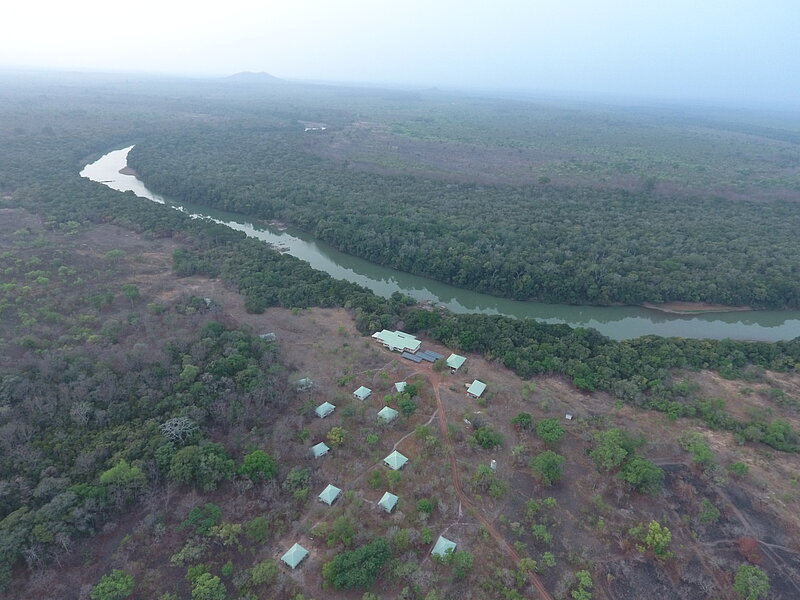
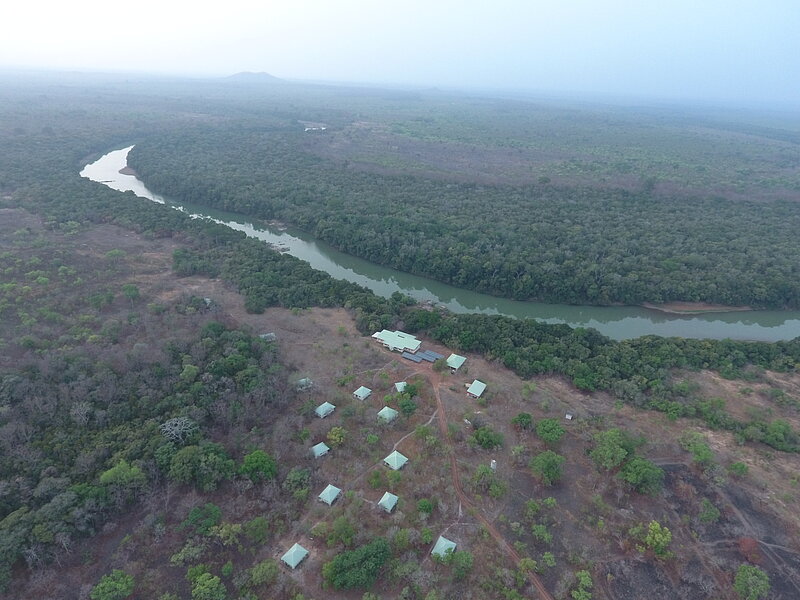
The Comoé River is one of West Africa’s great rivers—vast, ancient, and little known outside its region. Flowing from the Burkina Faso highlands through northeastern Côte d’Ivoire, it carves a path across forest and savanna, finally emptying into the Ébrié Lagoon near Grand-Bassam.
To the Baule people—a major Akan group who migrated into central Côte d’Ivoire from Ghana centuries ago—the Comoé River is more than a geographic presence. It is part of the landscape of migration, of spiritual orientation, and environmental dependency.
As logging, farming, and climate stress threaten its banks, the Comoé River is now at the edge of an ecological and cultural turning point.
🌍 Geography and Hydrology
- Countries: Burkina Faso & Côte d’Ivoire
- Source: Near Banfora (Burkina Faso), in the Sikasso Plateau
- Length: Approx. 1,160 km
- Mouth: Ébrié Lagoon, near Grand-Bassam (Côte d’Ivoire)
- Key Tributaries: Léraba River, Boin River, Kongo River, Iringou
- Passes Through: Comoé National Park, one of West Africa’s largest natural reserves and a UNESCO World Heritage Site
The Comoé is one of the few West African rivers that flows north to south, descending from the Sahel into the tropical coastal belt, creating a cross-ecological waterway unlike any other in the region.
🌿 Ecological Importance
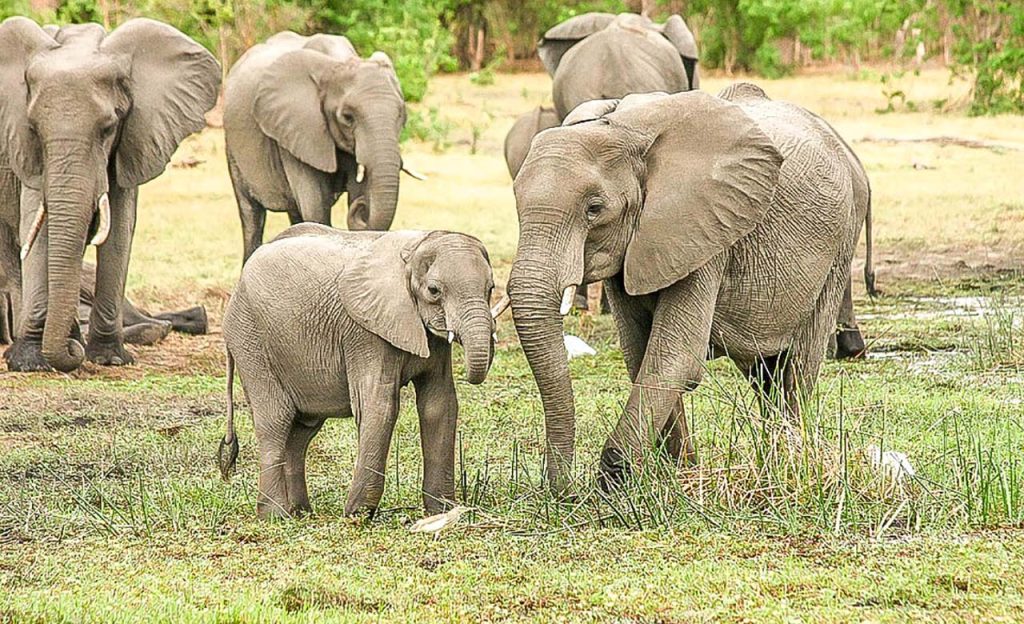
The Comoé River supports one of the most diverse ecosystems in West Africa, particularly within Comoé National Park, where its seasonal flooding patterns sustain a rare blend of forest, savanna, and gallery woodland.
Fauna
- Hippos, crocodiles, manatees (near lower stretches)
- West African chimpanzees, duikers, warthogs, bushbucks, and water chevrotains
- Over 500 bird species recorded, including African fish eagles, bee-eaters, and ibises
- Rare and endemic fish species used by local communities
Flora
- Aquatic grasses, floodplain forests, Borassus palms, and riparian tree belts
- Plant species used in traditional medicine and sacred rites by Baule and Senoufo peoples
The Comoé floodplain is also an essential agricultural zone, especially for rice, yam, and maize cultivation, thanks to fertile seasonal silt deposits.
🧭 Cultural and Spiritual Significance
For the Baule, descendants of Akan migrants from Ghana, the Comoé is a symbolic as well as literal river. It helped define the eastern and southern limits of Baule migration into Côte d’Ivoire, and many communities settled near its banks during their centuries-long dispersion.
In Baule oral tradition:
- The Comoé is seen as a barrier between the living and the spirits, particularly in funeral beliefs
- It is also a directional marker used in storytelling: “beyond the Comoé” signifies distance, risk, or ancestral lands
- Some river bends and islands are still considered sacred sites where rituals for rain or healing are performed
- The river spirit—sometimes personified in female form—is honored in secret society ceremonies
The Senoufo, Guro, and Lobi peoples along its course also revere the Comoé, tying it to mask traditions, fertility, and warrior ancestry.
⛔ Environmental Threats
Despite its protected status in parts of its course, the Comoé River is under significant stress:
1. Deforestation
- Logging (both legal and illegal) has removed large stretches of riverine forest, exposing the riverbanks to erosion
- Charcoal production is particularly destructive in the central regions
2. Agricultural Expansion
- Cotton, cashew, and cocoa farms increasingly encroach on river basins
- Fertilizer and pesticide runoff pollutes the water during the rainy season
3. Overfishing and Declining Biodiversity
- Traditional fish stocks are declining due to net overuse and motorized boats
- Some fish species once used in initiation ceremonies are now rare
4. Climate Change
- Increasing seasonal variability in rainfall disrupts flooding patterns that sustain the ecology of Comoé National Park
- Risk of prolonged drought or flash flooding is rising in both Burkina Faso and Côte d’Ivoire sections
💚 Paths Toward Restoration
1. Protecting Headwaters
- Coordinated river management between Burkina Faso and Côte d’Ivoire
- Safeguarding the Banfora Plateau catchment from mining and land degradation
2. Strengthening Comoé National Park Protections
- Expand conservation beyond the park into community buffer zones
- Support eco-guard patrols and community-managed forest belts
3. Cultural Revitalization
- Document Baule river myths, rituals, and songs for education and cultural resilience
- Collaborate with traditional leaders to protect sacred river sites and re-establish seasonal bans on use
4. Ecological Research and Monitoring
- Launch joint Ghana–Ivory Coast research programs to study hydrology, pollution levels, and fish stocks
📢 Conclusion: The Long Memory of the River
The Comoé River does not forget. It has flowed through kingdoms, migrations, droughts, and rituals for centuries. It has fed the mouths of families, whispered to ancestors, and watched entire civilizations rise and fall along its banks.
Today, the river is changing. But its spirit remains.
To protect the Comoé is to protect the forest, the people, and the past itself. It is to honor the Akan migration, the Baule identity, and the ecological lungs of West Africa.
🌍 www.TanoRiver.com
The Rivers, Lakes & Lagoons Collective
Comoé River: Borderless Spirit of Forest and Savanna


