




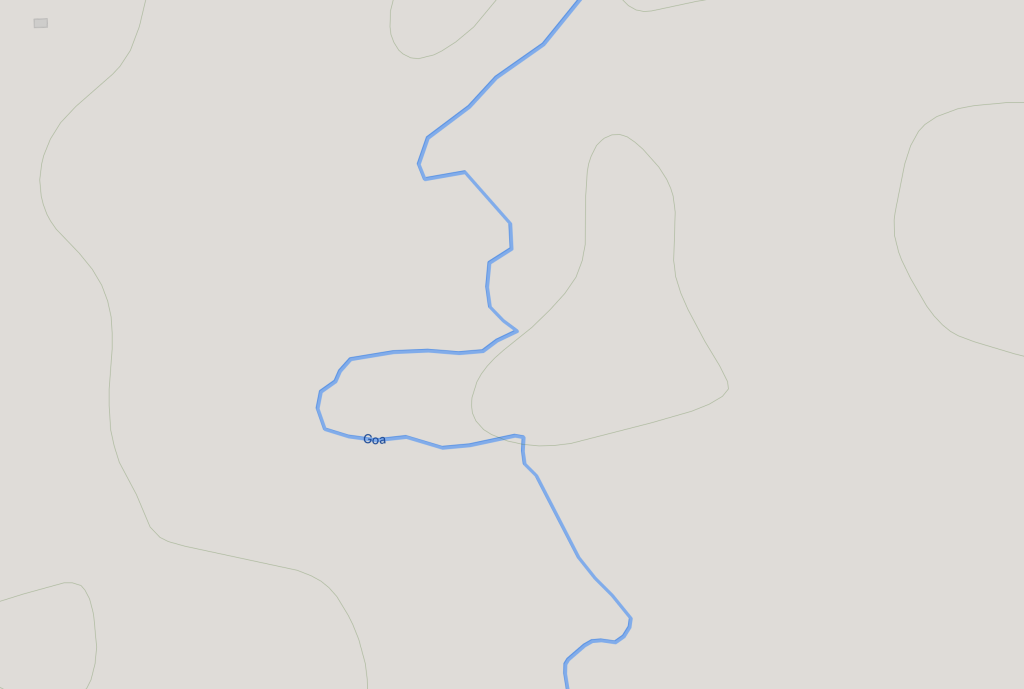
In the densely forested districts of western Ghana, where sacred groves meet the hidden sources of water, the Goa River quietly performs its life-giving role. Though absent from most national headlines or scientific publications, this river is part of the complex hydrological network that sustains the Tano River Basin, a region rich in biodiversity, history, and cultural meaning.
The Goa River is a small but ecologically and hydrologically important waterway that flows through forest reserves, agricultural areas, and ancestral lands. As threats to Ghana’s freshwater systems multiply, the Goa River deserves recognition, protection, and restoration.
📍 Location and Hydrological Role
- Country: Ghana
- Region: Western North Region
- Districts: Likely flows through or near parts of Aowin or Suaman Districts
- Basin: Part of the Tano River catchment, contributing to its middle and lower courses
- Status: Unprotected, but passes near or through forest reserves like Tano Nimiri, Tano Anwia, or Boin Tano
The Goa River originates from rainforest uplands, draining into the Tano River system. Though it is not as prominent as the Desiri or Offin Rivers, its presence supports localized ecosystems, community water needs, and seasonal agricultural cycles.
🌿 Ecological Characteristics
Despite its size, the Goa River is crucial to local biodiversity corridors and may shelter a range of lesser-known flora and fauna. Its riparian margins provide shelter, nesting sites, and food for forest-edge and aquatic species.
Possible Flora and Vegetation
- Moist semi-deciduous forest trees including Terminalia spp., Khaya ivorensis, and Ceiba pentandra
- Understory rich in medicinal plants, wild yams, raffia palms, and herbs
- Vegetated riverbanks help prevent erosion and filter agricultural runoff
Fauna (likely based on regional biodiversity)
- Fish: Small-scale tilapia, catfish, and freshwater shrimp
- Amphibians: Tree frogs and reed frogs
- Reptiles: Water snakes, dwarf crocodiles (potential), and forest lizards
- Birds: Kingfishers, weaverbirds, and doves
- Mammals such as otters, duikers, brush-tailed porcupines, and palm civets may occasionally visit the riverbanks
🧭 Cultural and Community Role
While there is limited academic documentation on the Goa River, local oral traditions often reference small rivers and streams as spiritually significant places. Among Akan-speaking communities in the area:
- Small rivers like Goa are often believed to be inhabited by local river spirits or water deities
- Shrines, sacred stones, and ritual pools are sometimes found near such rivers
- Communities may observe taboos against polluting or fishing at certain times, helping preserve the ecological balance
- Women may draw water from the river at dawn for rituals involving healing, fertility, or rainmaking
In many villages, such rivers also serve as primary or secondary water sources for washing, farming, and drinking—making their health essential to public well-being.
⛔ Environmental Pressures and Threats
Like most minor rivers in Ghana’s forest zone, the Goa River is increasingly threatened by human activities, even though it receives little formal attention.
1. Illegal Mining
- Galamsey operators are expanding into smaller tributaries where enforcement is weak
- Water contamination from mercury and debris affects aquatic life and human health
2. Deforestation and Logging
- Forest cover near the river is being cleared for cocoa farming and logging
- Vegetation loss leads to soil erosion, sedimentation, and water pollution
3. Agricultural Runoff
- The use of fertilizers and herbicides in cocoa farms near the river leads to nutrient loading and chemical contamination
- Pesticide runoff affects fish and amphibian populations
4. Neglect and Lack of Data
- The Goa River lacks proper ecological mapping, hydrological monitoring, or legal protection
- Absence from major studies means policy-makers are unaware of its ecological importance
💚 Strategic Potential in the Tano River Collective Project
The Tano River Collective Project aims to protect not just the Tano River itself, but the entire basin system that sustains it. That includes small tributaries like the Goa River—often the first to be degraded and the last to be restored.
Key Actions for Goa River:
- Community Mapping
- Collaborate with elders and youth to map sacred sites, biodiversity hotspots, and threats
- Water Quality Monitoring
- Establish a simple system to test for mercury, turbidity, and pH along the river’s length
- Youth River Guardianship Program
- Engage local students in conservation education and cleanup efforts
- Traditional Ecological Knowledge Documentation
- Collect oral histories and proverbs related to the Goa River and its role in village life
- Reforestation of Riparian Zones
- Plant native species to stabilize riverbanks and restore forest buffer zones
📢 Conclusion: The Future Flows Through Goa
The Goa River may be small, but it matters. It matters to farmers, to fishers, to birds and frogs, to elders who still remember its sacred pools, and to children who drink from its waters. And because it matters to the Tano River, it must matter to us all.
Protecting the Goa River is not just about ecology—it is about dignity, heritage, and survival.
🌍 www.TanoRiver.com
Goa River: A Quiet Stream, A Powerful Purpose.
Join the Tano River Collective Project – Let No River Be Forgotten.


