



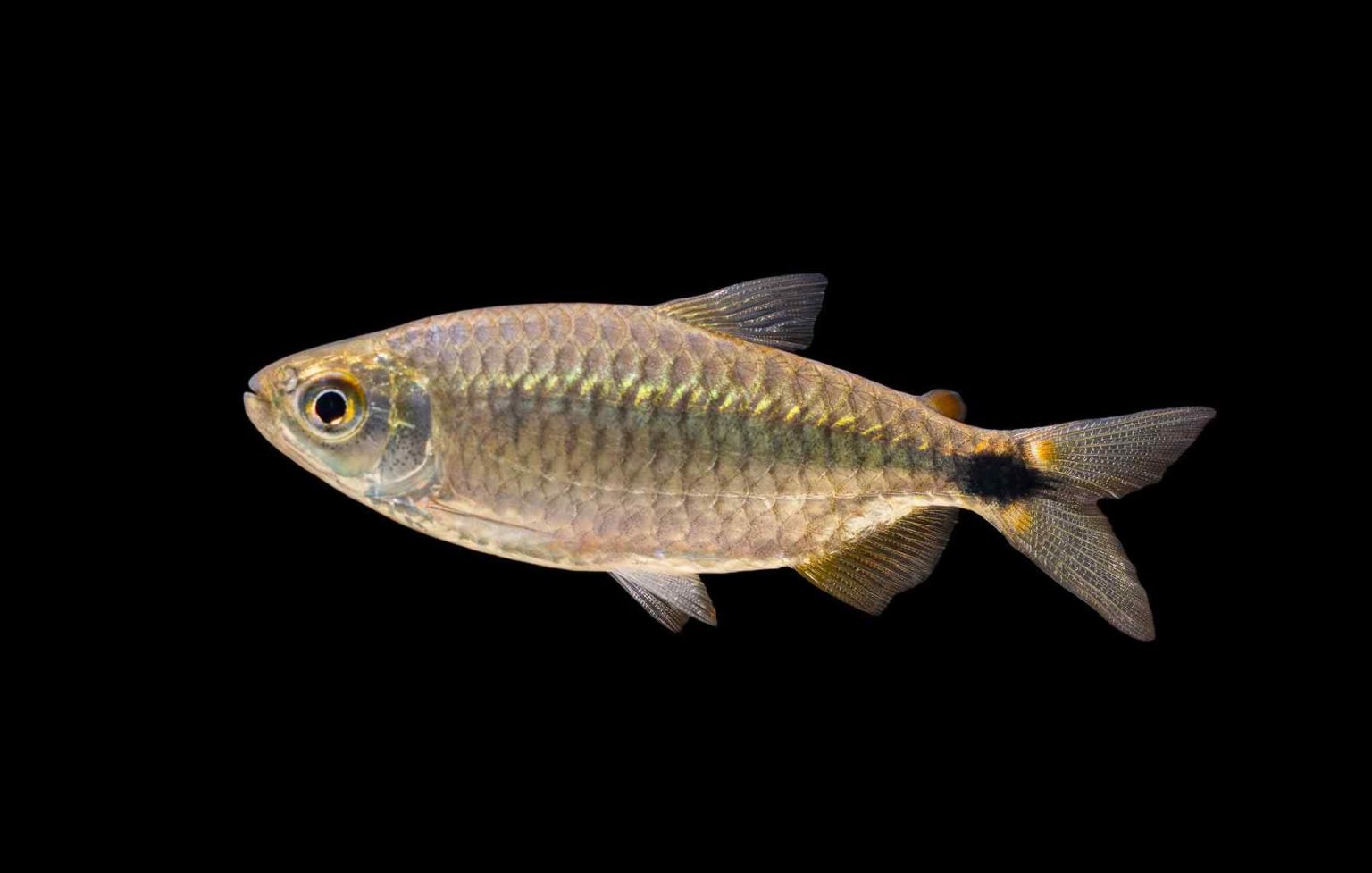
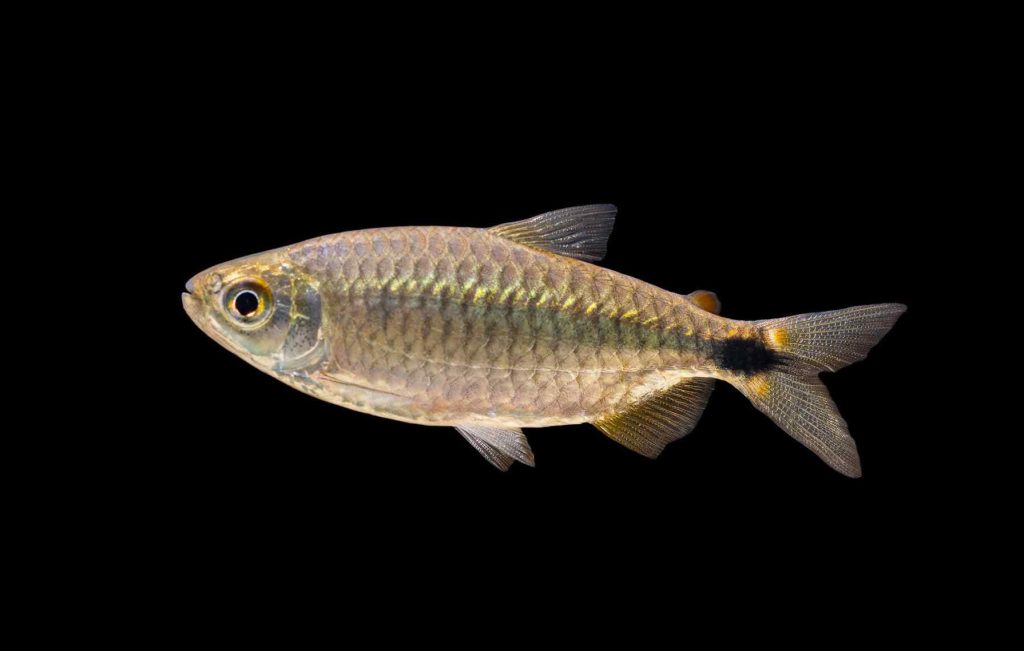
A swift, silver spark of the Tano River’s freshwater life
🔎 Scientific Name: Brycinus imberi
Common names: Imberi tetra, Silver tetra, “River sardine”
Family: Alestidae (African tetras)
🌍 Distribution and Habitat
Brycinus imberi is widespread in freshwater systems across Sub-Saharan Africa, including:
- Ghana, Côte d’Ivoire, Nigeria, Cameroon, Burkina Faso, and Senegal
- Commonly found in rivers, streams, and floodplains
🌊 In the Tano River system, it thrives:
- In the middle and upper reaches of the river, where the current is moderate
- Around aquatic vegetation, gravel beds, and slow-moving channels
It’s considered one of the most abundant small pelagic fish in many West African rivers.
🐟 Description and Features
- Size: Typically 8–12 cm (3–5 inches), with some reaching up to 15 cm
- Coloration: Silvery body with a faint horizontal stripe from head to tail
- Shape: Streamlined body built for speed
- Fins: Transparent or slightly orange-tinged, often more vibrant in males
They often form shimmering schools, making them easy to spot in clear water.
🧬 Behavior and Ecology
- Diet:
- Omnivorous: feeds on algae, insect larvae, zooplankton, and detritus
- Plays a key role in energy transfer between plant matter and predatory fish
- Reproduction:
- Spawning usually occurs during rising water periods (rainy season)
- Females scatter sticky eggs over vegetation or submerged surfaces
- Predators:
- Prey for larger fish (like African pike and tigerfish), as well as birds and otters
They are a vital part of the aquatic food chain in the Tano River.
🌱 Ecological Importance
- Help maintain balance in aquatic invertebrate populations
- Contribute to nutrient cycling through detritus feeding
- Their abundance makes them indicators of overall river health
Healthy populations suggest low pollution, good oxygenation, and balanced ecosystems.
🎣 Economic and Local Use
- Fished locally for food using nets and traps
- Sometimes dried or smoked, especially in rural communities
- Occasionally used as baitfish for larger species
While not a major commercial species, it provides subsistence nutrition to riparian families.
⚠️ Threats and Conservation
Though widespread and not globally threatened, Brycinus imberi faces local risks:
- Water pollution from illegal mining (galamsey)
- Siltation and sediment overload from deforestation
- Decline in aquatic vegetation, reducing spawning grounds
- Overfishing in some stretches during breeding season
Conservation of clean river habitats and natural flow regimes is essential.
🌊 Why It Matters for the Tano River
Brycinus imberi represents:
- The resilience and vitality of African freshwater rivers
- A keystone prey species that sustains the food web
- A link between fisherfolk, biodiversity, and the pulse of the river
Small but essential, the Imberi tetra keeps the current of life flowing beneath the surface.
🔗 Have you caught or observed this species in the Tano River? Share your experience or photos at [TanoRiver.com/submit]


