



A royal tree of strength and spirit, rooted deep in the banks and beliefs of the Tano River Basin
🔎 Scientific Name: Khaya senegalensis
Common names: African mahogany, Dry zone mahogany, “Duban” (Akan), “Dêkè” (Baoulé), “M’bambé” (Dioula), “Acajou d’Afrique” (Fr.)
Family: Meliaceae (mahogany family)
📍 Habitat and Distribution
Khaya senegalensis is native to West and Central Africa, widely distributed from:
- Senegal to Uganda, including Ghana and Côte d’Ivoire
🌍 In the Tano River Basin, it is found:
- In riparian woodlands, savannah riverbanks, and gallery forests
- Frequently planted in:
- Village centers
- Sacred sites and shrines
- Old colonial towns and mission compounds
It thrives in well-drained soils and tolerates both flood-prone zones and seasonal dry spells, making it a resilient icon of the river’s middle and lower regions.
🌳 Botanical Description
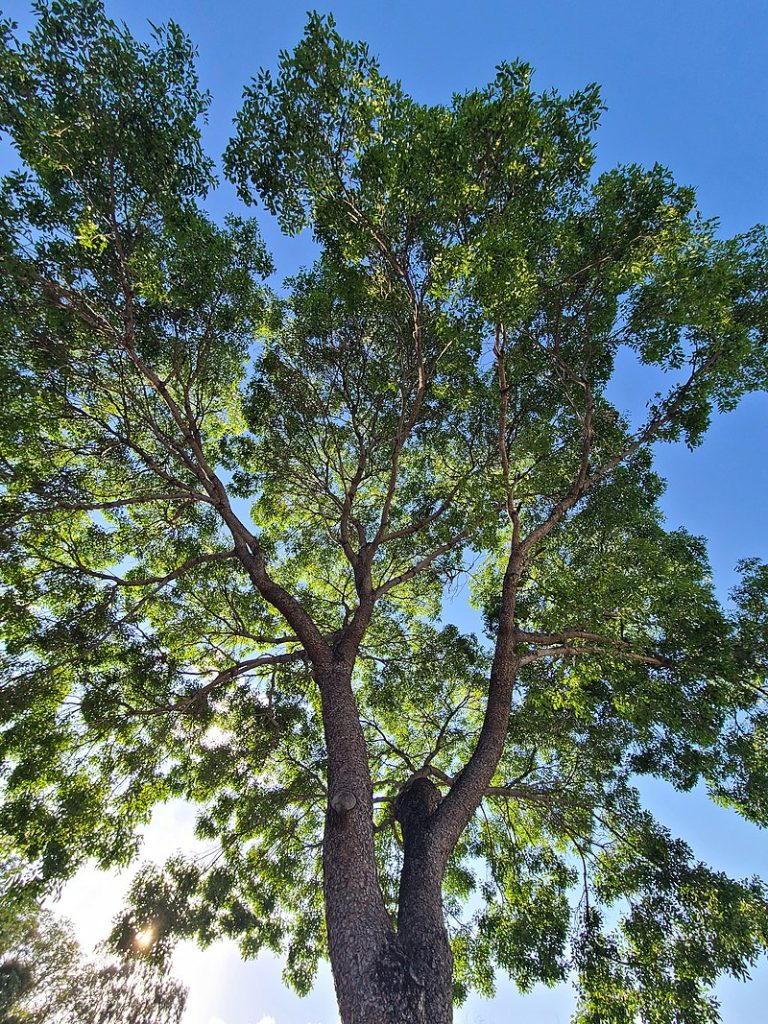
- Height: Can reach up to 30 meters, with a thick, straight trunk
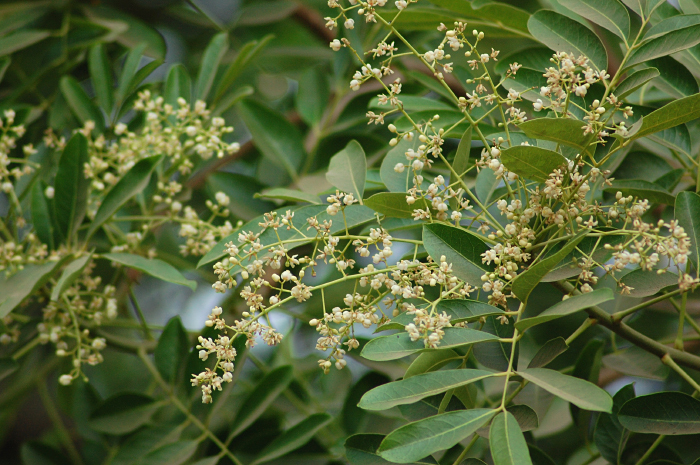
- Leaves: Dark green, shiny, compound leaves with multiple leaflets
- Flowers: Small, creamy-white, arranged in panicles
- Fruits: Hard, spherical capsules that split open to release winged seeds
- Bark: Deeply fissured and grey-brown; used medicinally
Its large size, symmetrical form, and deep shade make it a favored ceremonial and shade tree.
🌍 Ecological Role
- Supports nesting birds, bats, and bees
- Acts as a windbreak and erosion control tree along riverbanks
- Provides canopy cover that cools surrounding habitats
- Seeds are wind-dispersed, contributing to natural forest regeneration
Its dense wood and long lifespan give it a stabilizing presence in both natural and human-planted landscapes.
🪵 Economic Importance
- One of the most valuable hardwoods in Africa:
- Rich, reddish-brown timber
- Used for luxury furniture, cabinetry, boats, doors, and musical instruments
- High resistance to termites and rot
- Extensively planted in urban forestry and reforestation programs due to:
- Its aesthetic appeal
- Its fast growth in suitable environments
In Côte d’Ivoire and Ghana, it is sometimes referred to as the “royal tree” in timber trade circles.
🌿 Traditional and Medicinal Uses
All parts of Khaya senegalensis are used in traditional medicine:
- Bark decoctions for:
- Malaria and fevers
- Worm infestations and digestive issues
- Toothache and general detoxification
- Leaves and bark may be used in:
- Spiritual protection baths
- Ancestral offerings or rituals of renewal
Its bitter bark is symbolic of strength and endurance, often given to warriors or elders.
🧙🏽♂️ Cultural and Spiritual Significance
In many riverine and forest cultures:
- Planted at shrine entrances, family compounds, and ancestral groves
- Regarded as a spiritually “clean” tree, offering shelter and protection
- Associated with:
- Authority and justice (used for council shade trees)
- Male ancestral spirits and community leaders
Its commanding presence often marks sacred borders between life and death, town and forest.
⚠️ Conservation Notes
- Threatened by:
- Overexploitation for timber
- Illegal logging in forest reserves
- Loss of old ceremonial trees in urban expansion zones
- Conservation efforts include:
- Agroforestry inclusion
- Sacred grove protection initiatives
- Selective harvesting with community management
The Tano Basin has potential for restoration planting, especially along riverine erosion zones.
🌱 Why It Matters for the Tano River
Khaya senegalensis is:
- A symbol of dignity, healing, and endurance
- A protector of riverbanks and village identity
- A witness to centuries of ritual, harvest, and resistance
Where the river endures, so too does the mahogany — tall, wise, and watching over the land.
🔗 Do you have a sacred mahogany tree in your village? Share its story or photos at [TanoRiver.com/submit]


