




A towering treasure of the Tano Basin, standing between timber trade and ecological survival
🔎 Scientific Name: Terminalia superba
Common names: White fraké, Limba, Afara (Yoruba), “Fraké blanc” (Fr.), “Sese” (Baoulé), “Akyem” (Akan), “Tali” (in some forest regions)
Family: Combretaceae
📍 Habitat and Distribution
Terminalia superba is native to tropical West and Central Africa, commonly found in:
- Lowland rainforests, gallery forests, and semi-deciduous woodlands
- Countries including Ghana, Côte d’Ivoire, Nigeria, DRC, and Cameroon
🌍 In the Tano River Basin:
- Grows in moist forest zones, especially near seasonal streams and wetlands
- Found in:
- Sacred forest patches
- Protected groves along the Tano and Boin reserves
- Community forests used for selective timber harvest
It prefers deep, fertile, well-drained soils and often emerges above the canopy in older forests.
🌳 Botanical Description
- Height: Can reach 40–50 meters, with a straight, cylindrical trunk
- Trunk: Light grey to silver bark; buttressed at the base
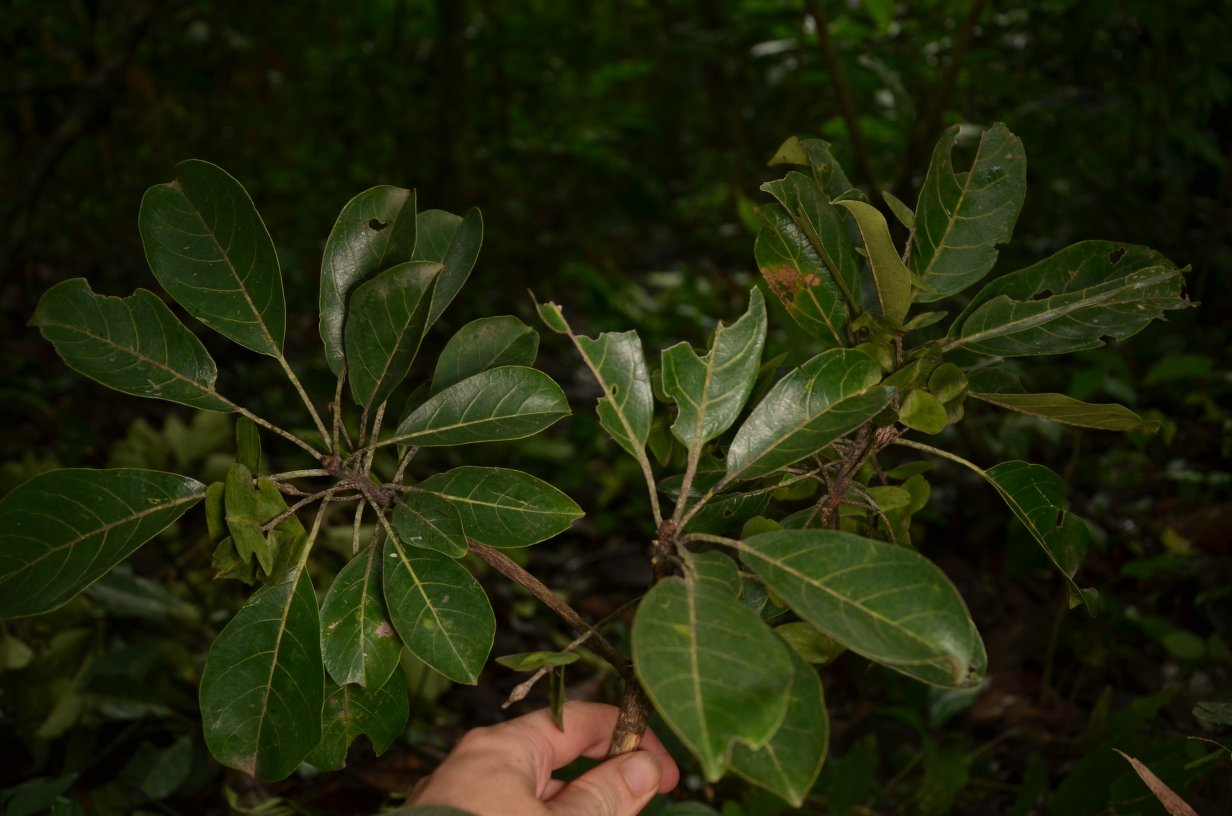
- Leaves: Simple, alternating clusters at branch tips
- Flowers: Small, white, in dense terminal spikes, mildly fragrant
- Fruits: Winged samaras (dry fruits) dispersed by wind
This tree is easily spotted by its tall silhouette and pale bark, making it one of the iconic giants of West African forests.
🌍 Ecological Role
- Acts as a canopy stabilizer in mature forests
- Provides:
- Nesting space for birds of prey and fruit bats
- Shade and protection for smaller tree species
- Food (via fallen fruit) for insects and small mammals
It’s a key part of the forest structure that defines much of the Tano River’s upper catchment ecosystem.
🪵 Economic Importance
One of the most valued commercial timber species in West Africa:
🌿 Timber uses:
- Furniture, veneers, and plywood
- Flooring and musical instruments (lightweight and resonant)
- Highly prized for its:
- Pale color with subtle patterns
- Light weight and resistance to warping
🌱 Also used for:
- Charcoal and fuelwood (in rural areas)
- Agroforestry windbreaks in savannah transition zones
Its popularity has made it a target of intensive logging, especially in Côte d’Ivoire and Ghana.

⚠️ Threats and Conservation
- Although not globally endangered, Terminalia superba is threatened by:
- Illegal logging and overexploitation
- Habitat fragmentation and mining
- Lack of regeneration in logged forests
In the Tano Basin, some trees survive in community-managed forest reserves or relic sacred groves.
🔄 Suggested strategies:
- Promote certified sustainable forestry
- Encourage replanting and seedling nurseries
- Recognize its value as a carbon sink and biodiversity pillar
🌱 Why It Matters for the Tano River
Terminalia superba represents:
- The tension between economy and ecology
- A living monument to the forest’s age and wisdom
- A potential symbol of sustainable development in riverine communities
Where the Tano flows, the white fraké still rises — if we choose to protect it.
🔗 Have you worked with Fraké wood or seen one of these majestic trees along the river? Share your story or photo at [TanoRiver.com/submit]


