

The Tano River
  • Home
  • 🌊The River
    • The Tano River
    • Cultural Significance
    • Spiritual and Historical Importance
    • Taakora — The Deity of the Tano River
    • Comprehensive Analysis of the Tano River and Its Basin
  • 🌿Environment
    • Flora and Fauna
    • Environmental Challenges
    • Conservation Efforts
    • The Tano River Basin
    • The Galamsey Crisis
    • Animals of the Tano
    • Trees and Plants of the Tano
    • Parks and Forest
    • Lagoons
    • Tributaries of the Tano River
  • History
    • Stories and Oral Traditions
    • Historical Events
    • Ancient Trade and Conflicts
    • The Legend of Tano and Bia
    • Deities and Spirits
    • God Tano, Afua Krankra, and Asase Ya/Afua in Akan Mythology
  • 🎉Culture
    • Ethnic Groups Along the Tano River
    • Fishing, Agriculture, and Rituals
    • Festivals and River Ceremonies
    • The Natural Border Between Ghana and Ivory Coast
  • 🛶 Tourism
    • Natural Sites to Visit
    • Cultural Experiences
    • Local Guides & Eco-Tourism
    • Creating a Touristic Ecosystem
  • 🌍News
  • Global Initiative
  • 🌍About
    • 📖The Project / Get Involved
    • 🧾 About me
    • ✉️ Contact us
    • 🤝 Partnerships / Collaborate
    • 💛 Donate
    • 🌿 A Tribute to My Father and Grandfather
    • 🧾All Our articles
    • 🧾Search Our Articles
    • 📖Glossary of the Tano River Ecosystem
Donate
Font ResizerAa
The Tano RiverThe Tano River
Search

Popular Posts

The Rivers, Lakes & Lagoons Collective

The rivers in Ghana

About the River

🪷 Cultural Significance of the Tano River

About the River

✨ Spiritual and Historical Importance of the Tano River

Welcome to Tanoriver.com

Join the Tano River Collective Project and be part of a growing movement dedicated to preserving the life, culture, and ecosystems of the Tano River. Together, we can make a lasting impact.
Join Us
Follow US
TanoRiver.com
The Tano River > All our Articles > Environment & Biodiversity > Trees and Plants of the Tano > 🌿 Alchornea cordifolia – African Christmas Bush
Trees and Plants of the Tano

🌿 Alchornea cordifolia – African Christmas Bush

By
Alexandre Tano Kan Koffi
Last updated: August 27, 2026
4 Min Read
Share

A healing shrub of riverside wisdom, protecting health and heritage along the Tano River

Contents
🔎 Scientific Name: Alchornea cordifolia📍 Habitat and Distribution🌿 Botanical Description🌍 Ecological Role🧪 Traditional Medicinal Uses🌿 Leaves:🌿 Roots and Bark:🌿 Fruits:🧙🏾‍♀️ Cultural and Spiritual Significance⚠️ Conservation Notes🌱 Why It Matters for the Tano River

🔎 Scientific Name: Alchornea cordifolia

Common names: African Christmas bush, Christmas berry, “Otan” (Akan), “Sisi” (Baoulé), “Vɔgbɔ” (Ewé), “Faux muirier” (Fr.)
Family: Euphorbiaceae (spurge family)


📍 Habitat and Distribution

Native to sub-Saharan Africa, Alchornea cordifolia thrives in:

  • Tropical forests, river valleys, savannas, and secondary growth zones
  • Grows across Ghana, Côte d’Ivoire, Nigeria, and most West and Central African countries

In the Tano River Basin, it is found:

  • Along streambanks and wetlands
  • In fallow fields, village groves, and herbal gardens
  • Cultivated by traditional healers and rural families

It prefers moist, fertile soils, often thriving in partly disturbed but regenerating landscapes.


🌿 Botanical Description

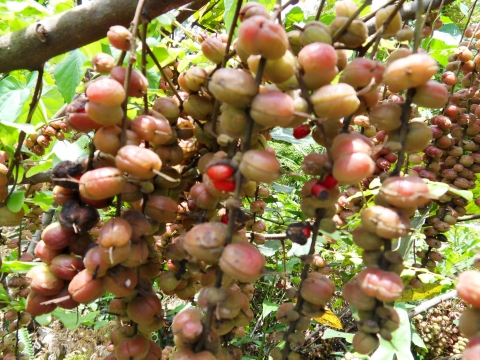
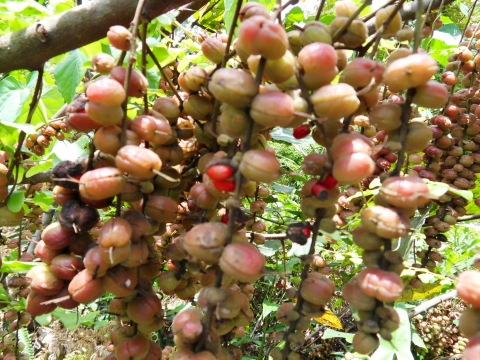
  • Height: A fast-growing shrub or small tree, typically 2–6 meters tall
  • Leaves: Large, heart-shaped (cordate), soft and velvety, often reddish when young
  • Flowers: Tiny, yellow-green spikes (male and female on separate plants)
  • Fruits: Small reddish capsules that split open to reveal black seeds
  • Roots: Shallow but strong, helping control erosion

🌍 Ecological Role

  • Pioneer species – helps restore degraded land and prevent soil erosion
  • Provides shade and protection for young forest trees
  • Attracts pollinators and seed-dispersing birds
  • A key part of natural reforestation near the Tano’s floodplain zones

🧪 Traditional Medicinal Uses

Alchornea cordifolia is one of West Africa’s most trusted traditional medicine plants, known for its versatility:

🌿 Leaves:

  • Crushed or brewed to treat:
    • Diarrhea, dysentery, and stomach upset
    • Eye infections (eye wash or poultice)
    • Coughs, fever, and respiratory illness
  • Applied topically for:
    • Wounds, ulcers, boils, and skin infections

🌿 Roots and Bark:

  • Used in tonics for fertility and reproductive health
  • Boiled for malaria and internal cleansing
  • Used in spiritual baths for cleansing and protection

🌿 Fruits:

  • Chewed or used in decoctions for treating urinary tract infections

It is gentle enough for children and often the first plant used in rural homes when illness arises.


🧙🏾‍♀️ Cultural and Spiritual Significance

In many Tano Basin communities:

  • The bush is believed to “guard the home” when planted at entrances
  • Used in ritual baths and ancestral libations
  • Burnt leaves may be used in protective smudging against bad spirits or misfortune
  • Some consider it a symbol of rebirth and purification — used after illness or mourning

Its reddish young leaves and heart-shaped foliage give it symbolic links to love, renewal, and inner strength.


⚠️ Conservation Notes

  • Widespread and not endangered, thanks to:
    • Its fast growth and ability to regenerate disturbed areas
    • Continued use by healers and midwives in local medicine

However, land clearing and habitat degradation still threaten its wild habitats near rivers.

Promoting Alchornea cordifolia in agroforestry and conservation projects strengthens both ecological and cultural resilience.


🌱 Why It Matters for the Tano River

Alchornea cordifolia is:

  • A guardian plant of the people
  • A bridge between forest, medicine, and tradition
  • A symbol of how the Tano River’s biodiversity sustains daily survival and ancestral wisdom

🔗 Do you grow or use this plant near the Tano River? Send us your stories or photos at [TanoRiver.com/submit]


Sign Up For Daily Newsletter

Be keep up! Get the latest breaking news delivered straight to your inbox.
By signing up, you agree to our Terms of Use and acknowledge the data practices in our Privacy Policy. You may unsubscribe at any time.
Share This Article
Facebook Email Copy Link Print
ByAlexandre Tano Kan Koffi
Follow:

✍️ About the Author

Alexandre Tano Kan Koffi is the founder of TanoRiver.com and a passionate advocate for Africa’s environmental and cultural heritage. Named after the Tano River, he honors his legacy through storytelling and conservation.
📧 Contact: alex [@] alexandrekoffi.com

Leave a Comment Leave a Comment

Leave a Reply Cancel reply

Your email address will not be published. Required fields are marked *

Receive latest news from all areas of Wildlife Animals

Our selection of the week's biggest research news and features sent directly to your inbox. Enter your email address, confirm you're happy to receive our emails.

HOT NEWS

The Rivers, Lakes & Lagoons Collective

The rivers in Ghana

April 10, 2026

🪷 Cultural Significance of the Tano River

May 5, 2026

✨ Spiritual and Historical Importance of the Tano River

February 13, 2026

📖 Indigenous Stories and Oral Traditions of the Tano River

May 9, 2026

Follow US: 

About us

  • 🌍 The Project / Get Involved
  • ✉️ Contact us
  • 💛 Donate
  • 🤝 Partnerships / Collaborate

TanoRiver.com

  • Terms and Conditions
  • Privacy Policy
  • Cookie Policy

Cookies Notice

We use our own and third-party cookies to improve our services, personalise your advertising and remember your preferences.
Welcome Back!

Sign in to your account

Username or Email Address
Password

Lost your password?
