

The Tano River
  • Home
  • 🌊The River
    • The Tano River
    • Cultural Significance
    • Spiritual and Historical Importance
    • Taakora — The Deity of the Tano River
    • Comprehensive Analysis of the Tano River and Its Basin
  • 🌿Environment
    • Flora and Fauna
    • Environmental Challenges
    • Conservation Efforts
    • The Tano River Basin
    • The Galamsey Crisis
    • Animals of the Tano
    • Trees and Plants of the Tano
    • Parks and Forest
    • Lagoons
    • Tributaries of the Tano River
  • History
    • Stories and Oral Traditions
    • Historical Events
    • Ancient Trade and Conflicts
    • The Legend of Tano and Bia
    • Deities and Spirits
    • God Tano, Afua Krankra, and Asase Ya/Afua in Akan Mythology
  • 🎉Culture
    • Ethnic Groups Along the Tano River
    • Fishing, Agriculture, and Rituals
    • Festivals and River Ceremonies
    • The Natural Border Between Ghana and Ivory Coast
  • 🛶 Tourism
    • Natural Sites to Visit
    • Cultural Experiences
    • Local Guides & Eco-Tourism
    • Creating a Touristic Ecosystem
  • 🌍News
  • Global Initiative
  • 🌍About
    • 📖The Project / Get Involved
    • 🧾 About me
    • ✉️ Contact us
    • 🤝 Partnerships / Collaborate
    • 💛 Donate
    • 🌿 A Tribute to My Father and Grandfather
    • 🧾All Our articles
    • 🧾Search Our Articles
    • 📖Glossary of the Tano River Ecosystem
Donate
Font ResizerAa
The Tano RiverThe Tano River
Search

Popular Posts

The Rivers, Lakes & Lagoons Collective

The rivers in Ghana

About the River

🪷 Cultural Significance of the Tano River

About the River

✨ Spiritual and Historical Importance of the Tano River

Welcome to Tanoriver.com

Join the Tano River Collective Project and be part of a growing movement dedicated to preserving the life, culture, and ecosystems of the Tano River. Together, we can make a lasting impact.
Join Us
Follow US
TanoRiver.com
The Tano River > All our Articles > Environment & Biodiversity > Trees and Plants of the Tano > 🌺 Hibiscus rosa-sinensis – Tropical Hibiscus (non native)
Trees and Plants of the Tano

🌺 Hibiscus rosa-sinensis – Tropical Hibiscus (non native)

By
Alexandre Tano Kan Koffi
Last updated: February 2, 2026
3 Min Read
Share

A symbol of vitality, healing, and everyday beauty along the Tano River

Contents
🔎 Scientific Name: Hibiscus rosa-sinensis📍 Habitat and Distribution🌸 Botanical Description🌿 Ecological Role🧃 Culinary and Medicinal Uses🌿 Traditional Uses:🧙🏽‍♀️ Cultural and Symbolic Significance⚠️ Threats and Notes🌱 Why It Matters for the Tano River

🔎 Scientific Name: Hibiscus rosa-sinensis

Common names: Tropical hibiscus, Chinese hibiscus, “Aboa bↄ” (Akan), “Fleur d’hibiscus” (Fr.), “Sobe” (Baoulé)
Family: Malvaceae (mallow family)


📍 Habitat and Distribution

Although native to Asia, Hibiscus rosa-sinensis has become a widely cultivated flower across West Africa, and is:

  • Found in village gardens, compound fences, and schoolyards
  • Occasionally naturalized along paths, farms, or forest edges
  • Grown near homes along the Tano River Basin, especially in settlements and forest clearings

It thrives in tropical climates with ample sun and moisture.


🌸 Botanical Description

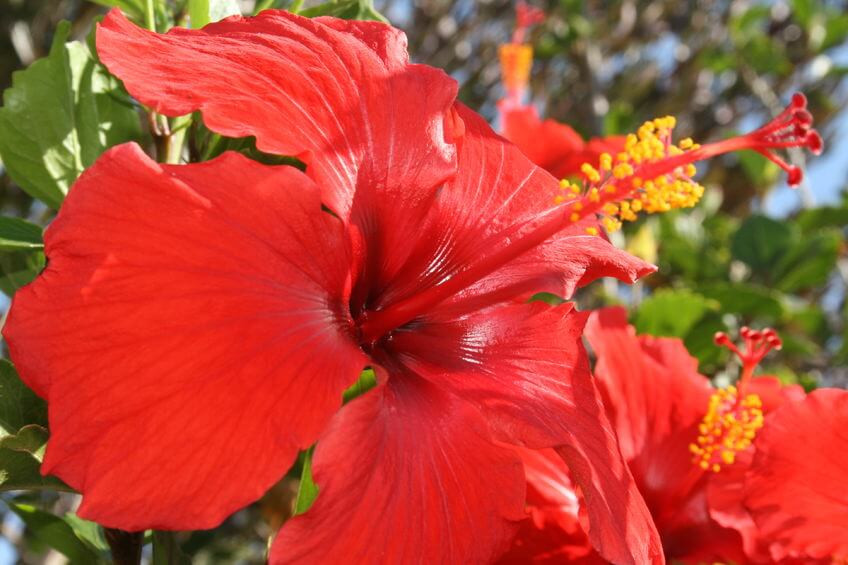
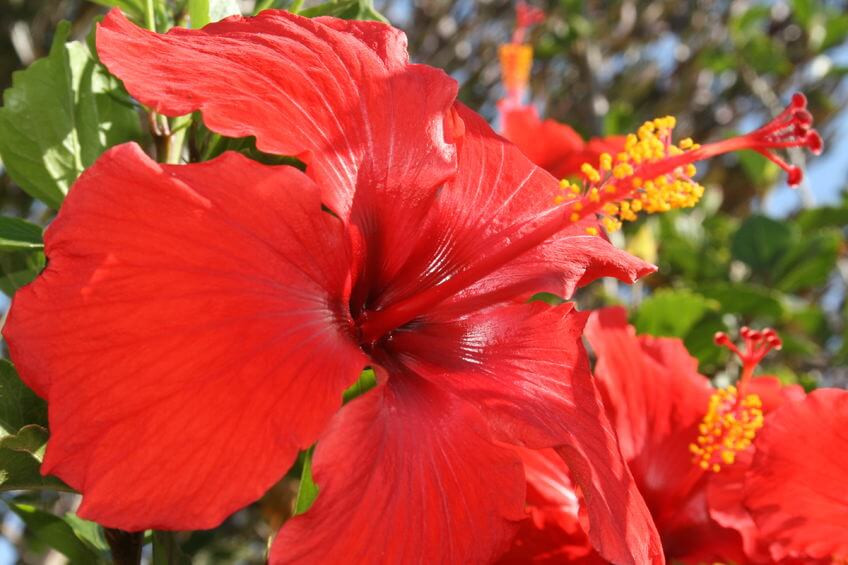
  • Flowers: Large, vivid blooms (typically red, pink, yellow, or orange), trumpet-shaped with prominent stamens
  • Leaves: Glossy, dark green, oval with serrated edges
  • Plant type: Woody shrub or small tree, 1.5–3 meters tall
  • Blooming: Almost year-round in warm regions

Each bloom lasts just a day, but the plant flowers continuously, creating a living wall of color.


🌿 Ecological Role

  • Attracts bees, butterflies, hummingbirds, and sunbirds
  • Provides shade and privacy in home gardens
  • Can be used for erosion control on sloped terrain

While cultivated, hibiscus contributes to urban biodiversity and supports local pollinators.


🧃 Culinary and Medicinal Uses

Though Hibiscus rosa-sinensis is less commonly used in tea than Hibiscus sabdariffa (Roselle), it still holds local medicinal value:

🌿 Traditional Uses:

  • Infusions from petals used to:
    • Treat menstrual cramps and pain
    • Lower fever or blood pressure
    • Alleviate coughs and chest pain
  • Crushed petals may be applied to:
    • Skin irritations
    • Wounds or insect bites

In some villages near the Tano River, the bright red flowers are included in healing baths, especially for young girls or postpartum mothers.


🧙🏽‍♀️ Cultural and Symbolic Significance

In many West African homes and traditions, the hibiscus is:

  • A symbol of beauty, femininity, and passion
  • Used as a gift flower in romantic or friendly settings
  • Planted along paths to river shrines or used in floral offerings during festivals

In some rural beliefs, the flower’s short life span symbolizes ephemeral joy or youthful beauty, reinforcing its place in ceremonies for weddings and first births.


⚠️ Threats and Notes

  • Not endangered, but:
    • Hybrid varieties may replace traditional red hibiscus in some regions
    • Herbal knowledge associated with it is declining among urban youth
  • Sometimes mistakenly removed as “ornamental” without understanding its cultural or medicinal value

🌱 Why It Matters for the Tano River

Though not a wild native, Hibiscus rosa-sinensis is a vital cultural plant along the Tano:

  • It beautifies human settlements near the river
  • Connects people to herbal medicine, celebration, and femininity
  • Its flowers reflect the vibrancy of riverine life

🔗 Have a hibiscus garden or story from the Tano region? Share it with us at [TanoRiver.com/submit]


Sign Up For Daily Newsletter

Be keep up! Get the latest breaking news delivered straight to your inbox.
By signing up, you agree to our Terms of Use and acknowledge the data practices in our Privacy Policy. You may unsubscribe at any time.
Share This Article
Facebook Email Copy Link Print
ByAlexandre Tano Kan Koffi
Follow:

✍️ About the Author

Alexandre Tano Kan Koffi is the founder of TanoRiver.com and a passionate advocate for Africa’s environmental and cultural heritage. Named after the Tano River, he honors his legacy through storytelling and conservation.
📧 Contact: alex [@] alexandrekoffi.com

Leave a Comment Leave a Comment

Leave a Reply Cancel reply

Your email address will not be published. Required fields are marked *

Receive latest news from all areas of Wildlife Animals

Our selection of the week's biggest research news and features sent directly to your inbox. Enter your email address, confirm you're happy to receive our emails.

HOT NEWS

The Rivers, Lakes & Lagoons Collective

The rivers in Ghana

April 10, 2026

🪷 Cultural Significance of the Tano River

May 5, 2026

✨ Spiritual and Historical Importance of the Tano River

February 13, 2026

📖 Indigenous Stories and Oral Traditions of the Tano River

May 9, 2026

Follow US: 

About us

  • 🌍 The Project / Get Involved
  • ✉️ Contact us
  • 💛 Donate
  • 🤝 Partnerships / Collaborate

TanoRiver.com

  • Terms and Conditions
  • Privacy Policy
  • Cookie Policy

Cookies Notice

We use our own and third-party cookies to improve our services, personalise your advertising and remember your preferences.
Welcome Back!

Sign in to your account

Username or Email Address
Password

Lost your password?
