



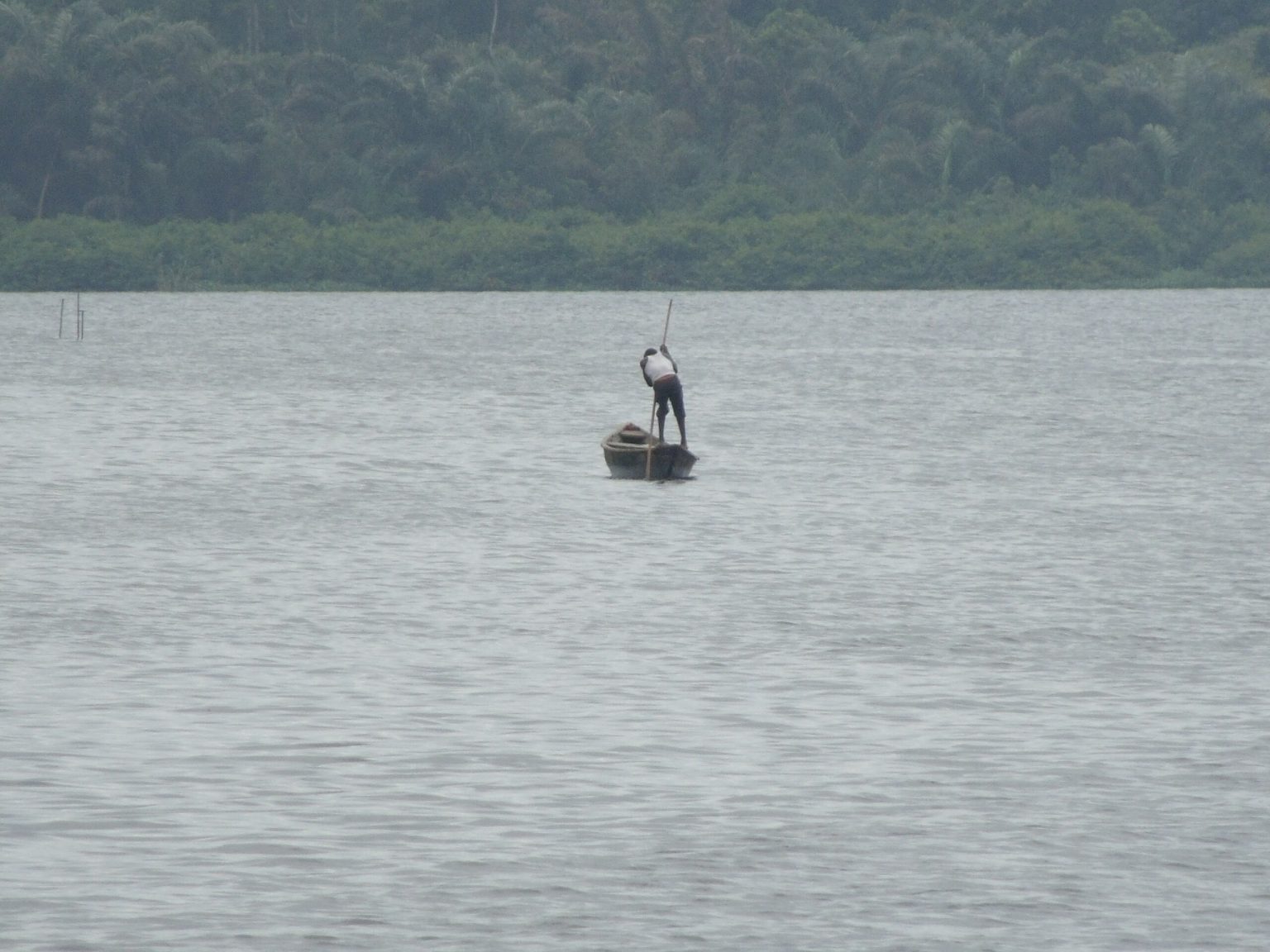
The fragile frontier of freshwater and salt, culture and conservation
At the southern edge of the Tano River’s long journey through Ghana and Côte d’Ivoire lies Tendo Lagoon, a quiet yet ecologically vital body of water that serves as the gateway between river and sea. This estuarine lagoon, nestled within the lush lowlands of south-eastern Côte d’Ivoire, is one of the final ecosystems the Tano nourishes before its waters merge with the Atlantic Ocean.
📍 Geography and Connection to the Tano River
Tendo Lagoon is part of the Tanoé-Ehy wetland complex, one of the most biologically rich and sensitive coastal zones in West Africa. As the Tano River empties southward, it feeds into this mosaic of brackish lagoons, mangrove swamps, and seasonally flooded forests. The Tendo Lagoon specifically lies just inland from the coast, forming a delicate transitional zone between the river’s freshwater and the ocean’s salt.
This makes the lagoon a mixing ground — hydrologically and ecologically — where tides meet river currents, and freshwater species coexist with marine-adapted organisms.
🐟 Biodiversity and Ecological Importance
Tendo Lagoon supports an abundance of life:
- Fish species like tilapia, catfish, and African pike use the lagoon as a breeding and feeding ground
- Birds, including herons, egrets, and migratory waterfowl, find refuge in the reed beds and mudflats
- Mangrove forests, lining parts of the lagoon, stabilize the shoreline and provide nursery habitats
The lagoon is not just an extension of the river — it is an essential ecosystem on its own, acting as a buffer against coastal erosion, a filter for sediment and nutrients, and a carbon sink through its mangrove stands.
👣 Human and Cultural Connections
Communities living near Tendo Lagoon rely on it for:
- Artisanal fishing
- Small-scale agriculture along its banks
- Salt harvesting, particularly in dry months
- Spiritual practices, where water deities and ancestral spirits are honored
The lagoon is seen not only as a source of sustenance but also as a sacred body, tied to local taboos and traditional knowledge. Like the river itself, Tendo Lagoon plays a cultural and mythological role in local identity.
⚠️ Threats and Vulnerability
Despite its ecological and cultural richness, Tendo Lagoon is under growing pressure:
- Pollution from upstream mining (especially galamsey in the Tano basin) threatens water quality
- Mangrove deforestation for firewood and development disrupts breeding grounds
- Overfishing and use of illegal nets are reducing fish stocks
- Climate change, including sea level rise and changing rainfall patterns, affects lagoon salinity and fish migration
These factors put the lagoon — and the communities that depend on it — at risk of long-term degradation.
🌍 Conservation and Hope
Tendo Lagoon is located within the larger Tanoé-Ehy wetland, which has received increasing attention from environmental organizations. Local efforts supported by NGOs and researchers include:
- Community-based mangrove replanting
- Education campaigns on sustainable fishing
- Monitoring of endangered species, including primates and reptiles in surrounding forests
- Calls for transboundary conservation involving both Ghana and Côte d’Ivoire
🧭 Why It Matters
Tendo Lagoon is the last breath of the Tano River — a confluence of water, people, and life. To protect the lagoon is to protect the river’s legacy.
At TanoRiver.com, we believe that true river conservation doesn’t stop at the riverbank — it extends all the way to the estuaries, the wetlands, and the sea.
🔗 Want to support lagoon conservation or share field data? Visit our Get Involved page.


