



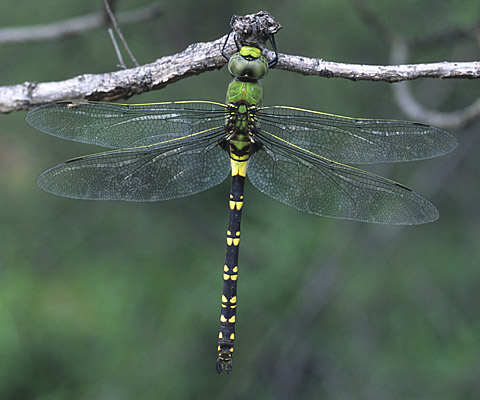
Also known as: African Emperor, River Sentinel
Contents
📍 Habitat
The African giant dragonfly is found along slow-moving rivers, floodplains, swamps, and seasonal pools — all of which are abundant along the Tano River Basin. It prefers sunny, open water areas bordered by reeds, aquatic plants, and forest edges.
Its larvae (nymphs) develop in clean, oxygen-rich water, making it an excellent bioindicator for aquatic ecosystem health.
⚠️ Conservation Status
- IUCN Red List: Least Concern, but sensitive to pollution and habitat disruption
- Local threats include:
- Water pollution from illegal mining and farming runoff
- Loss of breeding sites due to wetland drainage and vegetation clearing
- Pesticide use near agricultural zones
🧬 Description
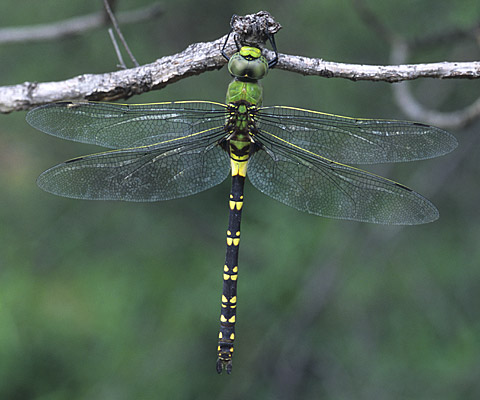
- One of the largest dragonflies in Africa, with a wingspan up to 13 cm (5 inches)
- Metallic green or blue thorax, with a long, slender black and blue abdomen
- Transparent wings with strong venation and dark tips
- Large compound eyes provide 360-degree vision
🧠 Behavior
- Daytime hunter, known for its agile flight and aerial speed
- Feeds on mosquitoes, flies, moths, butterflies, and other small insects
- Patrols territories along water edges and perches on reeds
- Males are territorial; females lay eggs in submerged plants
🌿 Ecological Role
- Controls populations of pests and disease-carrying insects
- Dragonfly nymphs are aquatic predators, feeding on mosquito larvae, tadpoles, and other invertebrates
- Essential for nutrient cycling in aquatic and forest-edge habitats
- Indicator of clean, functioning freshwater ecosystems
✨ Cultural Significance
In many African cultures, including among the Akan and Nzema, dragonflies are seen as symbols of change, agility, and spiritual guardianship. Because of their presence near sacred rivers and wetlands, they are often associated with:
- Messages from ancestors or river spirits
- Transformation and renewal (due to their metamorphosis from water nymphs)
- Protection against misfortune or disease, as they eliminate harmful insects
In proverbs, dragonflies are praised for their precision and poise in chaotic surroundings.
🔥 Conservation Needs
- Protect wetland breeding habitats along the Tano River
- Reduce pollution from mining and agriculture
- Encourage natural pest control approaches that preserve dragonfly populations
- Include insects in biodiversity education and ecotourism programs


