



Common species:
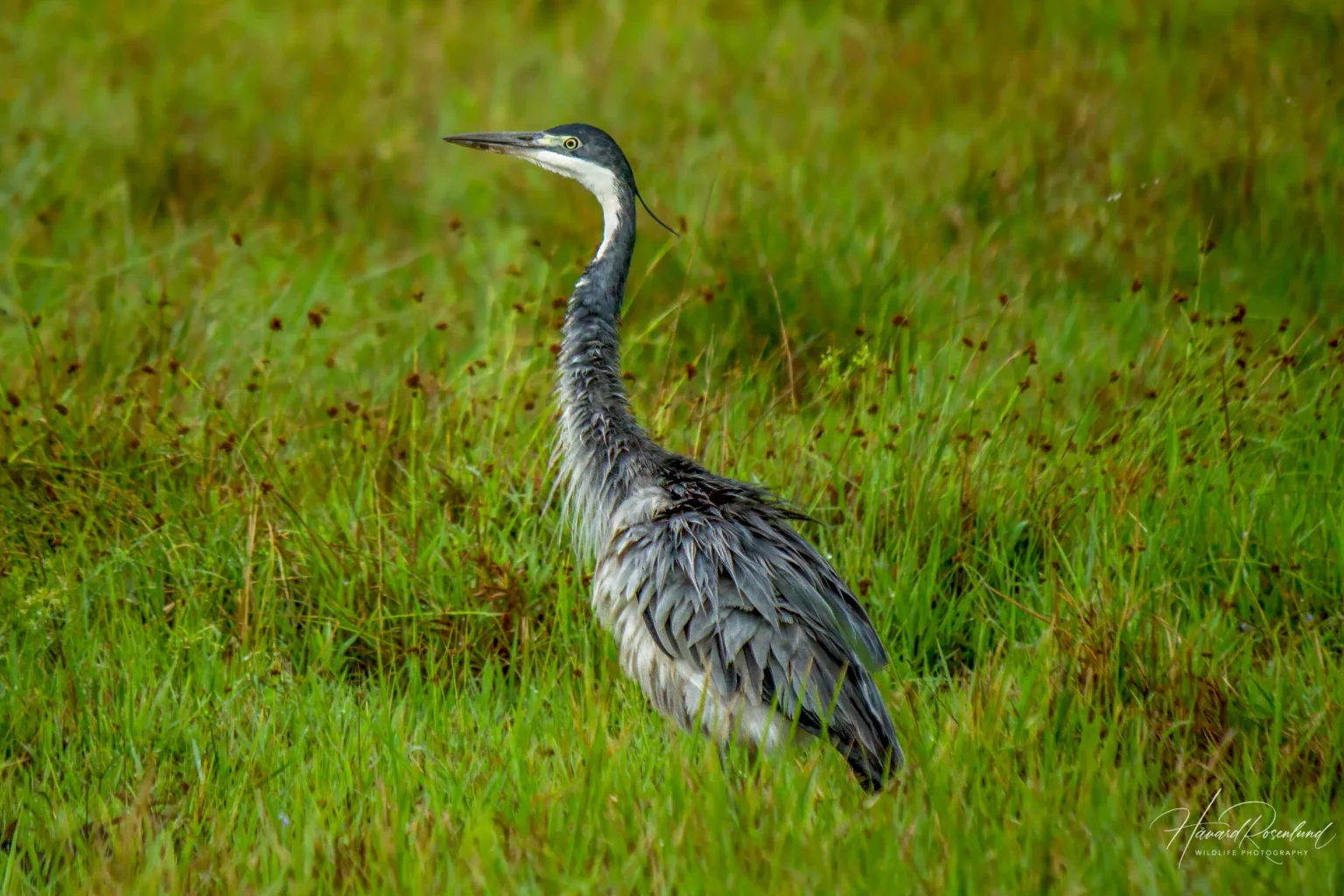
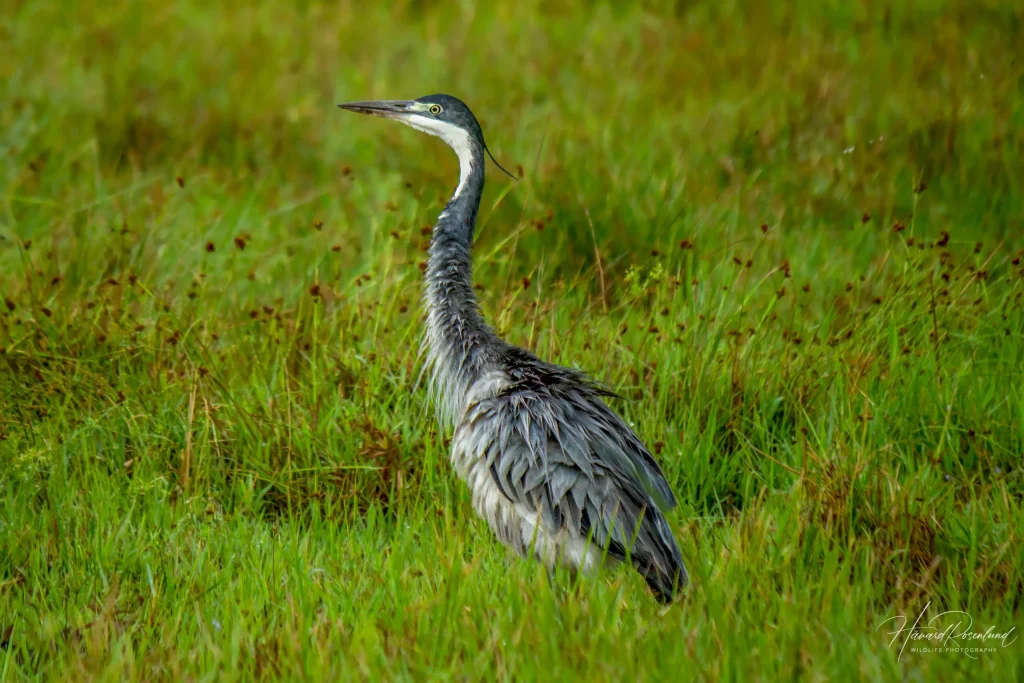
- Black-headed Heron (Ardea melanocephala)
- Squacco Heron (Ardeola ralloides)
- Purple Heron (Ardea purpurea)
- Great Egret (Ardea alba)
- Striated Heron (Butorides striata)
📍 Habitat
Herons inhabit the marshes, riverbanks, oxbow lakes, flooded fields, and shallow wetlands of the Tano River Basin. They are frequently observed standing still along water edges or wading through emergent vegetation to hunt fish, frogs, and insects.
The Boin Tano Forest Reserve and Tanoé-Ehy swamp complex are important foraging and breeding areas.
⚠️ Conservation Status
- Most herons in the Tano region are listed as Least Concern by the IUCN
- However, local threats are real and growing:
- Wetland destruction and siltation from mining (galamsey)
- Agricultural expansion and pesticide runoff
- Disturbance of nesting sites during breeding season
- Decline of fish and amphibian prey due to pollution
🧬 Description
Herons vary in size, color, and behavior, but all share key features:
- Long necks and legs, ideal for wading
- Sharp, dagger-like bills for spearing fish or frogs
- Typically solitary hunters, although some species roost in colonies
- Flight: slow, deep wingbeats, neck retracted (unlike storks or cranes)
🧠 Behavior
- Patient hunters, standing still for minutes before striking
- Nest in trees, reeds, or low shrubs, often near water
- Feed on a variety of aquatic prey, including fish, tadpoles, insects, and crustaceans
- Migrate locally in response to water levels and food availability
🌿 Ecological Role
- Top-level wetland predators: control fish, amphibian, and insect populations
- Indicators of wetland ecosystem health
- Contribute to nutrient cycling through their guano and feeding patterns
- Their presence reflects functional hydrological systems
✨ Cultural Significance
In West African folklore, herons and egrets are often seen as messengers of purity, patience, and insight. In some Akan beliefs, their stillness is associated with spiritual awareness, and their appearance during ceremonies or rites is viewed as a good omen.
Egrets, in particular, are associated with royalty, dignity, and ancestral presence — often seen on sacred waters near shrines.
🔥 Conservation Needs
- Protect wetland habitats and nesting trees along the river
- Enforce regulations on illegal mining and dumping
- Promote bird-friendly agriculture and eco-tourism
- Include herons in community wetland education programs


