



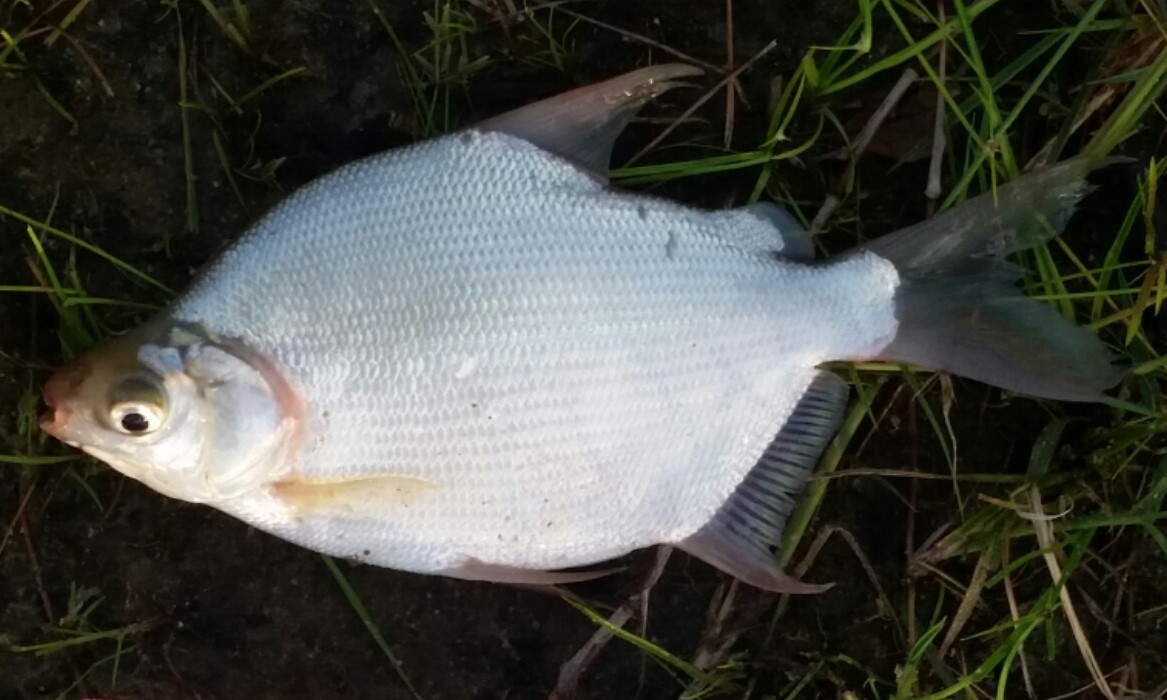
Aussi appelé : Poisson-lune africain ou poisson-plateau
Contents
📍 Habitat
The African moon fish inhabits slow-moving rivers, large streams, and floodplains, including the middle and lower sections of the Tano River. It thrives in muddy, vegetated zones where it can filter food from the water column.
It is most active in areas with calm current, abundant plankton, and soft sediment.
⚠️ Conservation Status
- IUCN Red List: Least Concern
- Main Threats:
- Overfishing, especially during breeding periods
- Water pollution and habitat degradation (from galamsey and agriculture)
- Loss of floodplain breeding zones
🧬 Description
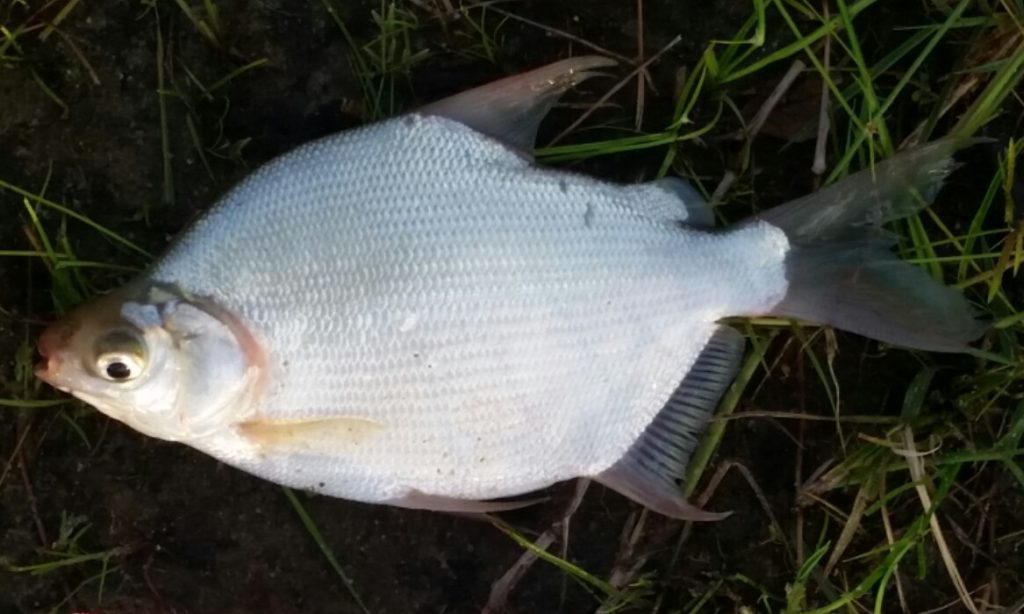
- Deep-bodied and round like a moon, hence its name
- Silvery-grey with slightly pink or copper hues
- Grows up to 50 cm in length and can weigh several kilos
- Small mouth, adapted to filter plankton, algae, and detritus
🧠 Behavior
- Omnivorous filter feeder — consumes microscopic organisms and decomposed organic matter
- Moves in schools, especially during spawning migrations
- Breeds during the rainy season, migrating into flooded grasslands and wetlands
- Plays an important role in nutrient cycling and sediment turnover
🌱 Ecological Role
- Acts as a biological filter by cleaning up excess algae and detritus
- Supports predatory fish (like tiger fish and catfish) as a major prey species
- Enhances water quality and oxygen balance by stabilizing plankton dynamics
🍽️ Human Use & Cultural Role
- Widely caught in local artisanal fisheries along the Tano
- Valued for its tasty white flesh and sold in fresh or smoked form
- In some fishing communities, its round shape and seasonal migration are seen as signs of fertility and abundance
While not as symbolic as the crocodile or elephant, it is sometimes invoked in river-based proverbs relating to cycles, return, and nourishment.
🔥 Conservation Priorities
- Monitor population trends during breeding seasons
- Prevent disruption of spawning grounds (floodplains)
- Regulate fishing during high reproduction periods
- Include it in aquatic ecosystem monitoring as a bioindicator


