



📍 Habitat
This elusive songbird is found in lowland tropical rainforests of West Africa, with confirmed presence in southwestern Ghana, notamment dans la Boin Tano Forest Reserve, ainsi que dans les forêts humides proches du fleuve Tano et la zone transfrontalière Tanoé-Ehy.
Contents
It lives in dense understorey and mid-level canopy, often near forest streams or swampy clearings.
⚠️ Conservation Status
- IUCN Red List: Near Threatened
- Main Threats:
- Logging and forest fragmentation
- Agricultural encroachment
- Decline in insect-rich microhabitats
- Loss of riparian forest zones near rivers like the Tano
🧬 Description
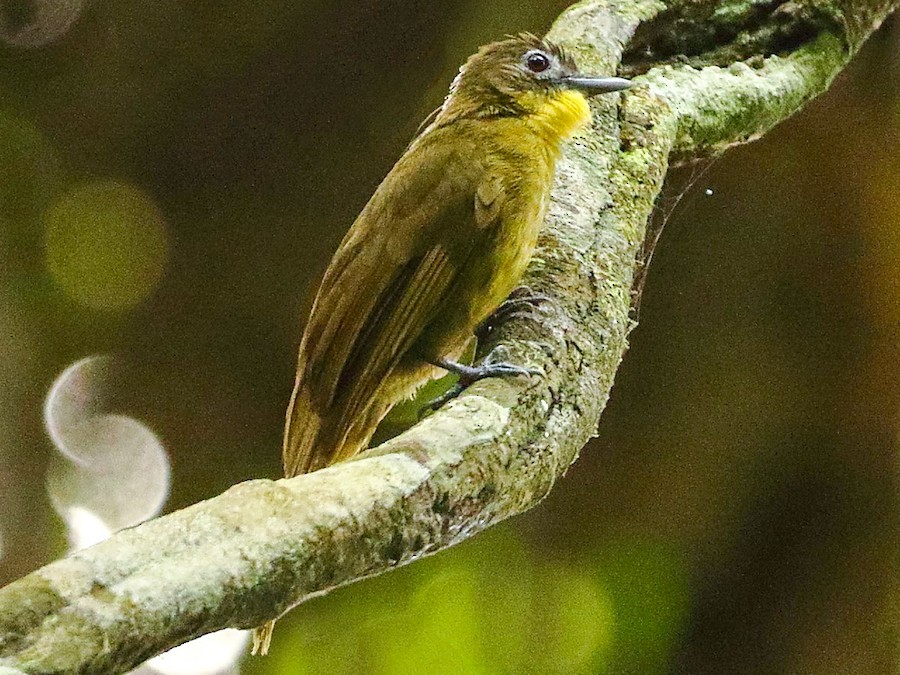
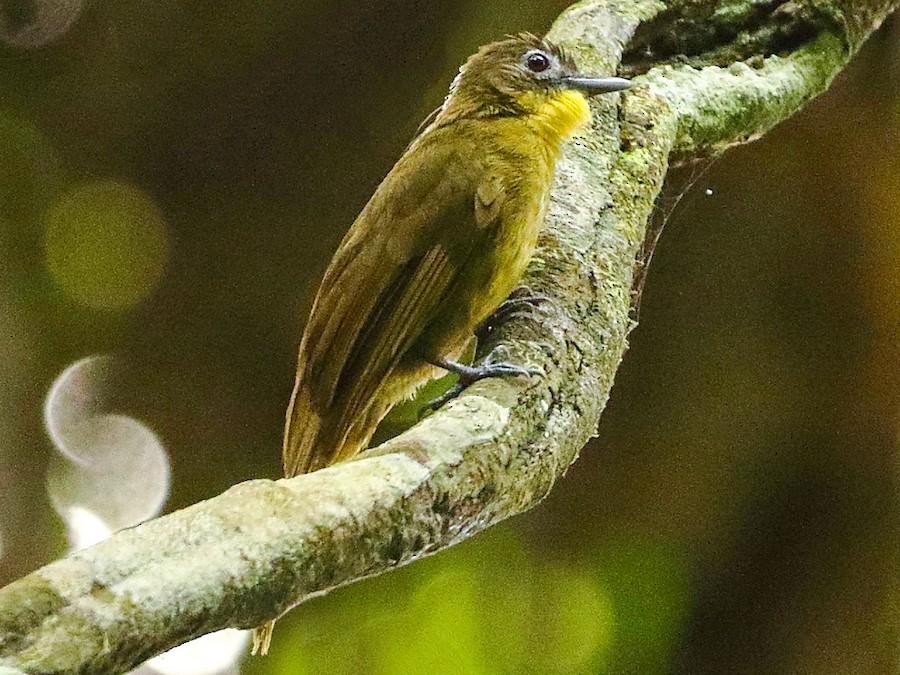
- Medium-sized bird with olive-brown plumage, a distinctive yellow “beard” or throat tuft, and a short, rounded tail
- Pale underparts with yellow wash
- Strong legs and a slightly curved bill — adapted for insect foraging
- Secretive and often overlooked due to its camouflaged coloration
🧠 Behavior
- Insectivorous, feeds on insects, caterpillars, small snails, and spiders
- Occasionally supplements diet with fruits
- Lives in pairs or small family groups, sometimes part of mixed-species flocks
- Sings melodious, flute-like calls early in the morning
🌱 Ecological Role
- Controls insect populations in the forest understorey
- Disperses seeds from forest fruits
- Indicator of healthy, closed-canopy forest ecosystems
- Sensitive to disturbance — its absence often signals habitat degradation
🧘♂️ Cultural Relevance
While not widely known in folklore, bulbuls are generally associated with dawn, song, and forest vitality. In some Ghanaian oral traditions, birds with rare calls are believed to be messengers between the world of spirits and nature.
🔥 Conservation Priorities
- Maintain intact riparian and lowland forests along the Tano River
- Restrict illegal logging in key biodiversity corridors (e.g. Boin Tano Reserve)
- Promote birdwatching tourism as an alternative income source
- Include species like the Yellow-bearded Greenbul in environmental education efforts


