



📍 Habitat
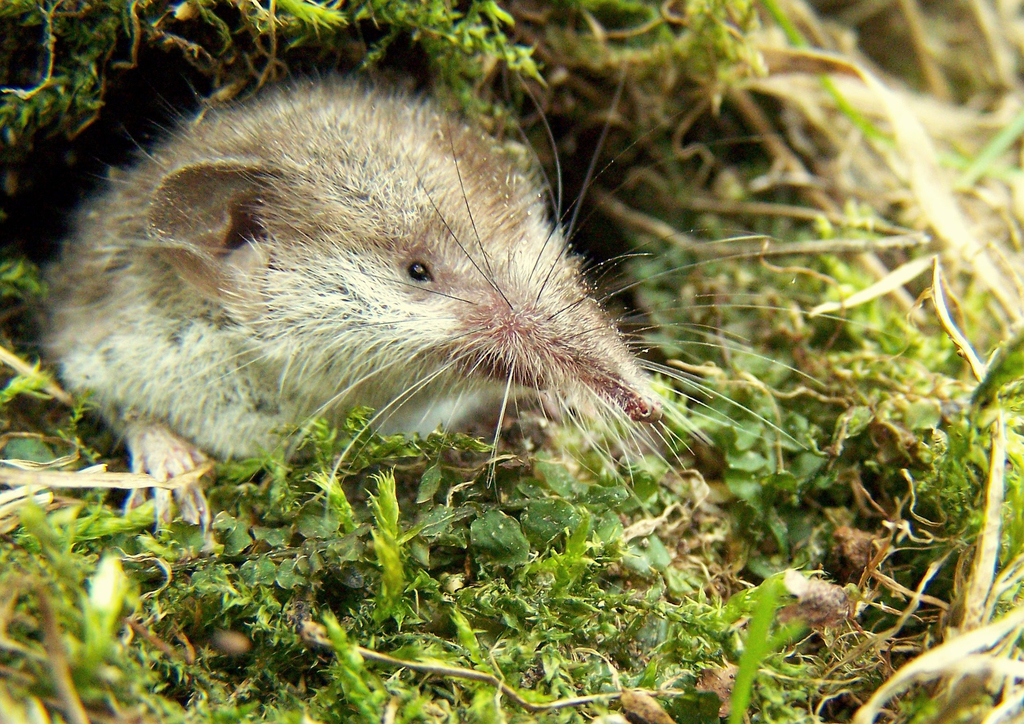
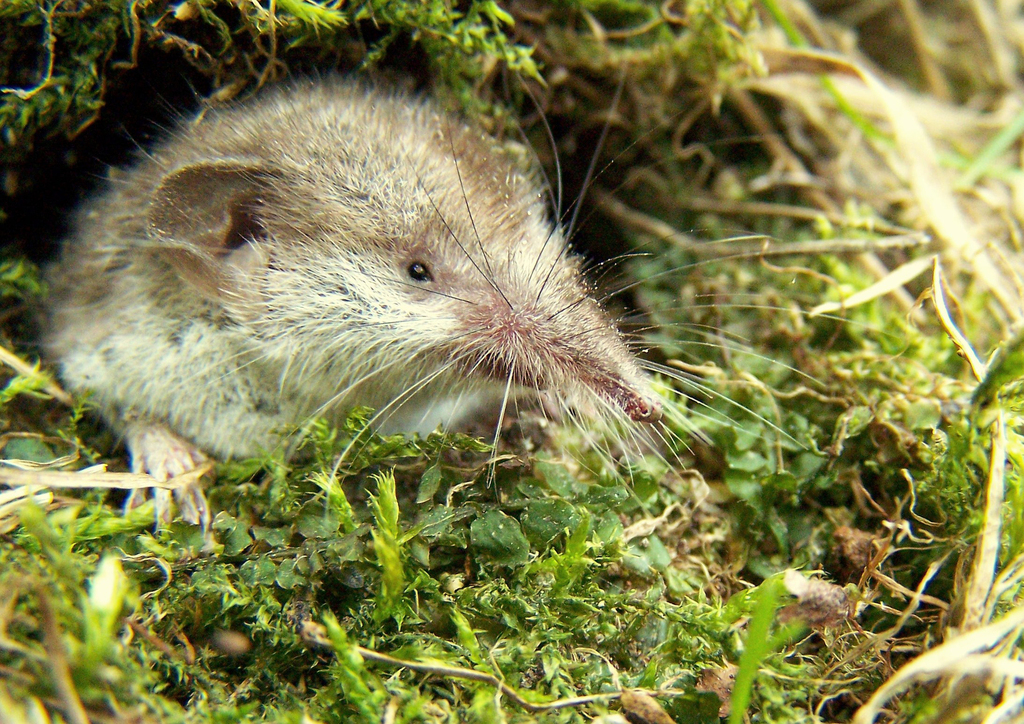
This tiny insectivorous mammal lives in tropical moist lowland forests, including the dense undergrowth and leaf litter of the Boin Tano Forest Reserve and other forest zones near the Tano River. It is highly dependent on undisturbed, humid microhabitats with rich organic material.
Contents
⚠️ Conservation Status
- IUCN Red List: Least Concern, but vulnerable to habitat disturbance
- Main Threats (locally):
- Forest clearing for agriculture and mining (galamsey)
- Destruction of leaf litter layers and soil ecosystems
- Pesticide and chemical runoff in wet zones
🧬 Description
- Very small mammal, about 7–10 cm long, with a pointed snout and short tail
- Dense, soft fur (grayish-brown) and almost hairless tail
- Small eyes and ears, reflecting its subterranean and crepuscular habits
- Emits a musk-like odor from scent glands, hence the name “musk shrew”
🧠 Behavior
- Nocturnal and ground-dwelling, active mostly at dusk and night
- Feeds on insects, larvae, worms, and small arthropods
- Uses tunnels and natural ground crevices for nesting
- Lifespan is short (1–2 years), but reproduction is fast and frequent
🌱 Ecological Role
- Controls insect populations in the forest floor ecosystem
- Important prey for snakes, owls, and small carnivores
- Contributes to soil aeration through its movement in the litter and undergrowth
🧘♂️ Cultural Relevance
Often overlooked, shrews like Crocidura poensis are sometimes mistaken for rodents or avoided due to their smell. In some African folklore, they are seen as carriers of ancestral messages, or as omens, especially when they cross paths unexpectedly.
In Akan traditions, animals that live close to the soil are often associated with depth, secrets, and fertility.
🔥 Conservation Needs
- Preserve undisturbed forest floor environments
- Limit use of chemicals in nearby agricultural zones
- Recognize the ecological role of small insectivores in biodiversity studies
- Include shrew populations in forest health monitoring programs


