



📍 Habitat
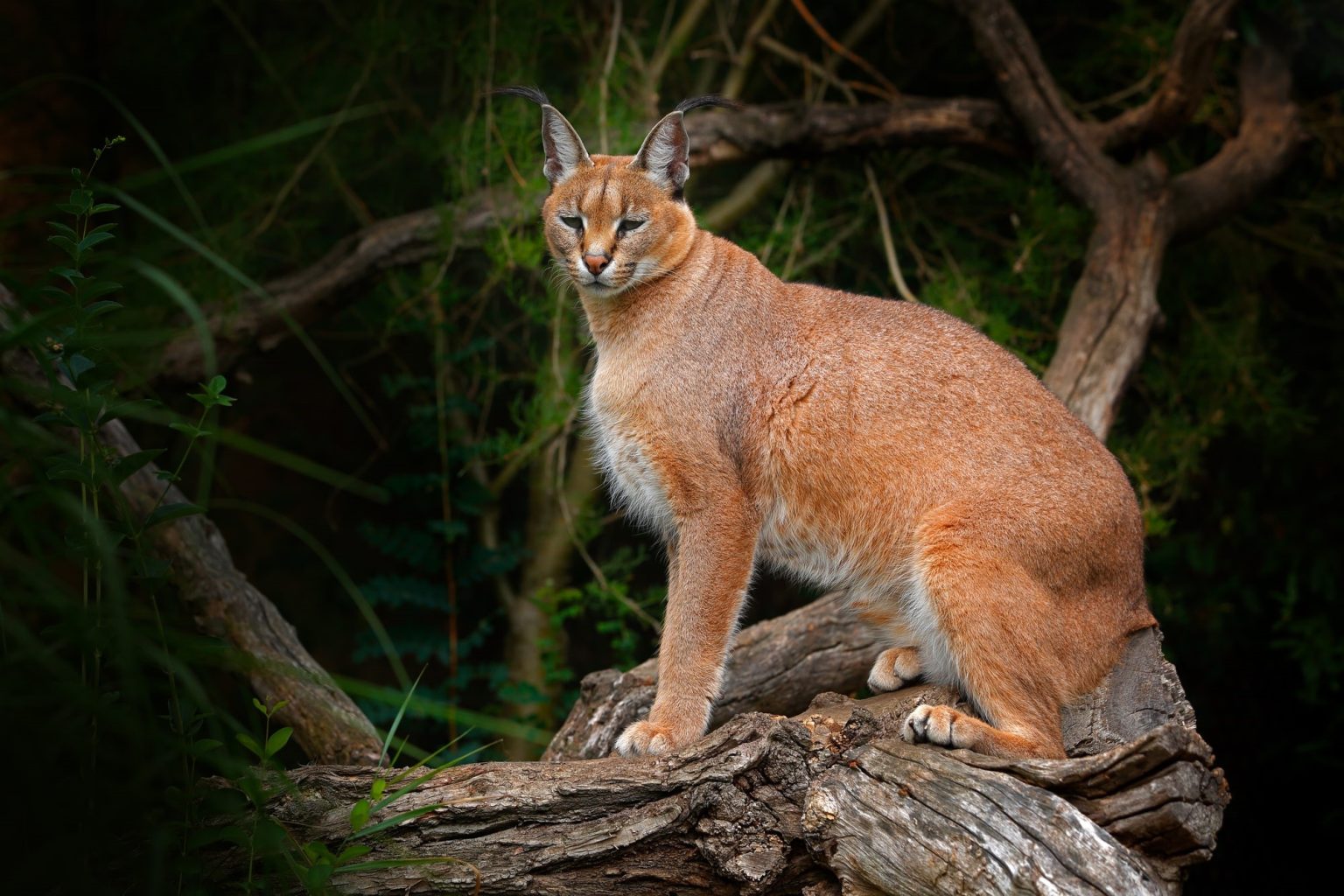
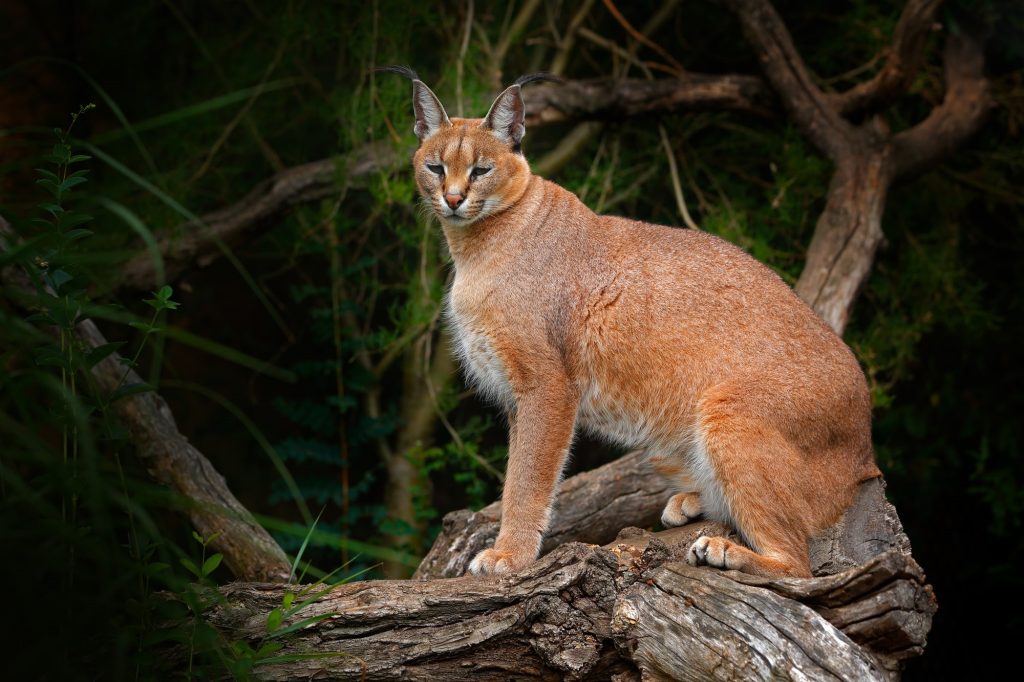
This elusive feline lives in tropical rainforests, particularly those of southwestern Ghana and southeastern Côte d’Ivoire, including the Tanoé-Ehy Forest and forest corridors near the Boin Tano Forest Reserve. It is rarely seen and prefers dense, undisturbed vegetation close to rivers, swamps, and hills.
⚠️ Conservation Status
- IUCN Red List: Near Threatened
- Main Threats in the Tano Basin:
- Deforestation for agriculture and logging
- Forest fragmentation from mining (galamsey)
- Bushmeat snares (often accidental capture)
- Decline in prey species (rodents, small antelopes)
🧬 Description
- Medium-sized wild cat (length: 60–80 cm, tail: up to 40 cm)
- Coat color varies from reddish-golden to grey, sometimes with spots
- Compact, muscular body with short legs
- Rounded ears and thick tail with a dark tip
🧠 Behavior
- Solitary and nocturnal, highly secretive
- Hunts ground-dwelling prey: rodents, duikers, birds, monkeys
- Marks territory with scent and claw marks
- Active mostly at night or in deep forest shade
🌿 Ecological Role
The African golden cat is a top predator in forest ecosystems. It helps control populations of small mammals and birds, contributing to ecological balance in dense forest regions bordering the Tano River.
🧘♂️ Cultural Role
In some local folklore, golden cats are associated with stealth, spirit-world messengers, or shape-shifters. Their elusive nature gives them a mythical reputation, often seen as creatures of the “other world.”
Because they are rarely seen, sightings are considered significant spiritual signs in certain Akan and Nzema oral traditions.
🔥 Conservation Priorities
- Urgent need to protect primary forest habitat
- Promote forest corridor connectivity along the Tano River
- Engage local communities in snares removal and wildlife monitoring
- Avoid conversion of sacred forests into farmland or mining zones


