



📍 Habitat
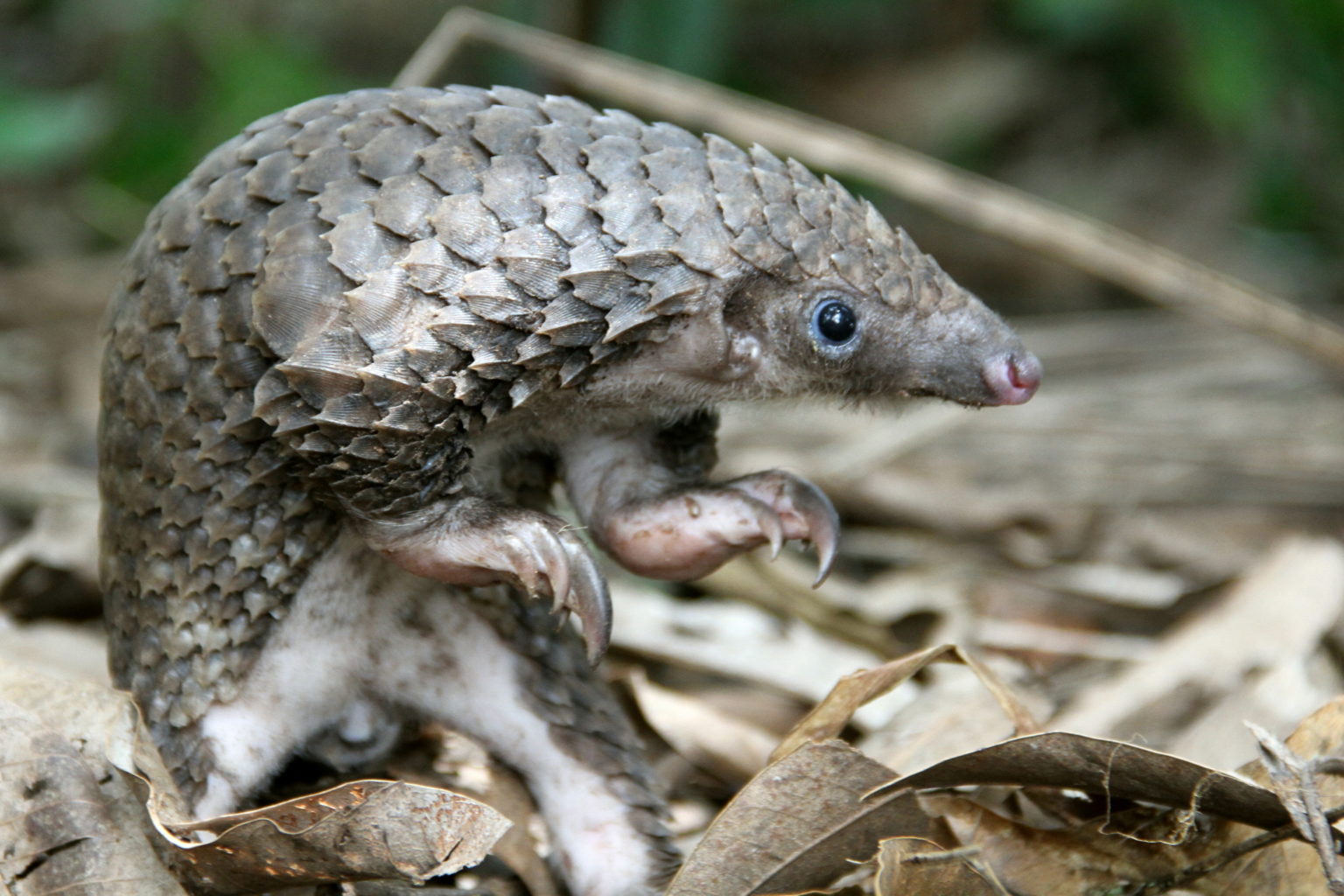
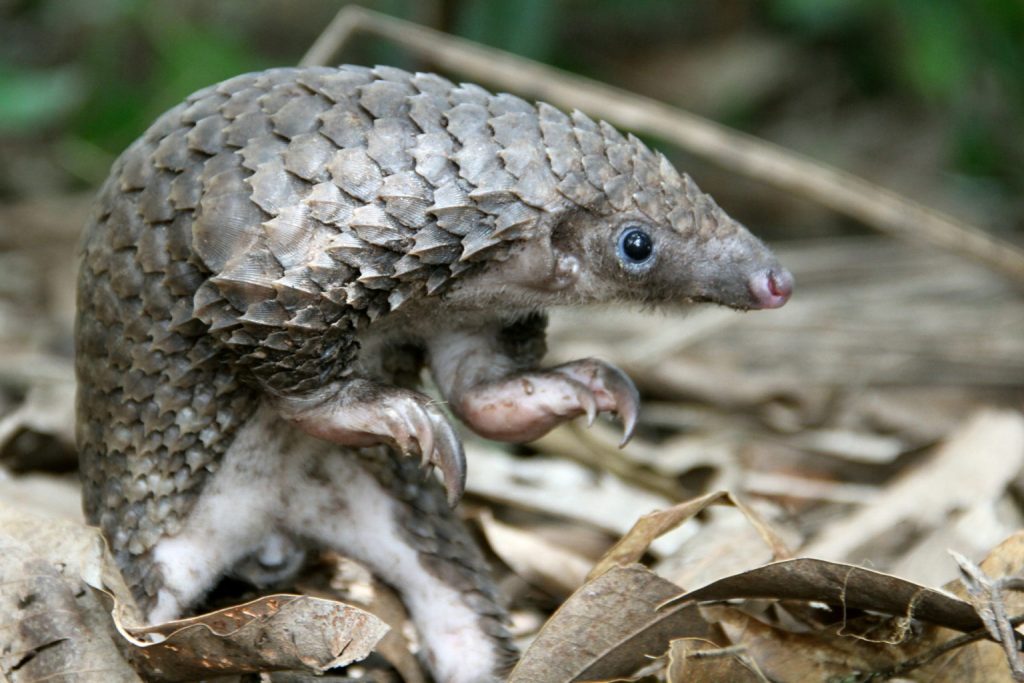
This shy, nocturnal mammal lives in moist lowland forests and gallery forests around the Tano River, particularly near the Boin Tano Reserve and the cross-border Tanoé-Ehy Forest. It prefers dense vegetation near rivers and wetlands, where ant and termite colonies are abundant.
Contents
⚠️ Conservation Status
- IUCN Red List: Near Threatened (but populations are rapidly declining)
- Main Threats:
- Poaching for bushmeat and traditional medicine
- Illegal trafficking (scales are falsely believed to have healing properties)
- Habitat destruction due to agriculture and mining (galamsey)
🧬 Physical Description
- Small to medium-sized pangolin with overlapping brown scales
- Pale or white underside (hence the name)
- Long sticky tongue for feeding on insects
- Prehensile tail for climbing trees
- Rolls into a tight ball when threatened
🧠 Behavior
- Nocturnal and solitary
- Feeds almost exclusively on ants and termites, consuming thousands per night
- Sleeps in hollow trees or burrows
- Silent and elusive, making population tracking difficult
✨ Cultural Importance
In many West African cultures, pangolins are associated with mystery, wisdom, and protection.
Some local traditions see them as guardians of the forest or messengers of the ancestors.
However, the growth of the illegal wildlife trade has eroded traditional taboos, making the pangolin one of the most trafficked mammals in the world.
🌿 Conservation Urgency
- Raise awareness among local communities about the ecological importance of pangolins
- Encourage reporting of trafficking and discourage consumption
- Support forest conservation projects in pangolin habitats
- Promote eco-tourism initiatives that value live wildlife over illegal hunting
📸 Image
image of the white-bellied pangolin in a natural pose


