



📍 Habitat
This critically endangered crocodile inhabits slow-moving rivers, swamp forests, and freshwater wetlands along the Tano River, especially in protected and less disturbed areas of the Tanoé-Ehy Forest and near the Boin Tano Reserve.
Unlike its Nile cousin, this crocodile is shy and reclusive, avoiding areas with heavy human activity. It prefers dense vegetation and overhanging branches along riverbanks, where it can remain camouflaged.
⚠️ Conservation Status
- IUCN Red List: Critically Endangered
- Main Threats:
- Illegal gold mining (galamsey) causing water pollution
- Habitat loss due to deforestation
- Hunting and poaching for meat and traditional medicine
- Accidental bycatch in fishing nets
🧬 Physical Traits
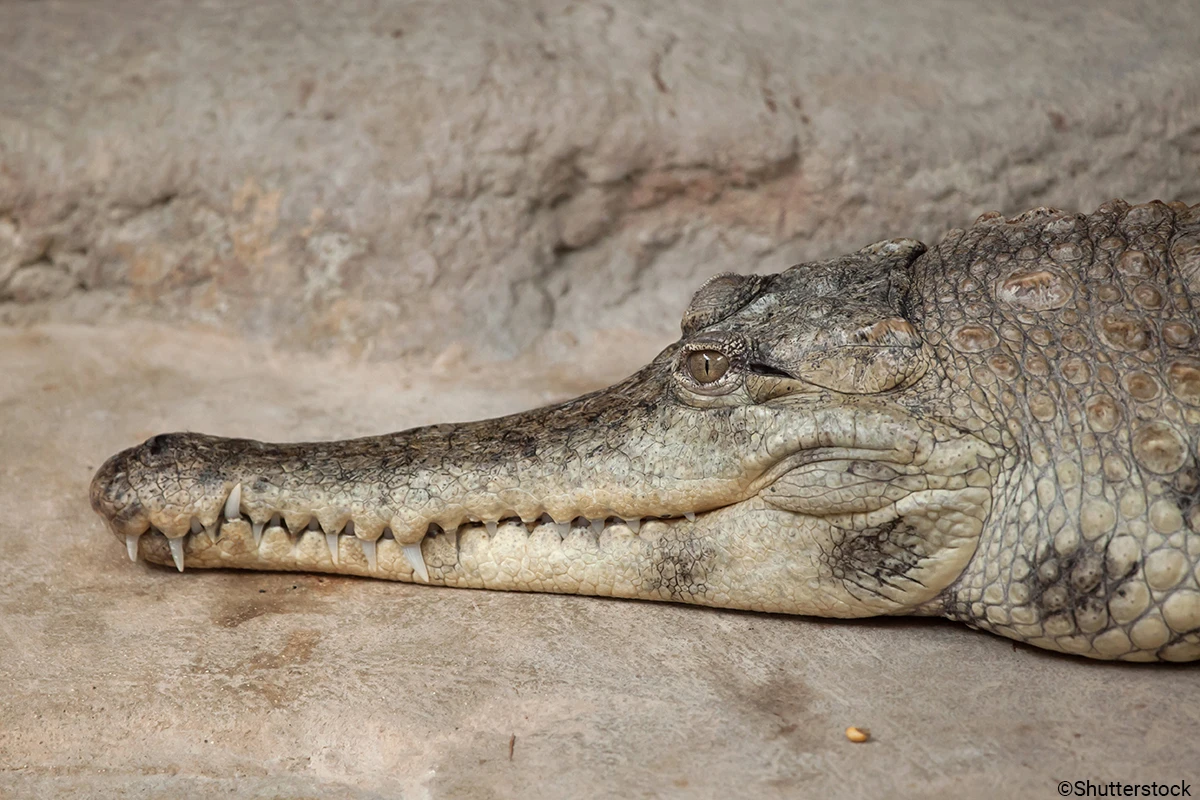
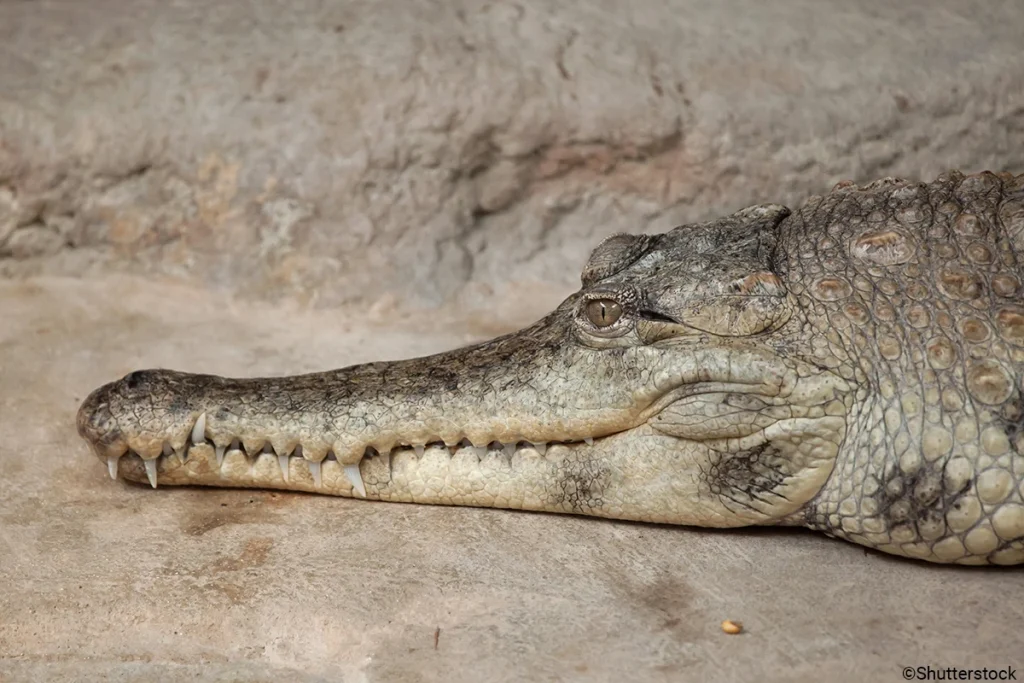
- Long, narrow snout — adapted for catching fish
- Olive to dark brown body, often with dark crossbands
- Adults can reach up to 3.5 meters in length
- Less aggressive than the Nile crocodile, but still a top predator in its ecosystem
🧠 Behavior
- Nocturnal hunter
- Feeds primarily on fish, amphibians, and crustaceans
- Lays eggs in burrows dug into sandy riverbanks
- Females are protective of nests during the dry season
🧘♂️ Cultural Significance
In Akan mythology, crocodiles are often considered sacred messengers of water deities — especially Ta Kora, the spirit of the Tano River. Harming a crocodile was traditionally seen as a spiritual offense.
Some communities near the river still revere crocodiles and believe they guard the waters from evil spirits.
🌍 Conservation Action Needed
- Urgent protection of habitat (e.g. forest buffer zones and riverbanks)
- Enforcement against illegal gold mining
- Community education on the importance of river predators
- Support for protected areas like the Tanoé-Ehy Forest and Boin Tano Reserve
📸 Image
Mecistops cataphractus


