



Executive Summary
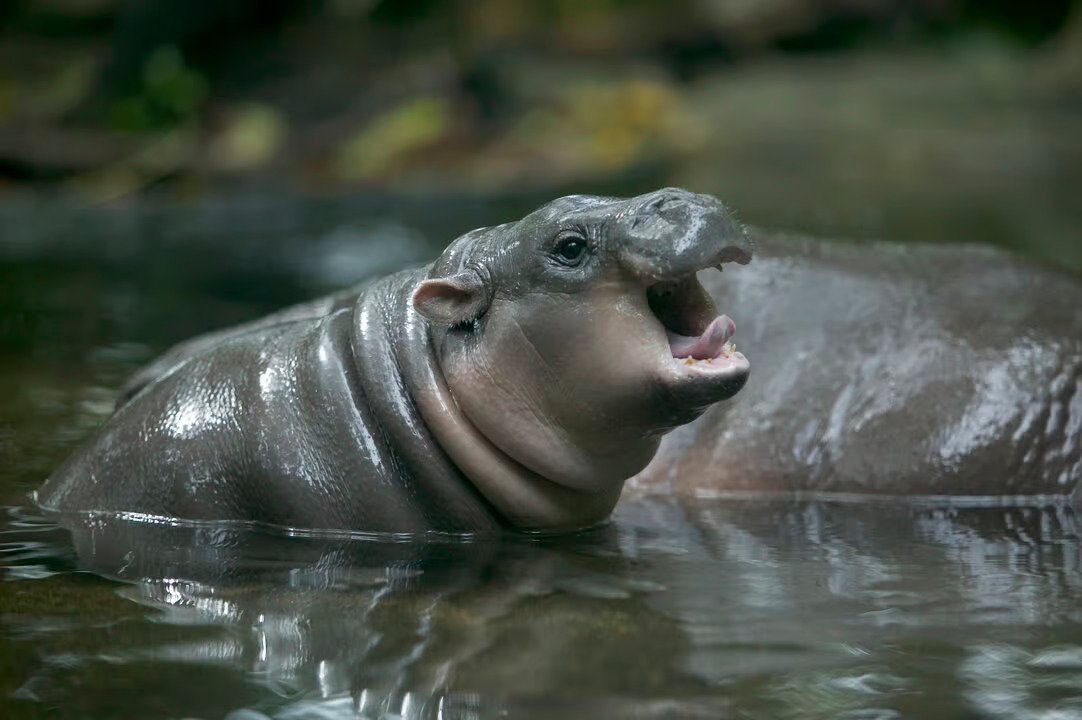
The Tano River basin, a vital transboundary ecosystem shared by Ghana and Côte d’Ivoire, is a critical, albeit increasingly fragile, habitat for both the common hippopotamus (Hippopotamus amphibius) and the endangered pygmy hippopotamus (Choeropsis liberiensis). While common hippos are globally classified as Vulnerable, their West African populations are small and fragmented, with a unique, reproducing sub-population in Ghana’s Tano high forest zone. The pygmy hippopotamus, classified as Endangered, faces an even more precarious future, with fewer than a dozen individuals believed to remain in Ghana’s Tano basin.
These iconic species are confronting a severe and escalating crisis driven by a confluence of anthropogenic pressures. Extensive habitat loss and degradation, primarily due to agricultural expansion, widespread illegal gold mining, and large-scale infrastructure projects like dams, are directly diminishing and fragmenting their essential aquatic and terrestrial environments. Poaching for bushmeat and ivory, exacerbated by economic hardship and links to the broader illegal wildlife trade, continues to decimate populations. Furthermore, the intensifying human-wildlife conflict, stemming from crop raiding and direct attacks, fuels negative perceptions and retaliatory killings.
Current conservation efforts, while demonstrating success in some community-led initiatives like the Wechiau Community Hippo Sanctuary, are often hampered by insufficient funding, significant data gaps, and weak enforcement of existing wildlife protection laws. The situation in the Tano River basin underscores a broader regional challenge, where the complex interplay of poverty, resource scarcity, and human encroachment creates a vicious cycle threatening biodiversity. Urgent, integrated strategies that prioritize comprehensive monitoring, robust policy enforcement, and genuine community engagement—including the promotion of alternative livelihoods and the revitalization of traditional ecological knowledge—are imperative to secure the long-term survival of these vanishing giants and the health of the Tano ecosystem.
Introduction: The Tano River and its Vanishing Giants
Overview of the Tano River Basin: A Vital Ecosystem Under Pressure
The Tano River, also known as the Tanoé River, constitutes a significant transboundary river system in West Africa, originating near Techiman in Ghana and flowing approximately 400 to 625 kilometers before discharging into the Atlantic Ocean through a complex network of lagoons (Ehy, Tendo, and Aby Lagoons) in Côte d’Ivoire. This extensive basin spans an area of about 16,060 square kilometers, with the vast majority (approximately 93%) situated within Ghana. Its geographical diversity is notable, encompassing highlands in the northern reaches, with elevations averaging 540 meters above sea level, and gradually flattening to southern regions that range from 0 to 15 meters above sea level. The basin extends across several administrative regions in Ghana, including the Western North, Ahafo, Ashanti, Western, Bono, and Bono East Regions, and experiences a wet semi-equatorial to south-western equatorial climate characterized by double rainfall maxima.
Ecologically, the Tano Basin supports a rich tapestry of terrestrial and aquatic ecosystems, including semi-deciduous and dry dense forests, clear forests, extensive farmlands, and degraded lands. This biological richness, however, is increasingly imperiled by various environmental challenges, notably the widespread proliferation of invasive species such as water hyacinth, which significantly disrupts aquatic habitats.
Beyond its ecological importance, the Tano River holds profound spiritual and cultural significance for the Akan and Ashanti people. It is personified as Tano, a sacred deity symbolizing life, fertility, and protection, deeply interwoven into local rituals, stories, and traditions. This traditional reverence for the river highlights a historical connection between human communities and the natural world, a connection that continues to influence modern environmental advocacy in the region. However, a notable tension exists between this deep cultural respect and the contemporary economic pressures driving unsustainable resource exploitation. Despite the river’s sacred status, widespread human activities such as extensive agriculture, logging, and particularly illegal gold mining are profoundly detrimental to its ecosystem and the species it supports. This suggests a potential disconnect where traditional values, which historically fostered harmony with nature, struggle to contend with modern development paradigms. Effective conservation strategies in the Tano River basin must therefore transcend purely scientific or regulatory approaches; they need to actively leverage and revitalize traditional ecological knowledge and cultural values. Integrating these indigenous frameworks into modern conservation planning can cultivate deeper local stewardship and community engagement, potentially yielding more sustainable and culturally resonant solutions than externally imposed measures alone.
Socio-economically, the Tano Basin is a hub of diverse activities. Agriculture is the primary occupation for over 27% of the population, with significant commercial farming of cocoa, plantain, and oil palm, alongside various food crops. Logging, timber processing, and extensive gold mining—both legal and illicit—represent other major industries. The basin’s challenges, including habitat loss due to agricultural expansion and mining, poaching for bushmeat and ivory, and human-wildlife conflict, are not isolated incidents. They are consistently observed as major factors in biodiversity decline across West Africa for both common and pygmy hippo species. This makes the Tano River basin a representative case study for the broader regional conservation issues. Consequently, successful models and lessons derived from initiatives within this basin, particularly those involving community-based approaches and multi-stakeholder collaboration, could be adapted and scaled for other threatened ecosystems throughout West Africa. This elevates the local conservation efforts in the Tano to a potential regional impact, positioning the basin as a vital laboratory for broader conservation strategies. Rapid urban growth and internal migration further intensify pressure on existing infrastructure and natural resources within the basin.
Introduction to Common and Pygmy Hippopotamus Species
This report focuses on two distinct yet related species of hippopotamids that inhabit the Tano River basin: the common hippopotamus (Hippopotamus amphibius) and the pygmy hippopotamus (Choeropsis liberiensis). Both species are classified as mega-herbivores and are recognized as crucial ecosystem engineers. They significantly influence their environments by enhancing water circulation and playing a vital role in nutrient cycling between aquatic and terrestrial habitats through their movements and waste deposition.
The common hippopotamus is substantially larger and primarily semi-aquatic. These animals spend the majority of their days submerged in water, which is essential for thermoregulation and protecting their sensitive skin from the sun, as they lack sweat glands. At night, they emerge from the water to graze on land. In contrast, the pygmy hippopotamus is significantly smaller, more reclusive, and predominantly nocturnal. While they also depend on water to keep their skin wet, they spend more time on land. Their diet differs from that of common hippos, consisting mainly of leaves, roots of forest plants, fruits, and ferns, indicative of a higher quality diet. This report will delve into the specific challenges these two unique species face within the Tano River basin.
Purpose and Scope of the Report
This report aims to provide a comprehensive analysis of the current status of common and pygmy hippopotamus populations within the Tano River basin. It will thoroughly detail the specific threats confronting these populations, including habitat loss, poaching, and human-wildlife conflict, and critically evaluate the effectiveness of existing conservation efforts. By synthesizing available data and identifying critical gaps, this report seeks to inform strategic conservation planning and policy development, ultimately contributing to the long-term survival of these iconic and ecologically vital species.
Status of Hippopotamus Populations in the Tano River Basin
The Tano River basin serves as a crucial, albeit increasingly threatened, habitat for both common and pygmy hippopotamus populations. Understanding their current numbers, distribution, and specific ecological needs is fundamental to developing effective conservation strategies.
Common Hippopotamus (Hippopotamus amphibius)
The common hippopotamus is currently listed as Vulnerable on the IUCN Red List, based on a 2016 assessment. Global population estimates range between 115,000 and 130,000 individuals. While the 2016 assessment described the global population as “stable,” this term primarily reflects a stabilization following significant historical declines. Troublingly, over 42% of countries where common hippos are found still report declining population trends, and for nearly a quarter of countries, population trends remain unknown. Between 1990 and 2010, common hippo populations experienced a 7-20% reduction, and projections indicate a further decline of 30% over the next three decades if current threats persist. In West Africa, populations are notably smaller and more fragmented, with many groups comprising fewer than 50 animals. The combined total common hippo population across Ivory Coast, Ghana, Togo, Benin, and Burkina Faso is estimated at a critically low figure of approximately 2,000 individuals.
Population Estimates and Distribution in the Tano River (Ghana and Côte d’Ivoire):
- Ghana: A small, resident herd of common hippos, including young individuals, has been observed within an approximately 30-kilometer stretch of the Tano River. This specific area is located at the transition between the Brong-Ahafo and the Ashanti/Western Regions, spanning localities such as Asuhyiae (Ashanti Region), Sienchem (Brong-Ahafo Region, near Goaso), and Tano-Odumase (Western Region). This sub-population holds particular significance as it represents the only known common hippo presence in Ghana’s high forest zone, an atypical habitat for a species typically found in savannah areas. The presence of young individuals further indicates successful adaptation and reproduction within this unique ecosystem. These hippos are believed to have migrated from northern Côte d’Ivoire, entering the Tano basin via the Abé Lagoon. While precise numerical estimates for this Tano River population are not explicitly detailed in recent surveys, monitoring efforts by Ghana’s Wildlife Division and Green Shepherd Ghana have been conducted periodically, though constrained by logistical and financial limitations.
- Côte d’Ivoire: Surveys conducted between 1978 and 1986 estimated the common hippopotamus population in Côte d’Ivoire at approximately 1,100 animals. During the dry season, at least 70% of these individuals were concentrated in the Upper Comoé, Leraba, and Iringou rivers. However, by 2002, the average dry-season population density in the Comoé River had drastically declined from 3-4 animals per river kilometer to a mere 1-2 per kilometer. During the rainy season, hippos disperse upstream into smaller tributaries and downstream towards the coast. Small herds have also established residence in forest zones modified by forestry and agriculture, occasionally coexisting sympatrically with pygmy hippos.
Pygmy Hippopotamus (Choeropsis liberiensis)
The pygmy hippopotamus is classified as Endangered on the IUCN Red List, based on its 2015 assessment. Global population estimates from 1993 suggested only 2,000-2,500 individuals remaining in the wild, and their numbers are widely believed to have declined further since then. The majority of wild pygmy hippos are found in Liberia, with smaller, fragmented populations existing in Sierra Leone, Guinea, and Côte d’Ivoire. A distinct subspecies that once inhabited Nigeria is now considered extinct, with no reliable sightings for decades.
Population Estimates and Distribution in the Tano River (Ghana and Côte d’Ivoire):
- Ghana: The very existence of pygmy hippos in the Tano River basin, particularly in the Ahafo region, was long considered a “myth” by many Ghanaian conservationists and policymakers between 2002 and 2010. This perception shifted dramatically on March 18, 2011, when a dead pygmy hippo was discovered at Sienchem in the Asutifi district, definitively confirming their presence. Current observations indicate that fewer than 12 individuals are believed to survive in Ghana, scattered across the Tano River basin along the Ahafo communities. Similar to the common hippo, these individuals are thought to have migrated from northern Côte d’Ivoire through the Abé Lagoon.
- Côte d’Ivoire: Pygmy hippos are primarily restricted to the Guinean Forest zone in Côte d’Ivoire, with Taï National Park and its adjacent N’Zo Faunal Reserve being the most significant sites for their populations. While global estimates for the species hover around 2,000-3,000 individuals, some older extrapolations (Roth et al., 2004) suggested a much higher figure of up to 15,000 for Côte d’Ivoire alone. However, it is broadly accepted that these numbers are limited, and the higher estimate is generally considered an outlier or overly optimistic. Hunting pressure has significantly reduced population densities even in optimal habitats, from a potential 7 animals per square kilometer to a mere 0.8-2.5 animals per square kilometer. This significant disparity in population figures for Côte d’Ivoire highlights the considerable uncertainty and potential for misrepresentation in population data, especially for elusive and poorly studied species like the pygmy hippo. It underscores the critical need for researchers and conservationists to rigorously evaluate data sources, prioritize the most recent and widely accepted figures, and acknowledge inherent data limitations. The absence of current, rigorous, and consistent data means that the true extent of decline and fragmentation of hippo populations in the Tano River basin, and potentially across West Africa, might be far more severe than currently understood or officially reported. This knowledge deficit directly impedes the implementation of informed, adaptive, and effective conservation programs. Consequently, prioritizing comprehensive, consistent, and long-term monitoring and research is not merely a recommendation but a foundational necessity. Without this baseline, it is impossible to accurately assess the problem’s true scale, evaluate the effectiveness of conservation interventions, or make data-driven policy decisions.
Ecological Requirements: Habitat and Diet
Both common and pygmy hippos share a fundamental reliance on permanent water bodies for their survival. Water is indispensable for their thermoregulation and for maintaining the hydration of their skin, as they lack sweat glands. Common hippos specifically require deep pools with gradually sloped bottoms and dry sandbanks, which serve as crucial resting sites during the day.
Equally vital is the availability of adequate grazing land. Common hippos are predominantly grazers, consuming substantial quantities (25-40 kg) of short grasses daily. They typically emerge from the water at night to forage, usually remaining within 1-3 kilometers of their primary water source. Pygmy hippos, in contrast, consume less grass and primarily browse on leaves, roots of forest plants, fruits, and ferns, indicating a preference for a higher quality diet. They are more terrestrial, nocturnal, and solitary, with estimated home ranges of 2 square kilometers for males and 0.5 square kilometers for females.
The documented presence of both species in the Tano River basin, particularly the common hippo’s unique adaptation to a high forest ecosystem, underscores the basin’s exceptional ecological value as a refuge for these species. The Tano River is not merely another habitat for hippos; it represents a unique ecological niche for common hippos, potentially harboring valuable genetic diversity due to their adaptation to a non-typical environment. For pygmy hippos, it is a last, fragile stronghold in Ghana. Therefore, conservation efforts in the Tano River basin are disproportionately important for the overall genetic resilience and potential range expansion of common hippos, and for the sheer survival of pygmy hippos in the region. This uniqueness should significantly elevate its conservation priority and potentially attract specialized funding and research focus beyond general West African hippo conservation initiatives.
Table 1: Conservation Status and Key Characteristics of Tano River Hippos
| Characteristic | Common Hippopotamus (Hippopotamus amphibius) | Pygmy Hippopotamus (Choeropsis liberiensis) |
| IUCN Red List Status | Vulnerable (2016) | Endangered (2015) |
| Global Population Estimate | 115,000-130,000 individuals (2017) | 2,000-2,500 individuals (1993, likely declined) |
| West Africa Population Estimate | ~2,000 total for Ivory Coast, Ghana, Togo, Benin, Burkina Faso | Most in Liberia, smaller numbers in Sierra Leone, Guinea, Côte d’Ivoire |
| Tano River Basin Pop. (Ghana) | Small herd with young | Fewer than 12 individuals |
| Tano River Basin Pop. (Côte d’Ivoire) | ~1,100 individuals (1978-1984); density 1-2/km (2002) | 0.8-2.5 animals/km² in optimal habitat (due to hunting pressure) |
| Key Habitat Requirements | Permanent water (deep pools, sandbanks), Adequate grazing land | Permanent water, Heavily forested lowland areas, gallery forests |
| Primary Diet | Short grasses | Leaves, roots of forest plants, fruits, ferns |
| Distinguishing Behavioral Traits | Semi-aquatic, nocturnal grazing, social groups | More terrestrial, nocturnal, reclusive, solitary |
Threats to Hippo Survival in the Tano River Basin
The survival of hippopotamus populations in the Tano River basin is severely jeopardized by a complex interplay of environmental degradation, illicit activities, and escalating human-wildlife interactions. These threats are not isolated but often reinforce each other, creating a challenging landscape for conservation.
Habitat Loss and Degradation: The Shrinking Sanctuary
Habitat loss and degradation stand out as primary and pervasive threats to hippo populations. The Tano Basin’s landscape is heavily impacted by extensive agricultural activities, which serve as the primary occupation for over 27% of its population, including large-scale commercial cocoa and oil palm plantations. Crucial hippo wetlands are being directly converted into agricultural lands and expanding urban areas. Studies indicate that agricultural expansion has led to over a 50% reduction in swamp areas in some regions. This direct habitat conversion deprives hippos of essential space, disrupts their natural feeding and mating behaviors, and inevitably leads to increased human-wildlife conflict. Deforestation, often a direct consequence of land clearing for agriculture, timber logging, and the demand for fuel wood, further degrades vital riparian zones and negatively impacts regional water cycles.
Impacts of Infrastructure Development: Large-scale infrastructure projects, such as hydroelectric dams, pose a severe threat. While not directly on the Tano, the case of the Bui Dam on the Black Volta River in Ghana serves as a critical analogue, demonstrating a direct causal link between dam construction and species decline. The Bui Dam led to a 70% decline in the local common hippo population (from 209 individuals in 2003 to 64 in 2021) due to habitat inundation (flooding of critical grazing and resting sites), habitat fragmentation, and increased vulnerability to poaching as displaced animals dispersed into unprotected areas.
Gold panning, particularly illegal artisanal mining, is widespread in the Tano Basin due to its rich mineral resources. This activity poses a significant threat by altering river flows, causing severe sedimentation, and contaminating water with toxic chemicals like mercury. This directly degrades the aquatic habitats essential for hippos and other riverine biodiversity, leading to a decline in fish populations. The increased human activity around mining sites also exacerbates disturbance and competition for limited resources. The expansion of roads, railways, and human settlements further contributes to significant habitat loss and fragmentation, while also increasing human access to previously remote areas. This can lead to higher mortality rates for wildlife (e.g., roadkill) and increased disturbance. Oil and gas exploration in the lower Tano Basin, ongoing since 2012, represents another potential source of ecosystem threat, despite its contribution to regional economic growth.
The proliferation of invasive species, such as water hyacinth (Eichhornia crassipes), presents a major ecological and socio-economic challenge specifically identified in the Tano River and Tano Lagoon complex. This highly invasive aquatic plant forms dense mats that block water bodies, impeding access for both hippos and humans. It directly impacts human livelihoods by destroying farm produce, increasing travel time for farmers to access their lands, and reducing fish supply. While its direct physiological impact on hippo health is not explicitly detailed, its disruption of the aquatic environment and human livelihoods indirectly affects overall hippo habitat quality and intensifies human pressure on the ecosystem.
Climate change, in conjunction with deforestation and water-intensive agricultural practices, is significantly altering water cycles in sub-Saharan Africa, leading to rivers drying up for extended periods. This phenomenon has a critical impact on hippos: during dry seasons, hippo dung accumulates in stagnant pools, leading to nutrient overload (eutrophication) and a drastic decline in dissolved oxygen to sublethal levels for most fish species, including Tilapia, a major food source for local communities. This process transforms historically productive hippo pools into “fetid black cesspools” , illustrating a profound shift in hippos’ ecological role from beneficial nutrient providers to agents of localized biodiversity loss under altered hydrological conditions.
Poaching and Illegal Wildlife Trade: The Silent Cull
Poaching remains a critical and persistent danger for both common and pygmy hippos. Hippos are targeted for their meat, which is consumed as bushmeat, and for their large, ivory-like teeth (tusks), which command high prices on the black market. Hippo ivory is often preferred by carvers because it is generally cheaper and more easily attainable than elephant ivory.
A significant concern is the historical and potential future link between the elephant ivory trade and the demand for hippo ivory. The 1989 global ban on elephant ivory trade led to a documented surge in demand for hippo ivory as a legal substitute. With Hong Kong SAR set to ban elephant ivory in 2021, there is a real and significant risk that hippo ivory will again become a legal substitute, potentially increasing poaching pressure on already vulnerable hippo populations. Hong Kong SAR and China are identified as major importers and re-exporters of weighted hippo ivory, while East and Southern African nations like Uganda, Tanzania, Zambia, and Zimbabwe are top exporters.
While specific poaching incidents within the Tano River basin are not extensively detailed in the available information, poaching is acknowledged as a threat to the Tano hippos. Broader reports indicate widespread poaching across Africa. In Côte d’Ivoire, pygmy hippopotamus meat has been confiscated, and the species is known to be under severe poaching pressure. Poaching often intensifies during periods of civil unrest, where militias kill hippos for meat to feed soldiers and trade ivory to fund their activities, leading to drastic population declines (e.g., a 95% decline in Virunga National Park, DRC). A significant challenge is the weak enforcement of existing wildlife laws in many range states, including Côte d’Ivoire. Furthermore, discrepancies in international trade data for hippo ivory strongly suggest the laundering of illegally acquired specimens into legal trade channels.
Human-Wildlife Conflict (HWC): The Struggle for Coexistence
Human-wildlife conflict is a pervasive issue, particularly in landscapes where human and wildlife resource requirements overlap. Crop damage is consistently reported as the main cause of human-hippo conflict. Hippos, requiring substantial amounts of forage (an adult consumes 40-50 kg of wet mass forage daily), frequently raid agricultural fields, destroying crops such as maize, teff, millet, and rice. This results in significant economic losses for farmers, estimated at up to $1,000 per farmer per season in some areas. Such losses directly impact farmers’ livelihoods and food security, fostering strong negative attitudes towards hippos, with many local communities advocating for their elimination.
While less frequent than crop raiding, direct attacks by hippos on humans are a serious concern, particularly for communities living near rivers. Hippos are predictable in their use of trails out of water, making them vulnerable targets for traps or firearms, but also increasing the chance of accidental encounters. Attacks can occur when people encounter hippos on land, when hippos are provoked (e.g., by attempts to drive them from crops), or when they get caught in fishing nets. Hippo attacks often result in severe trauma, high fatality rates (reported as high as 87% in some Ugandan data), or permanent disability. Fishing communities are particularly vulnerable to these dangerous encounters.
Rapid human population growth increases the demand for land and water, leading to an overlap with wildlife habitats and increased competition for resources. In the Tano River basin, fishing is a major livelihood activity for many communities. However, overexploitation and widespread illegal, unreported, and unregulated (IUU) fishing practices (often by foreign industrial trawlers) have severely decimated fish stocks, leading to a significant reduction in income for artisanal fishermen. While this decline is not directly caused by hippos, the economic pressure on fishing communities can intensify competition for water resources and potentially heighten negative perceptions of hippos if they are perceived as further impacting fish populations (e.g., through eutrophication and fish kills during dry seasons).
This situation reveals a vicious cycle where poverty, resource scarcity, and human-wildlife conflict are deeply intertwined. Impoverished local communities often engage in poaching due to economic hardship, viewing it as a means of survival. Simultaneously, the significant financial losses incurred by farmers due to hippo crop damage drive retaliatory actions against the animals, including hunting. This creates a feedback loop: economic vulnerability pushes communities towards unsustainable practices, which in turn exacerbates threats to wildlife, leading to further resource degradation and increased conflict. Addressing this complex challenge requires interventions that go beyond direct wildlife protection to include socio-economic development, such as promoting alternative livelihoods and fostering equitable resource management. Without addressing the underlying economic drivers, conservation efforts are likely to face persistent resistance and limited long-term success.
Conservation Efforts and Challenges in the Tano River Basin
Conservation efforts for hippopotamus populations in the Tano River basin, and indeed across West Africa, involve a mix of community-led initiatives, governmental programs, and international partnerships. While some successes have been achieved, significant challenges persist, underscoring the need for more robust and integrated approaches.
Existing Conservation Initiatives
One of the most notable examples of community-led conservation in Ghana is the Wechiau Community Hippo Sanctuary (WCHS), located outside the Tano basin but serving as a critical model. Established in 1998, WCHS has successfully stabilized and increased its common hippo population from an initial two individuals to almost 40, demonstrating the effectiveness of community-based approaches. This sanctuary leverages ecotourism revenue to fund essential community infrastructure, such as boreholes for clean water and solar lighting, and promotes income diversification projects, thereby linking conservation directly to local livelihoods. Its success in balancing socio-economic and ecological needs earned it the UN Equator Prize.
Within the Tano River basin itself, local organizations like Green Shepherd Ghana have been actively monitoring the common hippo sub-population, particularly the unique herd found in the high forest zone. However, their efforts have been significantly constrained by logistical and financial limitations. The
United Nations Development Programme (UNDP) Small Grants Programme (SGP) has supported projects specifically targeting hippo conservation in the Tano. One such project aimed to establish a community-managed hippopotamus sanctuary covering an approximately 100-meter wide and 30-kilometer long section of the Tano River. This initiative included conducting population surveys, documenting indigenous knowledge on wildlife management, and identifying practical solutions for human-wildlife conflict. Another SGP project focused on the critically endangered pygmy hippos in the Tano basin, aiming to generate baseline data on their population status and distribution, explore suitable habitats and wildlife corridors, and expand environmental education and awareness in local communities.
In Côte d’Ivoire, the Tanoe-Ehy Forest Conservation Fund is actively involved in protecting the Tanoe-Ehy forest, which is part of the larger Tano River ecosystem. This community-led project focuses on safeguarding one of the largest remaining tracts of rainforest in the country, which is rich in biodiversity and home to endangered primates. The initiative addresses threats from logging, mining, agricultural conversion, and bushmeat hunting through sustainable agroforestry, the development of green value chains, community organization, capacity building, and biodiversity monitoring. It also promotes alternative livelihoods and diversified income sources for local communities.
Broader regional efforts include the Zoological Society of London (ZSL) and Fauna & Flora International (FFI), which pioneered in-situ pygmy hippo conservation in Liberia between 2008 and 2012. ZSL also led the production of the IUCN SSC Regional Pygmy Hippo Conservation Strategy in 2010. Furthermore,
captive breeding programs in zoos worldwide, such as London Zoo, Whipsnade Zoo, and Kansas zoos, have seen success in breeding pygmy hippos, contributing to the species’ genetic diversity and offering a potential safeguard against extinction in the wild.
Effectiveness and Challenges of Current Efforts
The success of initiatives like the Wechiau Community Hippo Sanctuary serves as a powerful testament to the potential of community-led conservation. WCHS has not only stabilized and increased hippo numbers but has also significantly improved local livelihoods and reduced poaching within its core zone. This model demonstrates that when local communities are empowered and directly benefit from conservation, they become active stewards of their natural resources.
However, these successes are often localized and overshadowed by persistent, systemic challenges. A major impediment is the lack of consistent and adequate funding and logistical support, as evidenced by the constraints faced by organizations like Green Shepherd Ghana in monitoring the Tano hippos. This financial limitation directly impacts the scale and sustainability of conservation activities.
Furthermore, significant data gaps continue to hinder informed conservation planning. There is a pervasive lack of up-to-date, consistent census data for hippo populations, particularly in West Africa and specifically for the Tano River. The elusive and nocturnal nature of the pygmy hippo makes accurate monitoring inherently difficult. This “knowledge deficit” directly impedes the implementation of informed, adaptive, and effective conservation programs. Without accurate baseline data, it is challenging to assess the true scale of population declines, evaluate the effectiveness of interventions, or make data-driven policy decisions.
Despite the integral protection status of hippos in national legislation across their range states, weak enforcement of existing wildlife laws remains a critical issue, particularly in Côte d’Ivoire. This allows poaching and illegal trade to continue with relative impunity. The persistence of
human-wildlife conflict is another major challenge. Crop damage, fear of attacks, and retaliatory killings continue to threaten hippo populations, especially where human populations are expanding and encroaching on hippo habitats.
Large-scale infrastructure projects, such as dams, pose severe, long-term threats. The case of the Bui Dam, which led to a 70% decline in the local hippo population, serves as a stark warning about the potential negative impacts of such developments on semi-aquatic megafauna. The proliferation of
invasive species like water hyacinth continues to impede access to water bodies and disrupt livelihoods, indirectly affecting hippo habitats and increasing human pressure on the ecosystem.
Illegal gold mining activities contribute significantly to habitat degradation through pollution and altered river flows. Finally, discrepancies in international trade data for hippo ivory suggest the
laundering of illegally acquired specimens into legal trade channels, undermining regulatory measures. A particular concern for pygmy hippos is the
lack of targeted funding; unlike more charismatic species like elephants, they often benefit only from general conservation efforts rather than specific financial support.
Gaps and Future Directions
To effectively protect the vanishing giants of the Tano River, several critical gaps must be addressed, and future conservation efforts must adopt more comprehensive and integrated approaches.
Firstly, there is a clear need for enhanced and systematic research and monitoring. This includes rigorous, consistent, and long-term surveys to obtain accurate population estimates and trends for both common and pygmy hippos in the Tano basin. Studies are also needed to quantify the economic effects of threats like water hyacinth invasion on local livelihoods, which can then guide policy formulation and implementation.
Secondly, strengthening policy and enforcement is paramount. This involves more robust enforcement of existing wildlife laws and international regulations, particularly concerning the illegal trade in hippo products. Addressing discrepancies in trade data is crucial to prevent the laundering of poached ivory. Furthermore, effective water and land management policies are essential to mitigate the impacts of agricultural expansion, infrastructure development, and climate change on hippo habitats.
Thirdly, community engagement and empowerment must be at the core of all conservation strategies. This entails fostering interactive participatory management approaches, involving farmers, district authorities, and traditional leaders in problem analysis and solution finding for issues like water hyacinth control. Promoting broad awareness creation among local people about hippo ecology and conservation, coupled with the development of alternative, sustainable livelihoods (e.g., organic farming, ecotourism), can reduce reliance on destructive practices and foster positive attitudes towards wildlife. Implementing proper land use zonation systems around key hippo habitats can also help minimize human-wildlife conflict.
Finally, given the fragmented nature of remaining hippo populations, it is vital to establish and maintain wildlife corridors to ensure genetic flow and allow for natural dispersal. Leveraging the potential of
eco-tourism can provide sustainable funding for conservation efforts while simultaneously benefiting local communities, mirroring the success seen in the Wechiau Community Hippo Sanctuary. These integrated approaches, combining scientific rigor with community-centric solutions, offer the most promising pathway to safeguarding the Tano River’s hippos.
Conclusions
The Tano River basin stands as a poignant illustration of the urgent conservation crisis facing common and pygmy hippopotamus populations in West Africa. The common hippopotamus, classified as Vulnerable globally, maintains a critically small and uniquely adapted sub-population within Ghana’s Tano high forest zone, highlighting the basin’s irreplaceable ecological value. The pygmy hippopotamus, an Endangered species, faces an even more dire situation, with fewer than a dozen individuals believed to persist in the Ghanaian section of the Tano basin, underscoring its extreme vulnerability.
The primary drivers of these declines are multifaceted and deeply interconnected:
- Habitat Loss and Degradation: Agricultural expansion, extensive deforestation, and large-scale infrastructure development, including dams and widespread illegal gold mining, are directly destroying and fragmenting essential aquatic and terrestrial habitats. These activities not only reduce available space but also pollute water sources and alter natural hydrological cycles, fundamentally changing the ecosystem’s capacity to support hippos.
- Poaching and Illegal Wildlife Trade: The persistent demand for hippo meat and ivory-like teeth, exacerbated by economic hardship in local communities and a concerning link to the broader illegal elephant ivory trade, continues to exert immense pressure on populations. Weak enforcement of existing wildlife laws further compounds this threat, allowing illicit trade to flourish.
- Human-Wildlife Conflict: The growing competition for resources, particularly through hippo crop raiding and occasional direct attacks on humans, leads to significant economic losses for farmers and fosters negative community perceptions. This often results in retaliatory killings, creating a vicious cycle where poverty and resource scarcity drive further conflict and wildlife depletion.
The current conservation landscape, while featuring commendable community-led successes like the Wechiau Community Hippo Sanctuary, is hampered by critical limitations. Insufficient funding, pervasive data gaps that mask the true severity of population declines, and inconsistent enforcement of protective legislation undermine the effectiveness and scalability of interventions.
To reverse the trajectory of these vanishing giants, a comprehensive and integrated conservation strategy is imperative. This must include:
- Prioritizing robust, long-term monitoring and research to bridge existing data gaps and provide accurate population trends and ecological insights.
- Strengthening policy frameworks and enforcement mechanisms to combat poaching and regulate unsustainable land and water use.
- Fostering genuine and equitable community engagement, which involves empowering local populations, promoting sustainable alternative livelihoods, and integrating traditional ecological knowledge into modern conservation practices.
- Implementing strategic land-use planning, including the establishment of protected corridors, to mitigate habitat fragmentation and human-wildlife conflict.
The Tano River basin, with its unique hippo populations and complex socio-ecological dynamics, serves as a critical microcosm for broader West African conservation challenges. Successful, integrated approaches developed and refined here have the potential to offer scalable models for protecting hippos and other threatened biodiversity across the region, ensuring that these iconic species continue to shape their vital ecosystems for generations to come.


