



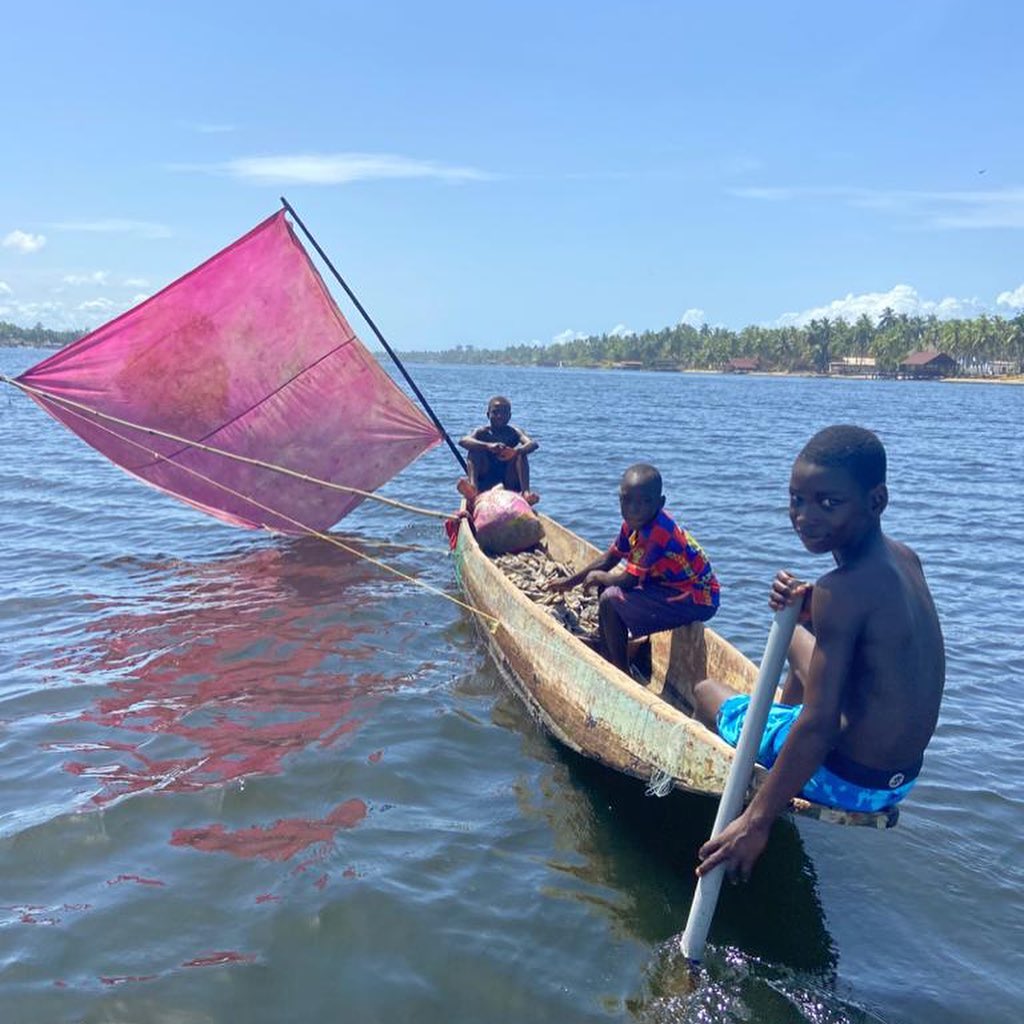
Executive Summary
The Tano River and Aby Lagoon system represents a critically interconnected socio-ecological lifeline in West Africa, spanning Ghana and Côte d’Ivoire. The health of this expansive aquatic complex is profoundly interdependent, with the condition of the Tano River directly dictating the ecological vitality and functional integrity of the Aby Lagoon. This report provides a comprehensive analysis of this vital connection, highlighting the severe degradation currently jeopardizing the system. Pervasive anthropogenic pressures, including unregulated illegal mining, extensive agricultural runoff, and the discharge of untreated domestic and industrial waste, are introducing significant loads of pollutants and nutrients. These inputs are exacerbated by the lagoon’s geomorphological characteristics as a “choked lagoon,” leading to prolonged accumulation of contaminants and a reduced capacity for natural recovery.
The consequences of this degradation are multi-faceted and severe, encompassing widespread eutrophication, loss of critical aquatic habitats such as seagrass beds, a decline in biodiversity, and significant human health risks, including waterborne diseases and increased malaria incidence. The economic livelihoods of millions of people, intrinsically tied to the lagoon’s fisheries and water resources, are under direct threat. While existing conservation initiatives and transboundary cooperation efforts are in place, their effectiveness is severely hampered by an implementation gap, characterized by insufficient enforcement and inadequate resources. Securing the future of the Tano-Aby lifeline necessitates immediate, coordinated, and sustained action. This includes strengthening and enforcing environmental regulations, investing in comprehensive pollution control infrastructure, implementing targeted ecosystem restoration, and fostering robust community engagement through sustainable livelihood alternatives. A holistic, integrated river basin management approach, seamlessly coordinated across national borders, is paramount to transform this threatened lifeline into a resilient and thriving ecosystem for generations to come.
1. Introduction: The Tano-Aby Lifeline
1.1. Geographical and Hydrological Overview of the Tano River and Aby Lagoon System
The Tano River, also identified as Tanoé, constitutes a significant transboundary river system in West Africa. Originating near Techiman in Ghana, it traverses approximately 400 kilometers (250 miles) before its lower course forms a segment of the international boundary between Ghana and Côte d’Ivoire (Ivory Coast). The river’s journey culminates in its discharge into the extensive Aby Lagoon complex, which encompasses the Ehy Lagoon, Tendo Lagoon, and the primary Aby Lagoon, ultimately flowing into the Atlantic Ocean. Specifically, the Tano River contributes its waters to the Tendo Lagoon from the eastern side of the complex.
The Aby Lagoon complex stands as the second largest lagoon in Ivory Coast, covering an expansive area of 424 square kilometers (164 square miles), with an average depth of 3.5 meters (11 feet) and a total water volume of 1.57 cubic kilometers (0.38 cubic miles). The main Aby Lagoon itself accounts for a substantial portion of this, spanning 305 square kilometers (118 square miles). Together, the Tano River and the Bia River combine to drain a vast catchment area, estimated at 27,650 square kilometers (10,680 square miles), which extends across both Ivory Coast and Ghana. The Tano Basin, specifically, covers approximately 16,060 square kilometers, with the majority (about 92.6%) situated within Ghana and the remaining 7.4% extending into Côte d’Ivoire. A key hydrological characteristic of the Aby Lagoon system is its classification as a “choked lagoon.” This designation arises from its shallow connection to the sea and generally low tidal ranges, typically less than 1 meter. This geomorphological feature contributes to a potentially high water residence time within the lagoon.
The classification of the Aby Lagoon system as a “choked lagoon” carries significant implications for its ecological health and resilience. A high residence time means that water, along with any dissolved or suspended substances, including nutrients and pollutants originating from the Tano River, remains within the lagoon system for extended periods. This prolonged retention significantly increases the lagoon’s susceptibility to the accumulation of contaminants. Pollutants have a greater opportunity to undergo chemical transformations, settle into the lagoon’s sediments, or be absorbed by aquatic organisms, leading to elevated concentrations and more severe, chronic ecological impacts. Furthermore, the limited flushing capacity inherent to a choked lagoon reduces its natural ability to recover from pollution events. This makes the system inherently less resilient to external stressors, amplifying the overall threat to the Aby Lagoon, as the impacts of Tano River pollution are not readily diluted or dispersed.
1.2. Ecological Significance of the Aby Lagoon
Coastal lagoons, such as the Aby Lagoon, are recognized globally as highly productive ecosystems that deliver a wide array of vital natural services, which are of immense value to human societies. These indispensable services include supporting robust fisheries, providing natural protection against storms, and contributing significantly to local tourism economies.
Functionally, these lagoons serve as crucial transitional zones, bridging the continental runoff from rivers and the dynamic marine environment. Within their diverse habitats, such as wetlands, mangrove forests, salt marshes, and seagrass meadows, they harbor exceptional biodiversity. These habitats are fundamental for the life cycles of a broad spectrum of aquatic organisms, including mollusks, crabs, various fish species, and numerous bird populations, many of which utilize these areas permanently, cyclically, or occasionally for feeding, breeding, and shelter. A compelling example of the lagoon’s economic and ecological importance is the
Ethmalosa fimbriata, or bonga shad, which constitutes a substantial 60% to 80% of the total fish catch within the Aby Lagoon. This highlights the lagoon’s critical role in sustaining local livelihoods and ensuring regional food security.
The Ehotilé Islands, an integral part of the Aby Lagoon complex, are formally designated and protected as the Îles Ehotilés National Park. Moreover, they are recognized as a Ramsar site, underscoring their international significance for wetland conservation and the preservation of global biodiversity.
The profound reliance of local communities on the Aby Lagoon’s ecosystem services, particularly its abundant fish resources, establishes a direct and undeniable link between the lagoon’s ecological well-being and the socio-economic stability and food security of the surrounding human populations. The substantial proportion of Ethmalosa fimbriata in the fish catches serves as a clear indicator of this interdependence. This strong connection means that any degradation of the lagoon’s ecological health—whether stemming from pollution, habitat destruction, or alterations in water quality—will directly translate into tangible and often severe socio-economic consequences. For instance, a reduction in fish populations will diminish both income and food sources for local communities, while the loss of natural coastal protection provided by the lagoon could increase vulnerability to the impacts of climate change, such as storm surges and coastal erosion. Therefore, the environmental challenges facing the Aby Lagoon are not merely academic ecological concerns; they represent a direct threat to human well-being and sustainable development in the region, creating a compelling imperative for urgent conservation action that thoughtfully integrates both ecological and socio-economic considerations.
2. Hydrological Dynamics and Water Quality
2.1. Water Flow and Seasonal Variations in the Tano River and Aby Lagoon
The climate in the Tano-Aby region is characterized as near-equatorial, experiencing two distinct rainy seasons, from May to July and October to November, interspersed with two dry seasons, from August to September and December to April. The average annual rainfall in this area is approximately 2,000 millimeters.
The freshwater inflow from the Tano River, alongside the Bia River, is a primary determinant of the seasonal and spatial variability observed in nutrient concentrations within the Aby Lagoon system. During the rainy seasons, the Tano River exhibits significantly elevated levels for a majority of its measured nutrients and physicochemical parameters. These include increased color (61.0±4.6 NTU), total phosphorus content (0.376±0.3 mg/L), total suspended solids (69.7±24 mg/L), turbidity (96.2±21 mg/L), and electrical conductivity (252±33 µS/cm). Notably, these levels frequently surpass the permissible limits established by the World Health Organization (WHO), indicating a substantial increase in the transport of pollutants during these periods.
Turbidity levels in the Tendo Lagoon, a component of the Aby complex, are statistically higher in the upstream sections, particularly at the point where the Tano River discharges into the lagoon, with this effect being more pronounced during the wet season. This observation strongly suggests that the Tano River functions as a principal conduit for the introduction of suspended solids and associated pollutants into the broader lagoon system.
The observed degradation in the Tano River’s water quality parameters, such as nutrients, turbidity, total suspended solids, and electrical conductivity, particularly during the rainy season, often exceeding WHO standards, has profound implications for the Aby Lagoon. Given that the Tano River is a primary freshwater inflow to the Aby Lagoon complex , and the Aby Lagoon is characterized as a “choked lagoon” with a high residence time , the seasonal rainfall acts as a potent “pollution pulse” or “flush event.” During these periods, concentrated loads of sediments, nutrients, and other pollutants are mobilized from the Tano River basin and delivered into the Aby Lagoon. Because the lagoon is “choked,” these high-intensity pollution pulses are not rapidly flushed out to sea. Instead, they accumulate and persist, leading to prolonged exposure of the ecosystem to elevated contaminant levels. This episodic but severe loading can overwhelm the lagoon’s natural assimilative capacity , exacerbating eutrophication, promoting more frequent and intense algal blooms, and leading to hypoxic events that severely stress aquatic life, especially following heavy rainfall events. Consequently, the seasonal variability in rainfall and river discharge transforms into a critical vulnerability for the lagoon, making it highly susceptible to chronic and acute pollution impacts.
2.2. Natural Water Chemistry and Salinity Dynamics
Salinity levels within the Aby Lagoon exhibit pronounced seasonal fluctuations, which correlate directly with rainfall patterns. These levels typically reach their peak in March and April, a period that coincides with the long dry season. Areas of the lagoon located in close proximity to the mouths of the Bia and Tano rivers consistently maintain a fresh water character throughout the year, reflecting the dominant influence of continuous riverine inflow. In contrast, the southern part of the main Aby Lagoon records the highest salinity, indicating a greater influence from oceanic waters.
The lagoon’s hydrological structure is characterized by permanent stratification, particularly in its central regions. This stratification is evident in lower surface salinity values, typically below 5 parts per thousand (‰), though they can reach up to 10‰ during the long dry season. Conversely, bottom waters exhibit significantly higher salinity, ranging from 15‰ to 27‰.
Seasonal variations in the concentrations of major ions such as sodium (Na⁺), potassium (K⁺), and calcium (Ca²⁺) in the Aby Lagoon waters are directly proportional to changes in temperature, salinity, and pH. This consistent correlation suggests that the levels of these ions are primarily influenced by inputs from oceanic waters. In stark contrast, the concentrations of magnesium (Mg²⁺) and sulphates (SO₄²⁻) do not exhibit this proportionality to temperature, salinity, and pH. Instead, their levels are noted to be under strong anthropogenic influence, indicating significant external, human-derived inputs. Average temperatures, pH, salinities, and the contents of sodium and potassium in Aby Lagoon waters are typically lowest during the short dry season and highest during the long dry season.
The distinct behavior of major ions in the Aby Lagoon provides a crucial chemical signature of human impact on the ecosystem. The research clearly differentiates between naturally occurring major ions (Na⁺, K⁺, Ca²⁺), whose concentrations correlate with oceanic influence, temperature, salinity, and pH, and other ions like magnesium (Mg²⁺) and sulphates (SO₄²⁻), which do not exhibit this natural correlation but are instead explicitly stated to be “under anthropogenic influence”. This distinction implies that human activities within the Tano River basin, such as industrial discharges, agricultural runoff, and mining operations, are introducing significant quantities of magnesium and sulphates into the Aby Lagoon system. These anthropogenic inputs are substantial enough to override or decouple the natural hydrological and oceanic influences that typically govern the concentrations of these specific ions. This alteration of the lagoon’s fundamental water chemistry, extending beyond simple salinity changes, points to a more pervasive and complex form of pollution. It indicates that the lagoon’s chemical environment is not solely a product of natural processes but is significantly modified by human actions, potentially leading to subtle yet profound ecological shifts that may not be immediately apparent through routine physical parameter monitoring.
Table 1: Seasonal Variations in Key Physico-chemical Parameters of Tano River and Aby Lagoon Waters (Illustrative Data)
| Parameter | Unit | Tano River (Rainy Season) | Tano River (Dry Season) | Aby Lagoon (Near Tano Mouth, Wet Season) | Aby Lagoon (Southern Lagoon, Dry Season) | WHO Permissible Limit (Drinking Water) | WRC Guideline (Raw Water/Aquatic Life) |
| Temperature | °C | 25.49 – 26.35 | 28.89 – 29.91 | 27.72 – 30.73 | 27.72 – 30.73 | N/A | N/A |
| pH | – | 5.96 – 6.90 | 5.82 – 6.19 | 7.12 – 7.87 | 7.12 – 7.87 | 6.5 – 8.5 | 6.5 – 8.5 |
| Salinity | ‰ | N/A | N/A | 0.17 – 1.65 | 1.65 – 10 | N/A | N/A |
| Turbidity | NTU | 96.2 ± 21 | 26.4 | 30.2 (Tendo Lagoon) | 7.0 (Tendo Lagoon) | < 5 (Drinking Water) | < 5 (Drinking Water) |
| Total Suspended Solids (TSS) | mg/L | 69.7 ± 24 | N/A | N/A | N/A | N/A | N/A |
| Total Phosphorus (TP) | mg/L | 0.376 ± 0.3 | N/A | > 0.14 | > 0.14 | N/A | 2 (Raw Water) |
| Nitrates (NO₃⁻) | mg/L | N/A | N/A | 0.8 – 29.94 | 0.3 – 1.35 | 10 (Drinking Water) | 0 – 6 (Aquatic Life) |
| Electrical Conductivity (EC) | µS/cm | 252 ± 33 | 102.23 – 130.5 | 122.6 – 195.61 | 102.23 – 130.5 | 700 (Raw Water) | 700 (Raw Water) |
| Chlorophyll-a | μg L⁻¹ | N/A | N/A | 26 – 167 | 26 – 167 | N/A | N/A |
| Sodium (Na⁺) | mg/L | N/A | N/A | 214.67 – 453.55 | 214.67 – 453.55 | N/A | N/A |
| Potassium (K⁺) | mg/L | N/A | N/A | 30.2 – 84.9 | 30.2 – 84.9 | N/A | N/A |
| Calcium (Ca²⁺) | mg/L | N/A | N/A | 8.86 – 25.67 | 8.86 – 25.67 | N/A | N/A |
| Magnesium (Mg²⁺) | mg/L | N/A | N/A | 3.78 – 21.86 | 3.78 – 21.86 | N/A | N/A |
| Sulphates (SO₄²⁻) | mg/L | N/A | N/A | 4.85 – 26.62 | 4.85 – 26.62 | N/A | N/A |
Note: Data presented is illustrative, derived from various snippets, and may not represent comprehensive seasonal means for all locations. N/A indicates data not explicitly available in the provided snippets for that specific context.
3. Sources and Pathways of Degradation
3.1. Anthropogenic Pressures on the Tano River Basin
The Tano River Basin is subjected to a range of intense anthropogenic pressures that significantly compromise its ecological integrity and, by extension, the health of the Aby Lagoon. These pressures stem primarily from economic activities and human settlements within the basin.
3.1.1. Impact of Illegal Mining (Galamsey) and Heavy Metal Pollution
The Tano Basin is notably rich in gold deposits, and illegal artisanal mining, commonly referred to as “galamsey,” is a widespread activity that contributes substantially to pervasive water pollution. Research consistently indicates that mining activities, irrespective of their scale or the methods employed, exert considerable negative impacts on river ecosystems. Direct observations have confirmed mining operations occurring directly on the riverbed, a practice that constitutes a flagrant violation of existing 50-meter buffer zone regulations designed to protect water bodies. This illicit activity leads to a dramatic increase in water turbidity, with samples from the Tano River showing levels exceeding 100 times the accepted standard for drinking water.
Heavy metals and metalloids, including lead (Pb), cadmium (Cd), arsenic (As), zinc (Zn), and mercury (Hg), are identified as significant pollutants originating from industrial effluents, agricultural runoffs, and mining operations. Although the use of mercury in Ghana is comparatively small when contrasted with other nations, it has been detected in Tano River sediments and, critically, has been found to biomagnify in fish, thereby posing severe health risks to both human consumers and aquatic biota. The elevated levels of turbidity and suspended solids resulting from mining activities represent a major environmental concern. These suspended materials can drastically reduce light penetration into the water column, directly impacting the health and survival of crucial aquatic vegetation.
The direct discharge of sediments from mining activities, particularly illegal operations, into the Tano River leads to extremely high turbidity and concentrations of suspended solids. This elevated turbidity is subsequently observed in the Tendo Lagoon, an integral part of the Aby Lagoon system, especially at the river’s entry point. High turbidity is well-established as a factor that significantly reduces light penetration in water bodies. This light deprivation has a direct and detrimental impact on the survival of primary producers, such as seagrasses, whose health and growth are intrinsically tied to the availability of sunlight. This sequence of events illustrates a severe cascading effect within the ecosystem. The physical pollution from mining, manifested as sedimentation, does not merely affect water clarity for human consumption ; its primary ecological impact is the suffocation and decline of light-dependent aquatic vegetation, such as seagrasses, in the Aby Lagoon. The loss of these foundational habitats leads to a profound degradation of the entire ecosystem, disrupting food webs, diminishing overall biodiversity, and reducing the lagoon’s capacity to support fisheries and other vital services. This highlights how a seemingly physical pollutant can trigger widespread ecological collapse, extending far beyond the immediate point of discharge and affecting the entire interconnected Tano-Aby system, ultimately impacting human livelihoods and the long-term sustainability of the region.
3.1.2. Agricultural Runoff: Nutrients and Pesticides
Agriculture serves as the primary occupation for over 27% of the Tano Basin’s population, with extensive cultivation of cash crops such as cocoa, oil palm, rubber, and coffee, alongside staple crops including plantain, cassava, and coconut. Runoff from these agricultural lands, laden with mineral fertilizers (phosphates and nitrates), pesticides, and herbicides, constitutes a substantial source of contamination for rivers and streams within the basin. These chemical inputs can render water unfit for human consumption and severely disrupt aquatic ecosystems. The excessive loading of nutrients, particularly nitrogen and phosphorus from fertilizers, is a well-documented driver of eutrophication, triggering harmful algal blooms in affected water bodies.
The identification of agricultural runoff as a source of both nutrients (phosphates and nitrates from fertilizers) and toxic chemicals (pesticides and herbicides) reveals a complex and dual threat to the Tano-Aby system. On one hand, the persistent nutrient loading poses a long-term, systemic threat by fundamentally altering the entire ecosystem structure and function through the process of eutrophication. This leads to chronic issues like algal blooms and oxygen depletion. On the other hand, the direct input of pesticides and herbicides presents an acute, immediate toxicity risk, capable of causing rapid fish kills and widespread harm to other aquatic organisms. The simultaneous presence of these two distinct categories of pollutants creates a compounding challenge for the ecosystem. The combined impact can be synergistic, meaning the overall negative effect is greater than the sum of the individual impacts. This necessitates a multi-faceted management approach that comprehensively addresses both nutrient management strategies and the rigorous control of chemical contamination to safeguard the health of the Tano-Aby system.
3.1.3. Industrial and Domestic Waste Discharge
The discharge of untreated waste materials from both domestic and industrial activities represents a major and pervasive source of pollution throughout the Tano-Aby system. Many industrial facilities are known to discharge untreated or inadequately treated effluents directly into rivers. These industrial effluents contain a variety of harmful substances, including heavy metals, organic chemicals, and can also contribute to thermal pollution, which further stresses aquatic organisms by altering their physiological conditions.
Within communities residing near the Tano River Basin, inadequate sanitation infrastructure, poor hygiene practices, and improper waste management are identified as primary drivers of water pollution, directly contributing to the prevalence of waterborne diseases. The Aby Lagoon is reported to be under strong anthropogenic influence, with the concentrations of magnesium and sulphates in its waters specifically indicating this human impact, as their levels do not correlate with natural oceanic inputs. Furthermore, the pollution observed in certain sections of the Aby Lagoon system, particularly the Tendo Lagoon, is largely attributed to localized anthropogenic inputs of domestic waste and sediments transported from the upstream Tano River.
The rapid population growth, urbanization, and industrial development within the Tano Basin lead to a significant increase in the volume of wastewater discharged into aquatic systems. A critical aspect of this challenge is that most domestic discharges in Ghana are released into the environment without prior treatment. This influx of untreated waste, combined with industrial effluents, directly flows into the Tano River and subsequently into the Aby Lagoon. The resulting “marginal water quality” and associated health risks are direct consequences of this unmanaged growth. This situation forms a detrimental feedback loop where unchecked population growth and development, in the absence of adequate waste management infrastructure, directly translate into escalating pollution loads in the Tano River and Aby Lagoon. The observed “marginal water quality” due to domestic waste and sediments from the Tano River is a clear manifestation of this unmanaged development. This implies that addressing the degradation of the Tano-Aby system requires more than just regulating industrial and mining activities; it necessitates comprehensive urban planning, significant investment in sanitation infrastructure, and widespread public health initiatives. These measures are crucial to tackle the fundamental drivers of pollution stemming from human settlements and ensure the long-term well-being of both the ecosystem and its dependent communities.
3.2. Invasive Species: The Threat of Water Hyacinth
The Tano River and the Aby-Tano Lagoon complex have been severely impacted by the invasion of various aquatic weeds, including water hyacinth, Kariba weed, water lettuce, and hippo grass. Alarmingly, the Tano Basin has been specifically identified as having the highest concentration of water hyacinth in Ghana. The prolific growth and spread of water hyacinth are significantly enhanced by increased nutrient levels, particularly nitrates and phosphates, originating from untreated wastewater, sewage, and fertilized agricultural fields.
These invasive plant species form dense mats on the water surface, which in turn reduce water velocity and create ideal breeding grounds for mosquitoes. This proliferation of mosquito populations directly contributes to increased malaria infestation within riparian communities. Beyond health impacts, these dense blockades physically impede water transportation, farming activities, and fishing operations, resulting in direct and significant negative economic impacts on local farmers, fishermen, and boat operators whose livelihoods are tied to the water bodies.
The rampant proliferation of water hyacinth is not merely an isolated ecological problem but serves as a prominent symptom and amplifier of the underlying nutrient pollution crisis in the Tano-Aby system. The snippets clearly state that water hyacinth invasion is “enhanced by increased nutrient levels”. Simultaneously, the Tano River and Aby Lagoon are documented to be experiencing significant nutrient loading from various anthropogenic sources, including agricultural runoff and untreated wastewater. This indicates that the rapid growth of water hyacinth acts as a living bio-indicator, signaling high levels of nitrates and phosphates in the water, which are characteristic of eutrophication. Moreover, once established, these invasive mats create a negative feedback loop: they compound the direct effects of pollution by further degrading water quality, impeding navigation, and fostering health issues, thereby worsening the overall socio-ecological impacts. This highlights that managing invasive species effectively requires addressing the root cause of nutrient enrichment, rather than merely attempting to treat the symptoms of the invasion in isolation.
Table 2: Major Pollutants and Their Sources Impacting the Tano-Aby System
| Pollutant Type | Primary Sources | Specific Examples/Impacts |
| Heavy Metals/Metalloids | Illegal Mining (Galamsey), Industrial Discharge, Agricultural Runoff | Lead (Pb), Cadmium (Cd), Arsenic (As), Zinc (Zn), Mercury (Hg) detected; Turbidity >100x drinking water standard; Biomagnification in fish; Noncarcinogenic and carcinogenic risks for water consumption; Kidney/liver lesions |
| Nutrients (Nitrogen, Phosphorus) | Agricultural Runoff (fertilizers), Domestic Waste/Sewage, Untreated Wastewater | Eutrophication; High total phosphorus (>140 μg L⁻¹), nitrogen (1.36 mg L⁻¹), chlorophyll-a (26-167 μg L⁻¹); Fuels harmful algal blooms (cyanobacteria, potential cyanotoxins); Promotes water hyacinth growth |
| Suspended Solids/Sediments | Illegal Mining (Galamsey), Domestic Waste, Agricultural Runoff | Turbidity (up to 96.2 mg/L in Tano River, 30.2 NTU in Tendo Lagoon); Reduction in light penetration; Smothering of aquatic vegetation; Transport of particulate-bound pollutants |
| Organic Matter | Domestic Waste/Sewage, Agricultural Runoff | Decomposition leads to oxygen depletion (hypoxia/dead zones); Odour issues; Supports detritivore food chains |
| Chemical Pollutants | Industrial Discharge (dyes, wood preservation, leather tanning, chrome plating, alloys, pharmaceuticals), Agricultural Runoff (pesticides, herbicides), Accidental Spills | Sulfuric acid spill into Tano River; Render water unfit for consumption; Direct toxicity to aquatic life; Disruption of aquatic ecosystems |
| Invasive Aquatic Weeds | Introduction from canals (e.g., Le Canal d’Assinie), Enhanced by Nutrient Pollution | Water hyacinth, Kariba weed, water lettuce, hippo grass; Block waterways (impeding transport, farming, fishing); Create mosquito breeding grounds (malaria); Destroy ecologically/economically important water bodies |
4. Ecological and Socio-Economic Impacts on the Aby Lagoon Ecosystem
4.1. Eutrophication and its Consequences (Algal Blooms, Hypoxia, Biodiversity Loss)
The Aby Lagoon is currently in a state of eutrophication, a condition unequivocally demonstrated by alarmingly high concentrations of total phosphorus (exceeding 140 μg L⁻¹), nitrogen (1.36 mg L⁻¹), and average chlorophyll-a levels ranging from 26 to 167 μg L⁻¹. These nutrient levels significantly surpass established thresholds for inducing eutrophication. Eutrophication, fundamentally defined as the over-enrichment of water bodies by excessive nutrients, primarily nitrogen and phosphorus, directly triggers the prolific and uncontrolled growth of phytoplankton, microalgae, and macroalgae.
This excessive algal and plant growth forms dense surface mats that drastically reduce the penetration of sunlight into the water column. This light deprivation subsequently leads to the widespread loss and degradation of crucial subaquatic vegetation, such as seagrass beds. Seagrasses are recognized as foundational habitats that support a highly diverse array of aquatic life, serving as nurseries and feeding grounds. A critical consequence of the decomposition of this excess organic matter (dead algae and plants) is the rapid consumption of dissolved oxygen in the water, leading to the formation of low-oxygen (hypoxic) conditions, frequently referred to as “dead zones”. These hypoxic zones can result in widespread fish kills and significant mortality among benthic (bottom-dwelling) organisms, which are particularly vulnerable as they cannot easily escape such conditions.
The phytoplankton community within the Aby Lagoon is already dominated by genera characteristic of eutrophic environments, including various cyanobacteria species (e.g., Cylindrospermopsis/Raphidiopsis, Microcystis, and Dolichospermum) that possess the potential to produce harmful cyanotoxins, posing further risks to aquatic life and human health. Beyond oxygen depletion, eutrophication also contributes to ocean acidification. The decomposition process releases large amounts of carbon dioxide, which lowers the pH of seawater. This acidification can inhibit shell formation in bivalve mollusks and slow the growth rates of fish, further impacting aquatic populations and commercial fisheries.
The progression of eutrophication in the Aby Lagoon illustrates a dangerous negative feedback loop within the ecosystem. The initial nutrient pollution, clearly evidenced by high phosphorus, nitrogen, and chlorophyll-a concentrations , triggers excessive algal blooms. These blooms then block sunlight, leading to the death of vital subaquatic vegetation like seagrasses. The subsequent decomposition of this dead organic matter consumes dissolved oxygen, creating hypoxic conditions , which in turn kill fish and benthic organisms. Crucially, organisms such as bivalves, which naturally filter water and remove nutrients, are also negatively impacted by eutrophication. This detailed progression signifies that initial nutrient pollution systematically degrades and eliminates the very habitats (e.g., seagrass beds) and species (e.g., filter-feeding bivalves) that naturally contribute to the lagoon’s health and help mitigate nutrient excess. This creates a self-perpetuating cycle of degradation, where the ecosystem’s capacity for self-recovery is diminished over time. This highlights the urgent need for comprehensive and early intervention to break this cycle, as delaying action will make restoration efforts significantly more challenging and potentially lead to irreversible ecological damage.
4.2. Habitat Degradation and Loss of Aquatic Life (Seagrasses, Fisheries)
The loss of critical subaquatic vegetation, including seagrasses and mangroves, is a direct and severe consequence of reduced light penetration caused by elevated turbidity and the prolific growth of algal blooms. These habitats are fundamental for the survival and reproduction of numerous fish and shellfish species, serving as essential nurseries, feeding grounds, and protective shelters.
Significant changes in water quality parameters, particularly the observed low dissolved oxygen levels (hypoxia), can lead to the suffocation of sensitive fish species and cause profound imbalances within the broader aquatic ecosystem. Eutrophication is also known to induce a shift in species composition within affected ecosystems, often resulting in a reduction of overall species diversity and a dominance of more tolerant, often gelatinous, organisms such as jellyfish. The economic impact of ecosystem degradation is clearly manifested in reduced fish catches. Given that
Ethmalosa fimbriata accounts for a substantial 60% to 80% of the total fish catch in the Aby Lagoon , this vital fishery is exceptionally vulnerable to the ongoing environmental degradation, directly impacting the livelihoods of thousands.
The degradation of the Aby Lagoon transcends mere environmental damage; it represents a direct threat to the ecosystem’s fundamental capacity to provide vital services upon which human communities depend. The documented eutrophication leads to the loss of vital habitats like seagrasses and the formation of low-oxygen zones. These habitats and healthy oxygen levels are crucial for supporting fish and shellfish populations. The decline in these populations directly translates into reduced fish catches, impacting the economic value of fisheries. This signifies a broader diminishment of the ecosystem’s ability to provide essential services like food provision and recreation. The observed decline in fish populations and the potential irreversible loss of critical habitats like seagrass meadows signify a collapse of foundational ecosystem services. This has profound and long-term economic repercussions for local communities whose livelihoods are intrinsically tied to fishing. Furthermore, this severe degradation raises serious concerns about the ecosystem potentially crossing an ecological “tipping point,” beyond which it cannot easily recover its original productivity, biodiversity, and functional integrity, leading to a new, less desirable stable state.
4.3. Human Health Risks and Livelihood Impacts
The pervasive pollution originating from the Tano River poses severe and direct threats to human health within riparian communities. A notable incident occurred in January 2020 when a truck carrying sulfuric acid plunged into the Tano River, leading to public advisories against drinking the contaminated water. The river has since been reported as restored to its natural state following this specific incident.
However, the broader issue of chronic pollution remains. The presence of heavy metals and metalloids in the water bodies can lead to diverse environmental and human health problems, including organ damage such as kidney and liver lesions. These contaminants also exhibit a propensity for biomagnification, accumulating in higher organisms through the food chain, thereby increasing risks for human consumers who rely on fish as a food source. Studies have detected both noncarcinogenic and carcinogenic risks associated with water consumption from the Tano basin, highlighting the chronic exposure risks.
Waterborne diseases are a significant concern and are prevalent in communities situated near the Tano River Basin. These diseases are primarily driven by inadequate sanitation infrastructure, poor hygiene practices, contamination from illegal mining activities, the impacts of flooding, and improper waste management. The invasion of water hyacinth further compounds human health issues by creating favorable breeding grounds for mosquitoes, leading to increased malaria infestation. Beyond health, these dense weed mats physically impede access to schools and economic activities, directly affecting livelihoods and educational opportunities for local populations. The “marginal water quality” status of the Tendo Lagoon (part of the Aby system) explicitly indicates that the water may not be suitable for domestic use, posing a direct threat to community water supply and necessitating alternative, often more costly, sources.
The situation in the Tano-Aby system highlights a critical environmental justice issue. Communities residing near the Tano River and Aby Lagoon are heavily reliant on these water bodies for essential resources, including drinking water , food through fishing , and transportation. Simultaneously, the river and lagoon are subjected to significant pollution from upstream mining, agricultural runoff, and domestic waste. This direct exposure leads to documented human health risks, including heavy metal toxicity and waterborne diseases , and severe livelihood impacts, such as reduced fishing yields, impeded transport, and affected farming. This geographical and socio-economic reality means that the benefits derived from economic activities that generate pollution (e.g., large-scale mining, intensive agriculture) are often accrued by distant entities or a select few, while the environmental and health burdens are disproportionately borne by the vulnerable local communities who depend directly on the degraded resources. This inequitable distribution of environmental costs necessitates a rights-based approach to conservation and management, ensuring that local communities are not only consulted but are central to the development and implementation of solutions, and that their well-being and access to healthy resources are prioritized in all interventions.
Table 3: Ecological and Socio-Economic Impacts of Degradation on Aby Lagoon
| Impact Category | Specific Manifestations and Consequences | |
| Eutrophication | High total phosphorus (>140 μg L⁻¹), nitrogen (1.36 mg L⁻¹), and chlorophyll-a (26-167 μg L⁻¹) concentrations. Leads to harmful algal blooms, including potentially toxic cyanobacteria (e.g., | Cylindrospermopsis/Raphidiopsis, Microcystis, Dolichospermum). Contributes to ocean acidification by releasing CO₂ during decomposition, inhibiting shell formation in bivalves and slowing fish growth. |
| Habitat Loss/Degradation | Loss of crucial subaquatic vegetation (e.g., seagrass beds, mangroves) due to reduced light penetration from turbidity and algal blooms. Degradation of essential nursery and feeding grounds for fish and shellfish. | |
| Biodiversity Decline | Widespread hypoxia (“dead zones”) from oxygen depletion, leading to mass fish kills and significant mortality among benthic organisms. Shift in species composition, with reduced overall diversity and dominance of more tolerant or gelatinous organisms (e.g., jellyfish). Threat to endangered species like Miss Waldron’s Red Colobus and Pygmy Hippopotamus due to habitat degradation. | |
| Water Quality Impairment | Turbidity levels more than 100 times higher than drinking water standards. Presence of heavy metals (Pb, Cd, As, Zn, Hg) and other chemical pollutants. “Marginal water quality” status, making water unsuitable for domestic use and unsustainable for aquatic organisms. | |
| Human Health Impacts | Increased incidence of waterborne diseases due to inadequate sanitation, poor hygiene, and contaminated water. Exposure to heavy metals with noncarcinogenic and carcinogenic risks, including organ damage. Increased malaria outbreaks due to invasive water hyacinth providing mosquito breeding grounds. | |
| Livelihood Impacts | Reduced fish catch (e.g., Ethmalosa fimbriata decline) impacting food security and income for local communities. Blockade of waterways by invasive weeds, impeding transportation, farming, and fishing activities, leading to reduced income for farmers, fishermen, and boat operators. |
5. Transboundary Challenges and Current Management Efforts
5.1. Ghana-Ivory Coast Cooperation and Shared Responsibilities
The Tano River forms a significant portion of the international land boundary between Ghana and Ivory Coast, and the Aby Lagoon complex itself straddles this border, establishing it as a truly shared resource. The Tano Basin is predominantly situated within Ghana, accounting for approximately 92.6% of its total area, with the remaining 7.4% extending into Côte d’Ivoire.
Pollution originating from illegal small-scale mining activities in Ghana has been definitively identified as impacting the Aby Lagoon and, critically, affecting potable water production in Côte d’Ivoire. This cross-border impact has necessitated high-level inter-ministerial delegations from both nations to convene and discuss long-lasting solutions for the shared water resources. There are ongoing, explicit efforts for cross-border cooperation between Côte d’Ivoire and Ghana specifically aimed at protecting the shared Aby Lagoon and jointly managing shared fish stocks, such as Sardinella. A technical experts sub-committee has also been established by both countries to propose measures to tackle the pollution of the Tano-Bia River Basin.
The geographical and hydrological distribution of the Tano-Aby system creates a fundamental upstream-downstream asymmetry in the transboundary pollution problem. The vast majority of the Tano River basin lies within Ghana , making it the primary source of much of the degradation, particularly from illegal mining. Conversely, a significant portion of the Aby Lagoon system, which receives the river’s discharge, is located in Côte d’Ivoire , meaning Côte d’Ivoire, as the downstream recipient, bears a disproportionate share of the environmental and socio-economic consequences, including impacts on potable water supply. This dynamic underscores that unilateral efforts by Côte d’Ivoire to manage the lagoon’s health will be inherently limited and ultimately insufficient without comprehensive and effective pollution control measures implemented upstream in Ghana. This situation necessitates robust, legally binding bilateral agreements, shared monitoring protocols, and mechanisms for equitable burden-sharing and accountability to ensure the sustainable management of this vital shared resource.
5.2. Existing Conservation Initiatives and Their Limitations
Within the Aby Lagoon complex, the Ehotilé Islands are officially protected as Îles Ehotilés National Park and are designated as a Ramsar site, signifying their international importance for wetland conservation. Various environmental non-governmental organizations (NGOs) are actively engaged in the Western Region of Ghana, which encompasses parts of the Tano Basin. Their activities include environmental education and awareness creation in schools and communities, providing training, conducting research, and developing eco-tourism and conservation projects.
The government of Ghana has publicly stated its renewed commitment to combating irresponsible mining practices and has adopted a two-pronged approach involving strict law enforcement and broader reforms within the mining sector. A specific project focused on the Tano River Basin aims to protect endangered species, such as the Miss Waldron’s Red Colobus and the Pygmy Hippopotamus. This initiative involves systematic baseline data generation, habitat exploration, expanded environmental education, enrichment planting of degraded riverine forests, and the promotion of sustainable land management practices.
Despite the existence of these policies, strategies, and initiatives, significant progress in reducing pollution and environmental degradation is often hampered. The primary limitations identified include poor implementation or a complete lack of enforcement, largely due to inadequate resources. A clear example of this is the persistent violation of buffer zone policies around the Tano River, despite their regulatory mandate.
The research highlights a paradox: numerous existing policies, regulations (e.g., 50-meter buffer zones ), and established conservation initiatives (e.g., national parks, NGO activities, government anti-mining campaigns ) are in place. Yet, the problem of pollution and degradation in the Tano-Aby system persists and, in some cases, worsens, with clear violations of regulations and acknowledged “marginal water quality”. The core reason cited for this disconnect is often “poorly implemented or not enforced due to inadequate resources”. This disparity points to a pervasive and critical “implementation gap” in environmental governance. The challenge is not necessarily a lack of awareness about the problems or an absence of policy frameworks; rather, it is the systemic failure to effectively translate policy into action, enforce regulations, and adequately resource conservation efforts on the ground. This implies that future recommendations must move beyond simply proposing what actions are needed. Instead, they must critically address how to overcome these deeply entrenched implementation barriers, focusing on strengthening institutional capacity, improving inter-agency coordination, establishing robust and continuous monitoring programs, ensuring sustainable funding mechanisms, and fostering political will, particularly within the complex context of transboundary cooperation.
6. Recommendations for Restoration and Sustainable Management
6.1. Policy and Regulatory Interventions
Effective restoration and sustainable management of the Tano-Aby system necessitate robust policy and regulatory interventions that address the systemic drivers of degradation.
- Strengthen and Strictly Enforce Mining Regulations: It is imperative to implement and rigorously enforce the mandatory 50-meter buffer zone requirement for all mining activities along the Tano River and its tributaries. This must be coupled with increased surveillance, enhanced monitoring capabilities, and the imposition of severe, deterrent penalties for illegal mining operations and all environmental violations.
- Develop and Enforce Comprehensive Land Use Policies: There is an urgent need to formulate and strictly enforce integrated land use policies and zoning regulations along the banks of the Tano River. These policies should aim to prevent further deterioration of water quality by regulating agricultural practices, controlling urban expansion, and managing industrial development within the entire basin.
- Formalize and Strengthen Transboundary Water Management Agreements: Establishing and reinforcing robust bilateral agreements and joint commissions between Ghana and Côte d’Ivoire for the cooperative management of shared water resources is critical. These agreements must focus on harmonized pollution control standards, joint monitoring programs for the Tano-Bia River Basin and Aby Lagoon, and mechanisms for shared responsibility and accountability for environmental outcomes.
The degradation of the Aby Lagoon is a cumulative result of diverse anthropogenic activities (mining, agriculture, domestic waste) occurring across the entire Tano River basin. This basin is explicitly transboundary, shared between Ghana and Côte d’Ivoire. Furthermore, existing regulations are often poorly implemented or enforced. This complex web of interconnected sources and transboundary nature dictates that isolated interventions will be insufficient. Effective restoration and sustainable management of the Tano-Aby system demand a holistic, integrated river basin management approach. This means that policies and enforcement efforts must be coordinated not only across different economic sectors (mining, agriculture, urban development) but also seamlessly across the international border between Ghana and Côte d’Ivoire. A failure to manage the entire basin comprehensively, treating it as a single hydrological unit, will inevitably lead to continued degradation, as improvements in one area or sector may be negated by unaddressed issues elsewhere, perpetuating the “threatened lifeline” status.
6.2. Pollution Control and Waste Management Strategies
To achieve genuine and lasting restoration of the Tano-Aby system, a fundamental shift from reactive cleanup to proactive prevention of pollution is required.
- Mandate and Support Wastewater Treatment: Policies must be implemented to mandate and provide comprehensive financial and technical support for the construction, upgrading, and consistent maintenance of adequate wastewater treatment plants. This is crucial to prevent the discharge of untreated industrial and domestic effluents directly into the Tano River and its tributaries, which are major sources of pollution.
- Promote Sustainable Agricultural Practices: There is a need to actively promote and incentivize the adoption of sustainable agricultural practices among farmers throughout the Tano Basin. This includes encouraging precision farming techniques to optimize fertilizer use, implementing integrated pest management to reduce reliance on harmful pesticides, and establishing vegetative buffer zones along waterways to naturally filter runoff and minimize nutrient and chemical contamination.
- Implement Effective Sediment Control Measures: Introduce and rigorously enforce effective sediment control measures in all areas prone to erosion, particularly in mining sites and agricultural lands. This will significantly reduce turbidity and the transport of suspended solids and particulate-bound pollutants into the river and subsequently the lagoon, thereby improving water clarity and reducing habitat degradation.
The current state of the Tano-Aby system is characterized by significant and diverse pollution loads from multiple sources. The Aby Lagoon’s “choked” nature means that pollutants, once introduced, tend to accumulate rather than being rapidly flushed. While emergency responses to incidents like sulfuric acid spills are necessary, they are reactive and do not address the systemic issue. For genuine and long-term restoration, the focus must fundamentally shift from reacting to pollution incidents and attempting costly cleanups, to proactively preventing pollutants from entering the system in the first place. This involves substantial investment in upstream infrastructure, such as comprehensive wastewater treatment facilities, fostering widespread behavioral changes through promoting sustainable farming practices, and rigorous enforcement of regulations at the source of pollution. This proactive and preventative approach is not only more ecologically sound but also significantly more cost-effective in the long run, averting the need for extensive, often technically challenging, and financially burdensome ecosystem restoration efforts downstream.
6.3. Ecosystem Restoration and Biodiversity Conservation
Beyond controlling pollution, active ecosystem restoration is paramount to rebuild and enhance the natural resilience and self-purification capacity of the Tano-Aby system.
- Comprehensive Invasive Species Management: Develop and implement multi-faceted programs for the control and eventual eradication of invasive aquatic weeds, particularly the pervasive water hyacinth, within the Tano River and Aby-Tano Lagoon complex. This should involve a strategic combination of mechanical removal, biological control agents, and targeted chemical treatments, crucially alongside addressing the underlying nutrient enrichment that fuels their growth.
- Targeted Habitat Restoration: Initiate and scale up active restoration projects for degraded critical habitats within the Aby Lagoon complex, including mangrove forests and seagrass meadows. These efforts should focus on re-establishing the ecological functions of these areas. Additionally, enrichment planting and reforestation of degraded riverine forest areas along the Tano River should be undertaken to stabilize river banks, reduce erosion, and naturally filter runoff before it enters the main water body.
- Enhanced Biodiversity Protection: Continue and expand existing conservation efforts aimed at protecting endangered and endemic species whose survival is intrinsically linked to the health of the Tano-Aby system. This includes iconic species like Miss Waldron’s Red Colobus and the Pygmy Hippopotamus , with a strong focus on habitat preservation, anti-poaching measures, and community-based monitoring programs.
The Aby Lagoon ecosystem is currently in a degraded state, marked by the loss of critical habitats (seagrasses, mangroves) and a decline in biodiversity. These natural habitats are not merely aesthetic features; they provide crucial ecosystem services, including natural water filtration, nutrient cycling, and sediment stabilization. By restoring and expanding healthy mangrove forests and seagrass beds, the ecosystem gains increased ability to naturally filter pollutants, trap sediments, and provide essential nursery and feeding grounds, thereby reducing its inherent vulnerability to future anthropogenic pressures. This proactive ecological engineering complements regulatory and pollution control measures, creating a more robust and self-sustaining system. It is a vital step towards transforming the “threatened lifeline” into a naturally thriving and resilient ecosystem for the long term.
6.4. Community Engagement and Sustainable Practices
Sustainable environmental management in a complex socio-ecological system like the Tano-Aby cannot be achieved solely through top-down regulations and enforcement. Empowering local communities is fundamental.
- Expand Environmental Education and Awareness: Significantly expand and intensify environmental education and awareness programs within local communities situated along the Tano River and Aby Lagoon. These programs should clearly articulate the direct links between human activities, pollution, and the health of the ecosystem, fostering a sense of environmental stewardship and responsibility.
- Promote Community-Based Resource Management: Strengthen the capacity of local institutions and actively engage communities in participatory resource management initiatives. This includes supporting the development, adoption, and enforcement of community-level rules and regulations (by-laws) for environmental protection and sustainable resource utilization, ensuring that local knowledge and practices are integrated.
- Develop and Support Alternative Livelihoods: Implement programs that promote and support the development of sustainable alternative livelihoods for communities currently engaged in environmentally damaging activities (e.g., illegal mining, unsustainable farming practices). Examples of such successful initiatives include training in bamboo craft making, bee farming, and plantain sucker multiplication, providing economically viable and ecologically sound alternatives that reduce pressure on the natural resources.
Many of the identified pollution sources and degradation drivers in the Tano-Aby system are directly linked to local anthropogenic activities and the livelihoods of riparian communities, such as illegal mining, farming practices, and domestic waste disposal. Furthermore, a lack of awareness and poor hygiene practices contribute to pollution and waterborne diseases. Empowering local communities through comprehensive education, targeted capacity building, and meaningful involvement in decision-making processes fosters a strong sense of ownership and stewardship over their natural resources. Providing viable and economically feasible alternative livelihoods directly addresses the root economic drivers of environmental degradation, ensuring that conservation efforts are not only ecologically effective but also socially equitable and sustainable for the affected populations. This approach transforms local communities from potential contributors to degradation into active partners and custodians of the “lifeline,” leading to more resilient and enduring conservation outcomes.
Table 4: Key Recommendations for Tano-Aby System Management
| Recommendation Category | Specific Actionable Recommendations | Key Stakeholders |
| Policy & Regulatory Interventions | Strengthen and strictly enforce 50-meter buffer zones for all mining activities. Develop and enforce comprehensive land use policies and zoning regulations for the basin. Formalize and reinforce transboundary water management agreements and joint commissions between Ghana and Côte d’Ivoire. | Governments of Ghana & Côte d’Ivoire, Environmental Protection Agencies (EPAs), Water Resources Commissions (WRC), Ministries of Lands & Natural Resources, Mining Companies, Law Enforcement |
| Pollution Control & Waste Management Strategies | Mandate and provide support for the construction, upgrading, and maintenance of adequate wastewater treatment plants. Promote and incentivize sustainable agricultural practices (e.g., precision farming, integrated pest management, vegetative buffer zones). Implement and enforce effective sediment control measures, especially in mining and agricultural areas. | Governments (local & national), Municipal Authorities, Industries, Agricultural Sector, Farmers, Waste Management Companies, International Donors |
| Ecosystem Restoration & Biodiversity Conservation | Develop and implement comprehensive invasive species management programs (e.g., water hyacinth control). Initiate and scale up targeted habitat restoration projects for mangroves and seagrass meadows in Aby Lagoon. Conduct enrichment planting and reforestation of degraded riverine forest areas along the Tano River. Enhance protection for endangered species (e.g., Pygmy Hippopotamus, Miss Waldron’s Red Colobus). | Environmental Protection Agencies, Conservation NGOs, Research Institutions, Local Communities, Parks & Wildlife Services, International Conservation Bodies |
| Community Engagement & Sustainable Practices | Significantly expand environmental education and awareness programs in local communities. Promote and strengthen community-based resource management initiatives and local by-laws for environmental protection. Develop and support sustainable alternative livelihoods (e.g., bamboo crafts, bee farming, plantain multiplication) for communities dependent on unsustainable practices. | Local Communities, Traditional Authorities, NGOs, Community-Based Organizations, Rural Development Agencies, Microfinance Institutions, Government Social Welfare Programs |
7. Conclusion: Securing the Future of the Tano-Aby Lifeline
The Tano River and Aby Lagoon system represents a critical and undeniable socio-ecological lifeline in West Africa. The analysis presented in this report underscores the profound interdependence of these two aquatic bodies, demonstrating how the health of the Tano River directly dictates the ecological vitality and functional integrity of the Aby Lagoon. This intricate connection is currently under severe threat, jeopardized by a confluence of pervasive anthropogenic pressures. Unregulated illegal mining, extensive agricultural runoff, and the discharge of untreated domestic and industrial waste are introducing significant loads of pollutants and nutrients into the system. These detrimental inputs are further exacerbated by the lagoon’s geomorphological characteristics as a “choked lagoon,” which leads to prolonged accumulation of contaminants and a reduced capacity for natural recovery.
The consequences of this degradation are multi-faceted and alarming, encompassing widespread eutrophication, leading to harmful algal blooms and critical oxygen depletion (hypoxia). This, in turn, results in the loss of crucial aquatic habitats such as seagrass beds and mangroves, a significant decline in overall biodiversity, and severe impacts on aquatic life, including mass fish kills. Beyond the ecological realm, the degradation poses substantial human health risks, including the prevalence of waterborne diseases and increased incidence of malaria, particularly within vulnerable riparian communities. The economic livelihoods of millions of people, intrinsically tied to the lagoon’s productive fisheries and water resources, are under direct and escalating threat.
While existing conservation initiatives and transboundary cooperation efforts between Ghana and Côte d’Ivoire are in place, their effectiveness is severely hampered by a persistent implementation gap. This gap is characterized by insufficient enforcement of regulations, inadequate resource allocation for environmental protection, and a lack of integrated management across the entire river basin.
Securing the future of the Tano-Aby lifeline demands immediate, coordinated, and sustained action. This includes strengthening and rigorously enforcing environmental regulations, particularly those pertaining to mining and land use. Substantial investment in comprehensive pollution control infrastructure, such as advanced wastewater treatment facilities, is paramount to stem the flow of contaminants at their source. Concurrently, targeted ecosystem restoration efforts, including the management of invasive species and the rehabilitation of critical habitats, are essential to rebuild the natural resilience of the lagoon. Finally, fostering robust community engagement through expanded environmental education, promoting community-based resource management, and supporting sustainable alternative livelihoods are crucial steps to transform local populations into active custodians of this vital resource.
The long-term viability of this critical West African ecosystem hinges on a fundamental shift towards integrated, transboundary management. Treating the Tano River Basin and Aby Lagoon as a single, interconnected hydrological unit, managed collaboratively across national borders and economic sectors, is not merely an environmental imperative but a socio-economic necessity. Only through such comprehensive, sustained, and collaborative efforts can the Tano-Aby lifeline be restored and protected for the benefit of both its unique biodiversity and the millions of people who depend on its health.


