



Executive Summary
This report provides a comprehensive assessment of the profound and multifaceted impacts stemming from pollution originating in the Tano River Basin on the ecologically vital Îles Ehotilé National Park in Côte d’Ivoire. The analysis reveals that artisanal and small-scale gold mining (ASGM), agricultural runoff, and inadequately managed domestic and industrial waste constitute the primary sources of contamination. These activities introduce a hazardous cocktail of heavy metals, persistent pesticides, and excessive nutrients into the transboundary Tano River system.
The hydrological connection between the Tano River and the Aby Lagoon, where the park is situated, facilitates the direct transport of these pollutants, leading to severe degradation of water quality within the lagoon. Manifestations of this degradation include elevated turbidity, significant nutrient enrichment, and the presence of toxic contaminants. The ecological consequences are dire, impacting critical habitats such as mangrove forests and seagrass beds, and resulting in population declines, bioaccumulation of toxins, and heightened mortality rates among aquatic fauna, most notably the critically endangered manatee.
Beyond the immediate ecological damage, the pollution inflicts substantial socio-economic repercussions on local communities. Livelihoods dependent on fishing, agriculture, and tourism are severely disrupted, while the consumption of contaminated water and food poses significant public health risks. The broader cultural fabric of these communities, deeply intertwined with the health of the lagoon, also suffers.
Despite ongoing transboundary and national conservation efforts, persistent challenges in regulatory enforcement, waste management infrastructure, and the widespread adoption of sustainable practices underscore the urgent need for integrated, multi-sectoral interventions. Such concerted efforts are essential for effective pollution mitigation and the long-term restoration of this invaluable ecosystem.
1. Introduction
1.1. Geographical Context: The Tano River Basin and its Connection to the Aby Lagoon and Îles Ehotilé National Park
The Tano River, a significant transboundary waterway in West Africa, originates near Techiman in western Ghana and flows southward for an approximate distance of 400 to 512 kilometers before discharging into the Gulf of Guinea (Atlantic Ocean) at the Aby Lagoon in Côte d’Ivoire. A notable feature of its lower course is its role in forming a substantial portion of the international boundary between Ghana and Côte d’Ivoire. The Tano Basin, encompassing a total area of approximately 16,060 square kilometers, is predominantly located within Ghana (92.6%, or 14,875 km²), with the remaining 7.4% (1,185 km²) extending into Côte d’Ivoire. This extensive river system, along with its nine major tributaries, is crucial for sustaining local ecosystems, agricultural practices, and the livelihoods of millions of people within the basin area.
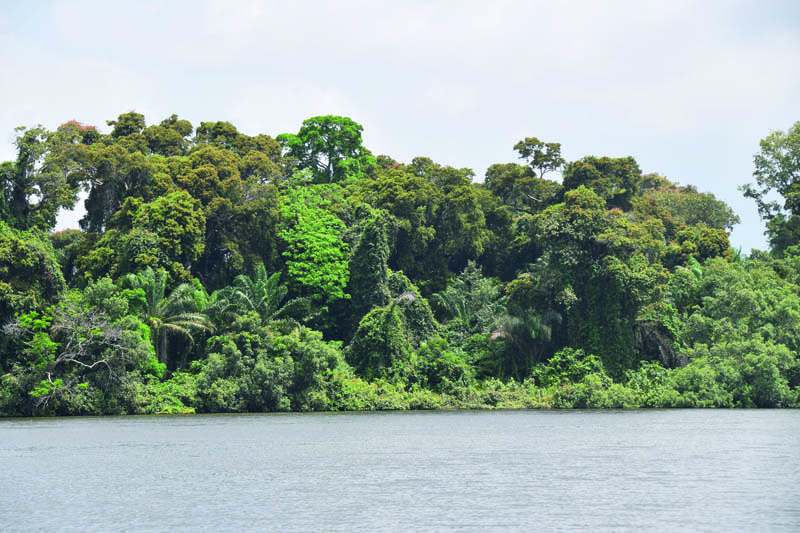
The ultimate destination for the Tano River’s waters is the Ehy/Tano/Aby Lagoon complex, which represents one of Côte d’Ivoire’s largest lagoon systems, with the majority of this complex situated within Ivorian territory. Îles Ehotilé National Park is strategically positioned within this estuarine environment. The park comprises a cluster of six low-lying islands—Assokomonobaha, Balouate, Meha, Nyamouan, Elouamin, and the sacred island Bosson Assoun—interspersed with channels that delineate the Aby Lagoon from the Atlantic Ocean.
The geographical connection of the Tano River, flowing from its Ghanaian origins into Côte d’Ivoire’s Aby Lagoon and subsequently impacting Îles Ehotilé National Park, establishes a direct and unavoidable pathway for transboundary pollution. This hydrological linkage means that any contaminants introduced into the Tano River basin upstream, even within Ghana, will inevitably be transported downstream into the Aby Lagoon and, by direct connection, to the Ehotilé Park. This reality underscores that the environmental well-being of the park is not solely dependent on Ivorian domestic policies but is inextricably linked to environmental management practices in Ghana. This necessitates robust bilateral cooperation and shared responsibility for comprehensive pollution control across the entire basin.
Furthermore, the Aby Lagoon’s function as the discharge point for the Tano River positions it as a significant “pollution sink.” As a semi-enclosed coastal body of water with limited exchange with the open ocean, pollutants carried by the Tano River tend to accumulate within the lagoon rather than being rapidly dispersed into the vast Atlantic. This concentration effect means that the delicate ecosystems within the lagoon, including those of the Ehotilé Park, are exposed to higher and potentially more persistent levels of contaminants. This exacerbates their vulnerability and makes environmental remediation efforts considerably more challenging.
1.2. Ecological Significance of Îles Ehotilé National Park
Established in 1974 through the proactive initiative of local communities, Îles Ehotilé National Park stands as a protected area of immense ecological importance. Its international significance is underscored by its designation as a Ramsar site (Wetland of International Importance) in 2005, officially recognized as Îles Ehotilé-Essouman (Reference No. 1584). Further testament to its global value is the proposal submitted to UNESCO in 2006 for its consideration as a World Heritage Site.
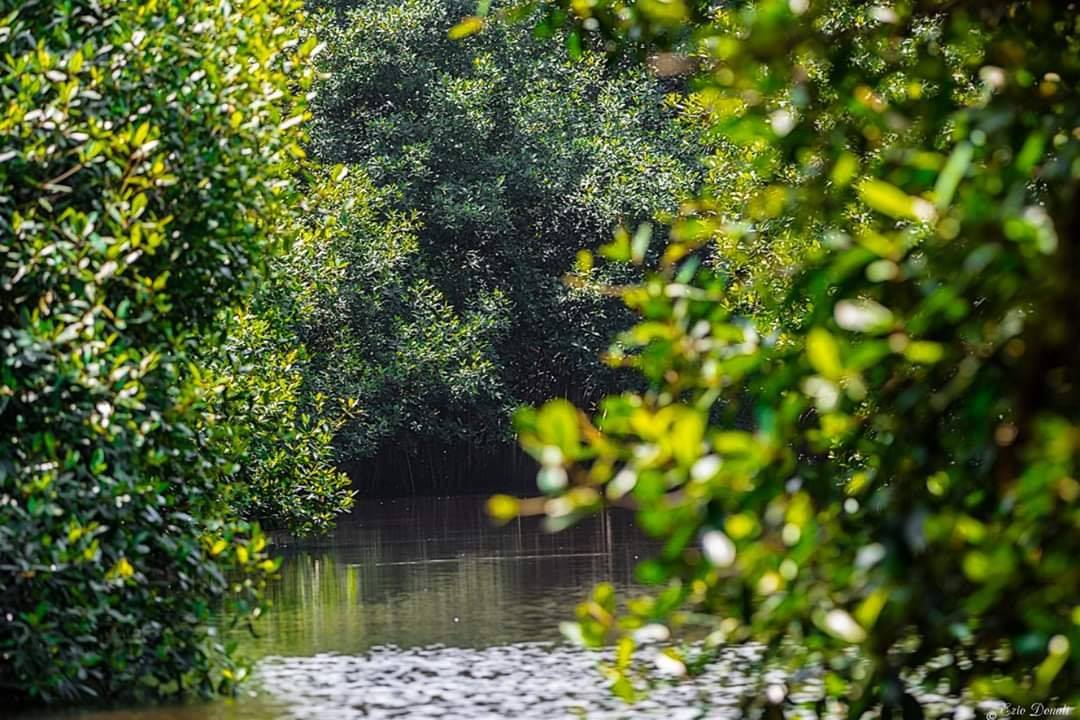
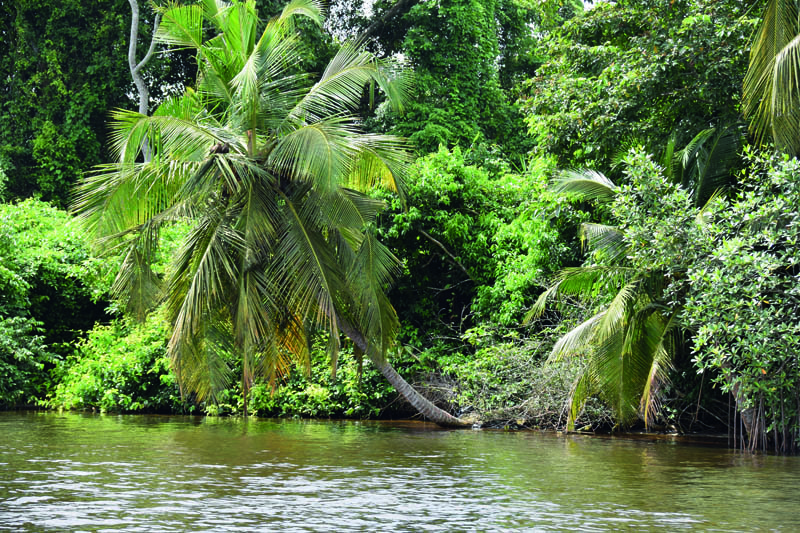
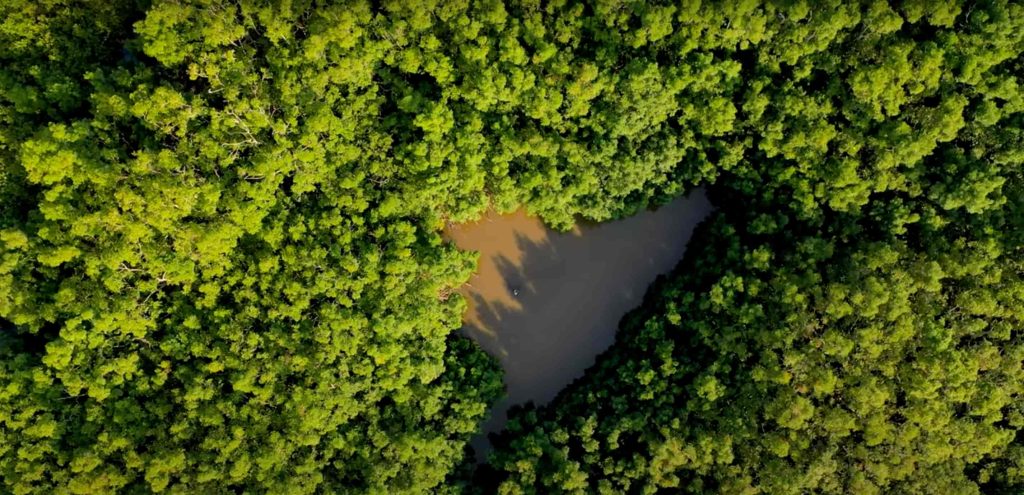
The park boasts a rich tapestry of diverse ecosystems, including extensive mangrove forests that cover approximately 40% of the islands’ edges, as well as tropical forests characterized by dense undergrowth, riparian zones, and dryland forests. These mangroves are particularly crucial, performing vital ecological services such as water filtration, providing natural protection against coastal erosion, and playing a significant role in carbon sequestration.
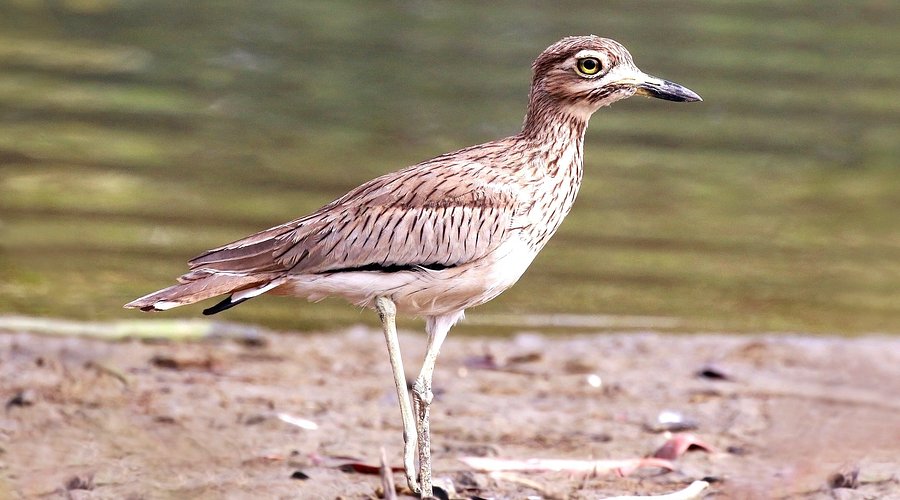
Biodiversity within the park is exceptionally rich, supporting a wide array of species. A total of 128 bird species have been identified, belonging to 35 families, with a majority being aquatic species, including important migratory populations that visit during the dry season. Mammalian inhabitants include duikers, bush pigs, rodents, and a notable large colony of fruit bats (
Heidolon helvurn) on Balouaté Island. Critically, the park provides habitat for the manatee, an aquatic mammal emblematic of Ivorian lagoons but currently facing severe threats of extinction. The park’s mangrove ecosystem is fundamental, serving as an essential nutrient system that supports the reproduction and survival of numerous aquatic and avian species.
The park’s international designations, such as Ramsar status and the UNESCO World Heritage proposal, underscore its global ecological value. This implies that any pollution impacts experienced here have far-reaching consequences that extend beyond local or national boundaries. The degradation of such a globally recognized site due to pollution represents a loss not only for Côte d’Ivoire but for global biodiversity and shared environmental heritage. This recognition elevates the urgency and international responsibility for addressing the pollution, potentially attracting global conservation funding and expertise to support its protection and restoration.
The presence of the critically endangered manatee within the park further highlights its role as a key bioindicator for overall ecosystem health and a flagship species for conservation efforts. As large herbivores and aquatic mammals, manatees are highly sensitive to environmental changes, particularly those affecting their primary food source, seagrass. They are also susceptible to accumulating toxins through their food chain. Therefore, the health and survival of the manatee population directly reflect the overall health of the park’s aquatic ecosystem. Monitoring manatee health and population trends can serve as a powerful and visible indicator of the severity of pollution impacts, and their conservation status can effectively galvanize broader public and international support for the park’s protection.
1.3. Report Objectives
This report aims to achieve the following objectives:
- To comprehensively assess the primary sources of pollution within the Tano River Basin.
- To delineate the pathways through which these pollutants are transported to the Aby Lagoon and subsequently impact Îles Ehotilé National Park.
- To analyze the specific ecological consequences of pollution on the park’s water quality, flora, and fauna.
- To examine the socio-economic ramifications of this pollution for the local communities dependent on the park’s resources.
- To review existing conservation efforts and identify persistent challenges and propose strategic recommendations for sustainable management and restoration.
2. Pollution Sources and Pathways to Îles Ehotilé National Park
The Tano Basin is a region of considerable ecological and economic importance, supporting millions of people through diverse activities such as agriculture, forestry, mining, tourism, and fisheries. However, these very activities, driven by human population growth and economic development, are significant contributors to the pollution of the basin’s water resources. Increased anthropogenic activities have been directly implicated in the degradation of water quality, particularly concerning heavy metal and metalloid contamination.
2.1. Primary Sources of Pollution in the Tano River Basin
2.1.1. Artisanal and Small-Scale Gold Mining (ASGM)
Artisanal and small-scale gold mining (ASGM), locally referred to as “galamsey” in Ghana, stands out as a predominant and persistent threat to transboundary river systems, including the Tano River. This unregulated activity is a major contributor to mercury pollution, with significant levels detected in the sediments of the Tendo and Aby lagoons in Côte d’Ivoire. Studies have shown mercury concentrations in Aby Lagoon sediments ranging from 0.04 to 3.56 mg·kg⁻¹.
Beyond mercury, mining operations introduce a range of other toxic heavy metals and metalloids into the aquatic environment, including arsenic (As), cadmium (Cd), zinc (Zn), lead (Pb), and chromium (Cr). Alarmingly, some of these metals, specifically arsenic, mercury, and chromium, have been found in fish samples from the Tano basin at concentrations exceeding internationally acceptable limits for consumption. Investigations have documented mining activities occurring directly on the riverbed at multiple pollution hotspots, with mining residue visibly flowing into the river. These practices often violate established environmental regulations, such as the requirement for a 50-meter buffer zone from water bodies.
The pollution stemming from illegal mining has far-reaching adverse effects, significantly impacting potable water production and agricultural activities in Côte d’Ivoire, including areas fed by the Abidjan Lagoon. A specific incident in January 2020, where an articulated truck carrying vehicle batteries plunged into the Tano River, released acid and resulted in the mass mortality of aquatic animals, including fish and crocodiles. This event serves as a stark illustration of the severe environmental risks posed by accidental industrial spills within the basin.
The direct mining on riverbeds and the blatant disregard for established buffer zones point to a profound systemic governance failure. The continued prevalence of these destructive activities, despite government acknowledgment and efforts to combat them , suggests either a critical lack of enforcement capacity, issues of corruption, or overwhelming socio-economic pressures that supersede legal compliance. Addressing this requires not only policy formulation but also a strengthened rule of law, robust monitoring mechanisms, and potentially the development of alternative livelihood programs for miners to tackle the root causes of illegal activity.
Furthermore, the detection of heavy metals like mercury and arsenic in fish from the Tano Basin at levels exceeding safe consumption limits signifies a critical pathway for human exposure. This bioaccumulation of toxins through the food chain amplifies health risks for communities dependent on these aquatic resources for sustenance. The implications extend beyond direct consumption, as these contaminants can also impact the reproductive success and overall health of aquatic organisms, disrupting the entire food web.
2.1.2. Agricultural Runoff
Agricultural activities within the Tano Basin contribute significantly to water pollution, primarily through the runoff of pesticides and fertilizers. Farmers frequently apply pesticides, especially during the rainy season to control pests, leading to higher concentrations of pesticide residues in water and sediment samples during these periods. While some organochlorine pesticides have been banned in Ghana due to their toxicity, persistence, and bioaccumulation potential, their illegal use continues in some developing countries, rendering the bans ineffective.
The effectiveness of buffer zones, designed to protect river banks from agricultural runoff, has been compromised by intensive anthropogenic activities. This allows pollutants such as arsenic, cadmium, lead, and zinc from agricultural sources (e.g., pesticides and fertilizers) to enter freshwater bodies. Complaints from farmers in areas like Hwidiem indicate that chemicals released into the Tano River have negatively impacted crop yields and general livelihoods dependent on the river. Additionally, the indiscriminate disposal of pesticide, insecticide, and weedicide containers near water sources poses a direct threat, as rainwater can easily wash these residues into the river.
The widespread nature of agricultural pollution and its seasonal variation highlight a pervasive environmental challenge. The fact that only a small fraction (5%) of applied pesticides reach their intended targets, with the remaining 95% settling on non-target organisms and water bodies , illustrates a significant inefficiency in application and a broad environmental impact. This widespread dispersal means that even seemingly localized agricultural practices can have cumulative, basin-wide effects, exacerbating the overall pollutant load entering the Tano River and subsequently the Aby Lagoon. The seasonal variations in pesticide levels, with higher concentrations during rainy periods, also suggest that precipitation patterns play a crucial role in mobilizing and transporting these contaminants, making pollution control more complex and requiring adaptive management strategies.
2.1.3. Domestic and Industrial Waste
The increasing population and associated demand, coupled with insufficient waste management infrastructure, have led to significant pollution from domestic and industrial sources in the Tano River Basin and its downstream areas. Continuous indiscriminate dumping of liquid and solid waste into drainage channels, along with the discharge of domestic wastewater (including greywater) and industrial effluents directly into water bodies, are common anthropogenic activities contributing to this problem.
These discharges introduce a range of pollutants, including high concentrations of phosphate and nitrate, which often exceed WHO guideline values. This nutrient enrichment leads to elevated levels of Biochemical Oxygen Demand (BOD) and Chemical Oxygen Demand (COD), which deplete dissolved oxygen in the river water through microbial degradation. High turbidity, iron, and cadmium levels, along with high total suspended solids (TSS), impart an intense color to the river, rendering it unsuitable for designated uses like drinking and agriculture.
The problem is particularly acute in urbanized areas, where rapid urbanization and industrialization have occurred without adequate consideration for environmental protection. For instance, the Ebrié Lagoon, which is hydrologically connected to the Aby Lagoon, has historically received vast amounts of untreated or insufficiently treated wastewater and solid waste from Abidjan. This has led to extreme pollution, described as a “dead bay” in some areas due to plastic accumulation and industrial activities. Plastic waste, in particular, is a major concern, with large pieces choking marine animals and tiny fragments entering the food chain after biodegradation. Côte d’Ivoire is ranked among Africa’s top hotspots for plastic leakage into oceans.
The “poto-poto” phenomenon, characterized by muddy terrain infested with mosquitoes and prone to flooding, is a local manifestation of this severe pollution, further highlighting the degradation of once-pristine lagoon areas. The significant contribution of domestic and industrial waste to the pollution of the Tano River and Aby Lagoon underscores the critical need for improved urban planning, comprehensive waste management systems, and stringent regulation of industrial discharges. The observed “poto-poto” phenomenon, alongside the pervasive plastic pollution, illustrates how inadequate waste management directly transforms once-valuable natural environments into degraded, unhealthy spaces. This not only impacts the ecosystem but also creates public health hazards and diminishes the aesthetic and recreational value of these water bodies, further disrupting local economies and quality of life.
2.2. Pollutant Transport Mechanisms
The Tano River serves as the primary conduit for transporting pollutants from its basin, predominantly located in Ghana, downstream into the Aby Lagoon in Côte d’Ivoire. This hydrological connection ensures that contaminants generated upstream, regardless of their source, are carried by the river’s flow directly to the lagoon system.
Once in the aquatic environment, less than 1% of heavy metal/metalloid pollutants remain dissolved in the water, with the vast majority (99%) becoming trapped in the sediment. Sediments, therefore, act as significant “sinks” for these persistent pollutants, accumulating them over time. This accumulation means that even if water column concentrations fluctuate, the sediment can serve as a continuous source of recontamination for the overlying water and aquatic organisms.
Seasonal variations play a crucial role in the transport and concentration of pollutants. Higher concentrations of pesticide residues, for example, are detected in water and sediment samples during the rainy season due to increased agricultural runoff. Similarly, runoff waters during the rainy season introduce significant loads of organic matter and other pollutants into the lagoon waters. This seasonal fluctuation in pollutant loads means that the ecosystem of the Aby Lagoon and Îles Ehotilé National Park experiences periodic pulses of contamination, which can have acute and chronic effects on its flora and fauna. The dynamic interplay between river flow, sediment transport, and seasonal precipitation patterns dictates the ultimate fate and impact of these pollutants within the park’s fragile ecosystems.
3. Impact on Îles Ehotilé National Park Ecosystem
The influx of pollutants from the Tano River into the Aby Lagoon has severe and cascading effects on the delicate ecosystems of Îles Ehotilé National Park, impacting water quality, flora, and fauna.
3.1. Water Quality Degradation in Aby Lagoon
The water quality in the Aby Lagoon, which directly influences Îles Ehotilé National Park, is significantly degraded by the inflow of pollutants. This degradation is characterized by several key parameters. Turbidity, a measure of water cloudiness caused by suspended solids, is notably high, particularly in upstream sections where the Tano River enters the lagoon. This elevated turbidity reduces light penetration, impacting photosynthetic organisms and the overall aquatic food web.
Nutrient enrichment, primarily from agricultural runoff and domestic waste, leads to a process known as eutrophication. This involves an excessive increase in nutrients like nitrogen and phosphorus, which fuel rapid growth of algae and aquatic plants. While essential in moderation, an overabundance of these nutrients causes algal blooms. When these blooms decompose, they consume large amounts of dissolved oxygen, leading to hypoxic or anoxic conditions (dead zones) that can kill fish and seagrass. Studies on nearby lagoons, such as the Ebrié Lagoon, indicate that high nitrogen and phosphorus concentrations contribute to a “mesotrophic” to “eutrophic” character, rendering the water impure for activities like bathing.
Chemical analyses of water quality in Ivorian lagoons, including those influenced by the Tano River, reveal concerning trends. While some parameters like pH and dissolved oxygen may fluctuate seasonally, high turbidity due to suspended solids and elevated nitrogen and phosphorus concentrations are consistently observed. Heavy metals and pesticides are also present. For instance, mercury levels in Aby Lagoon sediments range significantly , and studies indicate that while some metals might be within WHO limits, others like chromium and lead can exceed them in various water bodies. The overall water quality in these lagoons has been assessed as “poor to marginal” for various uses, including aquaculture, irrigation, and recreation, primarily due to pesticides, organic matter, and microbiological parameters.
The continuous influx of sediments and domestic waste from the Tano River is identified as a major source of pollution in the Aby Lagoon. This constant input of contaminants, particularly during the wet season, significantly impacts the lagoon’s water quality, making it less suitable for supporting aquatic life and human uses.
3.2. Effects on Flora
The degradation of water quality in the Aby Lagoon directly threatens the vital flora within Îles Ehotilé National Park, particularly its extensive mangrove forests and seagrass beds. Mangroves, which constitute 40% of the islands’ edges and play a crucial role in water filtration, coastal protection, and carbon sequestration, are highly vulnerable to pollution.
Eutrophication, driven by excess nitrogen and phosphorus from agricultural and domestic runoff, leads to harmful algal blooms. These dense algal mats block sunlight from reaching the submerged seagrass beds, which are essential food sources for manatees and provide critical habitat for numerous aquatic species. The tragic consequence is a massive loss of seagrass coverage, as observed in other affected lagoons where over 90% of seagrass biomass has vanished. This loss directly impacts the park’s ecological stability and its capacity to provide crucial ecosystem services.
The destruction of seagrass beds not only removes a primary food source for key species but also compromises the lagoon’s ability to filter water and stabilize sediments. This further exacerbates turbidity and nutrient cycling issues, creating a feedback loop of environmental degradation. The resilience of the park’s ecosystems as carbon sinks is also compromised when mangroves and seagrasses are degraded, potentially reducing their capacity to mitigate the effects of climate change. The overall decline in plant health and diversity can trigger a cascade of negative effects throughout the food web, impacting all organisms that depend on these foundational plant communities.
3.3. Effects on Fauna
The pollution originating from the Tano River profoundly impacts the diverse fauna of Îles Ehotilé National Park, affecting aquatic species, manatees, and avian populations.
3.3.1. Aquatic Species (Fish, Crustaceans, Molluscs)
Fish populations in the Tano River and Aby Lagoon are severely affected by pollution. Illegal mining activities, for instance, have been observed to directly impede fish movement and lead to significant reductions in fish populations. The discharge of chemicals, including acid from accidental spills, has resulted in mass mortality events for aquatic animals, including fish.
Heavy metals and pesticides, introduced through mining, agriculture, and domestic/industrial waste, pose substantial threats to aquatic life. These contaminants are not only directly toxic but also bioaccumulate in the tissues of aquatic organisms and biomagnify up the food chain. Studies in the Tano basin have detected concerning levels of chromium, arsenic, and mercury in fish muscles, exceeding acceptable limits for human consumption. For example, mercury, a global pollutant, bioaccumulates significantly, posing direct health effects on fish-eating wildlife and humans. Arsenic concentrations in various organisms in Aby Lagoon, including fish, crustaceans, and molluscs, have also been found, with fish showing the highest levels.
Pesticides, even at low concentrations, can cause severe biochemical and histological changes in freshwater organisms, affecting vital organs like gills, kidneys, and liver. This can lead to reduced growth rates, impaired reproduction, neurological dysfunction, and increased susceptibility to diseases, ultimately impacting survival rates and leading to population declines. The disruption of trophic levels and the consequent failure of aquatic ecosystems are direct results of these toxic exposures. The presence of these contaminants in fish and other aquatic organisms, which are crucial components of the local diet and economy, creates a significant pathway for human exposure and health risks.
3.3.2. Manatees
The manatee, a critically endangered aquatic mammal characteristic of Ivorian lagoons, is particularly vulnerable to the impacts of pollution in Îles Ehotilé National Park. Their primary food source is seagrass, and the loss of these vital underwater meadows due to nutrient pollution and harmful algal blooms directly threatens their survival.
An excess of nitrogen and phosphorus in waterways fuels algal growth, which blocks sunlight necessary for seagrass photosynthesis, leading to massive die-offs of seagrass beds. Without an adequate food source, manatees face starvation. This phenomenon has been tragically observed in other regions, such as Florida’s Indian River Lagoon, where rampant nutrient pollution led to an “Unusual Mortality Event” (UME), resulting in the deaths of thousands of manatees due to starvation. Emaciated manatees exhibit telltale signs like visible ribs, sunken heads, and wasted fat reserves. The presence of “muck” or “black mayonnaise” on the lagoon floor, a byproduct of decades of pollution, continuously releases stored nutrients, exacerbating the problem. The vulnerability of the manatee population in Îles Ehotilé National Park serves as a stark indicator of the severe ecological imbalance caused by pollution.
3.3.3. Avian Species
Îles Ehotilé National Park is a critical habitat for 128 recorded bird species, many of which are aquatic and include important migratory populations. These avian species are significantly impacted by water pollution through various mechanisms. Habitat degradation, particularly the loss of mangroves and seagrass beds, directly reduces nesting sites, foraging grounds, and overall food availability. The mangrove ecosystem, which provides essential nutrients for the reproduction of many avian species, is compromised by pollution.
Beyond habitat loss, birds are susceptible to direct toxic effects from contaminants. Predatory waterbirds, such as herons and egrets (Ardeidae family), are at the top of the aquatic food chain and are highly vulnerable to the bioaccumulation and biomagnification of pollutants like heavy metals (mercury, lead, cadmium, copper, zinc, arsenic) and organochlorine pesticides through the consumption of contaminated food sources. High body burdens of these contaminants can lead to severe health issues, including respiratory illness, increased stress levels, compromised immune systems, and reduced reproductive success, ultimately contributing to population declines. In some cases, outright mortality can occur.
The unique respiratory systems of birds make them particularly susceptible to airborne pollutants, which can bring in a variety of harmful particles. While research on the direct impact of water pollution on avian health is still developing, the observed declines in bird populations globally, often linked to environmental contaminants, highlight the potential for similar impacts in the Ehotilé Park. The overall health of migratory birds, in particular, is dependent on the quality of all environments they inhabit throughout their annual cycle.
4. Socio-Economic Impacts on Local Communities
The pervasive pollution of the Tano River and Aby Lagoon has profound socio-economic consequences for the local communities that depend on the natural resources of Îles Ehotilé National Park and its surrounding areas.
4.1. Livelihood Disruption
Communities along the Tano River and Aby Lagoon traditionally rely heavily on fishing and agriculture for their livelihoods. Pollution directly threatens these economic activities. Fishing, once a cornerstone of the local economy, has been severely impacted, with reports of reduced fish catches and even the abandonment of fishing in some areas due to extreme pollution. The presence of plastic waste, sometimes forming a thick carpet on the lagoon floor, physically obstructs fishing activities.
Agricultural practices are also affected. Farmers have reported reduced crop yields due to polluted river water, which they rely on for irrigation. The gradual shift of land use towards illegal mining upstream drastically alters socio-economic activities downstream, as water quality deteriorates. Furthermore, the invasion of water hyacinth, exacerbated by nutrient pollution, creates blockades on water bodies, making it difficult for farmers to access their lands and leading to significant agricultural and economic losses. This also halts the operations of boat operators, further reducing income for those dependent on the waterways. The overall degradation of water resources directly translates into reduced income for farmers, fishermen, and boat operators, leading to economic hardship for these communities.
The tourism sector, which holds significant potential for the region, is also severely undermined. Degraded water quality, characterized by unpleasant sights and odors from algal blooms and accumulated waste, diminishes the recreational and aesthetic value of the lagoon. This leads to losses in tourism revenue, affecting businesses and employment opportunities that depend on clean water and healthy ecosystems.
4.2. Public Health Risks
The contamination of the Tano River and Aby Lagoon poses significant public health risks to the surrounding populations. Communities relying on these water bodies for potable water are exposed to various pollutants. While the Ghana Water Company Limited has assured the safety of treated tap water following specific incidents, the broader issue of contaminated raw water sources remains.
Waterborne diseases, such as diarrhea and cholera, are directly linked to polluted water sources and account for a high percentage of deaths, particularly among children, in Côte d’Ivoire. The presence of pathogenic agents from domestic discharges and inadequate sanitation exacerbates these risks.
Exposure to heavy metals and pesticides through contaminated drinking water and the consumption of contaminated fish is a critical concern. Mercury, arsenic, and chromium, detected in fish at levels exceeding safety limits, can cause severe health problems, including neurological damage, developmental delays in children, kidney issues, and various cancers. Pesticide residues, even at low levels, can lead to birth defects, endocrine disruption, and nerve-related problems. The lack of sophisticated water treatment in many areas means that these pollutants are not effectively removed before consumption.
The burden of these health impacts is often disproportionately borne by poorer communities and those with lower standards of living, who may lack access to safe water alternatives and adequate healthcare facilities. Poverty and environmental filth are directly associated with increased susceptibility to waterborne illnesses, creating a vicious cycle where poor health further impedes economic development.
4.3. Cultural and Social Impacts
Beyond economic and health concerns, the pollution of the Tano River and Aby Lagoon inflicts significant cultural and social damage on local communities. Traditional practices and cultural entitlements ascribed to these natural resources are drastically altered by environmental degradation. The loss of pristine fishing grounds and fertile agricultural lands disrupts long-standing ways of life and community identity.
The “Pearl of Lagoons,” as the Ebrié Lagoon was once called, has lost its luster, impacting the collective memory and pride of the communities living along its banks. The degradation of these natural spaces can lead to a sense of loss and displacement, even for those who remain physically in the area. The inability to engage in traditional activities like fishing or to enjoy the natural beauty of their surroundings can erode social cohesion and well-being. The archaeological and historical sites on the Ehotile Islands, which were a primary driver for the park’s establishment by local communities, are also protected , and their value is diminished by the surrounding environmental degradation. This highlights that the impact of pollution extends beyond mere economic figures, touching upon the intangible cultural heritage and social fabric of the affected populations.
5. Conservation Efforts, Challenges, and Recommendations
Addressing the complex issue of Tano River pollution and its impact on Îles Ehotilé National Park requires a concerted and multi-faceted approach, building upon existing efforts while overcoming persistent challenges.
5.1. Current Conservation Initiatives
Both Ghana and Côte d’Ivoire have recognized the transboundary nature of the pollution problem and have initiated efforts to address it. High-powered inter-ministerial delegations have met to find sustainable solutions to the ripple effect of illegal small-scale mining on transboundary water resources, including the Tano and Bia rivers. Ghana has implemented a two-pronged approach involving law enforcement and mining sector reformation, including declaring river bodies as “red zones” for mining and deploying military operations (Operation Halt) to flush out illegal miners.
Îles Ehotilé National Park itself was established in 1974 on the initiative of local communities, demonstrating early recognition of the need for protection. More recently, in October 2020, a convention was signed between the WACA (West Africa Coastal Areas Management Program) Côte d’Ivoire and the Office Ivoirien des Parcs et Réserves (OIPR) to conserve and restore the Azagny National Park and Ehotilé Islands. This initiative includes funding for specific activities and emphasizes the crucial involvement of communities in conservation and restoration efforts.
Beyond formal agreements, community-led conservation programs are active in the Tanoé-Ehy forest, which is hydrologically linked to the Tano River. These programs empower local communities to protect their forests from conversion and pollution, focusing on sustainable agroforestry, environmental education, community organization, and biodiversity monitoring. Reforestation and mangrove restoration initiatives are also being implemented within Îles Ehotilé National Park itself, aiming to regenerate ecological functions, enhance carbon sequestration, and promote sustainable ecotourism as an economic alternative for local populations. These efforts represent a model of integrated conservation that combines biodiversity protection with community development.
5.2. Persistent Challenges
Despite these initiatives, significant challenges impede effective pollution control and ecosystem restoration. The persistence of illegal small-scale gold mining remains a primary obstacle. Despite government operations, mining continues directly on riverbeds, violating buffer zones and indicating a fundamental failure in enforcement and regulatory compliance. The socio-economic drivers of illegal mining, such as poverty and lack of alternative livelihoods, are complex and require more than just punitive measures.
Inadequate waste management infrastructure is another critical challenge. Indiscriminate dumping of solid and liquid waste, untreated domestic wastewater, and industrial effluents continue to pollute water bodies. Côte d’Ivoire faces shortcomings in basic sanitation, solid waste management, and stormwater infrastructure, particularly in rapidly urbanizing areas like Abidjan, which impacts the larger lagoon system. The low recycling rates for plastic waste exacerbate the problem.
The transboundary nature of the Tano River basin complicates governance and enforcement. While bilateral meetings occur, the persistent challenges suggest that coordination and implementation across national borders require further strengthening. Furthermore, the diverse and diffuse nature of pollution sources—ranging from large-scale industrial activities to individual agricultural practices and household waste—makes comprehensive monitoring and control extremely difficult. The lack of consistent data and monitoring across the entire basin hinders a full understanding of pollution dynamics and the effectiveness of interventions.
The vulnerability of the ecosystems to anthropogenic pressures like urbanization, illegal logging, and overfishing also poses internal management challenges for the park. These pressures, combined with the ongoing water pollution, compromise the park’s capacity to provide essential ecosystem services.
5.3. Strategic Recommendations
To effectively mitigate the impact of Tano River pollution on Îles Ehotilé National Park and ensure its long-term sustainability, the following strategic recommendations are proposed:
- Enhanced Transboundary Cooperation and Governance:
- Establish a permanent joint commission between Ghana and Côte d’Ivoire, specifically tasked with the integrated management of the Tano River Basin, including regular data sharing, joint monitoring programs, and synchronized enforcement actions against illegal activities.
- Develop and implement harmonized environmental standards and regulations across both countries for all major pollution sources (mining, agriculture, waste management) to prevent the shifting of polluting activities across borders.
- Strengthened Regulatory Frameworks and Enforcement:
- Increase surveillance and law enforcement capacity, particularly for illegal mining, by providing adequate logistics and training to security forces and environmental protection agencies.
- Implement stricter penalties for environmental offenses and ensure consistent prosecution to deter illegal activities.
- Address the systemic governance failures by fostering transparency, accountability, and reducing corruption within regulatory bodies.
- Sustainable Resource Management and Alternative Livelihoods:
- Promote and support the transition to sustainable artisanal mining practices that minimize environmental impact, potentially through formalization and the adoption of mercury-free technologies.
- Invest in alternative livelihood opportunities for communities currently dependent on environmentally damaging activities, such as illegal mining, to reduce socio-economic pressure on natural resources.
- Implement responsible agricultural practices, including promoting sustainable fertilizer and pesticide use, establishing and enforcing buffer zones along waterways, and encouraging organic farming methods.
- Develop and expand robust waste management infrastructure, including collection, recycling, and treatment facilities for both domestic and industrial waste, particularly in urban and peri-urban areas. Implement policies to reduce plastic waste at its source.
- Ecosystem Restoration and Rehabilitation:
- Prioritize large-scale restoration efforts for degraded mangroves and seagrass beds within Îles Ehotilé National Park and the Aby Lagoon, utilizing ecological restoration techniques and involving local communities.
- Implement targeted remediation strategies for areas heavily contaminated with heavy metals and other persistent pollutants, including sediment clean-up where feasible.
- Support reforestation initiatives in the Tano Basin to improve water quality through natural filtration and reduce soil erosion.
- Public Awareness and Community Engagement:
- Launch comprehensive public awareness campaigns in both Ghana and Côte d’Ivoire to educate communities about the sources and impacts of pollution, emphasizing the direct link to their health and livelihoods.
- Actively involve local communities in the planning, implementation, and monitoring of conservation and restoration projects, leveraging their traditional knowledge and fostering a sense of ownership and stewardship.
- Promote environmental education in schools and community centers to instill long-term environmental responsibility.
- Scientific Research and Monitoring:
- Invest in continuous, robust scientific research and long-term monitoring programs for water quality (heavy metals, pesticides, nutrients, dissolved oxygen, turbidity) and biodiversity (fish populations, manatee health, avian species) across the entire Tano River Basin and Aby Lagoon.
- Utilize advanced technologies, such as satellite imaging and remote sensing, to monitor land use changes, pollution hotspots, and ecosystem health trends.
- Conduct regular health assessments of key bioindicator species, such as manatees and specific fish species, to track the ecological impact of pollution and the effectiveness of mitigation measures.
6. Conclusion
The pollution of the Tano River poses a severe and escalating threat to the ecological integrity and socio-economic well-being of Îles Ehotilé National Park and its surrounding communities in Côte d’Ivoire. The transboundary nature of the Tano River system means that activities upstream in Ghana directly impact the downstream Aby Lagoon and the park, creating a complex challenge that transcends national borders. Artisanal gold mining, agricultural runoff, and inadequate waste management are the primary drivers of this pollution, introducing a hazardous array of heavy metals, pesticides, and excessive nutrients that degrade water quality, destroy critical habitats like mangroves and seagrasses, and lead to significant declines and bioaccumulation in aquatic and avian fauna, including the critically endangered manatee.
The repercussions extend deeply into human communities, disrupting traditional livelihoods in fishing and agriculture, undermining the burgeoning tourism sector, and posing substantial public health risks through contaminated water and food sources. The cultural fabric of these communities, intrinsically linked to the health of their natural environment, is also under threat.
While existing conservation efforts and bilateral discussions represent important steps, their effectiveness is continually challenged by persistent illegal activities, insufficient enforcement, and systemic infrastructure gaps in waste management. The interconnectedness of these issues demands a holistic, integrated, and sustained approach. Protecting Îles Ehotilé National Park and the Aby Lagoon requires not only a commitment to stricter environmental regulations and enforcement but also significant investment in sustainable economic alternatives, comprehensive waste management solutions, and robust transboundary cooperation. Ultimately, the long-term health of this vital ecosystem and the well-being of its dependent communities hinge on the collective and sustained efforts of both national governments and local populations to reverse the tide of pollution and foster a truly sustainable future.


