



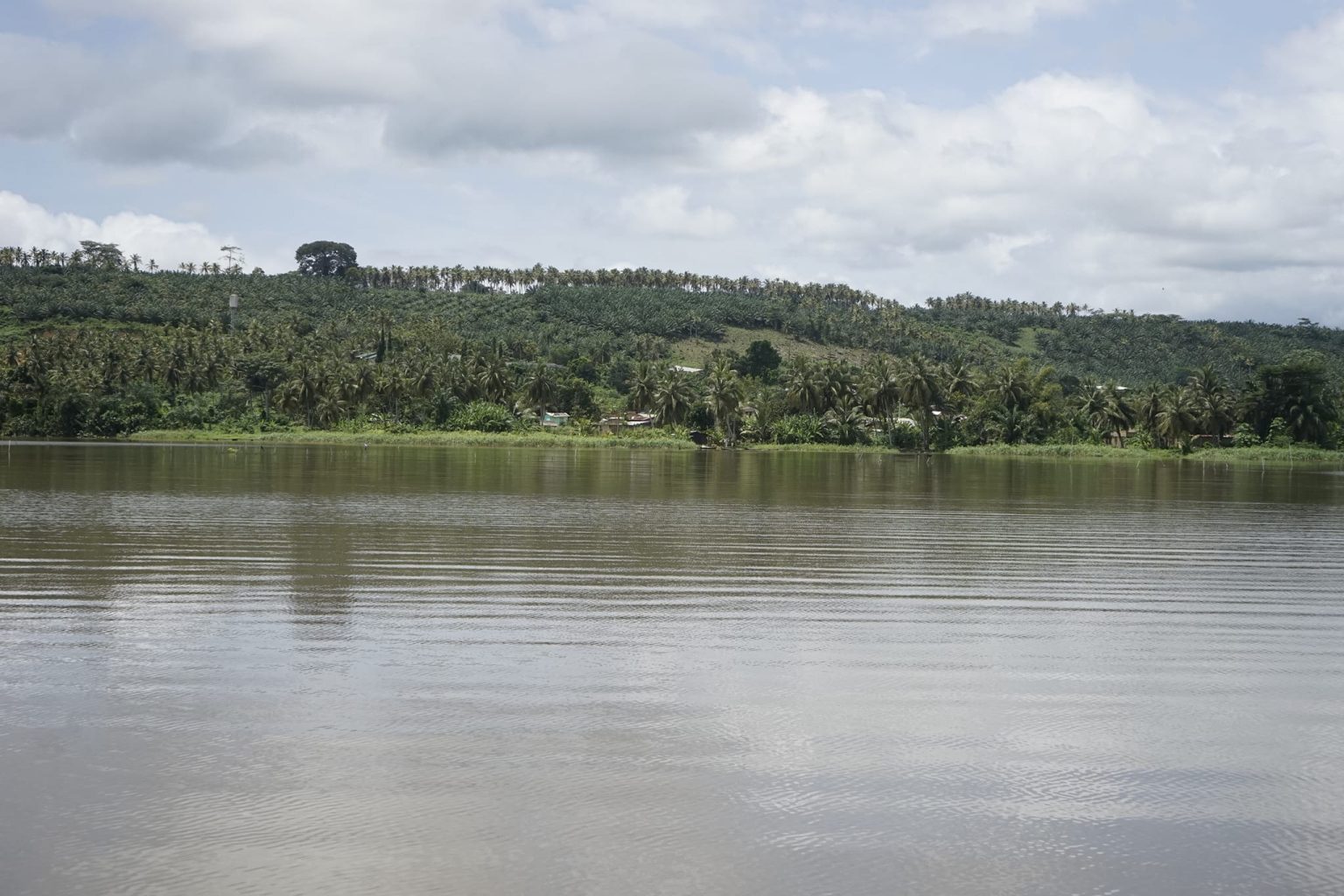
Executive Summary
The Tano River and Ehy Lagoon system represent a vital transboundary aquatic ecosystem shared between Ghana and Côte d’Ivoire. This report comprehensively examines their geographical and hydrological characteristics, profound historical and cultural significance, critical ecological value, and the socio-economic activities they sustain. A central focus is placed on the pervasive pollution challenges, primarily stemming from irresponsible mining, invasive aquatic weeds, and agricultural runoff, and their far-reaching environmental, public health, and socio-economic consequences. The analysis reveals a complex interplay of natural vulnerability, anthropogenic pressures, and the erosion of traditional conservation mechanisms. The degradation of these water bodies underscores the interconnectedness of environmental health and socio-economic stability across national borders, highlighting the urgent need for integrated, transboundary, and community-inclusive management strategies. Addressing these multifaceted challenges requires a holistic approach that tackles underlying poverty, strengthens regulatory enforcement, and fosters sustainable development alternatives to safeguard this indispensable natural heritage for future generations.
1. Introduction: Overview of the Tano River and Ehy Lagoon
The Tano River and Ehy Lagoon form an integral and dynamic aquatic system in West Africa, underpinning the ecological balance and socio-economic fabric of a significant transboundary region. This report provides a detailed examination of these water bodies, exploring their physical attributes, historical and cultural importance, ecological contributions, and the critical environmental challenges they face.
Geographical Context and Transboundary Nature
The Tano River is a prominent transboundary watercourse in West Africa, originating near Techiman in western Ghana and flowing southwestward for approximately 400 kilometers (250 miles) before discharging into the Aby Lagoon complex in Côte d’Ivoire. The Tano Basin constitutes a significant portion of Ghana’s southwestern river system, encompassing an area of about 16,060 square kilometers. The vast majority of this basin, approximately 92.6%, lies within Ghana, with the remaining 7.4% (1,185 square kilometers) extending into Côte d’Ivoire. Notably, the river’s lower course delineates a segment of the international boundary between Ghana and Côte d’Ivoire. Ehy Lagoon is an integral component of the larger Aby Lagoon complex, recognized as the second-largest lagoon system in Côte d’Ivoire.
Importance of the Water Bodies
The Tano Basin is characterized as an ecologically and economically vital region, supporting millions of people through diverse economic activities such as agriculture, forestry, mining, tourism, and fisheries. The rich terrestrial and aquatic ecosystems within the basin provide essential services, including a reliable water supply, support for significant biodiversity, and crucial climate regulation. The Aby Lagoon complex, by virtue of its size and its connection to the Tano River, plays a pivotal role in the regional ecosystem and economy.
The consistent designation of these water bodies as “transboundary” and “ecologically and economically vital” systems supporting “millions of people” highlights a fundamental interdependence. The environmental health of the Tano River and Ehy Lagoon is intrinsically linked to the socio-economic well-being and stability of the communities residing in both Ghana and Côte d’Ivoire. Environmental degradation, such as that caused by illegal mining or the proliferation of invasive species , does not respect national borders. Its impacts—ranging from reduced fish stocks and contaminated water to blocked transportation routes and increased health risks—inevitably spread across the shared basin. This creates a scenario where environmental problems become shared socio-economic burdens. This situation underscores the critical need for coordinated, transboundary management efforts. Unilateral actions by one nation to address environmental issues may be undermined or rendered ineffective by ongoing degradation originating in the neighboring country. Consequently, persistent environmental and socio-economic challenges could lead to regional instability if collaborative solutions are not effectively implemented and sustained.
2. Geographical and Hydrological Characteristics
A detailed understanding of the physical attributes of the Tano River and Ehy Lagoon is essential for comprehending their ecological functions and inherent vulnerabilities.
Detailed Description of the Tano River
The Tano River originates from the Boyem Mountain Ranges, situated near Techiman in Ghana. Its main course extends approximately 400 kilometers (250 miles), flowing predominantly southwestward. The total drainage area of the Tano Basin is approximately 16,060 square kilometers, with the vast majority (92.6%) located within Ghana and the remainder in Côte d’Ivoire. The basin’s topography is diverse, transitioning from highlands with average elevations around 540 meters above sea level in the upstream areas to much flatter southern sections, ranging between 0 and 15 meters above sea level. Key tributaries contributing to the Tano River system include the Boin, Disue, Amama, Abu, Gaw, Suraw, Samre, Totua, and Disri rivers. Geologically, the Tano Basin is predominantly underlain by crystalline igneous and metamorphic rocks, with Granite (38.1%), Birimian Sediments (31.9%), and Birimian Volcanics (25.5%) forming the primary geological formations. The Tano River ultimately discharges into the Ehy/Tano/Aby Lagoon complex, which straddles the border between Ghana and Côte d’Ivoire.
Detailed Description of the Ehy Lagoon
Lagoons are shallow bodies of water separated from larger water bodies by narrow landforms such as reefs or barrier islands. As a coastal lagoon, Ehy Lagoon typically forms along gently sloping coasts where barrier islands or reefs develop offshore, often in areas with rising sea levels. Coastal lagoons are inherently shallow and prone to accumulating sediments carried by inflowing rivers. Ehy Lagoon is one of three named sections within the larger Aby Lagoon complex, which is the second largest lagoon in Ivory Coast. The entire Aby Lagoon complex spans an area of 424 square kilometers (164 sq mi), with an average depth of 3.5 meters (11 ft) and a total volume of 1.57 cubic kilometers (0.38 cu mi). Ehy Lagoon specifically covers 45 square kilometers (17 sq mi) and extends northeast from the eastern end of Tendo Lagoon, being entirely located within Ivory Coast. The Tano River, along with the Bia River, serves as a primary inflow to the Aby Lagoon complex, which subsequently drains into the Atlantic Ocean via shallow channels. The Aby Lagoon complex, including Ehy Lagoon, is characterized as a “choked lagoon”. A subsidiary, Univaye Lagoon, located in Ghana, drains into Tendo Lagoon.
The intrinsic shallowness of lagoons and their natural tendency to accumulate sediments from inflowing rivers establish a baseline for gradual, geological change in the Ehy and Aby Lagoon system. However, human activities in the Tano River basin are significantly accelerating this natural process. Irresponsible mining operations are identified as major polluters, leading to high water turbidity and the direct discharge of mining residue into the river. Concurrently, land-use changes, particularly the continuous loss of forest cover and the expansion of cropland , contribute to erosion and the transport of soil sediments into the Tano River. This combination of illegal mining and unsustainable land management practices dramatically increases the sediment load carried by the Tano River, exacerbating the natural sedimentation process. This accelerated infilling will lead to a rapid reduction in the capacity and depth of the Ehy and Aby Lagoons. The consequences include altered hydrodynamics, increased flood risk, reduced navigability, and severe impacts on aquatic habitats and fisheries, posing a long-term threat to the functionality and ecological integrity of the entire lagoon system, far beyond natural rates of change.
Table 1: Key Geographical and Hydrological Data
| Feature | Characteristic | Data | Sources |
| Tano River | Origin | Boyem Mountain Ranges, near Techiman, Ghana | |
| Length | 400 km (250 miles) | ||
| Primary Outflow | Aby Lagoon complex (Gulf of Guinea/Atlantic Ocean) | ||
| Countries Shared | Ghana, Côte d’Ivoire | ||
| Tano Basin | Total Area | ~16,060 km² | |
| % in Ghana | 92.6% (~14,875 km²) | ||
| % in Côte d’Ivoire | 7.4% (1,185 km²) | ||
| Main Tributaries | Boin, Disue, Amama, Abu, Gaw, Suraw, Samre, Totua, Disri | ||
| Aby Lagoon Complex | Surface Area | 424 km² (164 sq mi) | |
| Mean Depth | 3.5 m (11 ft) | ||
| Max Depth | 17 m (56 ft) | ||
| Volume | 1.57 km³ (0.38 cu mi) | ||
| Type | Choked lagoon | ||
| Primary Inflows | Bia River, Tano River | ||
| Primary Outflows | Atlantic Ocean | ||
| Countries Shared | Côte d’Ivoire, Ghana | ||
| Ehy Lagoon | Surface Area | 45 km² (17 sq mi) | |
| Location | Northeast of Tendo Lagoon, entirely within Côte d’Ivoire |
3. Historical and Cultural Significance
The Tano River and Ehy Lagoon are not merely geographical features but entities deeply interwoven with the historical narratives and profound cultural identities of the indigenous communities in the region.
Formation and Historical Context of the Water Bodies
The Tano River has historically served as a fundamental lifeline for wildlife and human populations for centuries. Its natural course and the formation of the associated lagoon complex are products of long-term geological and hydrological processes, typical of coastal lagoons influenced by factors such as sea-level fluctuations and the development of natural barriers. The Aby Lagoon complex, which includes Ehy and Tendo Lagoons, represents the natural estuarine mouth where the Tano River historically discharges into the Atlantic Ocean.
Indigenous Beliefs, Deities (Taakora/Tano), and Cultural Practices
The Tano River holds immense spiritual and cultural significance for the Akan and Ashanti people, extending across both Ghana and Côte d’Ivoire. Taakora (also known as Tano or Tanoɛ), revered as the highest of the Bono gods on Earth and a powerful river deity, is believed to reside at the source of the Tano River. Within Akan mythology, Taakora is considered the “king of all Obosom”.
The deity Tano embodies the vital connection between humanity and the natural world, symbolizing the life-giving force of water and its association with agriculture, fertility, and sustenance. Beyond providing sustenance, the deity is also linked to healing, protection, warfare, and the maintenance of moral order within the community. Traditional ceremonies at the river often involve offerings, libations, sacrifices, and prayers to seek Tano’s blessings and goodwill.
Taboos and Traditional Reverence for the Tano River
A deeply ingrained cultural taboo prohibits fishing in the Tano River, particularly among the Akan people. Residents of Tanoso, for instance, abstain from fishing, believing the fish embody their ancestral souls. Local folklore includes cautionary tales of Tano’s wrath, warning that disrespect or neglect of the river can lead to natural disasters or poor harvests, thereby emphasizing the critical importance of maintaining a respectful balance with nature. The reverence for the Tano River and Ta Kora is so profound that a solemn Akan maxim states: “From the river whose fish we do not eat, we do not [even] take a [gold] nugget,” illustrating the extent of their respect and the traditional prohibition against exploiting its resources. Despite the increasing influence of other religions, the worship of Tano remains a vibrant aspect of modern Akan culture, with traditional rituals, ceremonies, and festivals continuing to be practiced, especially in communities near the river.
The research clearly establishes a strong traditional reverence for the Tano River, including taboos against fishing and resource exploitation, deeply embedded in indigenous beliefs and practices. The maxim “From the river whose fish we do not eat, we do not [even] take a [gold] nugget” explicitly links this reverence to a prohibition against extractive activities. However, despite these powerful cultural safeguards, the river is currently experiencing severe pollution, primarily from irresponsible mining and other anthropogenic activities. This widespread environmental degradation, particularly the prevalence of illegal mining, suggests a significant breakdown or weakening of these traditional cultural norms and the associated reverence for the river. This erosion could be driven by a confluence of factors, including external economic pressures, the allure of quick wealth, urbanization, internal migration patterns , or a growing disconnect between traditional authority structures and modern economic actors. Traditional Ecological Knowledge (TEK) and cultural taboos historically served as powerful, informal conservation mechanisms. Their erosion directly contributes to the observed environmental degradation by removing a significant deterrent to unsustainable practices. Reintegrating and empowering traditional governance structures and cultural values could offer a potent, yet often underutilized, pathway for environmental protection, complementing formal regulatory frameworks. The stark contrast between historical reverence and contemporary exploitation highlights a profound societal and cultural shift that needs to be understood and potentially reversed for effective conservation.
4. Ecological Importance and Biodiversity
The Tano River and Ehy Lagoon system possess significant ecological value, characterized by diverse ecosystems and a rich array of species that provide vital environmental services.
Description of Terrestrial and Aquatic Ecosystems
The Tano Basin’s terrestrial landscape is characterized by a mosaic of semi-deciduous dense forests, dry dense forests, clear forests, farmlands, and degraded lands. These forest ecosystems play a crucial role in regulating freshwater supply by facilitating natural flow, filtration, and maintaining water quality. Several designated forest reserves, such as Boin Tano, Tano Suraw, and Tano Suhien Forest Reserves, are specifically established to protect critical river headwaters. The Aby Lagoon complex, which includes Ehy Lagoon, is part of the Ramsar site of Iles Ehotilé-Essouman, an internationally recognized wetland of importance covering 272.74 square kilometers of the lagoon and its surrounding areas. Mangrove ecosystems within the lagoon complex are vital habitats, serving as critical spawning, nursery, and feeding grounds for a large number of fish species.
Key Flora and Fauna, Including Endangered Species
The Tano Basin supports a diverse array of terrestrial and aquatic species, including a significant population of forest elephants. Critically, the last remaining individuals of Miss Waldron’s Red Colobus (Piliocolobus badius waldronae), identified as one of the world’s most threatened primates, are believed to inhabit the forest situated between the Tano River and Ehy Lagoon. As of mid-2008, this specific area was earmarked for logging by Unilever, with intentions to convert it into oil palm plantations.
The Aby-Tendo-Ehy lagoon system is home to a diverse ichthyofauna, with a study recording 35 fish species, many of which are of high economic interest. Dominant species observed include Gilchristella aestuaria (81.0%), Atherina breviceps (11.4%), and Rhabdosargus holubi (5.1%).
Ethmalosa fimbriata alone accounts for a substantial 60% to 80% of the fish catch in the lagoon. Zooplankton, fundamental components of aquatic food webs, play a crucial role in energy transfer from primary producers to higher trophic levels. In the Aby-Tendo-Ehy lagoon system, Rotifera constituted the most abundant group (83% of total abundance), with overall taxa diversity increasing from Aby Lagoon to Ehy Lagoon. However, the ecosystems are also threatened by invasive species such as water hyacinth, Siam weed (
Chromolaena odorata), and Cecropia peltata, as well as marine algal blooms caused by Enteromorpha flexuosa.
Ecosystem Services Provided by the River and Lagoon
The ecosystems of the Tano Basin provide indispensable services, including the provision of clean water, support for rich biodiversity, and contributions to climate regulation. The lagoon system specifically supports large-scale fisheries, acting as vital spawning, nursery, and feeding grounds for numerous aquatic species. Agriculture and fishing represent the primary economic activities directly supported by the Aby Lagoon complex.
The research explicitly states that the forest between the Tano River and Ehy Lagoon is the last known habitat for the critically endangered Miss Waldron’s Red Colobus. Simultaneously, this very area was “slated for logging by Unilever, with the aim to replace it with oil palm plantations” as of mid-2008. This presents a direct and stark conflict: an immediate, profit-driven economic development initiative (logging for oil palm) is poised to destroy the last refuge of a species on the brink of extinction. This is a clear cause-and-effect scenario where economic activity directly threatens irreversible biodiversity loss. This situation is not merely a localized incident but exemplifies a pervasive global challenge. It highlights how short-term economic gains, particularly from agricultural expansion and resource extraction, are frequently prioritized over long-term ecological sustainability and the preservation of irreplaceable biodiversity. The implication is that without robust regulatory enforcement, effective land-use planning, and the promotion of genuinely sustainable economic alternatives, critical habitats will continue to be sacrificed. This raises profound questions about corporate social responsibility, the effectiveness of international conservation designations like Ramsar sites when adjacent areas are under direct threat, and the urgent need for a shift in development paradigms.
Table 2: Key Biodiversity and Ecosystem Services
| Ecosystem Type | Key Flora/Fauna | Ecosystem Services | Sources |
| Forests | Semi-deciduous dense forests, dry dense forests, clear forests, Forest Elephants, Miss Waldron’s Red Colobus (critically endangered) | Regulating freshwater supply (flow, filtration, quality), Biodiversity support, Climate regulation | |
| Wetlands/Lagoons | Ethmalosa fimbriata (60-80% of fish catch), Gilchristella aestuaria, Atherina breviceps, Rhabdosargus holubi, Rotifera (dominant zooplankton), Copepoda, Cladoceran | Fisheries (spawning, nursery, feeding grounds), Water supply, Biodiversity support, Climate regulation, Transportation | |
| Mangroves | Diverse fish species (e.g., Pomadasys jubelini, Bostrychus africanus, Dalophis cephalopeltis, Oreochromis mossambicus) | Large-scale fisheries (spawning, nursery, feeding grounds), Habitat for diverse marine life | |
| General Basin | 2,100 plant species, 2,200 animal species (Indian River Lagoon comparison), 685 fish species, 370 bird species | Agriculture, Forestry, Mining, Tourism (e.g., Ankasa Resource Reserve), Water supply, Biodiversity, Climate regulation | |
| Invasive Species | Water Hyacinth (Eichhornia crassipes), Siam weed (Chromolaena odorata), Cecropia peltata, Enteromorpha flexuosa (marine algal blooms) | – (Negative impacts on ecosystems and services) |
5. Socio-Economic Activities and Livelihoods
The Tano River and Ehy Lagoon systems are fundamental to the socio-economic activities and livelihoods of millions of people within the basin, providing sustenance and economic opportunities.
Primary Economic Activities in the Tano Basin
Agriculture is the predominant occupation, engaging over 27% of the total population in the Tano Basin, a figure that rises to 47% in rural areas. Cocoa stands as the leading cash crop, contributing 70-100% of income for households involved in its cultivation. Other significant crops include oil palm, rubber, coffee, copra, plantain, cassava, and coconut, particularly along the coastal areas.
The basin is rich in mineral resources, especially gold, with extensive mining operations in areas like Kenyase, Bibiani, and Sefwi-Surano. However, illegal mining, locally known as “galamsey,” is explicitly noted as widespread. Logging and timber processing constitute major industries in the forested parts of the basin. Non-Timber Forest Products (NTFPs) from community forests contribute up to 35% of farmers’ annual income.
Fisheries are a vital economic activity around the Aby Lagoon complex, with Ethmalosa fimbriata accounting for a significant 60% to 80% of the total fish catch. The basin also hosts notable tourist attractions such as the Ankasa Resource Reserve and various cultural heritage sites. Efforts are underway to develop eco-tourism activities, such as turtle watch initiatives, to generate income for coastal communities. Furthermore, oil and gas exploration commenced in the lower Tano Basin in 2012, contributing to the national economy and offering potential for regional industrial growth.
Dependence of Local Communities on the River and Lagoon
Millions of people residing within the Tano Basin are directly reliant on the river and lagoon systems for their livelihoods and sustenance. Beyond direct economic activities, these water bodies provide essential resources such as water for various uses, medicinal plants, materials for crafts, and building materials. Local communities are heavily dependent on the water bodies for both farming and fishing activities.
Impacts on Transportation and Economic Activities
The pervasive invasion of water hyacinth poses severe socio-economic challenges. During peak invasion seasons, the dense mats of water hyacinth create physical blockades that render movement on the Aby-Tano lagoon and the Tano River nearly impossible for farmers and fishermen. This obstruction leads to substantial agricultural and economic losses, significantly reducing farmers’ income and bringing the operations of boat operators to a standstill, thereby severely impacting their livelihoods. Furthermore, the weed impedes water transportation and diminishes both the quantity and quality of available water supplies.
The Tano Basin supports “millions of people” , with agriculture as the “primary occupation” and significant reliance on fishing. Concurrently, “illegal mining is widespread” despite its documented severe pollution impacts on the river. There is an evident and strong dependence of local populations on the natural resources of the basin for their survival and economic activity. The persistence and even thriving of illegal mining, despite its direct pollution and degradation of the very water resources communities depend on for their primary livelihoods, is a critical issue. The available information points to “poverty” and “less attention to water infrastructure” as hindrances to effective management. The invasive water hyacinth “reduces the incomes of farmers, fishermen, boat operators” , further exacerbating economic hardship. This suggests that economic hardship and widespread poverty compel individuals to engage in readily accessible, but environmentally destructive, activities such as illegal mining. This mining, in turn, severely pollutes the river , directly impacting the productivity of agriculture and fisheries, which are the foundational livelihoods for many. The proliferation of invasive water hyacinth further compounds these economic losses. This creates a detrimental feedback loop: environmental degradation diminishes viable livelihood options, pushing more people into unsustainable practices out of necessity, which further degrades the environment. Effectively addressing environmental pollution in the Tano Basin requires more than just punitive measures against illegal activities. It necessitates comprehensive socio-economic development strategies that offer viable, sustainable alternative livelihoods and directly tackle the underlying issue of poverty. Without such integrated approaches, the cycle of degradation, driven by economic desperation, is likely to continue unabated.
6. Pollution Sources and Their Impacts
The Tano River and Ehy Lagoon face multifaceted pollution challenges stemming from a combination of industrial, biological, and agricultural activities, each contributing to environmental degradation and adverse impacts on human populations.
6.1. Mining-Related Pollution
Irresponsible and illegal mining, locally known as “galamsey,” is unequivocally identified as the principal source of pollution in the Tano River. Specific entities like Akonta Mining Limited are cited as major polluters, with documented instances of mining operations occurring directly on the riverbed and mining residue flowing unimpeded into the river. These operations frequently violate established mining regulations, such as the mandatory 50-meter buffer zone from water bodies.
The primary pollutant associated with gold mining is mercury (Hg), commonly employed in gold amalgamation. Additionally, accidental spills, such as a truck carrying 2500 gallons of sulfuric acid plunging into the Tano River in 2020, have caused severe acute contamination events, leading to immediate public health warnings against water consumption. Research also indicates the presence of other heavy metals and various chemicals.
The impacts of mining pollution are extensive. Water quality in the Tano River has severely deteriorated, with its once clear waters transforming into a “murky brown”. Turbidity levels have been recorded at over 100 times the accepted standard for drinking water. While mercury concentrations in the water generally remain within WHO drinking water limits, mercury levels in sediment have been found to exceed EPA ecotoxicological thresholds, indicating potential adverse ecological effects. Acute pollution events, such as acid spills, lead to immediate and widespread mortality of aquatic animals, including fish and crocodiles. Mercury bioaccumulates and biomagnifies through the food chain, posing risks to top predators. The overall pollution severely disrupts fish movement and reduces aquatic life. Mining activities are a significant contributor to environmental mercury contamination. Exposure to mercury through the consumption of contaminated fish is a recognized health concern. Waterborne diseases are directly linked to contamination from illegal mining. Residents in mining communities frequently suffer from a range of health issues, including malaria, skin diseases, diarrhea, fever, colds, and respiratory conditions. Many communities are left with severely polluted water sources, forcing them to seek alternative, often insufficient, clean water supplies like boreholes. Beyond water impacts, mining operations cause extensive devastation of forest cover and water courses, which is clearly visible in affected areas. This includes degradation of forest resources, depletion of soil nutrients, and destruction of vital wildlife habitats.
6.2. Invasive Aquatic Weeds (Water Hyacinth)
Water hyacinth (Eichhornia crassipes) was introduced into the Tano River and Aby-Tano Lagoon from Le Canal d’Assinie in Côte d’Ivoire, initially by expatriates using it in flower pots, with subsequent spread facilitated by boats. This invasive species has severely infested the Tano River and the Tano/Aby/Ehy lagoon complex. Other invasive weeds, such as Siam weed (
Chromolaena odorata) and Cecropia peltata, also pose threats to the region’s ecosystems.
The dense mats of water hyacinth create significant physical blockades on the water bodies, making traditional activities like farming, fishing, and boat operations nearly impossible. This directly impedes water transportation. Ecologically, the thick mats lead to a severe depletion of dissolved oxygen in the water, which in turn reduces fish and other wildlife populations. They also decrease phytoplankton productivity, reduce river velocity, and contribute to increased sedimentation rates and higher water loss. Furthermore, these mats provide ideal breeding grounds for mosquitoes. The invasion results in the destruction of farm produce, increased travel time for farmers to access their lands, a significant reduction in farmers’ income, and overall economic hardship for those whose livelihoods depend on the water bodies, including farmers, fishermen, and boat operators. It also negatively affects crop production, livestock feed supply, and the general water supply. The proliferation of water hyacinth is directly associated with increased malaria infestation due to enhanced mosquito breeding. The blockades created by the weeds cause delays and absenteeism among students attempting to access their schools.
6.3. Agricultural and Other Anthropogenic Pollution
The extensive use of agrochemicals and inorganic fertilizers in agriculture contributes significantly to pollution. Runoff water from farmlands transports these agrochemicals and excess nutrients into the river system. High nutrient content from agricultural wastewater can also lead to the proliferation of aquatic weeds. Inadequate sanitation practices, poor hygiene, and improper waste management are identified as primary drivers of waterborne diseases.
This type of pollution leads to the contamination of both surface and groundwater resources. Nutrient overload fuels harmful algal blooms, which deplete oxygen levels and cause fish kills. The high nutrient levels promote the proliferation of various aquatic weeds (e.g.,
Pistia, Vossia spp., Ceratophyllum). Harmful algal blooms can also block sunlight from reaching critical underwater habitats like seagrass beds. Waterborne diseases, such as diarrhea, remain a significant health burden, particularly in vulnerable communities. Flooding events exacerbate the incidence of these diseases. Pesticides, as a primary source of pollution, also pose direct health risks. The expansion of cropland and increasing urbanization alter natural hydrological dynamics, increasing the likelihood of surface water contamination. Deforestation further contributes to soil erosion and the transport of sediments into the river system.
The research identifies multiple distinct pollution sources impacting the Tano River and Ehy Lagoon: illegal mining, invasive water hyacinth, and agricultural/urban runoff. While each source contributes to degradation, they do not operate in isolation. Water hyacinth is known to thrive in “polluted water ways” with high “nutrients”. Agricultural runoff explicitly contributes “high nutrient content” and “nutrient pollution”. This suggests a direct link. The evidence strongly suggests that agricultural and urban nutrient pollution creates an enriched environment that directly facilitates the rapid growth and spread of invasive water hyacinth. This means that controlling water hyacinth effectively cannot be achieved solely through physical removal; it critically depends on reducing nutrient inputs from other sources. Moreover, the pervasive degradation caused by mining (e.g., increased turbidity, heavy metal contamination) weakens the overall resilience of the aquatic ecosystem, making it more vulnerable to the impacts of invasive species, harmful algal blooms, and other environmental stressors. The combination of these stressors creates a synergistic negative impact, leading to a level of degradation far greater than the sum of individual impacts. A fragmented or piecemeal approach to pollution control will inevitably be ineffective. Sustainable management of the Tano-Ehy system demands an integrated strategy that explicitly recognizes and addresses the complex interdependencies and feedback loops between different pollution sources. For example, simply curbing illegal mining might improve turbidity, but it will not resolve nutrient-driven invasive weed problems without simultaneous attention to agricultural practices and urban waste management. This holistic perspective is crucial for achieving meaningful and lasting environmental improvement.
Table 3: Major Pollution Sources and Documented Impacts
| Pollution Source | Key Pollutants/Mechanism | Affected Areas | Impacts (Water Quality) | Impacts (Ecosystem/Biodiversity) | Impacts (Socio-economic/Livelihoods) | Impacts (Human Health/Social) | Sources |
| Illegal Mining | Mercury, Heavy Metals, Sediments, Turbidity | Tano River, Surrounding Forests/Land | Murky water, high turbidity (>100x std), elevated Hg in sediment | Fish kills, reduced aquatic life, habitat loss, forest devastation | Reduced fish catch, economic hardship for farmers/fishermen | Waterborne diseases, mercury exposure, skin/respiratory diseases, lack of potable water | |
| Invasive Aquatic Weeds (Water Hyacinth) | Physical Blockade, Oxygen Depletion | Tano River, Ehy Lagoon, Aby Lagoon Complex | Low dissolved oxygen, reduced river velocity | Reduced fish/wildlife populations, reduced phytoplankton productivity, increased sedimentation, enhanced mosquito breeding | Agricultural losses, blocked transportation, reduced income for farmers/fishermen/boat operators, economic hardship | Malaria infestation, delays/absenteeism in education | |
| Agricultural/Urban Runoff | Nutrient Overload, Pesticides, Inadequate Sanitation | Tano River, Groundwater, Lagoon Complex | Nutrient pollution, harmful algal blooms, water contamination | Algal blooms, fish kills, proliferation of aquatic weeds, blocked sunlight for habitats | Crop production affected, reduced water supply/quality | Waterborne diseases (diarrhea), pesticide exposure | |
| Accidental Spills | Sulfuric Acid | Tano River | Acute chemical contamination | Mass mortality of aquatic animals (fish, crocodiles) | Loss of livelihoods (fishing) | Water unsafe for consumption |
7. Environmental and Public Health Consequences
The cumulative effects of pollution and degradation within the Tano River and Ehy Lagoon system manifest in severe environmental and public health consequences, impacting both the natural ecosystem and human well-being.
Water Quality Degradation and its Effects on Aquatic Life
Mining activities have transformed the Tano River’s waters into a “murky brown,” with turbidity levels exceeding drinking water standards by over 100 times. Mercury concentrations in river sediment have surpassed EPA ecotoxicological thresholds, indicating a significant risk to aquatic ecosystems. Accidental sulfuric acid spills lead to immediate and widespread mortality of aquatic animals, including fish and crocodiles. The proliferation of invasive water hyacinth results in severe depletion of dissolved oxygen, which in turn reduces fish and other wildlife populations. It also negatively impacts phytoplankton productivity, a foundational element of the aquatic food web. Nutrient pollution from agricultural and urban runoff fuels harmful algal blooms, which further deplete oxygen levels and contribute to fish kills. Collectively, these impacts have led to a drastic decline in the river’s health, with “little sign of life” observed in areas where clear waters once flowed.
Prevalence of Waterborne Diseases (Malaria, Diarrhea) and Other Health Issues
Inadequate sanitation, poor hygiene practices, and direct contamination from illegal mining activities are identified as primary causative factors for waterborne diseases among communities residing near the Tano River Basin. Flooding events, which are exacerbated by altered hydrological dynamics due to land use changes, significantly contribute to the incidence of these diseases. Waterborne diseases, such as diarrhea, remain a significant health burden globally, particularly in vulnerable communities in Africa and Asia. The proliferation of water hyacinth is directly associated with increased malaria infestation due to enhanced mosquito breeding grounds. Mining communities also experience a range of health issues, including skin diseases, fever, colds, and respiratory conditions, in addition to malaria and diarrhea. The presence of chemicals from mining activities can be harmful to the skin and the entire human body. Mercury exposure through the consumption of contaminated fish is a recognized health concern, with concentrations found in fish in some areas being three times higher than safe levels. Many communities are left with severely polluted water sources, forcing them to seek alternative, often insufficient, clean water supplies like boreholes.
8. Management and Conservation Efforts
Addressing the complex environmental challenges facing the Tano River and Ehy Lagoon requires robust management and conservation efforts, involving both national and international cooperation.
Ghanaian Efforts
Ghana has established institutional frameworks to manage its freshwater resources. The Water Resources Commission (WRC) plays a central role, having set up the Tano Basin Board to coordinate activities and initiate interventions for the ecological health of the basin. An Integrated Water Resources Management (IWRM) Plan has been developed for the Tano Basin, outlining interventions to address identified challenges, particularly the proliferation of water weeds. The Environmental Protection Agency (EPA) in Ghana is tasked with enforcing environmental legislation, promoting compliance through partnerships with other state organizations, and conducting compliance monitoring. New developments are required to register with the EPA, conduct environmental assessments, and submit reports for review. Existing industries must also conduct environmental assessments and propose improvement plans. The Tano Basin Board, constituted in December 2011, includes representatives from various district assemblies, regional coordinating councils, and key ministries such as the Minerals Commission, Ghana Water Company Limited, Ministry of Food and Agriculture, and the Forestry Commission, alongside NGOs.
Ivorian Regulations
Côte d’Ivoire also possesses a legal and institutional framework for environmental protection. The Department of Safety, Environment and Sustainable Development defines national environmental policies and regulations. CIAPOL is responsible for assessing pollution, organizing water sampling and analysis, collecting environmental data, and monitoring marine and lagoon environments. The Environmental Code (Law No. 96-766 of 1996) establishes principles for environmental protection, preservation of natural resources, and sustainable economic development, supplemented by decrees on environmental and social impact assessments (ESIAs), marine and lagoon environment protection, and emergency plans against accidental pollution. Projects are classified for environmental and social impact, with Category 1 projects requiring comprehensive assessments. The polluter pays principle and precautionary principle are enshrined in Ivorian legislation.
Challenges in Enforcement
Despite established frameworks, significant challenges hinder effective environmental management. A primary obstacle is the lack of political will to prioritize environmental protection, compounded by inadequate resources for environmental management and enforcement activities. The review of existing legislation to reflect current trends and the enactment of new laws also present challenges. Illegal mining, in particular, remains widespread, with operations often violating regulations like buffer zones, indicating a gap in enforcement. Large-scale legal mining operations also pose challenges, as some operational standards and procedures have adverse environmental impacts, with companies sometimes discharging untreated water due to high treatment costs. Poverty and a lack of attention to water infrastructure also impede the effective implementation of Integrated Water Resources Management (IWRM). Furthermore, illiteracy coupled with a lack of awareness of environmental issues and legislation among communities contributes immensely to environmental problems.
Role of Ecotourism
Ecotourism presents a sustainable alternative that can support conservation efforts in coastal ecosystems like the Tano-Ehy system. It promotes community engagement, educational opportunities, and encourages tourists to contribute to the preservation of natural habitats and wildlife. Activities like guided tours, wildlife observation, and kayaking allow visitors to experience the lagoon’s beauty while contributing to its protection. Existing ecotourism efforts involve locals in operations, ensuring economic benefits remain within the community and promoting sustainable development. The development of turtle watch eco-tourism activities, for instance, seeks to generate income for coastal communities while conserving marine turtles and their habitats. This approach can raise awareness, engage communities, and promote sustainable practices, benefiting both the environment and the local economy.
9. Conclusions and Recommendations
The Tano River and Ehy Lagoon system, a vital transboundary resource, faces severe environmental degradation driven by a confluence of anthropogenic pressures. The analysis underscores that the health of these water bodies is inextricably linked to the socio-economic stability of the millions who depend on them across Ghana and Côte d’Ivoire. The observed pollution, primarily from illegal mining, invasive aquatic weeds, and agricultural runoff, presents not isolated threats but interacting stressors that compound environmental and public health crises. The erosion of traditional ecological knowledge and the pervasive cycle of poverty driving unsustainable resource exploitation further complicate effective management.
To address these complex challenges and ensure the long-term sustainability of the Tano River and Ehy Lagoon, the following recommendations are put forth:
- Strengthen Transboundary Governance and Cooperation: Given the shared nature of the Tano Basin, a robust and actively enforced transboundary management framework between Ghana and Côte d’Ivoire is imperative. This includes harmonizing environmental regulations, establishing joint monitoring programs for water quality and biodiversity, and coordinating enforcement efforts against illegal activities like mining and timber extraction. The existing Tano Basin Board and Ivorian environmental agencies should be fully empowered and resourced to facilitate this cooperation.
- Combat Illegal Mining with Integrated Enforcement and Alternatives: The pervasive nature of illegal mining demands a multi-pronged approach. This should involve stringent enforcement of mining regulations, including buffer zones and pollution controls, with severe penalties for violations. Simultaneously, comprehensive socio-economic development programs must be implemented to provide viable, sustainable alternative livelihoods for communities currently reliant on illegal mining. Addressing the root causes of poverty is crucial to breaking the cycle of environmental degradation.
- Implement Integrated Pollution Control Strategies: Acknowledge and address the synergistic effects of different pollution sources. Efforts to control water hyacinth, for instance, must be coupled with measures to reduce nutrient loading from agricultural runoff and inadequate waste management. This requires promoting sustainable agricultural practices, improving sanitation infrastructure, and investing in wastewater treatment across the basin.
- Restore and Protect Critical Habitats: Prioritize the restoration of degraded forest areas, especially those protecting river headwaters and critical biodiversity hotspots like the habitat of Miss Waldron’s Red Colobus. This involves enforcing anti-logging measures, promoting reforestation, and establishing protected areas with effective management plans. The Ramsar designation of the Aby Lagoon complex should be leveraged for enhanced protection and conservation funding.
- Reintegrate Traditional Ecological Knowledge and Community Engagement: Recognize and empower traditional governance structures and cultural values that historically promoted sustainable resource management. Engage local communities, including traditional leaders, farmers, and fishermen, in the planning and implementation of conservation initiatives. Public education and awareness campaigns are essential to foster a renewed sense of stewardship and adherence to environmental protection.
- Invest in Sustainable Economic Diversification: Promote and invest in sustainable economic activities that reduce reliance on environmentally destructive practices. This includes supporting sustainable agriculture, developing responsible eco-tourism initiatives that directly benefit local communities, and exploring non-timber forest products in a sustainable manner.
By adopting a holistic, integrated, and collaborative approach that addresses both the immediate pollution sources and the underlying socio-economic drivers, the Tano River and Ehy Lagoon system can be restored, ensuring its ecological integrity and continued support for the millions of people who depend on its life-sustaining resources.


