



Executive Summary
The Tano River Basin, a transboundary hydrological system spanning Ghana and Côte d’Ivoire, represents a critical biodiversity hotspot in West Africa. This report provides a comprehensive analysis of the basin’s diverse animal life, encompassing mammals, reptiles, amphibians, birds, and fish, while exploring their ecological roles, habitat associations, and the complex interplay of natural and anthropogenic factors influencing their survival. The basin is home to globally endangered species, including the Critically Endangered Pygmy Hippopotamus and the last known individuals of Miss Waldron’s Red Colobus. However, this rich biodiversity faces severe threats primarily from illegal small-scale gold mining (galamsey), extensive habitat degradation due to agriculture and logging, and the proliferation of invasive species like water hyacinth. These human activities not only jeopardize the unique faunal assemblages but also create significant human-wildlife conflicts and undermine the long-term ecological and socio-economic well-being of the region. Effective conservation necessitates an integrated, multi-stakeholder approach that combines robust scientific monitoring, habitat restoration, sustainable livelihood initiatives, and enhanced community engagement across national borders.
1. Introduction: The Tano River Basin Ecosystem
1.1 Geographical and Hydrological Overview
The Tano Basin constitutes a significant transboundary river system in West Africa, shared between Ghana and Côte d’Ivoire. It is one of four principal basins within Ghana’s southwestern river network, alongside the Ankobra, Bia, and Pra rivers. Geographically, the basin extends across latitudes 5°00′ N and 7°40′ N and longitudes 1°48′ W and 3°05′ W, covering the western-northern part of Ghana. Its total area spans approximately 16,060 km², with the majority (around 93%) located within Ghana and the remaining 7.4% (1,185 km²) extending into Côte d’Ivoire.
The Tano River, serving as the basin’s main watercourse, flows for approximately 400 km. Its origin lies in the Boyem Mountain Ranges near Techiman in Ghana’s Bono East Region. From there, it flows southwestward, eventually discharging into a complex of lagoons—Ehy, Tendo, and Aby Lagoons—in Côte d’Ivoire, before finally entering the Atlantic Ocean. A notable geographical feature is that the river forms the final few kilometers of the international land boundary between Ghana and Côte d’Ivoire. The Tano River system is fed by several major tributaries, including the Boin (821 km²), Disue (1,715 km²), Amama (958 km²), Abu (1,650 km²), Gaw (984 km²), Suraw (640 km²), Samre (487 km²), Totua (440 km²), and Disri (370 km²). These tributaries are crucial for maintaining the overall hydrological integrity and supporting diverse microhabitats throughout the basin.
The transboundary nature of the Tano River Basin underscores a fundamental ecological principle: environmental processes and impacts are not confined by national borders. As the Tano River flows from Ghana into Côte d’Ivoire, any upstream activities or disturbances within Ghana’s portion of the basin, such as pollution from industrial or illegal mining operations or widespread habitat degradation, will inevitably propagate downstream. This propagation directly affects the ecosystems and human communities in Côte d’Ivoire. This shared hydrological and ecological fate necessitates a regional approach to environmental governance and conservation. For instance, the presence of migratory species or those with extensive ranges, such as the Pygmy Hippopotamus, which is believed to have migrated from northern Côte d’Ivoire into the Tano basin , highlights the imperative for coordinated conservation efforts that transcend national jurisdictions. The health of the Tano River is, therefore, a collective responsibility, demanding collaborative policy frameworks and management strategies between Ghana and Côte d’Ivoire to ensure the long-term sustainability of its biodiversity and the well-being of its riparian communities.
1.2 Climate, Topography, and Dominant Habitats
The Tano Basin exhibits a varied topography, contributing to its ecological complexity. Elevations range significantly, from highlands averaging around 540 meters above sea level in the upstream areas, particularly near the Boyem Mountain Ranges in the Bono East Region, to much flatter southern regions with elevations between 0 and 15 meters, averaging 50 meters above sea level. The basin’s overall topography can span from 0 to 700 meters above mean sea level.
The climate of the Tano Basin falls under Ghana’s wet semi-equatorial and south-western equatorial climatic zones. It is characterized by a distinct double rainfall maxima, with the first rainy season occurring from April to June and the second from September to November. The mean annual rainfall typically ranges between 1,308 mm and 1,800 mm, while mean monthly temperatures fluctuate between 25°C and 33°C. Relative humidity remains consistently high, generally between 70% and 80% throughout the year.
The basin’s terrestrial landscape is a mosaic of different vegetation types, including semi-deciduous dense forests, dry dense forests, clear forests, agricultural lands, and degraded areas. Forest cover is a prominent feature, representing the second largest land use pattern and occupying approximately 50% of the total landmass, closely following agricultural areas. Several designated forest reserves are established within the basin, underscoring their ecological importance. These include the Bosomkese and Aparipari Forest Reserves , Boin Tano Forest Reserve , Tano Suraw Forest Reserve, Tano Suhien Forest Reserve, and Disue Forest Reserve. These reserves are strategically located to protect vital river headwaters and serve as crucial refugia for biodiversity.
The underlying geology of the Tano Basin is predominantly characterized by crystalline igneous and metamorphic rocks of the Birimian system, with granite being the most widespread formation, covering 38.1% of the area. In the coastal regions, the geology transitions to Cretaceous and Eocene sedimentary rocks, some of which are of economic interest due to their oil and gas potential.
The wide range of environmental conditions within the Tano Basin—from its varied topography and distinct climatic zones to its mosaic of vegetation types—creates a rich tapestry of ecological niches. This significant habitat heterogeneity is a primary driver of high biodiversity, allowing a greater number of species to coexist by specializing in different environmental conditions. For example, the transition from upland forests to lowland riverine and coastal ecosystems supports distinct faunal assemblages. The presence of numerous forest reserves within this diverse landscape further emphasizes areas recognized for their concentrated biodiversity. This complex interplay of habitats means that the Tano Basin is not a uniform ecosystem but a dynamic and interconnected network, each component contributing to the overall high species richness and requiring tailored conservation approaches to address the specific needs of its diverse inhabitants.
1.3 Socio-Economic Context and Human Activities
The Tano Basin’s socio-economic landscape is largely shaped by its natural resources, which provide livelihoods for a significant portion of its population. Agriculture stands as the dominant economic activity, engaging over 27% of the total population, with this figure rising to 47% in rural areas. Both commercial and subsistence farming are prevalent, with cocoa being the principal cash crop, contributing between 70% and 100% of income for cocoa farming households. Other significant crops cultivated in the basin include oil palm, rubber, coffee, plantain, cassava, and coconut, particularly along the coastal strip.
The basin is also rich in mineral resources, notably gold, which is extensively mined in locations such as Kenyase, Bibiani, and Sefwi-Surano. However, the widespread practice of illegal small-scale gold mining, locally termed “galamsey,” poses a severe environmental threat, contributing significantly to water pollution and ecological degradation. Logging and timber processing are major industries in the forested areas, with active operations in towns like Berekum, Goaso, Mim, Sefwi-Wiawso, and Samreboi. Additionally, Non-Timber Forest Products (NTFPs) harvested from community forests contribute substantially to local economies, providing up to 35% of farmers’ annual income. Oil and gas exploration in the lower Tano Basin, which began in 2012, further adds to the national economy and presents opportunities for regional industrial expansion.
Human settlements occupy approximately 10% of the basin’s landmass , supporting an estimated population of 2.4 million, which is growing at a rate of about 2.2% per year.
The heavy reliance of the Tano Basin’s economy on natural resource extraction, particularly through agriculture, logging, and mining, creates a direct and often immediate conflict with the long-term ecological sustainability of the region. Activities such as illegal mining are explicitly linked to severe environmental degradation, including widespread water pollution, deforestation, and habitat destruction. This situation highlights a critical “development versus conservation” dilemma. The degradation of vital natural resources, manifested as contaminated water sources, diminished forest cover, and declining fish populations, directly undermines the very foundations of these local livelihoods. This creates a negative feedback loop where short-term economic gains lead to environmental damage that ultimately reduces the capacity of the ecosystem to support human well-being. Therefore, sustainable solutions in the Tano Basin must integrate economic development with robust environmental protection, focusing on the provision of alternative, less destructive livelihoods to break this cycle and foster a more harmonious coexistence between human communities and the natural environment.
2. Mammalian Diversity and Ecology
2.1 Key Terrestrial and Semi-Aquatic Mammals
The Tano River basin is a vital habitat for a diverse range of mammals, including several species of global conservation concern.
Pygmy Hippopotamus (Choeropsis liberiensis): This elusive species is classified as Critically Endangered on the IUCN Red List and is recognized as an EDGE (Evolutionarily Distinct and Globally Endangered) species, representing the sole surviving member of its genus. Pygmy hippos found in the Tano River basin are believed to have migrated from northern Côte d’Ivoire, entering the basin via the Abé Lagoon. Current estimates indicate that fewer than 12 individuals survive in the Tano River basin, scattered across the Ahafo communities of Ghana. Observations suggest that a small herd, including young, is resident in an approximately 130 km stretch of the Tano River between Sienkyem (near Goaso) and Tano-Odumase (near Bibiani). This presence of young indicates their successful adaptation and breeding within the high forest ecosystem, a habitat typically not associated with common hippos. Pygmy hippos are nocturnal and solitary, primarily inhabiting lowland primary and secondary forests in close proximity to rivers, streams, and swamps. Their diet consists mainly of browse, including leaves, roots of forest plants, fruits, and ferns, with very little consumption of grass. They spend a significant portion of their day submerged in water , often resting near moist or wet places, though they also utilize dry ground for resting, changing their sleeping locations once or twice a week.
Primates: The forests within the Tano basin provide essential habitat for a variety of primate species found in Ghana. These include the olive baboon (
Papio anubis), green monkey (Chlorocebus sabaeus), Tantalus monkey (Chlorocebus tantalus), Campbell’s mona monkey (Cercopithecus campbelli), Diana monkey (Cercopithecus diana EN), Mona monkey (Cercopithecus mona), Lesser spot-nosed monkey (Cercopithecus petaurista), Sooty mangabey (Cercocebus atys), Ursine colobus (Colobus vellerosus VU), Red colobus (Procolobus badius EN), and Olive colobus (Procolobus verus). Of particular concern are the last few individuals of Miss Waldron’s Red Colobus (
Piliocolobus badius waldronae), one of the world’s most threatened primates, which are believed to persist in the forest located between the Tano River and Ehy Lagoon. Culturally, baboons hold significant symbolic value, being considered animalistic symbols of the Tano River deity, Ta Kora, and believed to serve as his personal army and guards.
Forest Elephants (Loxodonta cyclotis): As Ghana’s flagship species, forest elephants are present in several national parks, and the Tano Basin supports a notable population. These majestic animals are frequently observed gathering around waterholes, traversing savannahs, or cooling off in mud baths. They are recognized for their vital role in habitat regeneration and are a major attraction for tourism.
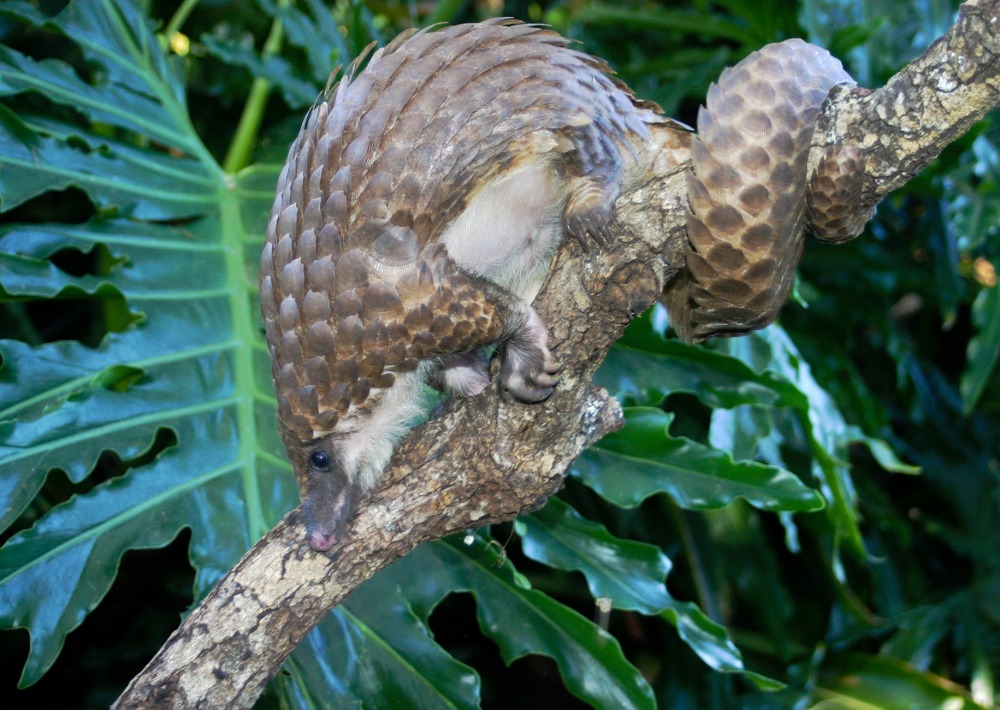
Other Mammals: The Boin Tano Forest Reserve, a protected area situated within the Tano Basin, is particularly rich in faunal species. Its mammalian inhabitants include various bat species such as the Aba roundleaf bat, Abo bat, and African yellow bat. Other notable mammals present are the African brush-tailed porcupine, African buffalo, African civet, African clawless otter, African giant squirrel, African golden cat, African palm civet, and African white-bellied pangolin. Ghana’s broader mammalian diversity also includes various antelope species like the bushbuck, roan antelope, and kobs, as well as numerous rodents and three species of pangolins (Giant, Long-tailed, and Tree pangolin).
The presence of critically endangered and evolutionarily distinct species like the Pygmy Hippopotamus and Miss Waldron’s Red Colobus elevates the Tano River Basin to a global conservation priority. The extremely low population numbers for pygmy hippos, with fewer than 12 individuals believed to survive in the Tano basin, and the precarious status of Miss Waldron’s Red Colobus, whose last individuals are thought to reside in the Tano area, signify that this region is a critical refuge for species on the brink of extinction. This highlights that conservation efforts in the Tano Basin are not merely of local importance but contribute significantly to global biodiversity preservation. Such a situation warrants targeted, urgent, and potentially international intervention to prevent irreversible losses of unique evolutionary lineages and to safeguard these irreplaceable components of the world’s natural heritage.
2.2 Ecological Roles and Habitat Associations
Pygmy hippos, as nocturnal browsers, play crucial ecological roles within the Tano Basin. They feed on terrestrial and semi-aquatic plants, and their activities contribute significantly to the ecosystem as seed dispersers and nutrient recyclers through the distribution of their dung. Their observed adaptation and successful breeding within the Tano River’s high forest ecosystem suggest a unique and vital ecological niche within this environment. They typically spend their days resting in moist or wet places, or on dry ground, often changing their sleeping locations weekly.
Primates, such as baboons, are known for their complex social structures and hold cultural significance within the region, with baboons considered symbolic guardians of the Tano River deity, Ta Kora. Forest elephants are recognized as ecosystem engineers, performing a vital role in habitat regeneration and shaping the forest structure through their movements and feeding habits. Mammals generally utilize waterholes, particularly during dry seasons, with large herbivores and primates typically visiting during the day, while carnivores and smaller herbivores are observed at night.
The critically low populations of species like the Pygmy Hippopotamus and Forest Elephants in the Tano Basin carry profound implications for the entire ecosystem. As the report indicates, Pygmy Hippos are crucial for seed dispersal and nutrient recycling, while Forest Elephants are vital for habitat regeneration. These are characteristic functions of keystone species or ecosystem engineers. The severe decline in their numbers, such as the pygmy hippo population estimated at fewer than 12 individuals, suggests a disproportionately large negative impact on the broader ecosystem, extending far beyond their direct trophic interactions. For instance, a reduction in seed dispersal by hippos could lead to alterations in forest composition and diversity over time, while fewer elephants might result in significant changes to forest structure and regeneration processes. This underscores that conservation efforts focused on these specific, highly endangered megafauna are not merely about preserving individual populations. Instead, they are fundamental to maintaining the overall health, resilience, and functional integrity of the Tano River Basin ecosystem, as their presence and ecological roles directly underpin the provision of essential ecosystem services.
The table below provides a summary of notable mammal species found in the Tano River Basin, highlighting their primary habitat associations, ecological roles, and current IUCN Conservation Status.
Table 1: Notable Mammal Species of the Tano River Basin and Conservation Status
| Species Name | Common Name | Primary Habitat Association | Ecological Role | IUCN Conservation Status |
| Choeropsis liberiensis | Pygmy Hippopotamus | Semi-aquatic, Forest | Browser, Seed Disperser, Nutrient Recycler | Critically Endangered (CR) |
| Piliocolobus badius waldronae | Miss Waldron’s Red Colobus | Forest | Herbivore | Critically Endangered (CR) |
| Loxodonta cyclotis | Forest Elephant | Forest, Savannah, Waterholes | Ecosystem Engineer, Habitat Regenerator | Vulnerable (VU) |
| Papio anubis | Olive Baboon | Forest | Omnivore, Cultural Symbol | Least Concern (LC) |
| Cercopithecus diana | Diana Monkey | Forest | Herbivore | Endangered (EN) |
| Colobus vellerosus | Ursine Colobus | Forest | Herbivore | Vulnerable (VU) |
| Procolobus badius | Red Colobus | Forest | Herbivore | Endangered (EN) |
| Aonyx capensis | African Clawless Otter | Aquatic, Riparian | Carnivore, Piscivore | Least Concern (LC) |
| Manis gigantea | Giant Pangolin | Forest | Insectivore | Least Concern (LC) |
| Manis tetradactyla | Long-tailed Pangolin | Forest | Insectivore | Least Concern (LC) |
| Manis tricuspis | Tree Pangolin | Forest | Insectivore | Least Concern (LC) |
3. Reptilian and Amphibian Fauna
3.1 Crocodilians: Species, Distribution, and Trophic Roles
Ghana’s diverse aquatic and terrestrial ecosystems provide habitats for several crocodile species. These apex predators play crucial roles in their respective food webs.
West African Slender-snouted Crocodile (Mecistops cataphractus): This species is currently classified as Critically Endangered (IUCN 3.1). It is described as a unique, elusive, and poorly understood crocodilian. Its distinctive long, slender snout is a specialized adaptation for capturing fish, which forms the primary component of its diet. While young crocodiles typically feed on small fish and invertebrates, adults are predominantly piscivorous, though they are known to opportunistically consume larger prey such as mammals, turtles, and birds when available. These crocodiles prefer forested rivers and other densely vegetated bodies of water, including freshwater lagoons, actively avoiding areas with significant human settlements. The species has a wide distribution across West Africa, including Ghana, with specific populations monitored in the Jimi River (Obuasi) and Tano River (Tanoso). Female slender-snouted crocodiles exhibit attentive parental care, laying approximately 16 eggs in mound nests at the onset of the annual wet season. They guard their nests until the offspring hatch, and upon hearing the hatchlings’ squeaking noises, the female uncovers the nest, gently scoops the young into her jaws, and transports them to the water. Major threats to this species include habitat loss, hunting, depletion of their prey base, and illegal consumption in bushmeat markets.
West African Dwarf Crocodile (Osteolaemus tetraspis): This species is listed as Vulnerable (VU) on the IUCN Red List. It inhabits diverse aquatic and riparian habitats within the rainforests of West and Central Africa. Dwarf crocodiles primarily consume insects, crabs, and other aquatic and terrestrial arthropods. As they mature, their diet undergoes an ontogenetic shift to include larger vertebrate prey. These crocodiles are crucial in linking the flow of nutrients and energy between aquatic and terrestrial food webs. They also exhibit ontogenetic shifts in habitat use, typically transitioning from nearshore or smaller aquatic habitats to deeper and larger ones as they grow. The dwarf crocodile is a significant food resource for many rural African communities and plays an important role in the commercial bushmeat trade.
Other Crocodilians: The Nile crocodile (Crocodylus suchus) is also recorded in Ghana. Culturally, crocodiles hold a unique position in local beliefs associated with the Tano River deity, Ta Kora. They are considered messengers of Ta Kora, and their presence on land, away from the river, is interpreted as an indication of impending bad news for the community. Interestingly, hippos, particularly females with calves, have been observed to aggressively drive out crocodiles from their pools or even kill them if they venture too close to hippo young.
The critically endangered or vulnerable status of both the West African Slender-snouted Crocodile and the West African Dwarf Crocodile underscores their role as important bioindicators of ecosystem health. As apex predators and species that facilitate the transfer of energy and nutrients between distinct aquatic and riparian ecosystems, their declining populations signal a broader degradation of both environments. This degradation impacts not only their prey populations but also the fundamental processes of nutrient cycling and energy flow across habitats. Therefore, the conservation of these crocodilians is not merely about preserving individual species but is crucial for maintaining the overall balance and resilience of the entire Tano Riverine ecosystem. The cultural significance of crocodiles as messengers, deeply embedded in local beliefs, further highlights their perceived connection to the health of the river by local communities, providing a valuable avenue for culturally-sensitive conservation engagement and public awareness campaigns.
3.2 Amphibians: Endemic and Threatened Species
Ghana’s diverse habitats, including those within the Tano River basin, provide homes for a variety of amphibians, which exhibit a wide array of colors and sizes. These creatures play a vital role in controlling insect populations and serve as an essential food source for birds and larger reptiles, contributing significantly to the ecosystem’s balance. The Upper Guinea Forest of West Africa, which encompasses parts of the Tano Basin, is particularly rich in endemic amphibian species, with 35 species unique to this region.
Several significant amphibian species have been identified in areas relevant to the Tano Basin, including the Boin Tano Forest Reserve.
The Giant Squeaker Frog (Arthroleptis krokosua): This species is a flagship for conservation efforts in Ghana and is currently listed as Critically Endangered (CR). The majority of recorded individuals (93% of 33 known individuals) are found in the Sui Forest, an area of critical importance for this species. The presence of gravid females and juveniles offers a glimmer of hope for its persistence, despite ongoing habitat reduction due to logging concessions. Conservation efforts for this species involve rallying local communities and the Forestry Commission to protect critical habitats, particularly hill sanctuaries that are legally exempt from logging.
The Ringed River Frog (Phrynobatrachus annulatus): This tiny species, measuring less than 30 mm, is listed as Endangered (EN) and is endemic to the Upper Guinea Rainforest. It has been recorded in only four countries: Côte d’Ivoire, Ghana, Guinea, and Liberia. In Ghana, it is known to occur in the Draw and Boi Tano Forest Reserves, confirming the need for persistent monitoring to update data on its biology, ecology, and geographical extent.
The Tai Forest Treefrog (Leptopelis occidentalis): This relatively large arboreal frog (36-72 mm) with a screeching call is listed as Near Threatened (NT). Both green and brown color variations have been observed. As an arboreal species, it is highly threatened by the constant felling of trees, a common issue in areas like the Sui Forest.
The Allen’s Slippery Frog (Conraua alleni): This elusive frog was first encountered in a temporary and shallow stream at an elevation of 350m above sea level, with an adult found near a school of tadpoles.
The Gaboon Caecilian (Geotrypetes seraphini): This limbless amphibian was recorded for the first time in the Sui Forest, a significant discovery. Although listed as Least Concern (LC), its habitat is rapidly changing due to logging and agricultural intensification, rendering it locally threatened. The use of herbicides and pesticides by local farmers, who heavily rely on inorganic farming, is identified as a major threat to this species.
The presence of a significant number of endemic and critically endangered amphibian species, such as the Giant Squeaker Frog and Ringed River Frog, in the Tano River basin highlights the region’s unique ecological value and its irreplaceable contribution to global biodiversity. The high concentration of these species, particularly those confined to the Upper Guinea Forest, means that the Tano Basin serves as a crucial stronghold for amphibian diversity. The threats they face, such as habitat loss from logging and agricultural expansion, and chemical pollution from pesticides, directly impact the survival of these sensitive species. This situation underscores the urgent need for targeted conservation interventions that not only protect their specific habitats but also address broader landscape-level threats. The decline of these amphibians, often considered environmental indicators due to their permeable skin and reliance on clean water, would signal a widespread degradation of the ecosystem, affecting other faunal groups and the overall health of the Tano River system.
3.3 Other Reptiles
Beyond crocodilians, Ghana’s varied ecosystems, including those within the Tano River basin, are home to numerous other reptile species, both venomous and non-venomous. These reptiles play a critical role in balancing the delicate ecosystems, particularly in controlling rodent and other small mammal populations, thereby maintaining the balance of the food chain.
Notable snake species found in Ghana include the forest cobra, Gaboon viper, and the African rock python. The Boin Tano Forest Reserve, within the Tano Basin, is also rich in reptilian species. A comprehensive list of reptiles in Ghana includes various skinks (e.g., Senegal skink, Guinea skink, Tropical skink), and a wide array of snake genera such as
Afronatrix (African brown water snake), Grayia (Smith’s African water snake), Natriciteres (Collared marsh snake, Olive marsh snake), and Philothamnus (Emerald green snake, Spotted bush snake). Other families represented include burrowing asps (
Atractaspis), house snakes (Boaedon), and sand racers (Psammophis).
Turtles and tortoises are also part of Ghana’s reptilian fauna, with different species found in freshwater habitats, along the coastline, and roaming savannas and forests.
4. Avian Diversity
The Tano River Basin, with its diverse habitats ranging from dense forests to riverine areas, is a significant haven for birdlife, contributing to Ghana’s impressive avifauna of over 750 recorded species. The region is particularly noted as a birdwatching paradise, supporting a wide array of resident, rare, and migratory birds.
The Boin Tano Forest Reserve, a protected area within the Tano Basin, has been designated an Important Bird Area (IBA) by BirdLife International due to its support for significant populations of numerous bird species. The reserve’s warm and humid climate, characterized by grasslands mixed with shrublands and forests, provides diverse microhabitats for avian communities.
Specific bird species of interest in Ghana, many of which are likely to inhabit the Tano River Basin due to its forest and riverine characteristics, include:
- Endemic and Near-Endemic Species: Ghana is home to several endemic or near-endemic bird species, meaning they are found exclusively or almost exclusively in Ghana or a few neighboring countries. These include the White-necked Rockfowl (Yellow-headed Picathartes), Yellow-bearded Greenbul, Green-tailed Bristlebill, Rufous-winged Illadopsis, and Black-bellied Seedcracker. The Yellow-headed Picathartes is considered a star attraction for birdwatchers.
- Forest Species: Dense forest habitats support species like Pel’s Fishing Owl, Akun and Fraser’s Eagle Owl, Congo Serpent Eagle, Long-tailed Hawk, and various hornbills (Yellow Casqued, Brown-cheeked, Western Long-tailed, Western Piping, Red-billed Dwarf, Black-and-white-casqued, Black-casqued). Other forest inhabitants include the Great Blue Turaco, Yellow-billed Turaco, Chocolate-backed Kingfisher, African Dwarf Kingfisher, and various greenbuls (Yellow-bearded, Green-tailed Bristlebill, Grey-headed Bristlebill, Western Bearded, Spotted, Swamp Palm, Plain, Little Grey, White-throated, Icterine).
- Water-Associated and Migratory Birds: The Tano River and its associated wetlands attract numerous water birds. These include the Egyptian Plover, Giant Kingfisher, African Blue Flycatcher, Common Gonolek, Snowy-crowned Robin Chat, African Paradise Flycatcher, and various flycatchers (Pale, Swamp, Lead-coloured). During migratory seasons, Ghana’s wetlands, rivers, and coastal areas become crucial refugia for migratory species such as the colorful European bee-eater, graceful black-tailed godwit, and distinctive pied avocet. Other water-dependent species include White-faced whistling-duck, Knob-billed duck, Hartlaub’s duck, Egyptian goose, Spur-winged goose, African pygmy-goose, and various herons (Grey Heron, Green-backed Heron, Great Egret, Intermediate Egret).
- Other Notable Species: The basin’s diverse landscape supports a wide range of other birds, including various coucals (Black-throated, Senegal, Blue-headed), nightjars (Brown, Standard-winged), bee-eaters (Black, Rosy, Northern Carmine, Blue-headed, Red-throated, Blue-moustached), and a variety of sunbirds (Tiny, Johanna’s, Superb, Bates’s, Yellow-chinned, Buff-throated, Collared, Green-headed, Olive, Olive-bellied, Variable).
The Tano River’s scenic banks provide an ideal setting for birdwatching, allowing visitors to enjoy the sounds of nature in an unspoiled environment. The rich avian diversity underscores the ecological health and importance of the Tano Basin as a critical habitat for both resident and migratory bird populations in West Africa.
5. Ichthyofauna (Fish)
The Tano River and its basin support a diverse array of freshwater fish species, contributing to Ghana’s rich ichthyofauna, which includes 28 families, 73 genera, and 157 species across its freshwater systems. While a comprehensive, specific list for the Tano River basin is not fully detailed in the provided information, several species are known to inhabit Ghanaian rivers and are likely present in the Tano.
Notable fish species identified in the Tano River or broader Ghanaian freshwater systems include:
- Cichlids: Tylochromis jentinki is a species of fish belonging to the Cichlidae family, found in coastal rivers from Gambia to the Tano River in Ghana. This species can reach a maximum length of 27 cm (11 in) and is classified as Least Concern (IUCN 3.1). Other cichlids likely present are the Nile tilapia ( Oreochromis niloticus) and spotted tilapia (Pelmatolapia mariae), both omnivorous and common in fresh waters.
- Catfish: The North African catfish (Clarias gariepinus) is a large carnivorous species, reaching up to 90 cm, known for its ability to breathe air and survive in mud, and is intensively used in aquaculture. Chrysichthys nigrodigitatus is another culturally important catfish species.
- Lungfish: The West African lungfish (Protopterus annectens) is a carnivorous species capable of breathing out of water and surviving dry seasons by silting up in a mucus cocoon.
- Tetras: The African long-finned tetra (Bryconalestes longipinnis) is an omnivorous species with carnivorous tendencies, sometimes found in brackish water.
- Polypteridae: Species like Polypterus endlicherii and Polypterus senegalus are carnivorous fish also found in Ghanaian freshwaters.
- Other Freshwater Species: General freshwater fish species of West Africa that may inhabit the Tano include Bayad, Denticle herring, Featherfin squeaker, and various species from genera like Enteromius, Paramphilius, and Raiamas.
Culturally, fish hold deep significance for the local Bono people, who revere the Tano River and its deity, Ta Kora. Fish are considered the “children of Ta Kora,” and there is a solemn maxim stating, “From the river whose fish we do not eat, we do not [even] take a [gold] nugget,” demonstrating the extent of their reverence. Fishing is completely prohibited in some sections, like the Tano and Koraa rivers in the Brong-Ahafo area, due to these beliefs.
Despite this cultural reverence, the fish fauna of the Tano River faces severe threats, particularly from illegal small-scale gold mining, locally known as “galamsey.” Studies have revealed appreciable levels of trace metals, including chromium (Cr), arsenic (As), and mercury (Hg), in the Tano Basin’s water and sediment. Critically, these metals have been found to biomagnify in fish muscles, with levels of Cr, As, and Hg often exceeding acceptable limits for fish consumption. For instance, chromium concentrations ranged from 16.10 ± 0.2 mg/kg in
Clarias gariepinus to 57.9 ± 4.2 mg/kg in Sarotherodon galilaeus, while mercury levels were as high as 2.52 ± 0.70 mg/kg in Ctenopoma kingsleyae. This heavy metal contamination poses significant health risks to local communities who depend on fish from the river for their protein needs. The pollution has also visibly changed the river’s natural color to brown.
The presence of significant levels of heavy metals like mercury, arsenic, and chromium in the Tano River’s fish populations, directly linked to illegal mining activities, reveals a critical disruption of the aquatic food web and poses a direct threat to human health. The biomagnification of these toxic substances means that as energy flows up the food chain, the concentration of pollutants increases, making fish at higher trophic levels particularly hazardous for consumption. This situation has severe implications for both the ecological integrity of the river and the socio-economic well-being of riparian communities. The contamination not only impacts the survival and reproductive success of fish species but also undermines a traditional food source, potentially leading to nutritional deficiencies and long-term health problems for local populations. The cultural reverence for fish and the river, as seen in the prohibition of fishing in certain areas, stands in stark contrast to the environmental degradation caused by human activities. This highlights a profound disconnect between traditional ecological knowledge and modern unsustainable practices, emphasizing the urgent need for interventions that protect both the river’s biodiversity and the health of the communities reliant upon it.
6. Ecosystem Dynamics and Food Webs
The Tano River Basin encompasses a complex network of terrestrial and aquatic ecosystems, each contributing to an intricate food web that sustains its diverse fauna. The base of these food webs consists of both autotrophic components, such as phytoplankton and aquatic plants, and detrital components derived from decaying plant and animal matter. Energy transfer occurs through various strategies, including detritivory, herbivory, predation, and omnivory, across multiple trophic levels.
In African riverine ecosystems, food webs are typically characterized by autochthony (energy derived from within the system), short food chains, and a tendency towards omnivory. However, human activities are increasingly altering these dynamics. For instance, deforestation of forested headwater streams can lead to shifts from allochthony (energy derived from outside the system, like riparian vegetation) to autochthony.
The Tano River’s food web includes:
- Primary Producers: Aquatic plants and phytoplankton form the base, converting light energy into biomass.
- Primary Consumers (Herbivores/Detritivores): Various invertebrates, some fish species (e.g., spotted tilapia with alguivorous tendencies ), and larger herbivores like Pygmy Hippos that browse on terrestrial and semi-aquatic plants.
- Secondary Consumers (Carnivores/Omnivores):
- Fish: Many fish species are carnivorous, such as North African catfish, Polypterus species, and West African lungfish. Some, like African long-finned tetra, are omnivorous with carnivorous tendencies.
- Amphibians: Frogs and toads consume insects, playing a role in controlling insect populations.
- Reptiles: Crocodilians, particularly West African Slender-snouted Crocodiles, are primarily piscivorous, while Dwarf Crocodiles consume insects, crabs, and other arthropods, shifting to larger vertebrates as they mature. Snakes control rodent populations.
- Birds: Fish-eating birds like Pel’s Fishing Owl and Giant Kingfisher prey on aquatic life. Other birds consume insects, fruits, or smaller vertebrates.
- Mammals: Carnivores like the African golden cat and African civet prey on smaller animals. Omnivores like baboons consume a varied diet.
- Apex Predators: Crocodilians (Nile, Slender-snouted, Dwarf) occupy top positions in the aquatic food web. Large terrestrial carnivores, though not explicitly detailed for the Tano, would also occupy high trophic levels.
The intricate balance of this food web is increasingly threatened by human activities. Illegal small-scale gold mining (“galamsey”) introduces toxic substances like mercury, lead, arsenic, and chromium into the river system. These heavy metals accumulate in aquatic organisms and biomagnify up the food chain, leading to elevated concentrations in fish and posing significant health risks to human consumers. This contamination disrupts the delicate trophic interactions, potentially reducing biodiversity and altering ecosystem functioning.
Furthermore, habitat degradation through deforestation and agricultural expansion directly impacts the availability of basal resources and alters the physical structure of habitats, affecting species at all trophic levels. The proliferation of invasive species, such as water hyacinth, further compounds these issues by blocking water bodies, which can disrupt aquatic food webs and lead to economic and ecological problems.
The Tano River Basin’s food web, characterized by multiple trophic pathways and a relatively long food chain, indicates a stable trophic niche structure. However, the observed changes in trophic diversity and dynamics, particularly the biomagnification of heavy metals from illegal mining, highlight a severe disruption to this stability. The accumulation of pollutants at higher trophic levels not only jeopardizes the health of top predators but also compromises the integrity of the entire food web, potentially leading to cascading effects throughout the ecosystem. This situation demonstrates that human activities are fundamentally altering the energy flow and nutrient cycling within the basin, moving it away from its natural state. Addressing these impacts requires a comprehensive understanding of these complex trophic interactions and targeted interventions to restore ecological balance and protect both biodiversity and the ecosystem services it provides.
7. Threats to Biodiversity
The rich biodiversity of the Tano River Basin faces a multitude of significant and interconnected threats, primarily driven by human activities and their environmental consequences.
7.1 Illegal Mining (Galamsey)
Illegal small-scale gold mining, locally known as “galamsey,” is identified as one of the most pervasive and destructive issues in the Tano Basin. These rudimentary gold extraction methods result in severe ecological degradation and the release of toxic substances into the environment.
- Water Pollution: Galamsey operations are a major contributor to water pollution in the Tano River. The use of hazardous compounds like mercury and cyanide in gold extraction directly contaminates the water. Studies have detected appreciable levels of trace metals, including mercury (Hg), cadmium (Cd), arsenic (As), chromium (Cr), and lead (Pb), in the Tano Basin’s water and sediments. This pollution changes the river’s natural color to a muddy brown turbidity.
- Impact on Aquatic Life: The elevated levels of heavy metals have severe implications for aquatic organisms. Mercury and lead concentrations in water and fish samples have been found to exceed acceptable guideline thresholds for aquatic life. These metals biomagnify in fish muscles, with Cr, As, and Hg levels often higher than permissible limits for human consumption, posing significant health risks to local communities who rely on fish for protein. The pollution affects fish health and other aquatic organisms, disrupting the food web.
- Habitat Destruction: Galamsey activities cause deforestation and habitat destruction along riverbanks and surrounding areas, leading to soil degradation and biodiversity loss.
- Health Risks: Local populations near galamsey sites face health risks due to contaminated drinking water and impacts on agriculture. Miners themselves suffer from occupational health issues, including exposure to hazardous compounds, leading to kidney problems, respiratory disorders, and other illnesses.
7.2 Habitat Degradation and Fragmentation
Beyond direct pollution, broader land use practices contribute significantly to habitat degradation and fragmentation within the Tano Basin.
- Deforestation and Logging: The basin’s primary rainforest and biodiversity have undergone significant changes due to human activity over the past few decades. Logging and timber harvesting, often carried out by timber companies with concessions, have affected the natural ecosystem to a crucial point. This loss of forest cover directly impacts arboreal species, such as the Tai Forest Treefrog, which is highly threatened by constant tree felling.
- Agricultural Expansion: Agriculture, particularly extensive cocoa farming, is the main activity in the basin and often occurs in protected areas. The expansion of cropland and unsustainable agricultural methods lead to further habitat loss and fragmentation. This encroachment reduces available space and resources for wildlife, intensifying human-wildlife conflict.
- Invasive Species: The proliferation of invasive alien species, particularly water hyacinth, poses a significant threat to the Tano River and its lagoon complex. Water hyacinth blocks water bodies, leading to economic and ecological problems by disrupting aquatic ecosystems and potentially outcompeting native flora and fauna.
7.3 Human-Wildlife Conflict
As human populations expand and natural habitats shrink, the interface between human settlements and wildlife areas intensifies, leading to increased human-wildlife conflict (HWC).
- Crop Raiding: Elephants and hippos are known to engage in crop raiding, which is a major source of conflict. Elephants, needing large areas to roam and forage, may trample or feed on crops as agricultural lands expand into their natural habitats. Hippos, particularly the Pygmy Hippopotamus in the Tano Basin, also raid farms, causing significant losses for farmers and eliciting fear and resentment.
- Retaliatory Killings: The losses incurred from crop raiding often lead to retaliatory attacks against wildlife, including the use of snares to trap and kill animals. This directly impacts already threatened or endangered species.
- Direct Confrontation: Hippos are highly territorial and known for aggressively protecting their habitats and young. When humans encroach on hippo habitats, there is potential for violent confrontations, leading to human harm or injury, and subsequent retaliatory killings of hippos. Crocodiles also instill fear and can be involved in direct confrontations, leading to lethal control measures.
- Competition for Resources: Human and wildlife compete for limited natural resources, especially water, in areas experiencing increased human and livestock populations. This competition can force wildlife into human-dominated areas, increasing conflict frequency.
The pervasive and interconnected nature of these threats—from the direct poisoning of aquatic ecosystems by illegal mining to the widespread destruction of habitats by agriculture and logging, and the resulting human-wildlife conflicts—creates a complex and urgent conservation challenge in the Tano River Basin. The cumulative impact of these activities is not merely a reduction in species numbers but a fundamental alteration of ecological processes and a severe degradation of the natural capital upon which both wildlife and human communities depend. The continued loss of forest cover, for instance, not only affects biodiversity but also exacerbates climate change by reducing carbon sequestration potential. This intricate web of threats underscores that addressing any single issue in isolation will likely be insufficient. A holistic, integrated approach is required, one that recognizes the interdependencies between environmental health, human livelihoods, and the long-term sustainability of the Tano Basin’s unique biodiversity.
8. Conservation Efforts and Management Strategies
Recognizing the escalating threats to its biodiversity, various conservation efforts and management strategies have been initiated within and around the Tano River Basin, focusing on habitat protection, community involvement, and direct species conservation.
8.1 Protected Areas and Reserves
Several forest reserves have been established within the Tano Basin to protect critical habitats, particularly river headwaters. These include:
- Boin Tano Forest Reserve: Located in the Western North Region of Ghana, this 129 km² nature reserve, established in 1968, is rich in both floral and faunal species. It is designated an Important Bird Area (IBA) by BirdLife International, supporting significant populations of numerous bird species.
- Tano Suraw Forest Reserve: Protects the headwaters of the River Suraw.
- Tano Suhien Forest Reserve: Safeguards the River Suhien headwaters.
- Disue Forest Reserve: Protects the headwaters of the River Disue.
- Ankasa Conservation Area: While not directly within the Tano Basin, this ancient rainforest in southwestern Ghana is the most biodiverse protected area in the country and serves as a critical reference point for wet evergreen forest conservation in the region. It is home to forest elephants, leopards, bongo, chimpanzees, and a rich avifauna, with its streams being important breeding grounds for many fish species. Its management highlights the challenges of external pressures from increasing human populations and land use changes.
These protected areas are crucial for in-situ conservation, providing refugia for species and maintaining ecological processes.
8.2 Species-Specific Conservation Initiatives
Targeted efforts are underway for some of the basin’s most endangered species:
- Pygmy Hippopotamus Conservation: A significant project, “Community Conservation Efforts to rebuild and maintain socio-ecological production landscapes along the Tano River Basin,” focuses on the protection of the endangered pygmy hippopotamus. This initiative aims to generate baseline data on hippo population status and trends using camera trapping and radio telemetry to track movements, estimate home ranges, and determine habitat use. The project also seeks to explore suitable habitats and wildlife corridors, particularly between communities around Tepa, Maheme, and the Kwaku Nyuma Reserves.
- Amphibian Conservation: Organizations like “Save Ghana Frogs” are devoted to the research and conservation of threatened amphibians, such as the Critically Endangered Giant Squeaker Frog, primarily found in the Sui Forest. Their approach involves rallying local communities and the Forestry Commission to protect critical areas and address threats like logging.
8.3 Community Involvement and Sustainable Livelihoods
A cornerstone of effective conservation in the Tano Basin is the integration of local communities, recognizing their direct reliance on natural resources and their role as stewards of the environment.
- Community-Based Natural Resource Management: Projects aim to enhance biodiversity conservation and promote sustainable land management by building key stakeholder partnerships on natural resource management governance. This includes strengthening local institutions through capacity building, technical assistance, and information dissemination.
- Alternative Livelihoods: To reduce pressure on natural resources, initiatives promote sustainable and alternative livelihood enterprises. Examples include training unemployed youth in bamboo craft making, supporting beekeeping and mushroom production, and training farmers in plantain sucker multiplication and grasscutter farming. Enrichment planting on degraded riverine forests with bamboo is also undertaken.
- Environmental Education and Awareness: Extensive environmental education and awareness campaigns are crucial. This involves holding regular community forums, organizing workshops for Project Management Committees on Community Resource Management Area (CREMA) policies and regulations, and conducting behavioral change workshops for youth and women on environmentally friendly land use. Innovative communication tools, such as a “Tano River Hippopotamus Football League” where teams are named after indicator animal species, are used to promote conservation messages. Inter-school competitions, songs, and T-shirts with conservation messages also contribute to awareness.
- Human-Wildlife Conflict Mitigation: Addressing human-wildlife conflict is a critical component. For elephants, strategies include educating communities on their value, promoting better agricultural practices, and implementing anti-crop raiding techniques like chilli pepper fences and bells. For hippos, the project uses Participatory Rural Appraisal (PRA) to gain community support and facilitate community-led implementation, aiming to protect hippos and the riverine ecosystem while ensuring local communities benefit from sustainable land use practices. Success in mitigating human-wildlife conflict heavily relies on building trust among stakeholders, including government, communities, and conservation organizations, and establishing legitimate governance frameworks for resource sharing and conflict resolution.
The conservation efforts in the Tano River Basin, particularly those focused on community involvement and sustainable livelihoods, demonstrate a crucial understanding: the long-term success of biodiversity protection hinges on the active participation and economic well-being of local communities. By empowering local institutions and providing viable alternative livelihoods, these initiatives aim to reduce the direct pressures on natural resources that often stem from poverty and lack of alternatives. This approach acknowledges that conservation cannot be effective if it is perceived as detrimental to human survival. Furthermore, the emphasis on building trust and legitimacy among diverse stakeholders is paramount, as historical conflicts or perceived injustices can undermine even the best-intentioned conservation programs. When communities feel ownership over conservation efforts and perceive tangible benefits, their willingness to tolerate wildlife and adhere to sustainable practices increases significantly. This integrated strategy, combining protected areas with community-led initiatives and conflict mitigation, represents a robust framework for fostering human-wildlife coexistence and ensuring the ecological integrity of the Tano Basin for future generations.
9. Conclusions
The Tano River Basin is a region of immense ecological significance, characterized by its diverse habitats and rich faunal assemblages, including globally endangered species such as the Pygmy Hippopotamus and Miss Waldron’s Red Colobus. The varied topography, double rainfall maxima, and mosaic of forest and riverine ecosystems create a complex environment that supports a wide array of mammals, reptiles, amphibians, birds, and fish, each playing critical roles in the basin’s intricate food webs.
However, the basin’s biodiversity is under severe and escalating threat from anthropogenic pressures. Illegal small-scale gold mining (galamsey) stands out as a primary driver of environmental degradation, leading to widespread water pollution with heavy metals that biomagnify through the aquatic food web, posing significant risks to both aquatic life and human health. Extensive habitat degradation from unsustainable agricultural expansion and logging further fragments critical ecosystems, reducing available space and resources for wildlife. These pressures, coupled with the proliferation of invasive species like water hyacinth, disrupt ecological processes and intensify human-wildlife conflict, particularly through crop raiding by elephants and hippos.
The transboundary nature of the Tano River underscores that environmental impacts in one country inevitably affect the other, necessitating a regional, collaborative approach to conservation. The presence of critically endangered and evolutionarily distinct species elevates the Tano Basin to a global conservation priority, demanding urgent and targeted interventions to prevent irreversible losses of unique lineages. The ecological roles of keystone species like the Pygmy Hippopotamus and Forest Elephants are fundamental to the basin’s health, meaning their decline has disproportionately large negative impacts on the entire ecosystem. Similarly, crocodilians serve as vital bioindicators, their precarious status signaling broader environmental degradation.
Effective conservation strategies in the Tano Basin must be integrated and multi-faceted. They involve the establishment and effective management of protected areas, coupled with species-specific initiatives for highly threatened fauna. Crucially, these efforts must deeply involve local communities, recognizing their reliance on natural resources. By fostering community-based natural resource management, promoting sustainable alternative livelihoods, and implementing comprehensive environmental education, conservation efforts can build trust and legitimacy, leading to increased community participation and reduced human-wildlife conflict. The long-term sustainability of the Tano River Basin’s unique biodiversity and the well-being of its human populations depend on a harmonious balance between socio-economic development and robust environmental protection.


