



I. Executive Summary
The Tano River, a vital transboundary basin shared by Ghana and Côte d’Ivoire, serves as a critical socio-economic and ecological lifeline for millions of people. Its rich aquatic ecosystems support diverse livelihoods, with fishing playing a significant role in local communities. However, the river’s resources are under immense pressure from a confluence of factors, necessitating a delicate balancing act between human needs and environmental preservation. The challenges facing the Tano River’s fisheries are not isolated but form a complex web of interacting stressors, where illegal mining, invasive species, and overfishing mutually exacerbate their impacts on both the ecosystem and dependent communities. Despite robust policy frameworks and stated commitments to sustainable management, a significant disparity exists between regulatory intentions and their effective implementation on the ground, particularly concerning illegal fishing and mining activities. This report systematically examines the traditional and modern fishing methods employed, details the severe challenges posed by overfishing, destructive practices, and environmental degradation, and evaluates current and proposed initiatives aimed at fostering long-term sustainability. The findings underscore the urgent need for integrated, multi-stakeholder approaches that blend indigenous ecological wisdom with scientific management to secure the Tano River’s future and the well-being of its riparian communities.
II. Introduction: The Tano River Basin – A Lifeline Under Pressure
The Tano Basin represents a geographically extensive and ecologically rich transboundary river system, predominantly situated within Ghana, covering approximately 14,875 km² of its total 16,060 km² area. The Tano River, stretching about 512 km, originates from the Boyem Mountain Ranges near Techiman and flows southwestward, ultimately discharging into the Ehy/Tano/Aby Lagoon complex, largely located in Côte d’Ivoire. This basin exhibits varied topography, ranging from highlands in its upstream areas to flatter, low-lying regions towards the south, and its geological composition, primarily Precambrian basement complex rocks, influences groundwater dynamics. Administratively, the Ghanaian portion of the Tano Basin is distributed across six regions and 29 District and Municipal Assemblies.
The Tano Basin is an ecologically and economically vital region, underpinning the livelihoods of millions through a diverse array of socio-economic activities. Agriculture stands as the primary occupation for over 27% of the population, with cocoa being a dominant cash crop, complemented by oil palm, rubber, and various food crops. Forestry and timber processing also constitute significant industries in the basin’s forested zones. The region is rich in mineral resources, particularly gold, but the pervasive nature of illegal mining, locally known as “galamsey,” contributes substantially to water pollution. Tourism, featuring attractions such as the Ankasa Resource Reserve, further diversifies the economic landscape. Fisheries, though traditionally practiced and limited in scale, are explicitly recognized as a vital activity sustaining local communities. The basin’s rich terrestrial and aquatic ecosystems provide essential services, including water supply, biodiversity, and climate regulation, which are fundamental to the region’s overall health and productivity.
The Tano Basin’s diverse economic activities, including agriculture, forestry, mining, and fisheries, are intricately linked, often leading to competition for or degradation of shared natural resources. For instance, the widespread illegal mining directly compromises the river’s ecological health, thereby impacting fisheries and water availability for other sectors. This means that managing the fisheries sector cannot be done in isolation; a holistic approach is required because the “balancing act” extends beyond just fishing methods to broader resource management across all economic sectors operating within the basin. Furthermore, while the Tano Basin provides critical ecosystem services such as water supply and biodiversity, these fundamental natural assets are increasingly imperiled by unsustainable land use, pollution, illegal mining, and invasive species. This erosion of natural capital undermines the very foundation of socio-economic well-being in the region, emphasizing that the “balancing act” is about preserving the fundamental natural resources and services upon which all life and livelihoods in the Tano Basin depend.
This report aims to comprehensively explore the traditional and modern fishing methods employed on the Tano River, analyze the multifaceted challenges leading to overfishing and environmental degradation, and examine the various initiatives promoting sustainable practices. The central theme is the “balancing act” required to sustain both human livelihoods and the ecological integrity of this critical river system.
III. The Tano River Ecosystem and its Communities
The Tano River is renowned for its ecological richness, meandering through lush landscapes and verdant forests, providing a habitat for diverse flora and fauna. The basin’s terrestrial environment comprises semi-deciduous dense forests, dry dense forests, and areas of farmlands and degraded lands. To safeguard critical aquatic resources, several forest reserves, including Boin Tano, Tano Suraw, Tano Suhien, and Disue Forest Reserves, have been established to protect river headwaters. The river supports a variety of fish species, including
Tylochromis jentinki, categorized as Least Concern by the IUCN, and Malapterurus tanoensis, an electric catfish listed as Endangered, indicating the presence of both relatively stable and vulnerable populations within its waters.
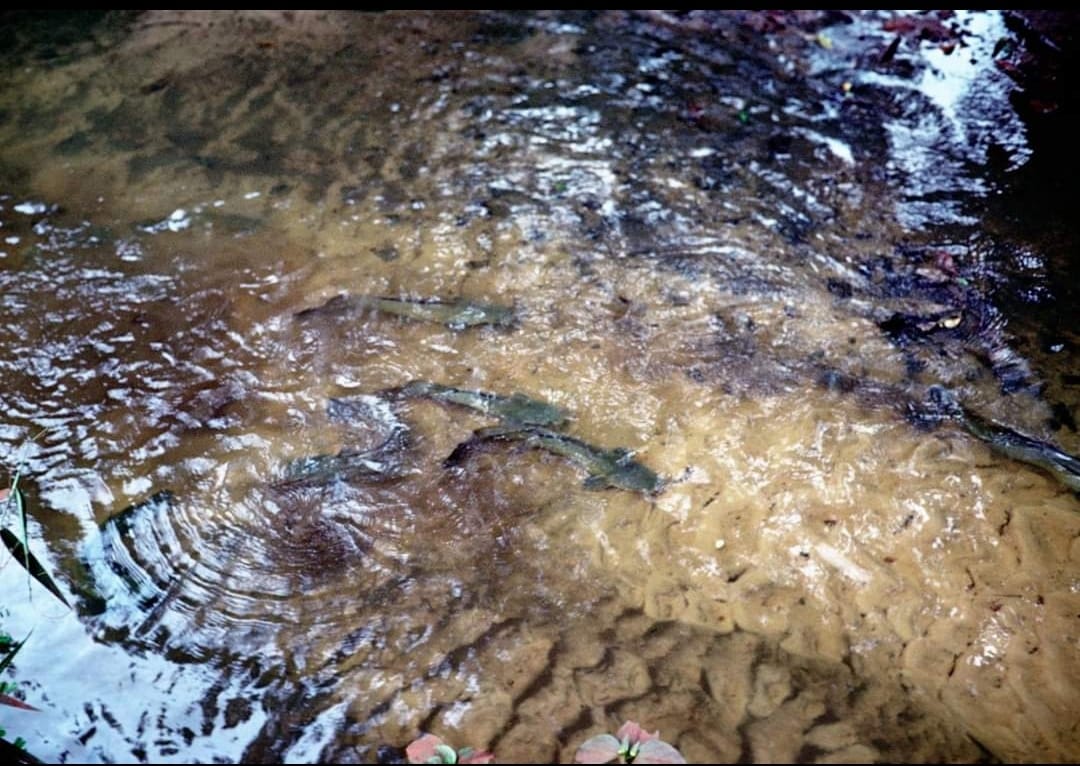
However, the ecological health of the Tano River is a significant concern due to pervasive pollution. A notable incident in January 2020 saw a truck carrying sulfuric acid plunge into the river, leading to public health warnings against water consumption and resulting in the death of numerous aquatic animals, including fish and crocodiles. While the river was reportedly restored after this event, it highlights its vulnerability. More alarmingly, ongoing pollution from illegal small-scale gold mining, or “galamsey,” has visibly altered the river’s natural color to a muddy brown. These mining activities introduce elevated levels of heavy metals such as chromium, arsenic, and mercury into the water, sediment, and fish. Studies have detected concentrations of these metals in fish that exceed acceptable levels, posing significant non-carcinogenic and carcinogenic health risks to consumers. The problem is exacerbated by mining operations occurring directly on the riverbed, violating established buffer zone regulations.
Another major ecological and economic challenge stems from invasive species, particularly water hyacinth (Eichhornia crassipes). This invasive plant forms dense mats that block water bodies, obstructing water transportation, fishing, and farming activities, and contributing to a reduction in biodiversity.
Fishing practices in the Tano Basin are predominantly traditional and of limited scale, yet fishing and fish trading constitute major livelihood activities for communities residing along the Tano River and its associated lagoons. The broader Ghanaian fishing industry is economically vital, contributing approximately 1.2% to the national GDP and employing over 2.7 million people, thereby providing a crucial source of protein for the population, with an average per capita consumption of 25 kg per year—one of the highest in sub-Saharan Africa. Women play an indispensable role in the fishing value chain, frequently managing household finances and investing in their children’s education through income derived from fishing.
The Tanoso community, located along the Tano River, exemplifies a profound cultural and spiritual connection to the waterway. They revere the Tano River as a deity and uphold a strict taboo against fishing in its waters, believing the fish embody their souls. This tradition, meticulously passed down through generations and reinforced by community education and penalties for violations, has historically served as an effective indigenous conservation mechanism, protecting the river and its fish stock for centuries. This long-standing cultural practice, which has historically ensured sustainability, stands in stark contrast to the widespread and severe pollution from illegal mining and the pervasive challenges posed by invasive water hyacinth, which are modern, human-induced degradations. This highlights a fundamental conflict between traditional ecological wisdom and contemporary economic pressures and environmental neglect that undermine both the river’s health and traditional practices.
The presence of heavy metals like chromium, arsenic, and mercury in fish from the Tano River, with concentrations exceeding acceptable levels, poses significant non-carcinogenic and carcinogenic health risks to consumers. This directly links environmental degradation to public health and food safety, creating a severe paradox where a primary protein source for the population becomes a health hazard, thereby undermining the very food security that fishing is supposed to provide. This transforms the food security challenge from one of mere availability to one of safety and quality, deepening the understanding of the crisis and emphasizing the severe ripple effects of environmental pollution on human well-being.
IV. Fishing Practices on the Tano: A Historical and Modern Perspective
Traditional Fishing Methods
Indigenous fishing practices in Ghana are recognized as crucial for fisheries sustainability, often integrating scientific approaches with ancestral ecological wisdom. These methods, many of which are common across African rivers and applicable to the Tano, reflect an intimate understanding of fish behavior and aquatic environments, and many are inherently sustainable.
Common traditional fishing gear and methods include:
- Spears: These are among the most widely used traditional fishing gears across Africa. Early spear points were crafted from wood, bone, horn, or ivory, later evolving to metal tips, typically featuring backwardly pointed serrations to prevent fish from escaping.
- Hooks and Lines: Rural fishers traditionally employ natural materials such as curved thorns, fish bones, carved wood, shell, bone, rhinoceros beetle horns, or eagle beaks/talons as hooks for line fishing. “Gorges,” double-pointed pieces of wood, bone, or shell tied off-centre, are also widely used in central Africa and could be applied in Ghana. Handlines and trolling lines are explicitly listed as common hook and line methods in Ghanaian waters.
- Traps and Barriers: Constructed from natural materials like reeds, papyrus, or sticks, these barriers are commonly used in Africa to guide fish into enclosures or traps where they can be speared. They are also strategically placed to intercept breeding and feeding migrations, typically set when water levels recede. Traditional fish traps often come in two primary designs: trumpet-shaped “constriction traps” for fast-flowing water, and conical “valve traps” with a funnel-shaped entrance that allows fish to enter but not exit.
- Nets: Archaeological evidence suggests that meshed nets have been in use in Africa for over 6,500 years, indicating their long history. Fishing nets are broadly categorized into active types (e.g., scoop, lift, cast, seine, purse, trawl) and passive types (e.g., drift, tangle, gill nets). Tangle nets, traditionally handmade from plant fibers, entangle fish spines. Specifically in Ghanaian waters, conical “castnets” are widely used, with variations like “faan-yaa” (river or lagoon net) and “dzenge” (without pouch), operated from shore, water, or canoes in shallow areas to catch species such as tilapia and mullet.
A powerful example of indigenous conservation is the Tanoso community’s cultural taboo against fishing in the Tano River. They view the fish as their souls and the river as a deity, a tradition that has demonstrably protected the river and its fish stock for generations. This practice, enforced by communal education and penalties for violations, highlights the deep cultural significance and inherent sustainability aspects of many traditional fishing methods.
Modern Fishing Methods and Their Evolution
Ghana’s fishing industry has undergone a significant transformation, evolving from primarily artisanal fisheries in the 1700s, which relied on simple gear, to a more diversified sector today that includes artisanal, semi-industrial, and industrial subsectors. While artisanal fishing still dominates, accounting for approximately 70% of the total catch, the introduction of more advanced technologies has become increasingly prevalent.
A discernible shift is occurring wherein traditional fishing methods, often characterized by their inherent sustainability and deep ecological understanding, are being supplanted by more technologically advanced yet frequently destructive practices. This transition, driven by escalating demand from a growing population and intense competition, jeopardizes the long-term viability of fish stocks and the very resource base that historical practices sought to preserve. Modern, “ruthlessly efficient” gear, such as multi- and monofilament gillnets, giant seine and trawl nets, insecticide-impregnated mosquito nets, explosives, and synthetic poisons, are increasingly replacing traditional methods. Industrial trawlers, often equipped with sophisticated sonar systems and longlines, possess the capacity to fish at much greater depths than artisanal vessels, leading to the depletion of fish stocks at rates faster than they can replenish. This represents a significant erosion of inherent sustainability, as practices designed for immediate, larger catches directly undermine the long-term health of fish stocks and the very resource base that traditional methods sought to protect.
The profound cultural reverence for the Tano River and its associated conservation taboos within communities like Tanoso stands in stark contrast to the widespread adoption of destructive modern methods, such as the use of chemicals and explosives in other areas. This divergence frequently stems from economic desperation and the perceived inability to compete with larger, often illegal, industrial operations. Fishermen resorting to these illegal methods explicitly state their rationale: “We stubbornly use DDT and carbide because of the Chinese vessels on the sea. We can’t stand the competition with just our nets. We won’t catch anything if we don’t use these chemicals”. This creates a complex interplay between cultural heritage, immediate economic survival, and environmental degradation, highlighting that this is not merely a choice of methods, but a tragic feedback loop where the desperate act of trying to survive leads to further resource degradation, eroding both the environment and traditional ways of life.
Table 1: Traditional Fishing Methods and Their Characteristics in Ghanaian Rivers (with Tano Relevance)
| Method | Description/Characteristics | Sustainability Aspect/Cultural Relevance | Relevant Snippet IDs |
| Spears | Widely used in Africa; initially wood, bone, ivory; later copper/iron; often serrated tips to prevent escape. | Generally selective and low-impact; relies on skill and knowledge of fish behavior. | |
| Hooks & Lines | Rural fishers use natural materials (curved thorns, fish bones, carved wood, shell, bone, rhinoceros beetle horns, eagle beaks/talons); Gorges (double-pointed wood/bone/shell). Handlines and trolling lines are common. | Selective, low bycatch; minimal habitat disruption; often for subsistence or small-scale commercial use. | |
| Traps & Barriers | Made from natural materials (reeds, papyrus, sticks); guide fish into enclosures; intercept migrations; set on receding water levels; trumpet-shaped constriction traps; conical valve traps. | Passive, selective, and often designed to allow smaller fish to pass; utilizes natural water flow and fish movement patterns. | |
| Nets (Traditional) | Meshed nets with ancient origins (6,500+ years ago); active (scoop, lift, cast, seine, purse, trawl) or passive (drift, tangle, gill); tangle nets handmade from plant fibers; Castnets (faan-yaa with pockets, dzenge without pockets), operated from shore/canoe in shallow waters. | Can be selective depending on mesh size; traditionally made from natural fibers; often operated with intimate knowledge of local fish populations and seasons. | |
| Cultural Taboo (Tanoso) | Prohibition of fishing in the Tano River, viewing it as a deity and fish as souls; enforced by community rules and fines. | Powerful indigenous conservation mechanism; ensures long-term protection of fish stocks and river ecosystem; demonstrates deep cultural connection to resource. |
V. Challenges to Sustainable Fishing on the Tano
The pursuit of sustainable fishing on the Tano River is severely hampered by a complex interplay of environmental degradation, unsustainable fishing practices, and socio-economic vulnerabilities. These challenges create a precarious situation for both the river’s ecosystem and the communities dependent on it.
Overfishing and Fish Stock Depletion
Ghana’s vital fishing industry is currently at a “tipping point,” grappling with the severe consequences of overfishing, the impacts of climate change, and the increasing complexities of modern trade and regulation. Marine fish production across Ghana has been on a downward trajectory since 1999, with total fish exports experiencing a sharp decline from a peak of USD 120 million in 2003 to just USD 44 million by 2014. This indicates that a significant portion of Ghana’s fishery resources are “heavily overexploited,” leading to a reduction in overall production and a diminished contribution to the national GDP.
The decline is particularly pronounced for small pelagic fish populations, such as sardinella, which have suffered catastrophic reductions, with a 59% decrease in Ghana between 1993 and 2019. One species, Sardinella aurita, is reported to have completely collapsed. Scientific assessments warn of the imminent collapse of the broader fishery if urgent interventions are not implemented. The primary driver of overfishing is excessive fishing effort and overcapacity, meaning that too many vessels are operating, resulting in too few fish being caught per unit of effort. For instance, the number of canoes in artisanal fisheries has increased by 44%, a factor that significantly contributes to dwindling catches. Beyond direct fishing pressure, the ability of overfished populations to rebuild is further hindered by compounding factors such as habitat degradation, pollution, climate change, and disease.
Destructive and Illegal Fishing Practices
The Tano River, like other Ghanaian waters, is plagued by destructive and illegal fishing practices that severely undermine sustainability.
- ‘Saiko’ Fishing: This illicit practice involves industrial trawlers illegally targeting small pelagic fish, which are typically the main catch for local canoe fishers. These catches are then transshipped at sea to specially adapted canoes and sold to local communities. ‘Saiko’ fishing is inherently unsustainable, directly undermines artisanal livelihoods, and results in substantial lost state revenue, with an estimated 100,000 metric tonnes of illegal and unreported catches in 2017 alone, valued at US$34-65 million.
- Use of Fine-Mesh Nets: The widespread deployment of illegal fine-mesh nets indiscriminately catches juvenile fish before they reach maturity and spawn, a practice that significantly contributes to stock depletion. Industrial trawlers are reportedly using these small-mesh nets, directly impacting the fish populations that are crucial for local canoe fishers.
- Chemicals and Explosives: Despite being banned in Ghana, the illegal use of chemicals like DDT and carbide, and explosives such as dynamite, persists among some fishermen to enhance their catch. These substances kill fish indiscriminately, causing them to float for easy collection. They are highly toxic, persist in the aquatic environment, and pose severe health risks to consumers due to bioaccumulation in fish tissues. Fishermen admit to resorting to these dangerous methods out of desperation, citing intense competition from larger vessels and dwindling fish stocks as primary motivations.
- Illegal, Unreported, and Unregulated (IUU) Fishing: IUU fishing is a pervasive and economically damaging issue in Ghana, leading to estimated losses of USD 100 million annually. It poses an enormous threat to dwindling fish stocks and marine ecosystems, causing habitat degradation, disruption of food webs, and contributing to poverty in fishing communities. Foreign vessels, often linked to Chinese ownership, are heavily implicated in IUU fishing, frequently encroaching upon traditional artisanal fishing zones and employing illegal methods.
A detrimental feedback loop is evident, where the severe decline in fish stocks and intense competition from large-scale industrial fishing compel artisanal fishers to resort to illegal and destructive methods. These actions, undertaken out of immediate necessity, paradoxically accelerate the depletion of resources and further degrade the aquatic environment, perpetuating a cycle of hardship. This complex human dimension is central to understanding the “balancing act” required for sustainable management.
Environmental Degradation and Pollution
The Tano River ecosystem is under severe stress from various forms of environmental degradation and pollution.
- Illegal Mining (Galamsey): Small-scale illegal gold mining, known as “galamsey,” is a widespread and significant source of pollution in the Tano Basin. These activities visibly change the river’s color to brown and introduce elevated levels of heavy metals such as mercury, arsenic, chromium, lead, and cadmium into the water, sediment, and fish. Mining operations often take place directly on the riverbed, violating critical buffer zone regulations. This pollution is highly detrimental to aquatic ecosystems, endangers fish populations, and compromises food security due to contaminated fish, posing direct health risks to consumers.
- Invasive Species (Water Hyacinth): The invasion of water hyacinth (Eichhornia crassipes) in the Tano River and Tano Lagoon poses a significant ecological and economic threat to riparian communities. It forms dense mats that block waterways, impeding fishing and farming activities. This leads to reduced access to fishing grounds, delays in preparatory work, siltation of fishing traps, diminished fish supply, and reduced profits for fishers and traders. In some instances, farmers have even abandoned their lands due to the severity of the invasion. While a small minority of fishers paradoxically perceive water hyacinth to increase fish supply by offering shelter, the overall impact on livelihoods is overwhelmingly negative.
- Climate Change and Ocean Warming: Rising sea surface temperatures are causing significant geographic shifts in fish populations. For example, Sardinella aurita populations have been observed migrating at an average rate of 181 km per decade, seeking deeper, colder waters. This phenomenon directly reduces the maximum catch potential for local fishers and necessitates increased travel time and effort to find fish. Ocean acidification also contributes to diminished fishery abundance and diversity in Ghanaian waters.
Socio-Economic Vulnerabilities
The severe decline in fish stocks and pervasive environmental degradation directly threaten the livelihoods of millions dependent on Ghana’s fishing sector. Fishers and fish traders face reduced income, increased travel time, and in extreme cases, the abandonment of farming and fishing activities due to the water hyacinth invasion. A “poverty trap” dynamic is evident: communities reliant on a dwindling resource base are compelled to intensify their efforts, which further depletes the resource, while simultaneously contending with rising operational costs and diminished profitability. The scarcity of fish has driven up prices, exacerbating food insecurity for the wider population. Moreover, the use of poisonous chemicals in fishing compromises food safety and poses direct health risks to consumers. Industrialized, capital-intensive fishing disrupts the traditional economic and social organization of local fishing communities, leading to reduced incomes, conflicts, social exclusion, and undermining the social identity of women who play a vital role in the post-harvest sector.
Despite the existence of comprehensive legal frameworks and government commitments to regulate fishing and mining, the persistent prevalence of illegal, unreported, and unregulated (IUU) fishing and illicit mining (galamsey) points to a significant systemic weakness in enforcement and governance. This deficiency is compounded by opaque corporate structures that enable illicit operations and, in some instances, a lack of political will, presenting a formidable obstacle to achieving sustainable resource management. This suggests that the problem is not merely a lack of awareness or policy, but a deep-seated governance challenge, including issues of corruption and lack of political will, which is a crucial and complex element of the “balancing act.”
Table 2: Major Threats to Tano River Fisheries and Their Impacts
| Threat Category | Specific Impacts | Relevant Snippet IDs |
| Overfishing | Declining fish stocks (e.g., 59% decline in small pelagics, Sardinella aurita collapse), reduced catch per unit effort, economic hardship for fishers, increased fish prices, food insecurity. | |
| Destructive Fishing Practices | ||
| Saiko Fishing | Undermines artisanal fishing, unsustainable, significant lost state revenue, reduced employment opportunities for Ghanaians. | |
| Fine-Mesh Nets | Indiscriminate catch of juvenile fish, prevents spawning, contributes to stock depletion, potential “ecological disaster.” | |
| Chemicals/Explosives | Kills fish indiscriminately, highly toxic to aquatic life, bioaccumulation in fish, severe health risks (carcinogenic, non-carcinogenic) to human consumers. | |
| IUU Fishing | Extensive economic damage (estimated USD 100M/year), degradation of marine ecosystems (habitat loss, food web destruction), declining fish stock, contribution to poverty in fishing communities, unfair competition for artisanal fishers. | |
| Environmental Degradation | ||
| Illegal Mining (Galamsey) | Severe water pollution (turbidity, color change), heavy metal contamination (Mercury, Arsenic, Chromium, Lead, Cadmium) in water, sediment, and fish, endangers fish populations, compromises food security due to contaminated fish, poses direct health risks to consumers. | |
| Water Hyacinth Invasion | Blocks waterways, denies access to fishing grounds, causes delays in fishing operations, leads to fishing trap siltation, results in low fish supply and reduced profit, leads to farm abandonment, reduces fish quality. | |
| Climate Change/Ocean Warming | Geographic shift of fish populations (e.g., Sardinella aurita migration), reduced maximum catch potential, diminished fishery abundance and diversity, increased travel time/effort for fishers, ocean acidification. | |
| Socio-Economic Vulnerabilities | Reduced income, increased travel time, farm/fishing abandonment, poverty trap, soaring fish prices, food insecurity, compromised food safety, disruption of local economic/social organization, social exclusion. |
VI. Initiatives Promoting Sustainable Practices and Conservation
Addressing the multifaceted challenges facing the Tano River’s fisheries necessitates a concerted and integrated approach, drawing upon government policies, community engagement, and the support of non-governmental organizations.
Government Policies and Regulatory Frameworks
Ghana has demonstrated a commitment to sustainable fisheries management through the establishment of national fisheries management plans, including the 2015-2019 and the more recent 2022-2026 Marine Fisheries Management Plans. These plans serve as sectoral instruments designed to ensure the long-term conservation of fish stocks, enhance food and nutritional safety, and contribute to national poverty reduction efforts. Key objectives outlined within these frameworks include reducing excessive pressure on fish stocks, ensuring exploitation remains within biologically acceptable levels, and implementing robust fisheries legislation to protect the nation’s fish resources.
The Ministry of Fisheries and Aquaculture Development (MoFAD) and the Fisheries Commission (FC) are the principal implementing agencies responsible for monitoring, control, surveillance, evaluation, and compliance across all aspects of fisheries development and management in Ghana, including fish health, post-harvest activities, safety, and quality assurance. Ghana has also committed to banning bottom trawling and other industrial fishing practices from its waters, while simultaneously doubling the size of its inshore exclusion zone (IEZ) from six to twelve nautical miles to protect artisanal fishing areas. Furthermore, a bill has been submitted to parliament requiring beneficial ownership of industrial fishing boats to be verified before licenses are granted, aiming to curb illegal foreign operations. The government has also implemented measures such as temporary closed fishing seasons to allow marine life to recover.
Despite these policy efforts, a significant challenge remains in the effective implementation and enforcement of regulations, particularly in inland fisheries. The national fisheries policy and interventions have historically been skewed towards the marine subsector, leading to underappreciation and undervaluation of inland fisheries in resource planning and decision-making. This has resulted in a consultative form of co-management that has largely failed to prevent overfishing in both marine and freshwater areas. Recognizing this, there is a stated commitment to transition towards a more bottom-up approach to fisheries management, involving greater delegation of authority to resource users and other stakeholders in decision-making processes, acknowledging the unique ecological, socio-economic, and cultural characteristics of different fisheries.
Community-Based Conservation and Management
Community-based initiatives are crucial for fostering sustainable fishing practices, especially given the deep cultural connections many communities have with the Tano River. The Tanoso community’s traditional taboo against fishing in the Tano River, rooted in their belief that the fish embody their souls and the river is a deity, serves as a powerful, centuries-old example of indigenous conservation. This tradition, actively maintained through community education and enforcement, has effectively protected the river and its fish stock for generations. Such indigenous ecological wisdom is increasingly recognized as vital for fisheries sustainability and is being harmonized with scientific approaches.
Efforts are underway to strengthen local institutions and promote community-managed programs. For instance, projects aim to enhance biodiversity conservation and promote sustainable land use practices in Tano River basin communities by building stakeholder partnerships on natural resource management governance. These initiatives include establishing community nurseries, training unemployed youth in sustainable crafts (e.g., bamboo craft), and providing training and support for alternative livelihoods such as beekeeping, mushroom production, and organic aqua ponds to reduce dependency on destructive practices like mangrove cutting. Community fora are also held to promote environmental education and enact local rules and regulations (by-laws) for resource management. The concept of community-based fisheries management (CBFM) is being promoted, building upon past experiences to develop and implement local management plans that improve conditions at landing sites and manage artisanal fisheries. The formation of Community-Based Fisheries Management Committees (CBFMCs) and strong collaboration with national fisher associations are key components of Ghana’s Co-Management Policy for the Fisheries Sector.
Role of Non-Governmental Organizations (NGOs) and International Partnerships
Various NGOs and international organizations play a significant role in promoting sustainable fishing practices and conservation efforts in Ghana.
- Sustainable Fisheries Management Project (SFMP): Led by the United States Agency for International Development (USAID) and implemented by partners like Hen Mpoano, this five-year project aims to rebuild Ghana’s marine fisheries stocks and catches by facilitating the adoption of responsible fishing practices. It aligns with Ghana’s development objectives and USAID’s Feed the Future (FtF) Initiative, focusing on improving legal frameworks, increasing the use of science for decision-making and enforcement, heightening public awareness, and implementing applied management initiatives.
- Aquaculture Stewardship Council (ASC) and Chamber of Aquaculture Ghana (COA): A strategic Memorandum of Understanding (MoU) between ASC and COA aims to transform farmed fish production towards sustainability, traceability, and global market alignment. Their Improver Programme helps local fish farms enhance practices in sustainability, food safety, and social responsibility, with the goal of achieving ASC certification and accessing international markets. This partnership seeks to position Ghana as a regional leader in “Blue Foods,” empowering the sector with tools and knowledge for environmentally and socially responsible operations.
- Threatened Species Conservation Alliance (THRESCOAL): This organization is actively involved in restoring the upstream section of the Tano River, spanning over a 50km stretch within the Bono East Region. Supported by various donors, THRESCOAL has successfully replanted over 30 hectares of degraded areas, with a goal to restore at least 350 hectares to sustain rural livelihoods and promote biodiversity conservation.
- Water Resources Commission (WRC): The WRC has drawn up an Integrated Water Resources Management Plan for the Tano Basin, which includes interventions to address challenges like the proliferation of water weeds. The National Water Hyacinth Control Committee (NWHCC), under the Environmental Protection Agency (EPA), has also been involved in managing invasive aquatic weeds like water hyacinth, including efforts to prevent their spread and generate appropriate control technologies.
- Other Organizations: The Sustainable Fisheries Partnership (SFP) and the International Seafood Sustainability Foundation (ISSF) are global NGOs committed to safeguarding marine and aquatic ecosystems, maintaining fish stocks, reducing fishing impact, and protecting livelihoods. While their primary focus is often broader marine fisheries, their principles and tools for sustainable sourcing, capacity management, and illegal fishing prevention are relevant to addressing challenges in riverine systems like the Tano.
VII. Conclusions and Recommendations
The Tano River Basin faces a profound challenge in balancing the socio-economic needs of its communities with the urgent imperative of ecological conservation. The analysis reveals a complex interplay of traditional practices, modern exploitation, and severe environmental degradation. While traditional methods, exemplified by the Tanoso community’s taboo, offer models of inherent sustainability rooted in cultural reverence, these are increasingly overshadowed by the destructive impacts of modern fishing gear, illegal, unreported, and unregulated (IUU) fishing, and rampant illegal mining (galamsey). The pervasive pollution from galamsey, in particular, introduces toxic heavy metals into the aquatic food web, posing significant health risks to consumers and undermining the very food security that fishing is meant to provide. This situation is further compounded by the invasive water hyacinth, which disrupts livelihoods and exacerbates ecological imbalances, and the overarching pressures of climate change, which alter fish habitats and migration patterns.
A critical observation is the significant gap between existing policy frameworks and their effective enforcement on the ground. Despite government commitments to regulate fishing and combat illegal activities, the persistence of destructive practices points to systemic weaknesses in governance, accountability, and potentially, political will. The economic desperation of artisanal fishers, driven by dwindling stocks and unfair competition from industrial fleets, often compels them to resort to illegal methods, creating a self-reinforcing cycle of degradation.
To navigate this precarious balancing act and foster sustainable fishing practices on the Tano River, a multi-pronged, integrated, and adaptive approach is essential. The following recommendations are put forth:
- Strengthen and Enforce Regulatory Frameworks:
- Intensify Anti-Galamsey Operations: Implement stringent and sustained enforcement measures against illegal mining activities within the Tano Basin, ensuring strict adherence to buffer zone policies. This requires inter-ministerial collaboration (e.g., Ministry of Lands and Natural Resources, Ministry of Fisheries and Aquaculture Development) and robust monitoring systems to prevent the release of heavy metals and other pollutants into the river.
- Combat IUU Fishing and Destructive Practices: Enhance surveillance and enforcement capabilities to effectively deter and penalize illegal fishing methods, including ‘saiko’ fishing, the use of fine-mesh nets, and the application of chemicals or explosives. This includes transparent prosecution of offenders and addressing opaque corporate structures that facilitate illegal foreign operations.
- Prioritize Inland Fisheries Management: Develop and adequately fund a dedicated national fisheries management plan for inland waters, including the Tano River, to address the historical neglect of this subsector. This plan should include specific regulations on gear types, mesh sizes, and fishing seasons tailored to the riverine ecosystem.
- Integrate Indigenous Knowledge with Scientific Management:
- Formalize and Support Traditional Conservation: Recognize, document, and formally integrate indigenous conservation practices, such as the Tanoso community’s fishing taboo, into broader river basin management plans. Provide incentives and support to communities that uphold such sustainable traditions.
- Co-Management Models: Transition from purely consultative co-management to models that genuinely empower local communities and resource users with shared authority and responsibility in decision-making and enforcement. This fosters a sense of ownership and leverages local ecological knowledge.
- Promote Livelihood Diversification and Capacity Building:
- Develop Alternative Livelihoods: Invest in programs that provide viable alternative income-generating opportunities for fishing communities, reducing their sole reliance on dwindling fish stocks. Examples include aquaculture, beekeeping, mushroom production, and sustainable agriculture, as demonstrated by existing initiatives.
- Enhance Sustainable Aquaculture: Support the expansion of sustainable aquaculture practices, particularly fish farming, to supplement wild-capture fisheries and improve food security. This includes technical assistance, access to finance, and market linkages for certified products.
- Improve Post-Harvest Practices: Address challenges related to fish quality degradation due to water hyacinth and lack of proper storage. Promote improved fish-smoking technologies and other value-addition initiatives to enhance economic returns and reduce post-harvest losses.
- Address Environmental Threats Comprehensively:
- Water Hyacinth Control: Implement an interactive, participatory management approach to control water hyacinth, involving farmers, district authorities, traditional leaders, and rural development agencies. This should include both mechanical removal and biological control methods, alongside community-led efforts to clear waterways.
- Climate Change Adaptation: Support research and implement adaptation strategies to mitigate the impacts of climate change on fish populations, such as monitoring fish migration patterns and exploring climate-resilient aquaculture species.
- Foster Multi-Stakeholder Collaboration and Transparency:
- Inter-Agency Coordination: Enhance coordination among various government agencies (e.g., Fisheries Commission, Water Resources Commission, Environmental Protection Agency, Ministry of Lands and Natural Resources) to ensure a holistic approach to river basin management.
- NGO and International Partnership: Continue to leverage the expertise and resources of international and local NGOs and development agencies (e.g., USAID, ASC, THRESCOAL, SFP, ISSF) to implement sustainable fisheries projects, capacity building, and advocacy.
- Data Collection and Monitoring: Strengthen scientific research and data collection on fish stocks, water quality, and environmental parameters within the Tano River to inform adaptive management decisions and track progress towards sustainability goals.
By embracing these recommendations, Ghana can move closer to achieving a sustainable balance on the Tano River, ensuring the long-term health of its aquatic ecosystems and the prosperity of its dependent communities.


