



Executive Summary
The Tano River, a vital transboundary watercourse shared by Ghana and Côte d’Ivoire, represents an indispensable resource with profound cultural, ecological, and socio-economic significance. It serves as a lifeline for tens of thousands of people, supports critical agricultural activities, and harbors unique biodiversity, including critically endangered species. However, the river’s health and vitality are under severe threat from a confluence of anthropogenic pressures, primarily illegal small-scale mining (galamsey), unsustainable agricultural practices, extensive deforestation, and the proliferation of invasive species like water hyacinth. These challenges are exacerbated by the overarching impacts of climate variability and existing gaps in governance, enforcement, and inter-agency coordination.
This report provides a comprehensive analysis of these threats and outlines actionable policy recommendations for governments and diverse stakeholders. It advocates for a paradigm shift from reactive interventions to proactive, integrated, and multi-stakeholder management strategies. Key recommendations include strengthening regulatory frameworks and enforcement through advanced monitoring and deterrents, decentralizing governance to empower local communities, promoting sustainable land and water use practices, fostering robust transboundary cooperation, investing in targeted research and technological innovation, and securing sustainable financing mechanisms coupled with economic incentives for green livelihoods. By adopting these holistic and collaborative approaches, Ghana and Côte d’Ivoire can safeguard the Tano River’s long-term ecological integrity, ensure the well-being of dependent communities, and preserve its invaluable cultural heritage for future generations.
1. Introduction: The Tano River – A Vital Shared Resource
Geographical and Cultural Significance
The Tano River, also known as Tanoé in French, is a significant transboundary watercourse in West Africa. It stretches approximately 400 kilometers (250 miles) from its source near the town of Traa, a suburb of Techiman in Ghana’s Bono East Region, flowing southward through the Ashanti and Western Regions. Its journey culminates in its entry into the Atlantic Ocean via the Ehy, Tendo, and Aby Lagoons in Côte d’Ivoire, forming the final kilometers of the international land boundary between Ghana and Côte d’Ivoire. The river basin encompasses an estimated area of about 15,083 square kilometers, with approximately 93% of its drainage area situated within Ghana and the remaining 7% in Côte d’Ivoire, highlighting its shared nature and the necessity of bilateral management.
Beyond its hydrological function, the Tano River holds immense cultural and spiritual importance for the Akan and Ashanti people. In African mythology, the river is not merely a physical entity but is personified and revered as a sacred being, the deity Tano. This spiritual connection symbolizes the life-giving force of water and the profound link between human existence and the natural world. The influence of Tano is deeply embedded in the cultural practices, rituals, and stories of the Akan people, playing a central role in their understanding of nature and spirituality. The river is closely associated with agriculture, fertility, and the sustenance of life, with communities often seeking its blessings for prosperity. Traditional festivals dedicated to Tano continue to be celebrated in contemporary Ghana, showcasing cultural heritage and strengthening community ties by honoring the river’s vital role in agriculture and overall well-being. This enduring reverence extends into modern environmental advocacy, where traditional knowledge underscores the imperative to protect natural water sources. The recognition of the Tano River’s spiritual and ecological importance has inspired initiatives aimed at preserving its ecosystem, demonstrating how deep-seated cultural values can be a powerful catalyst for conservation efforts.
Ecological and Socio-Economic Importance
The Tano River functions as a critical riparian ecosystem, providing essential services to both its diverse wildlife and the numerous local communities that depend on it. It serves as the main source of drinking water for over 50,000 people across seven communities within the Bono East Region of Ghana. Economically, the river is indispensable for agriculture, particularly for irrigating farms during dry seasons, thereby playing a pivotal role in sustaining local livelihoods in farming-dominated areas. Agriculture, especially extensive cocoa farming, is the predominant economic activity in the basin, accounting for approximately 70% of the labor force.
Ecologically, the Tano basin’s evergreen forests are crucial for environmental conservation, contributing significantly to carbon sequestration and the reduction of greenhouse gas emissions. The riparian ecosystem is a hotspot of biodiversity, providing habitat for several species of international conservation concern. These include the Critically Endangered West African slender-snouted crocodile, which notably has its largest known population outside a protected area within the Tano River itself, as well as the Critically Endangered hinge-backed tortoise, the Endangered White-bellied pangolin, and the Vulnerable West African dwarf crocodile. The area also supports a rich avian population, with 162 bird species, and a variety of beautiful insects. The profound reliance of human communities on the Tano River for water, food, and economic stability, alongside its role as a sanctuary for unique and threatened species, underscores a fundamental interdependence. Any degradation of the river, whether through pollution or habitat destruction, inevitably jeopardizes not only the distinct biodiversity but also human health, food security, and the economic stability of the communities that rely on it. Therefore, protecting the river is not merely an environmental obligation but a foundational element of socio-economic development, public health, and poverty reduction.
The Imperative for Sustainable Management
The multifaceted importance of the Tano River—encompassing its cultural heritage, ecological richness, and socio-economic contributions—underscores an urgent need for a comprehensive and sustainable management approach. Such an approach must be designed to protect its delicate ecological integrity, ensure the long-term viability of the livelihoods it supports, and preserve its invaluable cultural heritage. Sustainable management must inherently consider both upstream and downstream impacts, particularly given its critical transboundary nature with Côte d’Ivoire, to ensure the enduring health and vitality of this shared resource.
2. Critical Challenges Threatening the Tano River’s Health
Pollution from Illegal Mining (Galamsey)
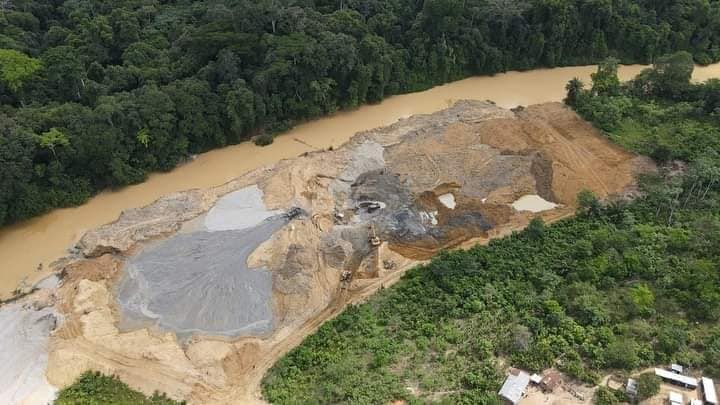
Illegal small-scale gold mining, locally known as “galamsey,” constitutes the most profound and destructive threat to the Tano River’s ecological health and the well-being of its dependent communities. These unregulated activities have drastically altered the river’s once clear waters, turning them a murky brown with alarming reductions in aquatic life. Investigations have revealed widespread violations of environmental regulations, with mining operations occurring directly on riverbeds and within prohibited buffer zones, such as the mandated 50-meter setback from water bodies. This leads to the direct discharge of mining residue and pollutants into the river. For instance, water samples taken near Elubo have shown turbidity levels exceeding 100 times the accepted standard for drinking water.
The crude gold extraction methods employed in galamsey introduce a cocktail of highly toxic pollutants into the water. These include mercury, cyanide, and various heavy metals such as lead, copper, iron, cadmium, arsenic, and zinc. These substances severely degrade water quality, disrupt the aquatic food chain, and lead to bioaccumulation in fish, with mercury concentrations in fish reportedly three times higher than safe levels. The physical alteration of riverbeds through excavation processes further exacerbates the damage, destroying natural habitats, disrupting fish spawning grounds, and altering water flow and temperature, which in turn leads to rapid declines and even local extinction of fish populations, including endemic species. Sedimentation from mining activities also reduces light penetration, causing oxygen depletion and suffocating aquatic organisms.
The socio-economic consequences are dire. Reduced fish catches directly impact food security and drive up prices, forcing many community members to seek alternative livelihoods. Paradoxically, this economic desperation can push individuals into engaging in illegal mining themselves, perpetuating a vicious cycle of environmental degradation and poverty. The pervasive nature of galamsey is often linked to limited formal employment opportunities in rural areas, creating a situation where the very activity that provides short-term income simultaneously undermines the long-term viability of traditional livelihoods such as fishing and farming. This localized socio-economic and environmental crisis extends beyond Ghana’s borders, polluting shared rivers and creating diplomatic tensions with neighboring Côte d’Ivoire. The pollution of the Tano and Bia Rivers by Ghanaian illegal miners has significantly impacted Côte d’Ivoire’s water supply and the Abidjan lagoon, necessitating high-level discussions and the establishment of joint technical expert subcommittees between the two nations.
Furthermore, the polluted rivers pose severe health risks to communities reliant on them for drinking water, irrigation, and daily activities. Exposure to these toxic chemicals can lead to various cancers, mercury poisoning (affecting renal, nervous, gastrointestinal, and respiratory systems), respiratory conditions like silicosis, and increased incidence of water-borne diseases due to stagnant mining pits serving as mosquito breeding grounds.
Table: Major Pollutants from Illegal Mining and Their Impacts on the Tano River
| Pollutant | Primary Source(s) | Key Environmental Impacts | Key Human Health Impacts |
| Mercury | Gold extraction (crude methods), industrial wastes, agricultural wastes | Bioaccumulation in aquatic life, disruption of aquatic food chain, water quality degradation | Mercury poisoning (renal, nervous, gastrointestinal, respiratory system damage), various cancers |
| Cyanide | Gold extraction processes | Highly toxic to aquatic life, disrupts aquatic food chain, water quality degradation | Acute poisoning, various health problems |
| Sediment/Silt | Excavation, land disturbance, erosion from mining sites | Increased water turbidity (100x standard), oxygen depletion, habitat destruction, altered water flow, increased flood risk | Contamination of drinking water, increased water-borne diseases (stagnant pits) |
| Lead | Industrial effluent discharges, agricultural runoffs, mining | Water pollution, bioaccumulation | Health risks from ingestion, various cancers, neurological damage |
| Cadmium | Agricultural runoffs (pesticides, fertilizers), industrial effluent | Water pollution, bioaccumulation | Health risks from ingestion, kidney and liver lesions |
| Arsenic | Industrial effluent discharges, natural sources, agricultural | Highly toxic and carcinogenic to aquatic life | Carcinogenic properties, various health problems |
| Iron | Mining activities, natural weathering | Water discoloration, taste/odor issues, ecosystem disruption | Potential health risks from high concentrations |
| Zinc | Industrial effluent discharges, paints, pharmaceuticals, batteries | Water pollution, ecosystem disruption | Potential health risks from high concentrations |
Export to Sheets
Unsustainable Agricultural Practices and Runoff
Agriculture remains the dominant economic activity in the Tano basin, characterized by extensive commercial farming of crops such as cocoa, plantain, cassava, maize, and oil palm, often extending into protected areas. This reliance on agriculture, while vital for livelihoods, presents a significant environmental challenge. A major concern is the conversion of over 80% of the riparian vegetation in the upstream section of the Tano River into farmland, leaving the remaining forest patches highly vulnerable. This extensive conversion reduces the natural filtering capacity of the land and increases direct runoff into the river.
Farmers frequently resort to intensive application of chemical fertilizers and other agrochemicals, including pesticides and weedicides, to address agricultural challenges and boost yields. This practice, however, has severe negative repercussions on both human health and the environment, contributing to habitat loss and species decline. Agricultural runoffs are a major contributor to heavy metal and metalloid pollution in freshwater bodies, introducing elements such as lead and cadmium from pesticides and fertilizers into the river system. Furthermore, poor cultivation practices contribute significantly to land degradation and soil erosion, which in turn lead to increased sediment and nutrient loading in streams, directly deteriorating the river’s water quality. The very activity that sustains the communities is simultaneously undermining the natural resource upon which its long-term viability depends. This highlights a critical need for a transformative approach to agricultural practices, one that promotes and incentivizes climate-smart and sustainable farming methods, provides targeted education and extension services to farmers, and integrates agricultural planning seamlessly with broader water resource and land management strategies. The objective must be to foster a symbiotic relationship where agriculture thrives in harmony with the river’s health.
Deforestation and Land Degradation in the Basin
The forest cover within the Tano River Basin is indispensable for environmental conservation and plays a vital role in local climate regulation. However, human activities over the past few decades have led to significant and rapid changes to the basin’s primary rainforest and biodiversity. Logging, unsustainable timber harvesting, extensive cocoa farming, and gold mining within the forest belt have severely impacted the natural ecosystem, complicating the effective management of the area’s natural resources.
Quantitative data from Global Forest Watch illustrates the severity of this issue: Tano North experienced a substantial 45% decrease in its natural forest area from 2002 to 2024, with 100% of tree cover loss directly attributed to deforestation drivers. Similarly, Tano South lost 9.4% of its humid primary forest during the same period. This widespread deforestation is not an isolated environmental issue but a trigger for a destructive chain of events. The removal of forest cover directly leads to increased soil erosion. This eroded soil and associated nutrients are then transported into the river, increasing sediment and nutrient loading. This increased load fundamentally alters the river’s hydrology, causing aggradation (the build-up of sediment), channel shifts, and bank erosion, which in turn exacerbates flood risks. The reduction in vegetative cover along water bodies, compounded by increasing pollution from domestic and industrial waste, further contributes to increased sediment and nutrient loading, leading to a deterioration in the natural water bodies’ quality. This demonstrates a clear causal pathway where land use changes far from the riverbanks have direct, severe, and compounding impacts on the river itself and the communities reliant on it. Effective river management, therefore, cannot be confined to the river channel or its immediate banks alone; it requires an integrated land-use planning and enforcement strategy that spans the entire river basin.
The Menace of Invasive Species (Water Hyacinth)
The invasion of water hyacinth (Eichhornia crassipes) in the River Tano and its associated lagoons (Tano Lagoon, Ehy Lagoon, Aby Lagoon) presents a significant and growing ecological and economic threat. This invasive species forms dense mats that block water bodies, impeding water flow and access. Its proliferation severely impacts smallholder farming, leading to the destruction of farm produce (reported by 81.8% of affected farmers), reduced access to farmlands, increased travel time for farmers, and in some cases, the complete abandonment of farms. The invasion directly results in reduced farmers’ incomes and a pessimistic outlook on future living conditions if the problem persists.
Beyond agriculture, water hyacinth poses substantial challenges to fishing activities and boat operations, making movement almost impossible during peak invasion seasons. The water hyacinth invasion, an ecological problem, is not isolated but directly and severely impacts critical economic activities such as farming, fishing, and transportation. This clearly illustrates how an environmental issue, even one seemingly confined to the aquatic realm, can have widespread and devastating socio-economic consequences, directly reducing income, undermining food security, and disrupting daily life. Notably, the water hyacinth was reportedly introduced into the Tano and Abby-Tano Lagoon from a canal in Côte d’Ivoire (Le Canal d’Assinie), highlighting the transboundary nature of this environmental challenge and underscoring the need for international collaboration in its management.
Impacts of Climate Variability and Change
Recent climate change and variations in climatic parameters, particularly temperature and rainfall patterns, directly or indirectly influence the fluvial processes of the Tano River. This leads to uneven rainfall distribution and altered river basin runoffs, resulting in significant variations in river discharge. Such changes in river discharge can cause both aggradational (sediment deposition) and degradational (erosion) processes, impacting the river channel’s stability, cross-section, and overall shape.
Ghana is recognized as one of the most vulnerable regions to climate change impacts, with projections indicating an intensification of rainstorms, leading to instantaneous local runoffs and increased stream flows. Conversely, climate change is also projected to increase the scarcity of water in the future, posing a dual challenge of both floods and droughts. Climate variability and change, therefore, are not standalone environmental issues but act as critical multipliers of existing vulnerabilities. When combined with anthropogenic pressures such as deforestation and land degradation, these climatic shifts intensify problems like increased sediment load, bank erosion, and heightened flood risks. This makes the challenge of sustainable river management significantly more urgent and complex, necessitating the explicit incorporation of climate resilience and adaptation measures into all aspects of river basin management.
Gaps in Governance, Enforcement, and Coordination
Despite the existence of a seemingly robust legal and institutional framework—including the Water Resources Commission (WRC) Act 522 of 1996, the Minerals and Mining Act 2006, the Environmental Protection (Mining in Forest Reserves) Regulations 2022 (L.I. 2462), and the Riparian Buffer Zone Policy—there remains a significant gap in effective enforcement. The pervasive and severe degradation of the Tano River points to a critical implementation gap: the laws and policies exist on paper, but their enforcement and practical application are weak, inconsistent, or circumvented. Evidence of illegal mining operations openly violating regulations, such as the 50-meter buffer zone requirements, highlights this enforcement deficit.
Concerns have been raised regarding the legality and implementation of L.I. 2462, which controversially permits mining in forest reserves, and the Environmental Protection Agency’s (EPA) capacity to effectively regulate mineral and forestry resources due to constitutional ambiguities regarding natural resource management. The current governance model is characterized as centralized, with state institutions dominating decision-making. Community-based actors, despite their direct reliance on the river and high interest in its health, remain marginalized due to a lack of clearly defined roles and weak institutional integration. Information flows primarily among state institutions, limiting direct engagement with local stakeholders. This creates a paradox: the central government holds the mandate and legislative power but lacks effective local reach, participation, and accountability mechanisms, leading to widespread non-compliance and continued environmental degradation.
Further challenges identified include inadequate enforcement of existing regulations, a lack of comprehensive data and information for informed decision-making, poor regulation of water quality, and persistent compliance issues with water use charges. The systemic failure in implementation is exacerbated by this centralization, where local communities, despite being the most directly affected and possessing invaluable local knowledge, are marginalized from decision-making processes.
3. Current Policy and Institutional Landscape for Tano River Management
National Water Resources Management Framework (WRC, HYDRO)
Ghana has established a comprehensive national framework for water resources management, spearheaded by the Water Resources Commission (WRC). Established by Act 522 of 1996, the WRC serves as the overarching body responsible for water resources management across Ghana. Its core functions are extensive, encompassing policy and planning, where it proposes and implements national policies for Integrated Water Resources Management (IWRM). The WRC also regulates water use by granting water use rights and prohibiting unauthorized utilization, coordinates the activities of various institutions involved in water resources management, promotes scientific research, monitors water resource conditions, and collaborates with relevant agencies on pollution control. A fundamental principle underpinning this framework is that water resources in Ghana are vested in the President on behalf of the people, signifying no private ownership and reinforcing the state’s ultimate responsibility for their stewardship.
Complementing the WRC’s mandate, the Ghana Hydrological Authority (HYDRO), established by Act 1085 of 2021, is responsible for the planning, design, execution, operation, and maintenance of flood control mechanisms, coastal engineering works, drainage improvement, and the monitoring of all surface water bodies nationwide. The Ministry of Water Resources, Works and Housing holds the principal responsibility for overall policy formulation, planning, coordination, monitoring, and evaluation within the broader water sector.
Ghana’s commitment to IWRM is further formalized through the National IWRM Plan, published in December 2012. This plan outlines the strategic direction for the sustainable management of all river basins, including the Tano, within the context of the WRC’s mandate and emerging climate change and transboundary issues. At the local level, River Basin Boards (RBBs), such as the Tano Basin Board (constituted in 2011), function as decentralized entities of the WRC. These boards are tasked with coordinating water resources management activities within their respective basins, with the Tano Basin Board including representatives from various District Assemblies, the Environmental Protection Agency, the Queen Mothers Association, and the Minerals Commission. While the establishment of these RBBs indicates a strategic intent towards decentralized water management, a broader analysis of governance reveals that community-based actors, despite their direct interest and impact, remain marginalized due to a lack of clearly defined roles and weak institutional integration. This suggests that while the structural framework for decentralization is in place, the actual empowerment of these local entities and the meaningful inclusion of community voices may be lacking, leading to a disconnect between national policy and effective local implementation.
Mining and Forestry Regulatory Bodies (MinCom, FC, EPA)
Ghana’s natural resource management also involves key regulatory bodies for mining and forestry. The Minerals Commission (MinCom) is statutorily responsible for regulating and managing mineral utilization and coordinating mineral-related policies across Ghana. It plays a crucial role in overseeing small-scale mining, which contributes significantly to the country’s foreign exchange earnings. The Forestry Commission (FC) is mandated to regulate the use of forests and forest resources, establish procedures for timber harvesting, production, transport, and trade, monitor forest activities, and provide services for the protection and development of Ghana’s forests.
The Environmental Protection Agency (EPA) requires environmental permits for mining activities and ensures compliance with environmental regulations. A notable recent development is the Environmental Protection (Mining in Forest Reserves) Regulations, 2022 (L.I. 2462), enacted on June 23, 2022. This regulation controversially permits mining activities within forest reserves under specific conditions and with exceptions for prohibited zones, such as globally significant biodiversity areas and cultural sites. L.I. 2462 also mandates comprehensive environmental impact mitigation strategies, including reclamation, decommissioning plans, and the establishment of biodiversity offset areas. The legal framework stipulates that mineral rights holders must obtain necessary approvals from both the Forestry Commission (under the Forest Act 1927) and the Water Resources Commission (under Act 522 of 1996) if their operations involve entering forest areas or utilizing water resources.
However, the existence of L.I. 2462, which permits mining in forest reserves, directly contradicts the National Land Policy’s ban on such activities. This creates a significant legal ambiguity and potential loopholes that can be exploited, complicating effective regulation and enforcement. Furthermore, despite detailed environmental provisions within the Minerals and Mining Act , the widespread and severe environmental damage caused by illegal mining indicates a profound gap between the policy on paper and its practical application on the ground. This suggests that the issue is not a lack of legal instruments but rather a failure in their consistent and robust enforcement, potentially due to a low rate of collection of water charges and broader compliance issues.
Existing Environmental Policies (e.g., Riparian Buffer Zone Policy, IWRM Plans)
Ghana has several key environmental policies designed to protect its natural resources. The Riparian Buffer Zone Policy for Managing Freshwater Bodies in Ghana, introduced in 2013, was specifically designed to harmonize previously dormant and fragmented regulations concerning buffer zones along water bodies. Its aim is to provide comprehensive measures and actions for the coordinated creation and sustainable management of vegetative buffers along rivers, streams, lakes, and reservoirs. The policy emphasizes ensuring the sustainable management of these zones for both ecological functions and livelihood support, promoting capacity building, and fostering inter-institutional coordination. It recommends specific buffer widths, for instance, 10-60 meters for major perennial rivers.
Integrated Water Resources Management (IWRM) Plans have seen significant development in Ghana, with a National IWRM Plan and specific basin plans, including one for the Tano Basin. These plans are intended to guide the sustainable utilization, conservation, development, and improvement of water resources, addressing challenges such as water weeds and promoting multi-stakeholder participation across various levels of governance. The Ghana Forestry Development Master Plan (2016-2036) is an ambitious 20-year strategy aimed at structurally transforming the forestry sector. Its objectives include promoting sustainable management, rehabilitating degraded landscapes through massive plantation development, enhancing biodiversity conservation, and fostering transparent governance with active stakeholder participation. A key goal is to contribute to reducing greenhouse gas emissions from deforestation and forest degradation.
The comprehensive array of policies and plans demonstrates Ghana’s strong commitment to environmental protection and sustainable resource management on paper. However, the persistent and severe degradation of the Tano River, as evidenced by pollution, deforestation, and invasive species, suggests that the primary challenge is not a lack of policy frameworks but rather a critical deficit in their effective implementation, consistent enforcement, and integrated application across sectors. The acknowledgment within the Riparian Buffer Zone Policy of “dormant and fragmented regulations” further underscores this implementation gap.
Transboundary Cooperation Mechanisms with Côte d’Ivoire
The Tano River’s role as a shared international boundary between Ghana and Côte d’Ivoire necessitates robust transboundary cooperation. Both nations share the Tano (93% in Ghana, 7% in Côte d’Ivoire) and Bia Rivers, which have been significantly polluted by illegal mining activities originating in Ghana, directly impacting Côte d’Ivoire’s water supply and the Abidjan lagoon. In response to these challenges, high-level discussions and agreements have been initiated between the two countries to address pollution in the Tano-Bia River Basin, leading to the establishment of a joint technical expert subcommittee. Ghana has further demonstrated its commitment to strengthening transboundary cooperation by ratifying key international water conventions, specifically the 1992 UN Water Convention and the 1997 UN Watercourses Convention. Beyond environmental concerns, a joint committee was established in 2021 to address security challenges faced by cocoa farmers along the shared border, including issues on the Tano River, highlighting the broader scope of bilateral cooperation. While these initiatives are positive indicators of cooperation, much of this collaboration has been reactive, primarily driven by Côte d’Ivoire’s complaints about pollution. This indicates a focus on addressing existing problems rather than proactively preventing them. A truly sustainable approach requires a shift from ad-hoc, issue-specific responses to a comprehensive, integrated basin management strategy that anticipates and prevents future challenges.
Analysis of Implementation Challenges and Opportunities
The primary implementation challenges for Tano River management include inadequate enforcement of existing regulations, a persistent lack of comprehensive data and information, insufficient water quality regulation, and widespread compliance issues, particularly concerning water use charges. A critical systemic issue is the marginalization of community actors from decision-making processes, despite their direct dependence on the river. The current centralized governance model is identified as marginalizing community-based actors. However, the Tano Basin Board already includes representatives from District Assemblies and the Queen Mothers Association , and traditional leaders hold significant cultural and spiritual authority over the river. This juxtaposition highlights a critical, often untapped, opportunity: to bridge the gap between national policy and local implementation by genuinely empowering these existing local structures and integrating traditional authority into formal management frameworks. This could foster greater compliance and ownership at the grassroots level.
Significant opportunities exist to overcome these challenges. These include leveraging Ghana’s existing, albeit under-implemented, legal and institutional frameworks; strengthening inter-agency collaboration through formal mechanisms; genuinely empowering local communities and integrating their traditional knowledge into modern management practices; and capitalizing on the established River Basin Boards as platforms for decentralized governance.
4. Policy Recommendations for a Sustainable Tano River
Ensuring the long-term health and vitality of the Tano River necessitates a multi-faceted, integrated, and collaborative policy framework. The recommendations below are designed to address the critical challenges identified, leveraging existing strengths and bridging implementation gaps.
Strengthening Regulatory Frameworks and Enforcement
Enhanced Monitoring, Sanctions, and Deterrence for Illegal Activities
To combat the pervasive threat of illegal mining and other illicit activities, a robust, real-time monitoring system must be implemented across the entire Tano basin. This system should leverage modern technologies such as satellite imagery, drone surveillance, and geo-referenced data to detect and track environmental violations. These technological tools can significantly improve the identification of illegal users and operations. Crucially, this advanced monitoring must be coupled with swift, consistent, and significantly more severe penalties for violations. Current penalties, such as fines ranging from Gh¢2400 to Gh¢3000 or 6-12 months imprisonment , are insufficient deterrents given the high profits from illegal gold. Mandatory asset forfeiture, substantial financial penalties, and long-term imprisonment are necessary to create a strong and undeniable deterrent effect.
However, simply increasing punitive measures without addressing the underlying socio-economic drivers of galamsey might lead to the displacement of illegal activities to other vulnerable areas or exacerbate social desperation. The prevalence of galamsey is deeply intertwined with a lack of alternative sustainable livelihoods in rural areas. Therefore, enforcement policies should be strategically integrated with comprehensive economic diversification programs. For example, former artisanal miners could be trained, incentivized, and employed in river restoration projects, sustainable agriculture, or other green economic sectors. This approach transforms enforcement from purely punitive action into a pathway for sustainable community development and economic resilience.
Improving Inter-Agency Collaboration and Data Sharing
The current landscape of fragmented regulations and limited information flow among state institutions hinders effective coordinated action. To overcome this, a dedicated, high-level inter-ministerial task force or steering committee should be established. This body, ideally co-chaired by the Minister for Lands and Natural Resources and the Minister for Water Resources, Works and Housing, must be specifically mandated to oversee and coordinate all Tano River basin management initiatives. Its functions should include ensuring seamless data sharing, joint strategic planning, and coordinated enforcement actions among all relevant agencies, including the Water Resources Commission (WRC), Minerals Commission (MinCom), Forestry Commission (FC), Environmental Protection Agency (EPA), and national security agencies.
The severe pollution from illegal mining in the Tano River has escalated into a significant national security issue, necessitating the deployment of security personnel and directly impacting Ghana’s international relations with neighboring Côte d’Ivoire. This elevates environmental degradation to a strategic national priority that demands a coordinated response beyond traditional environmental mandates. Policies should explicitly frame environmental protection, particularly the combat against illegal mining, as an integral component of national security and foreign policy. This strategic framing can justify greater allocation of resources, foster deeper inter-agency cooperation, and ensure sustained political will to effectively combat environmental crimes that undermine national interests and regional stability.
Decentralizing Governance and Empowering Local Stakeholders
Despite their high interest and direct impact, community-based actors are currently marginalized in governance processes. To foster genuine ownership and effective implementation, the Tano Basin Board and other local governance structures, including District/Municipal Assemblies, traditional councils, and community-based organizations, must be substantially strengthened. This involves clearly defining their roles and responsibilities in water allocation, pollution control, and land use planning, providing them with adequate technical and financial resources, and institutionalizing their active participation in decision-making processes, moving beyond mere consultation.
Successful river management models globally often demonstrate that strong community ownership and participation are critical for long-term sustainability. The Tano Basin Board already includes local representatives from District Assemblies and the Queen Mothers Association , providing a foundational structure for this empowerment. While Ghana’s IWRM framework emphasizes “consultation” and “participation,” the effectiveness of these efforts is often limited by a lack of genuine empowerment and integration of local voices into decision-making. Policies should explicitly define, strengthen, and resource the roles of District Assemblies, traditional councils, and community-based organizations in the planning, implementation, and monitoring of river management initiatives. This empowerment must be accompanied by necessary training, financial support, and mechanisms to ensure their voices are not just heard but are central to decision-making, transforming participation into co-management.
Promoting Sustainable Land and Water Use Practices
Integrated Land Use Planning and Riparian Zone Restoration
The extensive deforestation and land degradation in the Tano basin, driven by logging, unsustainable agriculture, and mining, have cascading effects on the river’s health, leading to increased soil erosion, sediment load, and altered hydrology. Effective river management cannot be confined to the river channel or its immediate banks alone. It requires an integrated land-use planning and enforcement strategy that spans the entire river basin. Policies need to holistically address the primary drivers of deforestation and promote landscape-level restoration and sustainable land management practices to interrupt this destructive cascade.
This includes rigorous enforcement of the Riparian Buffer Zone Policy, which mandates specific buffer widths (e.g., 10-60 meters for major perennial rivers) and prohibits activities like clearing vegetation, soil disturbance, and dumping waste in these critical zones. Large-scale reforestation and afforestation programs, particularly in degraded forest reserves and along riverbanks, are essential. These initiatives should prioritize native species and incorporate agroforestry practices that combine tree planting with sustainable agriculture.
Transition to Climate-Smart and Sustainable Agriculture
Agriculture, while vital for livelihoods, is a significant contributor to river degradation through riparian conversion, agrochemical use, and poor cultivation practices. To mitigate this, policies must promote a transformative shift towards climate-smart and sustainable agricultural practices. This involves incentivizing farmers to adopt techniques such as nutrient management (applying fertilizers precisely), conservation tillage (reducing soil disturbance), planting cover crops (preventing erosion and nutrient leaching), and establishing vegetative buffer strips along waterways to filter runoff.
Policymakers should support research and development of these practices, provide financial incentives and subsidies for their adoption, and implement regulations to protect water quality and ecosystems. Targeted extension services and training programs for farmers are crucial to build capacity and ensure the effective implementation of these sustainable methods. This approach aims to create a symbiotic relationship where agriculture thrives in harmony with the river’s health, ensuring long-term food security and environmental protection.
Proactive Invasive Species Management
The water hyacinth invasion significantly impacts farming, fishing, and transportation, directly undermining livelihoods and food security. Given its transboundary origin , solutions must be integrated into broader livelihood support programs and transboundary environmental agreements. A comprehensive strategy for invasive species management should include:
- Early Detection and Rapid Response: Continuous monitoring of the Tano River and its lagoons to identify new infestations promptly.
- Integrated Control Methods: Employing a combination of manual removal, mechanical harvesting, and biological control methods where appropriate. Community involvement in manual removal efforts is crucial, as they are directly affected and possess local knowledge.
- Prevention of Further Introduction: Implementing strict controls on the introduction of non-native species and raising public awareness about the risks of invasive plants.
- Restoration of Native Riparian Vegetation: Healthy native riparian ecosystems are more resilient to invasive species. Restoration efforts should focus on re-establishing these natural barriers.
Fostering Transboundary Collaboration and Regional Water Security
Formalizing Joint Basin Management and Shared Monitoring
While existing joint committees and international convention ratifications are positive steps, the current cooperation framework has largely been reactive. A truly sustainable approach requires a shift from ad-hoc, issue-specific responses to a comprehensive, integrated basin management strategy that anticipates and prevents future challenges. Policies should advocate for the formalization and operationalization of robust, permanent joint management bodies between Ghana and Côte d’Ivoire for the Tano River basin. These bodies should have clear mandates, shared monitoring protocols, and mechanisms for joint enforcement and equitable resource allocation.
This includes developing a joint Tano River Basin Management Plan that integrates water quality targets, pollution control measures, and biodiversity conservation strategies, with shared responsibilities for implementation and monitoring. The plan should also address shared challenges like water hyacinth, which originated transboundary.
Joint Capacity Building and Knowledge Exchange
To enhance transboundary cooperation, joint capacity-building programs and knowledge exchange initiatives should be established. These programs would facilitate the sharing of best practices in sustainable mining, agricultural techniques, forest management, and water quality monitoring between Ghanaian and Ivorian experts and local communities. Collaborative research efforts on shared environmental challenges, such as climate change impacts and invasive species, would further strengthen regional water security.
Investing in Research, Innovation, and Capacity Building
Targeted Research and Data Collection
A persistent challenge in Tano River management is the lack of comprehensive data and information for informed decision-making. Policies should prioritize significant investment in targeted scientific research and systematic data collection across the basin. This includes establishing a robust network of hydrological and water quality monitoring stations, conducting regular biodiversity assessments, and mapping land-use/land-cover changes with high precision. The re-development of basin maps, incorporating new districts, demography, and land-use changes, and the re-running of Water Evaluation and Planning (WEAP) models for water allocation, are crucial steps already underway and should be fully supported and expanded.
Technological Adoption and Innovation
Leveraging technology is essential for effective management. This includes adopting advanced remote sensing for monitoring illegal activities and deforestation, utilizing Geographic Information Systems (GIS) for integrated planning, and exploring innovative water treatment technologies for communities affected by pollution. The application of technology in identifying illegal water users is a recognized future outlook for Ghana’s water management.
Community Education and Awareness Programs
Public awareness and education are critical for fostering a culture of environmental stewardship. Comprehensive programs should be developed to educate local communities, particularly youth, on the importance of the Tano River, the impacts of unsustainable practices, and sustainable alternatives. These programs should integrate traditional knowledge and cultural values, recognizing the Tano River’s spiritual significance to the Akan and Ashanti people. Empowering communities with knowledge and skills can transform them into active participants and guardians of the river.
Securing Sustainable Financing and Economic Incentives
Diversifying Funding Mechanisms
Sustainable management of the Tano River requires consistent and adequate financial resources. Policies should explore and diversify funding mechanisms beyond traditional government allocations. This includes implementing and rigorously collecting water use charges from industrial, mining, domestic, and irrigation sectors, as outlined in Ghana’s national policy. The establishment of a dedicated Water Management Fund, potentially supported by an incentive-based strategy to attract public and private sector contributions, could provide a stable financial base. Negotiations with major hydropower operators to contribute to funding for transboundary IWRM arrangements should be pursued. Addressing challenges such as default in payment and low collection rates of water charges is critical for the financial sustainability of these initiatives.
Incentivizing Green Livelihoods and Economic Diversification
To address the root causes of illegal mining and unsustainable agricultural practices, policies must focus on creating viable and attractive alternative livelihoods. This involves providing training, technical support, and financial incentives for communities to transition to environmentally sustainable economic activities such as certified organic cocoa farming , ecotourism, sustainable aquaculture, and other green enterprises. The success of initiatives like the Ankasa-Tano CREMA, which supports small cocoa farmers in improving agricultural practices for organic certification and forest protection, demonstrates the potential of such approaches. Providing compensation to landowners for adopting buffer zone conservation practices can also foster greater acceptance and compliance.
Conclusions
The Tano River, a lifeblood for Ghana and Côte d’Ivoire, faces an existential crisis driven by a complex interplay of illegal mining, unsustainable land use, invasive species, and climate change, compounded by governance and enforcement deficiencies. While Ghana possesses a robust policy framework for water and environmental management, a significant gap exists between policy intent and effective implementation. The pervasive pollution, deforestation, and degradation observed underscore a critical need for decisive, coordinated action.
The path to a sustainable future for the Tano River lies in a holistic and integrated management approach that transcends traditional sectoral boundaries and national borders. This requires not only strengthening regulatory enforcement through advanced monitoring and deterrents but also fundamentally empowering local communities and integrating their traditional knowledge into co-management frameworks. Addressing the socio-economic drivers of environmental degradation by providing viable alternative livelihoods is paramount to breaking the vicious cycle of poverty and environmental ruin. Furthermore, proactive transboundary cooperation with Côte d’Ivoire, underpinned by formal joint management bodies and shared responsibilities, is essential for ensuring regional water security. By committing to these comprehensive policy recommendations, Ghana and its partners can restore the Tano River’s ecological integrity, safeguard the well-being of its dependent communities, and preserve its invaluable cultural and natural heritage for generations to come.


