



Executive Summary
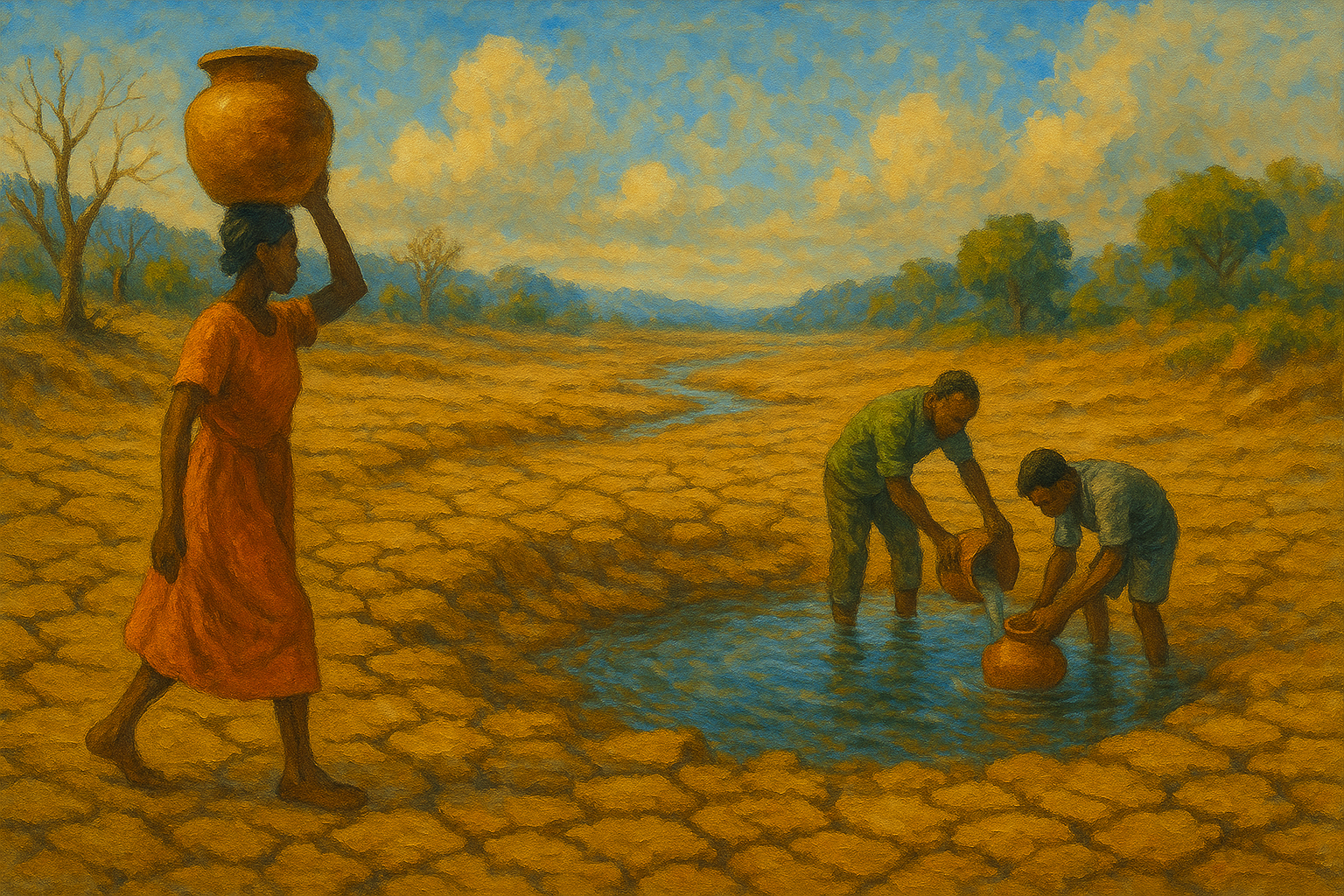
The Tano River Basin, a vital transboundary resource shared predominantly by Ghana and Côte d’Ivoire, faces an escalating water crisis. This crisis is characterized by severe water scarcity, pervasive quality degradation, and significant challenges in equitable access and efficient distribution. The confluence of climate change, extensive environmental degradation, and unchecked anthropogenic pollution, particularly from illegal mining activities (galamsey), has profoundly impacted the basin’s hydrological health and the livelihoods of its nearly two million inhabitants. Existing governance frameworks, while comprehensive in policy, often fall short in implementation, exacerbated by political complexities and institutional fragmentation. This report provides a detailed analysis of these multifaceted issues, highlighting the critical interdependencies between environmental decline, socio-economic vulnerability, and the escalating potential for both localized and transboundary water-related conflicts. It concludes with a series of actionable recommendations aimed at fostering sustainable water management, enhancing access, and mitigating conflict through strengthened governance, strategic infrastructure investment, and integrated cooperation.
1. Introduction
1.1 The Tano River Basin: A Vital Resource Under Mounting Pressure
The Tano River, also known as Tanoé, represents a critical transboundary watercourse in West Africa, stretching approximately 400 to 512 kilometers from its headwaters near Techiman in Ghana, flowing southward to discharge into the Gulf of Guinea via the Ehy/Tano/Aby Lagoon complex in Côte d’Ivoire. A segment of its lower course delineates a portion of the international boundary between Ghana and Côte d’Ivoire. The Tano Basin encompasses an estimated area of 16,060 square kilometers, with the predominant share—92.6%, or 14,875 square kilometers—situated within Ghana, and the remaining 7.4%, or 1,185 square kilometers, extending into Côte d’Ivoire. While some sources broadly mention Burkina Faso as a basin country , more precise geographical descriptions confirm the primary riparian nations as Ghana and Côte d’Ivoire. This subtle variation in defining the basin’s geographical scope underscores a fundamental challenge in the precise delineation and management of shared transboundary water resources. Achieving effective cross-border cooperation necessitates a universally accepted and detailed understanding of the shared resource’s physical characteristics, without which the establishment of robust, joint governance frameworks can be complicated.
The basin is a cornerstone of ecological and economic vitality, sustaining an estimated population of 1,969,825 as of 2021. This population relies on the basin for diverse socio-economic activities, including agriculture, forestry, tourism, mining, and fisheries. The Tano River and its associated ecosystems deliver essential services such as water supply, biodiversity conservation, and climate regulation. Paradoxically, while Ghana is generally considered to possess abundant water resources and is not overall categorized as water-stressed , the Tano River Basin is experiencing an intensifying crisis. This crisis is manifested through severe localized water scarcity, pervasive degradation of water quality, and considerable challenges in ensuring equitable access and efficient distribution. The apparent contradiction between national-level water abundance and the localized crisis in the Tano Basin highlights a critical deficiency: aggregate national or regional water availability statistics can obscure severe, on-the-ground realities of scarcity and distribution inequities. The crisis within the Tano is not necessarily an absolute lack of water across the entire nation, but rather a profound issue of degradation, pollution, and mismanagement that renders the
available water unusable or inaccessible in this specific, ecologically and economically vital basin. This situation mandates that policy formulation and investment strategies transcend broad statistical averages to directly address the granular hydrological and socio-economic realities of specific regional basins.
1.2 Purpose and Structure of the Report
This report endeavors to furnish an expert-level analysis of the escalating water crisis within the Tano River Basin. It systematically investigates the underlying drivers of scarcity, the complex challenges impeding water access and distribution, and the increasing potential for water-related conflicts. The analysis culminates in a set of actionable recommendations designed to foster sustainable water management practices and mitigate conflict.
2. The Tano River Basin: Geographical and Socio-Economic Landscape
2.1 Geographic Extent and Riparian Countries (Ghana, Côte d’Ivoire)
The Tano River originates from the Boyem Mountain Ranges, situated near Techiman in Ghana’s Bono East Region. The river’s source holds profound cultural significance for the Bono people, who traditionally believe it to be the dwelling place of Taakora, their paramount deity on Earth. From its origin, the Tano River meanders southwestward, eventually discharging into the Ehy/Tano/Aby Lagoon complex. This intricate lagoon system spans the international border between Ghana and Côte d’Ivoire, with the majority of its expanse lying within Ivorian territory.
The Tano Basin is characterized as a transboundary river basin, primarily shared by Ghana and Côte d’Ivoire. Ghana encompasses the vast majority of the basin’s area, accounting for approximately 92.6%, or 14,875 square kilometers, while Côte d’Ivoire holds the remaining 7.4%, or 1,185 square kilometers. Administratively, the basin extends across six regions and 29 District and Municipal Assemblies within Ghana, with significant portions located in the Western North, Ahafo, Ashanti, Western, Bono, and Bono East Regions. The basin’s topography is diverse, ranging from elevated highlands in its upstream areas, with average elevations around 540 meters above sea level, to considerably flatter southern regions, which lie between 0 and 15 meters above sea level. This varied topography significantly influences water flow patterns and the suitability of different areas for various human activities.
Geologically, the Tano Basin is underlain by Ghana’s extensive Precambrian basement complex. This complex primarily comprises crystalline igneous and metamorphic rocks, notably the Birimian system, which forms a key component of the region’s geological structure. Other significant geological formations include granites and Eocene & Cretaceous sedimentary rocks. These geological characteristics play a crucial role in determining groundwater availability and quality throughout the basin.
2.2 Demographic Profile and Key Economic Activities (Agriculture, Mining, Forestry, Fisheries)
The estimated population residing within the Tano Basin stood at 1,969,825 as of 2021. This population is experiencing a growth rate of approximately 2.2% per year, which invariably exerts increasing pressure on the basin’s finite water resources.
Agriculture constitutes the predominant occupation, providing livelihoods for over 27% of the basin’s population, a figure that rises to 47% in rural areas. Both commercial and subsistence farming are widely practiced, with cocoa emerging as the leading cash crop, contributing between 70% and 100% of income for households engaged in cocoa farming. Other significant crops cultivated include oil palm, rubber, coffee, plantain, cassava, and coconut, particularly along the coastal areas. However, agricultural practices, including the intensive use of agrochemicals and farming activities along riverbanks, are recognized as substantial contributors to water pollution and environmental degradation within the basin.
The Tano Basin is also rich in mineral, oil, and gas resources. Consequently, legal and, more critically, illegal mining of gold and other minerals, locally known as “galamsey,” represents a major economic activity. While providing economic opportunities, these mining operations are simultaneously a primary source of severe water pollution and widespread environmental destruction. The very activities that underpin the basin’s socio-economic profile, particularly agriculture and mining, are intricately linked to environmental degradation. The intensive nature of farming, the application of agrochemicals, and the destructive practices of illegal mining and deforestation directly contribute to water pollution, siltation, and overall degradation of the river system. This creates a clear and concerning causal loop where the economic pursuits providing immediate livelihoods are simultaneously eroding the fundamental natural resource—water—upon which the long-term viability of those livelihoods depends. This intricate relationship underscores the imperative for a fundamental transformation towards practices that disassociate economic growth from environmental harm to ensure the basin’s sustainability.
In terms of Forestry, the basin’s terrestrial landscape is characterized by semi-deciduous and dry dense forests, interspersed with farmlands and degraded areas. The forest cover, especially evergreen forests, is crucial for environmental conservation and regulating local climate. However, human activities, including logging and conversion to cropland, have led to a significant decline in forest cover over recent decades.
Fisheries are another important economic activity, with the Tano River and its lagoon complex supporting local fishing communities. However, these livelihoods are increasingly imperiled by the dual threats of water pollution and the proliferation of invasive species, such as water hyacinth. The basin also has potential for
tourism , although the ongoing degradation of its water bodies poses a significant threat to the sector’s viability. Furthermore, the Tano River Basin holds potential for
hydropower development, exemplified by the planned 56MW Tanoso hydro power project.
A deep cultural and spiritual connection to the Tano River, particularly among the Bono people, is evident in their indigenous belief that Taakora, their highest deity, resides at the river’s source. Historically, local communities, through deities and sub-chiefs, regulated river use and protected sacred fish. This profound cultural and spiritual bond with the river, while currently facing erosion due to modern pressures , represents a powerful, yet largely underutilized, asset for conservation. Integrating indigenous knowledge and traditional governance structures into contemporary water management strategies could foster greater community commitment and effectiveness. The decline in adherence to these traditional norms and the diminishing respect for traditional authority are recognized as significant contributing factors to the current crisis, suggesting that a holistic approach must bridge the gap between modern governance and deeply rooted cultural practices.
3. Drivers of Water Scarcity in the Tano Basin
The escalating water crisis in the Tano River Basin is propelled by a complex interplay of climatic shifts, pervasive environmental degradation, and severe anthropogenic pollution. These factors collectively diminish water quantity, compromise water quality, and undermine the basin’s ecological resilience.
3.1 Climate Change and Hydrological Stress: Droughts and Changing Rainfall Patterns
The Tano Basin experiences a bimodal rainfall pattern, with distinct peaks occurring in May/June and October/November. Annual rainfall within the basin exhibits considerable variability, ranging from 1136.7 mm to 2156.0 mm. Despite Ghana’s overall rainfall being generally sufficient for most agricultural crops , the Tano River Basin has faced recurrent droughts. Analysis indicates that approximately 48.6% of the years between 1990 and 2020 experienced drought events.
Projections indicate that climate change will increasingly compromise water security within the Tano River Basin. Under a moderate emissions scenario (RCP4.5), mean annual rainfall is projected to increase slightly by 0.5%, albeit with a decreasing trend of 1.22 mm/year. However, under a more severe scenario (RCP8.5), rainfall is projected to decrease by 3.2% with a decreasing trend of 0.3 mm/year. Concurrently, mean annual streamflow is anticipated to decline significantly, with reductions of 19.9% under RCP4.5 and a more pronounced 37.5% under RCP8.5, signaling a substantial reduction in available water. Rising temperatures, projected to increase by 3.2°C by the late 21st century under RCP8.5, will further exacerbate water scarcity by accelerating evapotranspiration rates, thereby reducing both surface and groundwater availability. Periods of drought are particularly detrimental, as reduced water volumes lead to higher concentrations of pollutants in stagnant waters, which can subsequently contaminate drinking water sources during flood events.
3.2 Environmental Degradation: Deforestation, Land Use Change, and Invasive Species (Water Hyacinth)
Deforestation and Land Use Change: The Tano Basin has undergone significant transformations in its land use and land cover (LULC) composition. A notable pattern observed between 1986 and 2020 is the extensive conversion of dense forest into open forest, and subsequently into settlement and cropland. During this period, dense forest cover diminished at an alarming rate of 298.4 square kilometers per year, while open forest decreased by 173.9 square kilometers per year. Conversely, areas dedicated to cropland and human settlement expanded considerably. This widespread loss of forest cover is particularly concerning because forests act as natural sponges, playing a vital role in regulating water flows and maintaining hydrological balance. Their removal directly impairs water supplies and intensifies the risks of flooding. Furthermore, encroachment and illicit farming activities within watersheds actively destroy the protective forest cover that safeguards critical reservoirs.
Invasive Species (Water Hyacinth): The Tano River and its associated lagoon system have suffered a severe invasion by water hyacinth (Eichhornia crassipes), an aquatic invasive species that presents profound ecological and socioeconomic challenges. The dense mats of water hyacinth obstruct water bodies, rendering movement for essential economic activities such as farming and fishing nearly impossible during peak invasion seasons. This leads directly to the destruction of farm produce, increased travel times for farmers attempting to access their lands, and a consequent reduction in income for those dependent on the river. Some farmers have even been compelled to abandon their farms entirely due to the severity of the invasion. The initial detection of water hyacinth in the basin occurred between 1987 and 1993, with the invasion becoming critically severe by 1994-1995. Its proliferation is partly attributed to erosion run-off, which carries plant nutrients from untreated wastewater, sewage, and fertilized farmlands into the water bodies, providing an ideal environment for the weed’s growth.
3.3 Anthropogenic Pollution: The Devastating Impact of Illegal Mining (Galamsey) and Waste Discharge
Illegal Mining (Galamsey): This activity stands as the most destructive and pervasive cause of water pollution and scarcity within the Tano River Basin. Unregulated and widespread illegal mining operations have led to the unprecedented siltation and drying up of the Tano River, a phenomenon observed for the first time in 40 years in 2017. This direct consequence necessitated the complete shutdown of the Ghana Water Company (GWC) water treatment plant in Sunyani, which relied on the Tano River as its primary source, thereby severely disrupting water supply to numerous homes and communities.
Galamsey involves the indiscriminate use of highly toxic chemicals, including mercury, cyanide, and arsenic, in the extraction of gold. These hazardous substances infiltrate river systems, poisoning the water and posing grave threats to human health and aquatic ecosystems. The pollution results in extremely high turbidity levels, with measurements reaching 14,000 NTU, far exceeding the 2,000 NTU required for adequate treatment, rendering the water untreatable and significantly increasing treatment costs. The health ramifications are severe and widespread, encompassing chronic diseases such as kidney failure, birth defects, and various forms of cancer, in addition to frequent outbreaks of waterborne diseases like typhoid, cholera, and dysentery. Beyond water quality, galamsey contributes to extensive deforestation, habitat destruction, soil degradation, and a significant loss of biodiversity, further destabilizing the basin’s delicate ecosystems. It also disrupts the natural flow of rivers, exacerbates flooding, and diminishes the potential for hydropower generation. Direct observations indicate that mining activities are frequently conducted on riverbeds, a blatant violation of established buffer zone regulations.
The persistence and escalation of illegal mining are not solely attributable to weak regulation or a lack of enforcement capacity; a critical underlying political dimension is at play. Reports indicate that expensive mining equipment is often owned by “big men (politicians)” and that perpetrators are frequently released without prosecution, effectively undermining local efforts and traditional authority. This situation is further compounded by concerns that strict enforcement against galamsey could negatively impact the electoral prospects of the ruling party, suggesting a lack of consistent political will. This systemic failure, rooted in political complicity and corruption, is a significant factor in the continued degradation of the Tano River. The short-term economic benefits derived from illegal mining, which provides income for many rural residents , create a complex socio-economic dilemma. While it offers immediate livelihoods, it simultaneously inflicts devastating long-term consequences on water quality, public health, agricultural land, and overall food and water security. This paradox of short-term gain versus long-term catastrophe underscores the urgent need for sustainable alternative livelihoods and robust economic diversification strategies to break the cycle of environmental destruction driven by immediate economic pressures.
Domestic and Industrial Waste Discharge: Urbanization and inadequate waste management practices contribute substantially to water pollution within the basin. Untreated wastewater, raw sewage, and decomposed organic matter from both domestic and industrial sources introduce excessive plant nutrients into water bodies, thereby fueling the proliferation of invasive species like water hyacinth. Improper disposal of domestic wastewater and the practice of washing laundry directly along riverbanks are also identified as significant sources of pollution.
Table 1: Major Causes and Impacts of Water Quality Degradation in the Tano River
| Cause | Key Impacts | Relevant References |
| Illegal Mining (Galamsey) | River drying up, siltation, heavy metal contamination (mercury, cyanide, arsenic, lead, chromium), high turbidity, untreatable water, destruction of aquatic life (fish), severe health issues (kidney failure, birth defects, cancer, waterborne diseases), deforestation, land degradation, reduced hydropower potential. | |
| Deforestation & Land Use Change (Agriculture, Settlement) | Loss of forest cover, reduced natural water regulation, increased erosion and sedimentation, habitat destruction, heightened flood risks, negative impact on biodiversity. | |
| Invasive Species (Water Hyacinth) | Blockade of water bodies, restricted access for fishing and farming, destruction of farm produce, increased travel time for farmers, reduced income for river-dependent livelihoods (farmers, fishermen, boat operators), reduced biodiversity, creation of micro-habitats for disease vectors. | |
| Domestic & Industrial Waste Discharge / Poor Sanitation | Nutrient enrichment (eutrophication), accelerated water hyacinth proliferation, microbial contamination, frequent waterborne disease outbreaks, increased water treatment costs. | |
| Climate Change (Droughts, Temperature Increase) | Reduced streamflow, elevated evapotranspiration rates, overall reduction in water availability, increased pollutant concentration in stagnant water bodies, increased frequency and severity of droughts, heightened flood risk (due to more intense rainfall events). |
The various drivers of water scarcity in the Tano Basin are not isolated phenomena but rather form a reinforcing feedback loop, creating a vicious cycle of environmental degradation and water scarcity. For instance, the direct siltation and drying of the river due to illegal mining not only reduces water quantity but also severely compromises its quality. This degraded water, when combined with inadequate sanitation practices , leads to an increase in nutrient loads, which in turn fuels the rapid proliferation of invasive species like water hyacinth. The presence of water hyacinth then further obstructs water flow and access, exacerbating the scarcity and negatively impacting livelihoods. Simultaneously, widespread deforestation diminishes the basin’s natural capacity to regulate water flow and purify water, rendering it more susceptible to the impacts of both droughts and floods. This interconnectedness underscores that addressing any single issue in isolation is insufficient; a holistic, integrated approach is imperative to effectively break this detrimental cycle.
4. Challenges in Water Access and Distribution
The crisis in the Tano River Basin is acutely felt in the daily struggles of communities to access safe and potable water, and in the strain on the existing, often inadequate, water supply and distribution infrastructure. These challenges have profound impacts on various livelihoods and the overall quality of life.
4.1 Inadequate Access to Safe and Potable Water for Communities
Despite Ghana’s general water resource endowment, ensuring access to clean water and adequate sanitation remains a significant hurdle for numerous communities, particularly in the Tano Basin. Approximately 25% of the national population lacks access to clean water. While national statistics from 2021 indicate that 87.7% of households have access to basic drinking water services, a stark disparity exists between urban areas (96.4% coverage) and rural areas (74.4% coverage). This means that over two million rural Ghanaians still do not have access to safe drinking water.
Many communities, especially those in rural settings, are compelled to rely on unsafe water sources such as dug-outs, unprotected wells, or directly from the polluted river itself. This reliance exposes them to high risks of waterborne diseases. The severe impact of illegal mining, which caused the Tano River to dry up in 2017, directly led to the Ghana Water Company (GWC) shutting down its treatment plant in Sunyani. This left numerous communities struggling to find water, forcing them to resort to these often unsafe alternative sources. Households that do not have water on their premises spend an average of 19 minutes on a round trip to collect water, with rural households bearing a disproportionately heavier burden, spending an average of 22 minutes compared to 13 minutes for urban households. This time-consuming task disproportionately affects women and children, who are typically responsible for water collection, impacting their educational opportunities and daily routines.
The significant disparity in water access between urban and rural areas, where rural households spend more time fetching water and are more likely to depend on unsafe sources, underscores that the “growing crisis” in the Tano Basin is not uniformly experienced. Instead, it exacerbates existing inequities, placing a heavier burden on populations with the least access to formal infrastructure and alternative, safer resources. This situation implies that effective interventions must be specifically designed and tailored to address the unique vulnerabilities and pressing needs of rural communities, moving beyond a one-size-fits-all approach.
4.2 Strain on Existing Water Supply Infrastructure and Service Delivery
Ghana’s current water supply systems are described as “overstretched,” with much of the existing infrastructure, including treatment facilities and pipelines, being old and inadequate. This condition severely hampers full capacity production and efficient service delivery. Responsibility for water service provision is bifurcated: the Ghana Water Company Limited (GWCL) manages urban piped systems, while the Community Water and Sanitation Agency (CWSA) oversees rural water supply. However, fragmentation and internal friction within these institutions, compounded by insufficient funding, contribute significantly to service shortfalls across the country.
To address these challenges, significant investments are planned or underway. The Sunyani Water Supply Expansion Project stands out as a major initiative designed to meet the water needs of the Sunyani Region. This project involves drawing 57,750 cubic meters of water daily from the Tano River and includes the construction of a new treatment plant, extensive transmission and distribution networks, and the planned construction of a new dam. The project aims to serve an estimated 405,000 people by 2040, with a projected water demand of 55,000 cubic meters per day. In addition to potable water supply, there is also a planned 56MW hydropower project at Tanoso on the Tano River, with construction anticipated to commence in 2026 and commercial operation by 2028, expected to generate 258 GWh of electricity.
Groundwater is also recognized as a crucial resource within the Tano River Basin, with studies assessing its quantity and quality for both drinking and irrigation purposes. However, effective groundwater management is hindered by a lack of comprehensive data on key parameters such as transmissivity and yields. While trace element analysis in groundwater generally indicates minimal health risks from most elements, chromium (Cr) is identified as a primary contributor to chronic health risks, and average concentrations of lead, iron, and aluminum have been found to exceed WHO permissible limits in some boreholes.
Table 2: Key Water Supply and Hydropower Infrastructure Projects in the Tano Basin
| Project Name | Location | Water Source | Capacity/Scope | Target Population/Output | Status/Timeline | Relevant References |
| Sunyani Water Supply Expansion Project | Sunyani Region (Brong-Ahafo Province), Ghana | Tano River (upstream from Abesem weir, and new dam near Tanoso) | Phase 1: 57,750 m³/day draw, 55,000 m³/day treatment, 93.2 km transmission lines, 130 km distribution, 49 fountains, 7,500 household connections. Phase 2: 21m tall dam (1000m long), 210 km extended distribution, 147 additional fountains, 7,500 additional household connections. | 405,000 residents by 2040 (water demand 55,000 m³/day). | Phase 1 (36 months), Phase 2 (36 months, commencing month 12-48). | |
| Tanoso Hydro Power Project | Tano River/Basin, Western, Ghana | Tano River | 56MW hydro power, 2 turbines (28MW each), expected to generate 258 GWh. | Electricity generation for the national grid. | Construction expected to commence 2026, commercial operation by 2028. |
4.3 Impacts on Livelihoods: Agriculture, Fishing, and Daily Life
The severe degradation and drying up of the Tano River have direct and profound impacts on the livelihoods of basin residents. Farmers and fishermen, whose economic activities are intrinsically linked to the river, face significant reductions in income and endure considerable economic hardship. The invasion of water hyacinth, in particular, creates physical blockades on the river and lagoon, making farming and fishing virtually impossible during peak invasion seasons. This directly leads to the destruction of farm produce and reduced profits for agriculturalists. In some instances, the severity of the invasion has compelled farmers to abandon their lands entirely.
The basin’s heavy reliance on surface water for both crop production and drinking water means that the hydrological stresses induced by climate change, especially droughts, have direct negative implications for agricultural output and potable water availability. Prolonged dry seasons further exacerbate the challenges for rain-fed agriculture, a dominant practice in the region.
For the communities, the water crisis translates into daily struggles to secure water for domestic use. Residents are forced to abandon their regular activities, including schooling and business, to spend considerable time queuing for water from alternative, often distant and unsafe, sources such as dug-outs and wells. This disruption extends beyond mere economic loss to affect educational attainment, as students miss school, and overall productivity, as individuals dedicate significant portions of their day to water collection.
Moreover, the pervasive health risks stemming from polluted water sources—including exposure to heavy metals and the prevalence of waterborne diseases—further diminish productivity and quality of life. These health burdens increase healthcare expenditures and reduce the capacity of individuals to engage in productive labor. The interplay of water scarcity, livelihood disruption, and the erosion of social fabric is a critical aspect of the crisis. The direct impacts on agriculture and fishing lead to reduced income and economic hardship, compelling individuals to abandon productive activities and dedicate substantial time to water collection. This disruption is not merely economic; it affects educational opportunities and can contribute to social instability or outward migration as people seek alternative means of survival. The decline in traditional practices and the diminishing respect for the river, as observed in some communities , can be seen as both a cause and a consequence of this economic pressure, as immediate survival often takes precedence over long-term resource protection. This complex dynamic underscores the necessity for integrated solutions that simultaneously address water security and broader socio-economic development, including the provision of viable alternative livelihoods.
5. The Escalating Potential for Water-Related Conflict
The growing water crisis in the Tano River Basin is not confined to environmental and socio-economic impacts; it significantly escalates the potential for various forms of conflict, both at the transboundary level and within local communities.
5.1 Transboundary Water Dynamics: Shared Resources and Cross-Border Impacts
The Tano River Basin functions as a transboundary resource, shared between Ghana and Côte d’Ivoire. Ghana, as a downstream state for several international rivers, is particularly susceptible to the consequences of upstream activities. A stark illustration of this vulnerability is the direct impact of pollution from illegal small-scale mining in Ghana on water supply and agriculture in Côte d’Ivoire, notably affecting the critical Abidjan Lagoon, which relies on the Bia and Tano rivers. This pollution also poses a direct threat to hydropower generation in Côte d’Ivoire, as the Bia River hosts two of that country’s hydropower dams.
The severity of this cross-border pollution has necessitated high-level inter-ministerial delegations from both Ghana and Côte d’Ivoire to convene, acknowledging the issue as a critical problem for both nations and a potential threat to their good neighborly relations. Ghana has demonstrated its commitment to international water governance by acceding to the 1992 Water Convention and the 1997 Watercourses Convention. These international legal instruments are viewed as vital tools for promoting transboundary cooperation, establishing agreements for shared basins (including the Comoe, Bia, and Tano), and providing established mechanisms for conflict prevention and resolution. While cooperative arrangements, such as the Volta Basin Authority, are well-established for other shared basins, the specific arrangements for the Tano/Bia Basin are still under development, driven by the ECOWAS Water Resources Coordination Centre. This disparity indicates a governance gap that requires urgent attention to formalize cooperation for the Tano. Furthermore, the Tano coastal sedimentary basin has been identified as a transboundary groundwater aquifer shared by Ghana and Côte d’Ivoire, possessing the potential to supply Abidjan, though detailed information on this shared aquifer remains limited.
The discourse around “water-for-peace” suggests that water can serve as a catalyst for cooperation and peace-building. Ghana’s engagement with global water conventions and bilateral discussions with Côte d’Ivoire indeed reflects an understanding of water as a potential tool for fostering cooperation. However, the existing pollution of the Tano and Bia rivers flowing from Ghana into Côte d’Ivoire directly contradicts this ideal, illustrating how water can also be a significant source of tension and conflict. The absence of a formalized “joint cooperative nature” for the Tano/Bia basin, in contrast to the more established Volta Basin Authority , highlights a critical deficiency in translating the “water-for-peace” rhetoric into concrete, effective transboundary governance mechanisms for this specific basin. This situation underscores that while the
potential for cooperation exists, the reality is that the Tano is currently a source of friction, emphasizing the urgency of establishing robust, basin-specific cooperative frameworks.
5.2 Community-Level Tensions: Disputes over Access and Resource Degradation
The drying up and severe pollution of the Tano River have inflicted profound hardships on local residents, compelling them to abandon daily activities in their desperate search for water. While direct “conflict incidents” are not always explicitly detailed in the available information, the widespread hardship, competition for dwindling and contaminated resources, and the erosion of traditional livelihoods inherently create an environment highly susceptible to localized disputes and tensions.
Community members frequently express profound frustration and a sense of powerlessness in the face of rampant illegal mining operations. There is a pervasive belief that these operations are supported by influential “big men (politicians),” leading to a perception that perpetrators are released without prosecution. This situation directly contributes to a lack of respect for traditional or local authority, especially when these authorities are perceived as complicit or ineffective in curbing the illegal activities. Such a breakdown in trust and authority can foster internal community friction and undermine collective action.
Furthermore, differing perspectives within communities regarding resource utilization, such as clay extraction for pottery, can also lead to localized disagreements. Some residents perceive such activities as detrimental to the river, while others argue they have no negative impact. The erosion of traditional belief systems and established norms, partly influenced by the rise of Christianity, has also contributed to a disregard for local rules that historically protected the river. This cultural shift can lead to further degradation and potential internal community friction as traditional practices lose their influence. The pervasive lack of access to safe water in communities directly results in significant health problems, including frequent outbreaks of waterborne diseases. These health burdens can further strain community resources, exacerbate existing vulnerabilities, and erode social cohesion.
5.3 Governance Deficiencies and Political Factors Fueling Conflict
The escalating water crisis and the potential for conflict in the Tano Basin are deeply rooted in significant governance deficiencies and complex political factors.
Weak Governance and Enforcement: The current governmental approach to addressing the multifaceted challenges in the Tano River basin has been widely deemed insufficient. Despite various high-profile efforts to curb illegal mining, such as “Operation Halt” and “Operation Vanguard,” the problem continues to escalate unabated.
Political Interference and Corruption: A primary factor perpetuating illegal mining is the alleged involvement of high-ranking politicians and party financiers. These influential individuals are believed to own the expensive equipment used in “galamsey” and are accused of ensuring that perpetrators are released without facing prosecution. This systemic corruption fundamentally undermines law enforcement efforts, erodes public trust in governmental institutions, and creates a perception of impunity that encourages further illegal activities.
Lack of Political Will: A significant impediment to effective action is the perceived lack of consistent political will. There are explicit concerns that stringent enforcement of laws against galamsey could negatively impact the ruling party’s electoral fortunes, leading to a reluctance to fully commit to necessary measures. This prioritization of political expediency over environmental protection allows destructive practices to persist.
Centralized Governance Model: Water governance in Ghana, particularly within river basins, is characterized by a centralized model where state institutions exert dominant control. This structural imbalance marginalizes community-based actors, despite their direct reliance on water resources and high interest in their management. Their meaningful participation in decision-making is limited by a lack of clearly defined roles and weak institutional integration.
Institutional Fragmentation: The responsibility for water service provision is fragmented between the Ghana Water Company Limited (GWCL) for urban areas and the Community Water and Sanitation Agency (CWSA) for rural areas. This division often leads to overlaps, gaps in service, and confusion regarding responsibilities. Such fragmentation, coupled with inadequate institutional capacity and insufficient funding, severely impedes effective and coordinated water management efforts across the basin.
Data Gaps: A persistent challenge to effective Integrated Water Resources Management (IWRM) implementation is the inadequacy of reliable data and information, alongside limited monitoring and evaluation capabilities. Without comprehensive and up-to-date data on water quality, quantity, and usage patterns, evidence-based decision-making becomes difficult, hindering the development and implementation of targeted and effective management strategies.
The pollution and drying of the Tano River, representing severe resource degradation, directly impact livelihoods and access to water for both Ghanaian and Ivorian communities. This degradation is largely driven by illegal mining, which is enabled by political complicity and weak enforcement, indicative of significant governance failures. The resulting scarcity and inequitable access, coupled with the perception of injustice and a lack of accountability, create fertile ground for community-level tensions. At the transboundary level, the pollution originating in Ghana generates diplomatic friction with Côte d’Ivoire. This complex interplay demonstrates a reinforcing feedback loop where environmental problems exacerbate governance weaknesses, which in turn amplify social and political tensions, thereby increasing the potential for both internal and cross-border conflicts.
6. Current Water Management Frameworks and Initiatives
Ghana has established a comprehensive framework for water resource management, yet the persistent challenges in the Tano River Basin highlight significant gaps between policy intent and on-the-ground implementation.
6.1 National Policies and Integrated Water Resources Management (IWRM) Efforts in Ghana
Ghana’s water sector operations are guided by the National Water Policy (NWP), which strongly advocates for an Integrated Water Resources Management (IWRM) approach. The overarching goal of the NWP is to achieve sustainable development, management, and utilization of water resources to enhance health and livelihoods, reduce vulnerability, and ensure robust governance for both present and future generations. The Water Resources Commission (WRC) serves as the principal statutory agency responsible for water resources management in Ghana. Its mandate includes issuing water use permits, developing comprehensive water resource management plans, monitoring water quality, promoting public awareness regarding water conservation, and issuing enforcement notices. The WRC has proactively developed six River Basin plans, including a specific plan for the Tano Basin, all of which contribute to the broader National IWRM Plan.
The NWP fundamentally recognizes water as a basic human right and an indispensable resource for achieving equitable socio-economic development, aligning with the United Nations Sustainable Development Goals (SDGs) and the African Union’s Agenda 2063. Despite these well-articulated policy frameworks, the implementation of IWRM faces considerable setbacks. These include inadequate institutional capacity, insufficient financial resources, ineffective enforcement of existing regulations, an incomplete legal framework, and a persistent lack of adequate data. The persistent and escalating crisis in the Tano Basin, marked by the river drying up and severe pollution , clearly illustrates a significant disparity between the comprehensive nature of these policies and their practical effectiveness on the ground. This suggests that policy formulation alone is insufficient; the critical challenge lies in strengthening the operational capacity, securing consistent financial mechanisms, and demonstrating unwavering political will for robust implementation and enforcement.
In response to service delivery challenges, the government has initiated reforms, such as the ongoing transition of the Community Water and Sanitation Agency (CWSA) from a facilitating body to a rural water utility. Efforts are also underway to review and update the 2007 National Water Policy, with the aim of developing new strategies and programs to meet the targets outlined in SDG 6. The WRC has actively engaged in public sensitization campaigns, educating Senior High School students and various public and private institutions on the importance of judicious water use and the protection of water bodies. These efforts include urging the public to cease illegal mining and farming activities along riverbanks. The WRC also conducts regular water quality monitoring and maintains buffer zones in critical basins, including the Tano.
6.2 Bilateral and Multilateral Cooperation for Transboundary Water Governance
Ghana has demonstrated a strong commitment to establishing enduring mechanisms for cooperation in the management of its international river basins. The nation is an active participant in three key transboundary arrangements: the regional Volta Basin Authority, and the two foundational global UN transboundary water agreements—the 1992 Water Convention and the 1997 Watercourses Convention. Accession to these international conventions provides Ghana with a crucial platform for enhancing international cooperation on shared rivers and aquifers. They offer a structured framework and support for establishing specific agreements and bodies for shared basins, explicitly citing the ongoing case of the Comoe, Bia, and Tano basins, and provide established mechanisms for conflict prevention and resolution.
A notable bilateral initiative involves Ghana and Côte d’Ivoire, who are actively collaborating, with support from USAID, to manage and preserve the Tano River. This collaboration places significant emphasis on bottom-up approaches, integrating the inputs and aspirations of local communities into the broader strategic framework. High-level inter-ministerial meetings between the two nations have specifically addressed the critical issue of transboundary pollution affecting the Bia and Tano rivers, with the objective of finding sustainable solutions to the impacts of illegal mining originating in Ghana. The Organisation for the Development of the Senegal River (OMVS) is frequently cited as an exemplary model for effective collaborative water management, demonstrating how pooling resources can ensure water protection, optimize usage, and yield mutually beneficial outcomes for all riparian states.
Despite these commendable efforts, the specific transboundary arrangements for the Tano/Bia Basin remain under development, indicating a need for stronger, more formalized cooperation compared to the more established Volta Basin Authority. This situation reveals a critical gap in the practical application of the “water-for-peace” discourse, which posits water as an agent for cooperation. While the
potential for cooperation clearly exists, the reality is that the Tano is currently a source of friction due to pollution originating in Ghana impacting Côte d’Ivoire. The absence of a formalized “joint cooperative nature” for these basins, unlike the Volta, underscores the urgent need to translate the rhetoric of cooperation into concrete, basin-specific frameworks to ensure mutual benefit and regional stability.
6.3 Local and Community-Based Water Management Approaches
Historically, indigenous knowledge and traditional governance systems have played a significant role in the management of water resources within the Tano Basin. The river was held as sacred, and its use was regulated by traditional authorities, including sub-chiefs, through established norms and beliefs. This deep cultural connection provided a framework for sustainable resource use.
However, these traditional institutions now face considerable challenges. They often lack formal legal backing, with non-existent bye-laws to support the enforcement of indigenous knowledge. Furthermore, there has been a noticeable decline in respect for traditional authority, partly attributed to changing societal values and the rise of other belief systems. This weakening of traditional governance structures diminishes a powerful, culturally embedded mechanism for resource protection.
Some initiatives have attempted to integrate community-level participation. For instance, the “Transboundary Community Water Management Alliance” involved the development of community water action plans, the formation and training of local water and sanitation committees, and the establishment of community nurseries. The Ghana National Water Policy itself emphasizes the importance of public participation, awareness creation, and the promotion of traditional knowledge in water governance.
Despite these efforts and the high interest of local communities, community-based actors often remain marginalized within the broader water governance framework. This is largely due to a centralized governance model that limits their meaningful participation and restricts their roles to less influential capacities. The disconnect between policy intent, which champions participation and indigenous knowledge, and the reality of their limited integration and empowerment on the ground, represents a significant missed opportunity. By failing to effectively integrate and empower local communities and their traditional knowledge systems within formal governance frameworks, the state foregoes a powerful, culturally embedded mechanism for resource protection and conflict resolution. This suggests that a more polycentric governance model, one that decentralizes authority and bridges the institutional disconnect between state and non-state actors, and formally recognizes and supports indigenous practices, could significantly enhance water management effectiveness and community resilience.
7. Recommendations for Sustainable Management and Conflict Mitigation
Addressing the growing water crisis in the Tano River Basin requires a multi-pronged, integrated, and sustained approach that transcends traditional sectoral boundaries and tackles underlying governance challenges. The following recommendations are crucial for moving towards a more secure, equitable, and sustainable water future for the basin.
7.1 Strengthening Regulatory Enforcement and Combating Illegal Mining
The pervasive impact of illegal mining necessitates a fundamental shift in approach. It is imperative to implement robust and consistent enforcement of existing mining and environmental regulations, particularly the critical 50-meter buffer zone requirement around water bodies. The persistent nature of illegal mining, despite previous government efforts , is largely attributable to political interference and a lack of prosecution for high-level perpetrators. Therefore, merely issuing policy statements or deploying military operations will prove insufficient. A fundamental transformation in political will and accountability is required to ensure that all individuals, regardless of their political standing, are subject to the full force of the law. This will help restore public trust and establish a credible deterrent against illegal activities.
Furthermore, enhancing monitoring capabilities, including the strategic use of technology, is essential. Deploying advanced tools such as Artificial Intelligence (AI) for early warning systems can significantly improve the detection and response to illegal mining activities and associated pollution. The scale and destructive nature of galamsey demand more sophisticated detection methods than manual oversight alone. AI-powered systems can provide real-time data on environmental degradation and encroachment, enabling faster, more targeted interventions, thereby increasing the efficiency of enforcement and mitigating long-term environmental damage.
Concurrently, it is vital to develop and implement sustainable alternative livelihoods for communities currently dependent on illegal mining, coupled with comprehensive community-based education on the devastating long-term impacts of galamsey. Illegal mining, despite its destructive nature, provides an immediate source of income for many individuals , creating an economic incentive that often overshadows environmental concerns in the short term. Without viable economic alternatives, outright bans on galamsey risk exacerbating poverty or simply displacing the problem to other vulnerable areas. Providing sustainable economic options, alongside targeted educational campaigns that highlight the severe health and environmental consequences, can reduce reliance on destructive practices and foster genuine community cooperation in conservation efforts.
7.2 Investing in Resilient Water Infrastructure and Expanding Access
To address the fundamental challenge of water access, it is critical to accelerate and expand projects akin to the Sunyani Water Supply Expansion Project to improve access to safe, potable water in both urban and rural areas within the Tano Basin. A significant portion of the population, particularly in rural communities, currently lacks access to safe water and is compelled to rely on unsafe sources. Expanding reliable water infrastructure directly addresses this fundamental human right and alleviates the substantial burden on communities. Projects like the Sunyani initiative demonstrate a commitment to this objective, but their scale and pace of implementation must be commensurate with the widespread demand and existing deficits.
Furthermore, investment in upgrading and maintaining existing water treatment plants and distribution networks is paramount, as many of these facilities are currently old, inadequate, and overstretched. New infrastructure projects alone will not fully resolve the water crisis if the underlying distribution network remains inefficient and prone to losses. Prioritizing the maintenance and modernization of existing infrastructure ensures that treated water effectively reaches consumers, minimizes wastage, and maximizes the overall impact of water supply efforts.
Finally, it is crucial to prioritize comprehensive groundwater characterization and sustainable management, particularly in regions where surface water sources are unreliable or heavily contaminated. The Tano Basin’s heavy reliance on surface water renders it highly vulnerable to pollution and droughts. Groundwater offers a vital alternative source , but its full potential and sustainable utilization are currently hampered by a lack of adequate data and understanding. Comprehensive characterization, coupled with continuous monitoring, is essential for ensuring sustainable extraction, preventing overexploitation, and safeguarding groundwater quality, thereby providing a more resilient and reliable water supply option for the basin’s inhabitants.
7.3 Enhancing Participatory Governance and Community Empowerment
To foster more effective and equitable water management, a fundamental shift towards polycentric governance models that decentralize authority and institutionalize inclusive decision-making frameworks is essential. This approach must ensure the meaningful participation of community-based actors, including women, in all aspects of water governance. The current centralized governance model often marginalizes local communities, despite their direct reliance on water resources and profound interest in their sustainable management. Empowering local actors, formally recognizing their traditional knowledge, and ensuring gender equality in decision-making processes can lead to the development of more effective, context-specific, and sustainable water management strategies. Communities possess unique insights into local challenges and solutions, and their active involvement fosters a greater sense of ownership and responsibility.
Furthermore, it is crucial to formally integrate indigenous knowledge and traditional governance systems into modern water management policies and enact appropriate bye-laws to support their enforcement. Historically, traditional practices and beliefs played a significant role in protecting the Tano River. The decline of these systems, partly due to a lack of legal backing and diminished respect , weakens local conservation efforts. By formally recognizing and empowering these traditional systems, the government can leverage existing social capital and deeply embedded cultural norms to foster greater community adherence to sustainable practices and enhance the effectiveness of conservation initiatives.
Finally, strengthening the capacity of local governments and water management institutions through targeted training, adequate funding, and improved data collection and monitoring systems is indispensable. Inadequate capacity and insufficient funding at local levels severely impede effective water management. Bolstering these foundational elements is critical for translating national policies into tangible local action. Improved data collection and robust monitoring systems enable evidence-based decision-making and facilitate more effective oversight of water resources and pollution sources, ensuring that interventions are well-informed and impactful.
7.4 Fostering Water Diplomacy and Regional Cooperation
To mitigate transboundary water-related tensions, it is imperative to formalize and strengthen cooperation mechanisms specifically for the Tano and Bia River Basins with Côte d’Ivoire. This effort should build upon existing bilateral discussions and draw lessons from successful models such as the Organisation for the Development of the Senegal River (OMVS). The pollution originating in Ghana directly impacts Côte d’Ivoire, creating diplomatic friction. While discussions are ongoing, the absence of a formalized “joint cooperative nature” for these basins, unlike the Volta Basin , represents a critical governance gap. Establishing a robust, legally binding framework, akin to the Volta Basin Authority, would facilitate coordinated management, systematic data sharing, and effective conflict resolution, transforming a potential source of conflict into an avenue for mutual benefit and regional stability.
Furthermore, promoting benefit-sharing approaches in transboundary water management is essential, shifting the focus from mere water quantity allocation to the equitable distribution of broader benefits derived from shared resources. The “benefit-sharing” method has been identified as highly effective in resolving water conflicts. This approach moves beyond a zero-sum mentality regarding water allocation to consider the wider socio-economic gains—such as hydropower generation, irrigation benefits, and enhanced livelihoods—that can be cooperatively developed and shared. This fosters a more collaborative and less contentious environment for managing shared water resources, promoting long-term peace and stability in the basin.
7.5 Climate Change Adaptation and Ecosystem Restoration
To build resilience against future environmental shocks, it is critical to develop and implement comprehensive climate change adaptation strategies for the Tano Basin. These strategies must specifically focus on mitigating the adverse impacts of projected decreases in streamflow and rising temperatures. This includes the establishment and scaling up of robust flood and drought early warning systems. Climate change projections indicate significant hydrological stress, necessitating proactive adaptation measures to safeguard water resources and protect livelihoods from increasingly frequent and intense extreme weather events. Early warning systems are crucial tools for minimizing the devastating impacts of floods and droughts on communities and critical infrastructure.
Concurrently, large-scale reforestation and ecosystem restoration initiatives must be implemented, particularly in degraded forest areas and along river buffer zones. These efforts are vital for enhancing natural water regulation and combating soil erosion. Deforestation significantly impairs water quality and alters natural flow regimes. Restoring forest cover acts as a natural infrastructure, improving water retention capacity, reducing sedimentation, and enhancing overall ecosystem health, thereby contributing directly to long-term water security.
Finally, it is essential to develop and implement comprehensive strategies to control and eradicate invasive species like water hyacinth, while crucially addressing the root causes of their proliferation, such as nutrient pollution from untreated wastewater and agricultural runoff. Water hyacinth severely impedes water access and disrupts livelihoods. Effective control measures are necessary to restore navigability and ecological health to the river system. However, for long-term prevention, it is paramount to address the underlying nutrient pollution stemming from inadequate waste management and unsustainable agricultural practices, rather than solely focusing on reactive removal efforts.
8. Conclusion
The Tano River Basin is undeniably at a critical juncture, grappling with a deepening water crisis driven by a complex and interconnected web of challenges. Climate change, manifested in altered rainfall patterns and increased temperatures, exacerbates hydrological stress. Rampant illegal mining, or galamsey, inflicts severe pollution and physical degradation upon the river, rendering vital water sources unusable. These environmental pressures are compounded by extensive deforestation, unsustainable land use changes, and the proliferation of invasive species like water hyacinth. The cumulative effect is a profound compromise of water quantity and quality, directly undermining equitable access and efficient distribution for the basin’s nearly two million inhabitants.
The crisis is further intensified by significant governance deficiencies, including a centralized management model that marginalizes local communities, institutional fragmentation, and a pervasive lack of political will to enforce regulations, particularly against illegal mining activities often linked to influential political actors. These factors not only perpetuate environmental degradation but also escalate the potential for both localized community disputes over dwindling resources and transboundary tensions with Côte d’Ivoire, which is directly impacted by pollution originating in Ghana.
Addressing this multifaceted crisis demands a fundamental paradigm shift from reactive, piecemeal interventions to proactive, integrated, and politically committed strategies. By rigorously strengthening regulatory enforcement and combating illegal mining through accountability at all levels, investing strategically in resilient water infrastructure to expand safe access, and genuinely empowering local communities through participatory governance models that integrate indigenous knowledge, the basin can begin to recover. Simultaneously, fostering robust water diplomacy and formalizing transboundary cooperation mechanisms with Côte d’Ivoire for the Tano and Bia basins is essential to transform potential conflict into mutual benefit. Finally, comprehensive climate change adaptation and large-scale ecosystem restoration programs are critical to building long-term resilience and safeguarding the basin’s ecological health. The urgency of this growing crisis necessitates immediate, coordinated, and sustained action across all levels of governance and society to prevent further degradation and mitigate the severe human and environmental consequences.Sources used in the report


