



The Tano River has been far more than a natural waterway—it has served as a boundary marker, a spiritual witness, and a strategic route through which peoples, goods, armies, and ideas have moved for centuries. From the early Akan migrations to colonial boundary disputes and environmental activism, the river has played a critical role in the unfolding history of Ghana and Côte d’Ivoire.
🛶 1. Ancient Akan Migrations and Settlement Patterns (c. 11th–16th centuries)
One of the most significant historical phenomena in the region is the southward migration of Akan peoples, including the Bono, Ahafo, Asante, Nzema, and Ehotilé groups.
- Many of these groups followed river routes, including the Tano, which provided water, fertile land, and spiritual protection.
- The Bono and Ahafo states are said to have founded settlements along the upper reaches of the Tano, guided by the river’s path and its deity, Taakora.
- The Tano Valley became a corridor of early Akan civilization, trade, and sacred rituals.
The river is thus linked to the ethnogenesis of major West African groups and the founding of towns such as Tanoso and Techiman.
⚔️ 2. Precolonial Conflicts and Spiritual Warfare
The Tano River acted as a natural frontier in numerous conflicts between rival states in the region, including:
- Wars between Ashanti factions and the Bono during succession struggles.
- Skirmishes between Nzema and Appolonien chiefs over land and fishing rights along the river.
- Local disputes where ritual oaths were sworn by the river before launching battles, as it was believed the river spirit would punish dishonorable combatants.
Some oral accounts even state that during one war, a chief prayed to the river, which flooded unexpectedly and swept away an advancing enemy force, reinforcing the belief in its protective powers.
🗺️ 3. Colonial Boundary Demarcation (Late 19th – Early 20th Century)
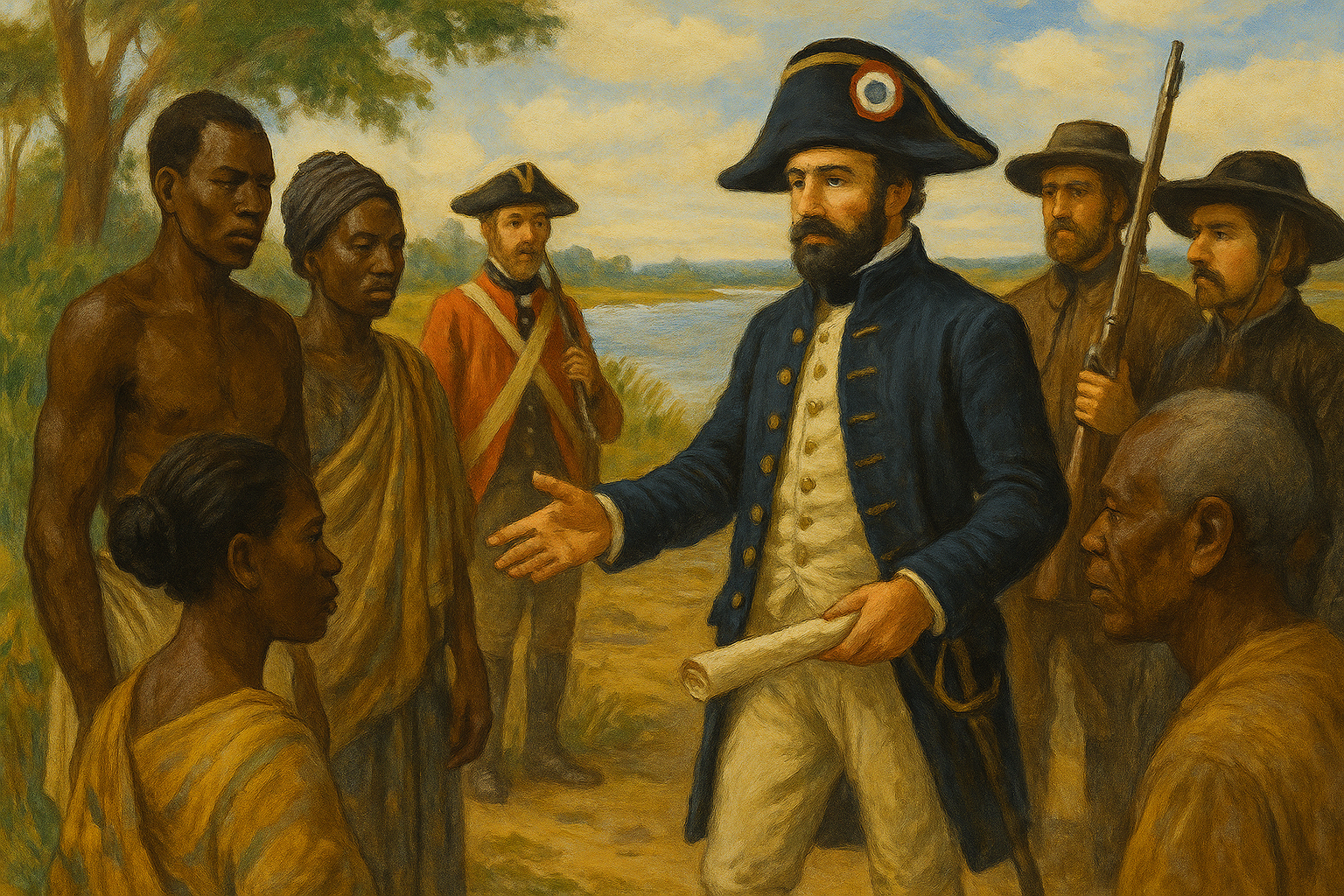
During the European Scramble for Africa, both British (Gold Coast) and French (Côte d’Ivoire) colonial authorities used the Tano River as a convenient geographic marker for demarcating colonial spheres of influence.
- In 1893, French officials signed agreements with coastal chiefs in Côte d’Ivoire to assert control over the Ehotilé and Appolonnien areas.
- The 1904 Anglo-French Boundary Agreement formally recognized the Tano River as part of the border between the two colonies.
- This led to the river becoming a political boundary, dividing not only land but also communities with shared cultural identities.
To this day, the Tano forms part of the international boundary between Ghana and Côte d’Ivoire, making it both a symbol of colonial legacy and a site of cross-border kinship.
⛩️ 4. Suppression of River Worship by Missionaries and Administrators
In both Ghana and Côte d’Ivoire, Christian missionaries and colonial officials in the early 20th century attempted to suppress traditional religion, including the worship of the Tano River.
- Shrines were destroyed, and people were discouraged or even punished for practicing river rituals.
- However, resistance remained strong, especially in remote villages.
- Some communities hid sacred artifacts or conducted rituals at night to preserve their traditions.
These efforts made the Tano River a symbol of cultural resistance, and many shrines later became important sites for nationalist memory during independence movements.
🛢️ 5. Post-Colonial Resource Conflicts and Environmental Concern (20th–21st centuries)
In the modern era, the Tano River has been at the center of:
- Mining-related pollution, particularly from gold extraction in Ghana’s Western Region.
- Disputes between indigenous landowners and mining companies, with accusations that the river’s health is being sacrificed for profit.
- Reports of dead fish, poisoned waters, and river drying, leading to community protests and calls for ecological justice.
Notably:
- In January 2020, the Tano River in Ghana suffered a major contamination crisis near the town of Tanoso, due to a truck accident involving toxic materials. This sparked national outrage and renewed calls for river conservation and enforcement of environmental laws.
This event has become a turning point in the public’s awareness of the river’s vulnerability and the need for coordinated environmental protection between Ghana and Côte d’Ivoire.
🌍 6. The River in Contemporary Cultural Memory
Despite modernization and change, the Tano River remains:
- A symbol of identity for people who bear the name “Tano” or “Tanoe”.
- A spiritual landmark revisited during annual festivals and ancestral rituals.
- A focus for oral historians and scholars, who document its stories as part of the decolonization of African historical narratives.
📌 Timeline Summary of Historical Events
| Period | Event | Significance |
|---|---|---|
| 11th–16th c. | Akan migration along the Tano River | Foundation of early states; sacred settlements |
| 17th–18th c. | Conflicts among Bono, Nzema, Appoloniens | River as boundary and protector |
| Late 1800s | Colonial demarcation (British–French) | River becomes international border |
| Early 1900s | Suppression of river worship | Rise of resistance and hidden practices |
| 2000s–2020s | Pollution, mining, contamination events | New awareness of river rights and ecology |


