



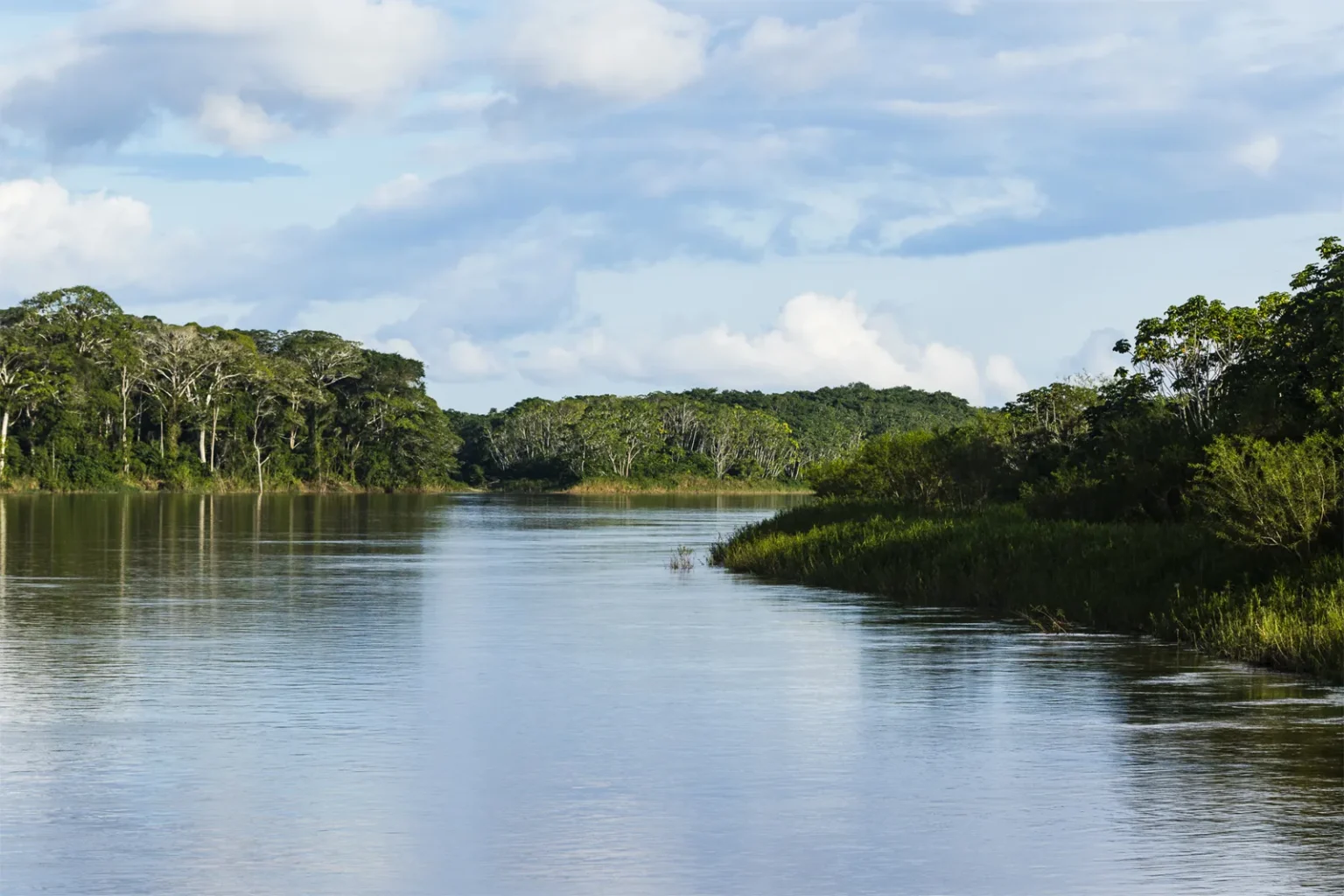
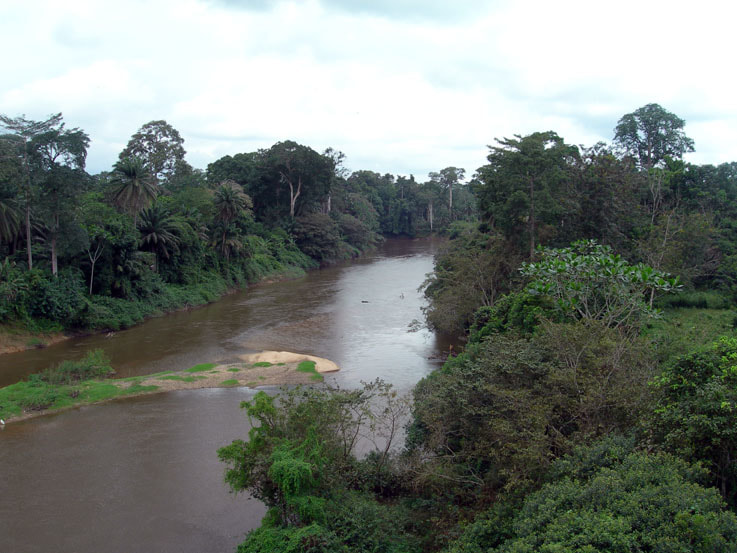
The Tano River is more than a natural watercourse; it is a living spiritual entity and a silent witness to history. For centuries, it has played a central role in shaping the beliefs, power structures, migrations, and moral frameworks of the peoples of Ghana and Côte d’Ivoire. Revered, feared, and honored, the river has remained a constant thread in the evolving story of West Africa.
🧞♂️ The River as a Deity: Taakora (or Tano)
In the spiritual cosmology of the Akan people, the Tano River is not just associated with a spirit—it is the spirit. Known as Taakora in Ghana and often simply Tano, this river god ranks among the most important abosom (divine spirits) in the Akan pantheon.
- Taakora is believed to be the eldest son of the supreme god Nyame, making him a powerful and feared force.
- He is associated with justice, truth, protection, fertility, and punishment.
- Priests and priestesses dedicated to him, known as akomfo, maintain shrines along the riverbanks and serve as intermediaries between the deity and the people.
- The river is considered so sacred that certain parts are forbidden to bathe in, fish in, or cross without permission, especially near its source.
Sacrifices of fowls, sheep, and libations of schnapps or palm wine are made to Taakora to ask for rain, health, fertility, or protection against enemies.
🛡️ Historical Role in Warfare and Protection
Throughout the precolonial era, the Tano River was viewed not only as a source of life, but as a divine protector in times of conflict.
- Akan warriors, before going into battle, would invoke the power of the Tano River for protection and strength.
- Some oral accounts claim that the river itself would rise or flood to stop invaders or protect the people, acting as a natural and spiritual shield.
- War oaths were often taken at the river, binding entire armies to divine punishment if they broke codes of loyalty.
In this way, the Tano was more than a bystander in history—it was a spiritual ally in war, and a place where historical decisions were sealed by oath.
🏺 Site of Ancient Settlements and Ritual Life
Archaeological and oral sources point to the Tano Valley as one of the regions where early Akan clans and kingdoms settled. The river provided:
- Water for agriculture, especially yam and cocoa cultivation.
- Transport along canoe routes, especially before roads were built.
- A base for sacred groves and ancestral forests, many of which remain today.
Numerous settlements grew up along the river, including sacred towns where kings, priests, and rainmakers resided. These sites were often chosen for their proximity to the river’s spiritual power.
🧭 Role in Migration and Identity Formation
The Tano River also played a key role during the great Akan migrations from present-day northern Ghana into the south.
- Many clans and families trace their journey southward along the Tano, following its waters as a guide and guardian.
- It became a symbol of ethnic identity, especially among the Bono, Ahafo, and Ehotilé peoples.
- In Côte d’Ivoire, the descendants of migrants from Ghana who settled along the lower Tano—such as the Nzema and Appoloniens—continued to honor the river in their rituals and myths.
The river thus became a transgenerational witness to identity, movement, and belonging.
⚖️ Moral Arbiter and Oath-Taker
The Tano River is seen as a divine judge in local justice systems.
- In many Akan communities, when disputes cannot be resolved, individuals are asked to swear an oath by the Tano River.
- To swear falsely under its name is to risk spiritual punishment, which might manifest as illness, misfortune, madness, or death.
- This belief helps preserve social order, especially in rural areas where traditional authority remains strong.
The river is also invoked during traditional courts (Aban) and chieftaincy installations, symbolizing accountability before the ancestors.
👑 The Tano River in Royal Rituals
Many traditional Akan royal families in both Ghana and Côte d’Ivoire continue to:
- Pour libations to the river during enthronement ceremonies.
- Seek spiritual counsel from river priests before declaring wars or peace treaties.
- Use the river water for ritual purification of chiefs, elders, and community lands.
The river thus plays a role in legitimizing power, binding kings and their people to ancestral continuity.
🔔 Colonial Encounters and Resistance
During the colonial era, the Tano River and its sacred sites became zones of resistance:
- Colonial authorities and missionaries often tried to suppress river worship, labeling it “fetishism”.
- In response, local leaders protected sacred groves, held rituals in secret, and incorporated river spirits into resistance movements.
- Oral accounts tell of colonial soldiers disappearing near certain shrines, believed to be acts of spiritual retribution by the river god.
This phase of history solidified the river’s role not only as sacred, but as a symbol of cultural defiance and continuity.
🌐 Today: A Sacred Legacy Facing Modern Challenges
Despite modernization and environmental degradation, the spiritual and historical reverence for the Tano River endures:
- Sacred rites are still performed.
- Taboos are still respected, especially among elders.
- Environmental activists and cultural historians are working together to protect the river as both an ecological and spiritual heritage site.
As a river that bears your own name, the Tano embodies ancestry, divinity, and identity—a flowing testimony to the power of African spirituality and history.


